
Maryland Sued Over Psychotropic Drugs in Foster Care
Maryland sued for failing to oversee psychotropic drugs in foster care.
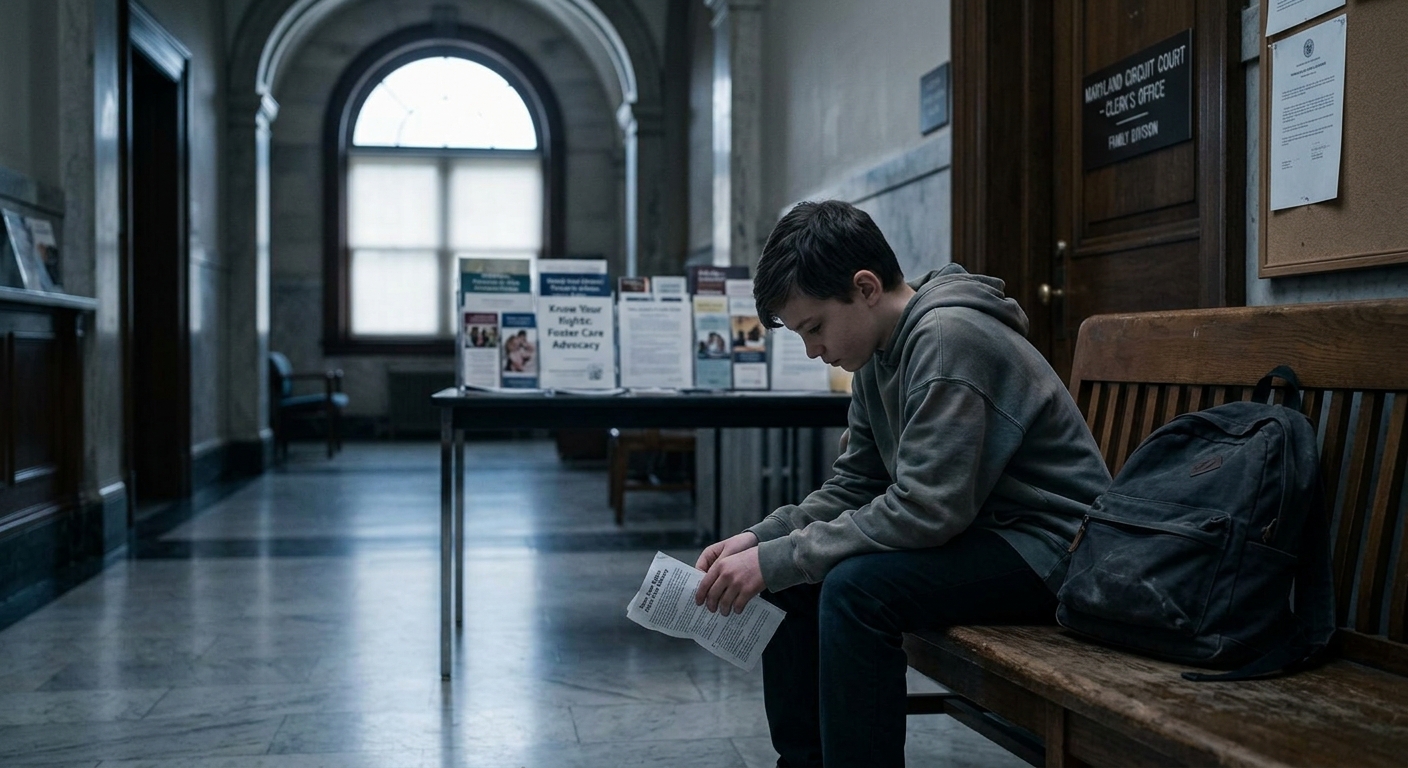
A Watershed Legal Challenge in Child Welfare
In January 2023, a formidable coalition of civil rights organizations launched a sweeping federal lawsuit against the Maryland Department of Human Services (DHS) and the Social Services Administration (SSA). The litigation, formally known as Y.A. v. Padilla, confronts a deeply entrenched and dangerous crisis within the state’s child welfare system: the widespread, unmonitored administration of powerful psychotropic medications to vulnerable youth. This legal action argues that the state has profoundly failed in its constitutional and statutory duties to act as a responsible and protective custodian.
By placing thousands of traumatized children at severe medical and psychological risk without proper oversight, the state has allegedly violated the fundamental rights of the minors entrusted to its care. The plaintiffs assert that instead of receiving comprehensive psychological therapy to address the root causes of their trauma, foster children are routinely subjected to pharmaceutical interventions that suppress their behaviors rather than heal their minds. This landmark case seeks to dismantle a bureaucratic culture that normalizes the overmedication of children, demanding immediate and systemic reforms to protect the health, safety, and future of youth in state custody.
By the Numbers: The Reality of Overmedication
The statistics outlining the scope of medication use within Maryland’s foster care network are staggering. According to the lawsuit, up to 34% of children currently navigating the state’s family regulation system are prescribed at least one psychotropic drug. These medications are powerful substances designed to alter brain chemistry, typically used to treat severe psychiatric conditions like schizophrenia, bipolar disorder, or severe depression.
Even more alarming is the prevalence of polypharmacy—the practice of prescribing multiple psychiatric drugs simultaneously. More than half of the foster youth receiving these medications are subjected to a cocktail of multiple drugs at once. Compounding the crisis, the legal complaint reveals that nearly 75% of these children do not possess a documented, underlying psychiatric diagnosis that would medically justify the use of such potent pharmaceuticals.
| Medication Metric within Maryland Foster Care | Percentage |
|---|---|
| Foster youth prescribed at least one psychotropic drug | Up to 34% |
| Medicated youth prescribed multiple psychotropic drugs concurrently | Over 50% |
| Medicated youth lacking a documented psychiatric diagnosis | Nearly 75% |
These figures paint a grim picture of a medical protocol running largely unchecked. Without a clear diagnostic basis, the administration of these drugs shifts from a therapeutic necessity to a mechanism of behavioral control, raising severe ethical and legal questions regarding the state’s standard of care.
Trauma Misdiagnosed: The Dangers of Chemical Restraints
To understand the gravity of this lawsuit, one must consider the profound emotional and psychological state of a child entering the foster system. By definition, these youths have been removed from their families due to abuse, neglect, or profound household instability. The separation itself inflicts deep, lasting trauma. Consequently, it is entirely expected that these children will exhibit complex, challenging, and sometimes disruptive behaviors as they struggle to process their rapidly changing environment.
Rather than providing trauma-informed therapy, consistent counseling, and stable emotional environments, the system frequently relies on pharmacology. The lawsuit alleges that psychotropic medications are routinely utilized as “chemical restraints.” Instead of treating a verifiable medical condition, the drugs are administered to sedate the child, suppress unwanted behaviors, and make them more compliant for caregivers and group home administrators.
The biological risks of this approach are severe. Psychotropic medications, particularly antipsychotics and mood stabilizers, carry a host of adverse side effects. In developing bodies, these can include rapid weight gain, metabolic syndrome, neurological tremors, severe lethargy, and an increased risk of suicidal ideation. When these drugs are prescribed unnecessarily, the state is exposing children to lifelong physical and neurological harm. The advocates behind the lawsuit argue that substituting behavioral therapy with heavy sedation fundamentally robs these children of their ability to think clearly, process their trauma, and develop vital emotional regulation skills.
Racial Disparities in Prescribing Practices
The crisis of overmedication does not impact all children equally; it carries a distinct and troubling racial bias. Black children are already disproportionately represented within the Maryland child welfare system, a reflection of broader systemic inequalities and biases in family regulation interventions. Once inside the system, these marginalized youths face compounded disparities in medical treatment.
According to the civil rights groups driving the litigation, Black children are at a significantly higher risk of being subjected to dangerous prescribing practices compared to their white counterparts. Implicit biases often lead to the misinterpretation of a Black child’s trauma-induced behavior as inherently aggressive or defiant, rather than a symptom of psychological distress. As a result, they are more frequently diagnosed with severe behavioral disorders and prescribed heavy sedatives and antipsychotics. This dual layer of systemic failure—first separating families at disproportionate rates, and then disproportionately chemically restraining the children—highlights a profound civil rights emergency that demands immediate judicial intervention.
Three Core Failures of the State Administration
The lawsuit explicitly outlines the administrative and procedural breakdowns within the Maryland Department of Human Services (DHS) and the Social Services Administration (SSA). The complaint categorizes the state’s negligence into three primary operational failures:
- Failure to Implement an Informed Consent Process: Informed consent is a cornerstone of medical ethics. Because minors in state custody cannot legally consent to medical treatment, a designated adult must carefully weigh the risks and benefits. The lawsuit alleges that Maryland routinely bypasses this step. Children are frequently forced to take medications against their will, and their biological parents or legal guardians are often completely excluded from the decision-making process.
- Absence of a Secondary Medical Review System: Psychotropic drugs are highly complex and carry significant risks, yet they are often prescribed to foster youth by general pediatricians or primary care physicians rather than specialized child psychiatrists. The state lacks a mandatory secondary review system that would require a qualified psychiatric expert to evaluate and approve complex prescriptions, especially when a child is subjected to polypharmacy.
- Inadequate Medical Record Maintenance: Effective medical care requires an accurate history. The DHS and SSA are accused of failing to compile, maintain, and distribute complete medical and mental health records. When children are moved between foster homes or group facilities, their new caregivers are often left in the dark regarding what medications the child is taking, why they were prescribed, and what adverse reactions to monitor, creating life-threatening blind spots.
The Power of the Legal Consortium
The legal challenge against Maryland is backed by a formidable alliance of non-profit advocacy organizations and private legal experts. Children’s Rights, a national organization dedicated to reforming failing child welfare systems, is leading the charge alongside Disability Rights Maryland, the state’s designated protection and advocacy agency. They are joined by the American Civil Liberties Union (ACLU) of Maryland, an institution renowned for defending the constitutional rights of vulnerable populations, and the international law firm Morgan, Lewis & Bockius LLP, providing robust pro bono litigation support. This consortium brings decades of combined experience in complex class-action litigation, ensuring that the voices of Maryland’s foster youth are amplified in the federal court system with the full weight of the law behind them.
A Broader National Epidemic
While the Y.A. v. Padilla lawsuit specifically targets Maryland’s bureaucratic shortcomings, it is symptomatic of a broader, national epidemic within the United States foster care system. Across the country, child welfare agencies struggle with underfunding, high caseworker turnover, and a severe shortage of qualified mental health professionals. In this strained environment, medication becomes a path of least resistance.
Federal studies indicate that youth involved in the child welfare system are prescribed psychotropic medications at rates drastically higher than Medicaid-enrolled children who are not in state care—sometimes up to 11 times higher depending on the region. Recognizing this trend, federal guidelines have repeatedly urged states to implement rigorous oversight protocols. Maryland’s alleged failure to adopt and enforce these standard safeguards has positioned the state as a focal point in the national battle to protect the bodily autonomy and health of foster youth.
The Baltimore City Exemption
It is important to note that the current lawsuit encompasses almost the entirety of the state of Maryland, with one notable geographical exception: Baltimore City. The jurisdiction of Baltimore is purposefully excluded from this specific complaint because its foster care system is already operating under a separate, ongoing federal consent decree. That distinct litigation, which has been active for years, continuously monitors and seeks to reform the conditions, treatments, and placement protocols for foster youth residing within the city limits.
Toward a Safer System for Vulnerable Minors
The ultimate goal of this landmark litigation is not to outright ban the use of psychotropic medications—advocates recognize that, when appropriately prescribed and carefully monitored by psychiatric professionals, these drugs can be a vital component of a comprehensive mental health treatment plan. Instead, the lawsuit demands accountability, transparency, and the establishment of rigid medical guardrails.
The plaintiffs are asking the federal court to mandate that the Maryland DHS and SSA implement a robust informed consent process, establish mandatory psychiatric reviews for complex prescriptions, and overhaul their medical record-keeping infrastructure. By forcing these systemic changes, advocates hope to ensure that no child in state custody is ever again subjected to unnecessary chemical sedation at the expense of their long-term well-being and neurological health.
Frequently Asked Questions
What are psychotropic medications?
Psychotropic medications are chemical substances that affect the central nervous system, altering brain function to induce changes in perception, mood, consciousness, cognition, or behavior. Common classes include antidepressants, anti-anxiety medications, mood stabilizers, and antipsychotics. They are highly potent and require strict monitoring, especially in developing children.
What is a “chemical restraint”?
A chemical restraint refers to the practice of using medication specifically to restrict a person’s freedom of movement or to subdue challenging behaviors, rather than to treat a verified psychiatric condition. In the context of child welfare, it often involves sedating a traumatized child to make them more compliant for their caregivers.
Why are foster youth prescribed these drugs so frequently?
Foster youth often exhibit complex behavioral issues stemming from the profound trauma of abuse, neglect, and family separation. Due to a systemic lack of resources, frequent placement changes, and a severe shortage of trauma-informed therapists, child welfare systems frequently resort to pharmacological interventions as a quick fix to manage behavior.
Who is legally responsible for the medical care of a foster child?
When a child is removed from their home and placed into foster care, the state—specifically agencies like the Department of Human Services—assumes legal wardship. The state is constitutionally obligated to ensure the child receives safe, appropriate, and medically necessary care while in its custody.
References
- Y.A. v. Padilla Case Overview — Children’s Rights. 2023-01-17. https://www.childrensrights.org/
- Guardians Sue Maryland Seeking Limits on and Oversight of the Use of Powerful Psychotropic Medications for Children in Foster Care — ACLU of Maryland. 2023-01-17. https://www.aclu-md.org/
- Behavioral Health Diagnoses and Treatment Services for Children and Youth Involved with the Child Welfare System — U.S. Department of Health and Human Services (HHS), Office of the Assistant Secretary for Planning and Evaluation. 2025-08-21. https://aspe.hhs.gov/
- Psychotropic Medication and Psychotropic Polypharmacy Among Children and Adolescents in the US Child Welfare System — National Institutes of Health (PMC). 2023-08-21. https://www.ncbi.nlm.nih.gov/pmc/
Similar Articles








Read full bio of Sneha Tete


