When a family member passes away without an obvious will in hand, the search begins. This process can feel overwhelming amid grief, but systematic steps can uncover the document or confirm its absence. Understanding where wills are typically stored and how legal systems handle them empowers heirs to proceed with estate matters confidently.
Initial Steps: Searching Personal Belongings and Home
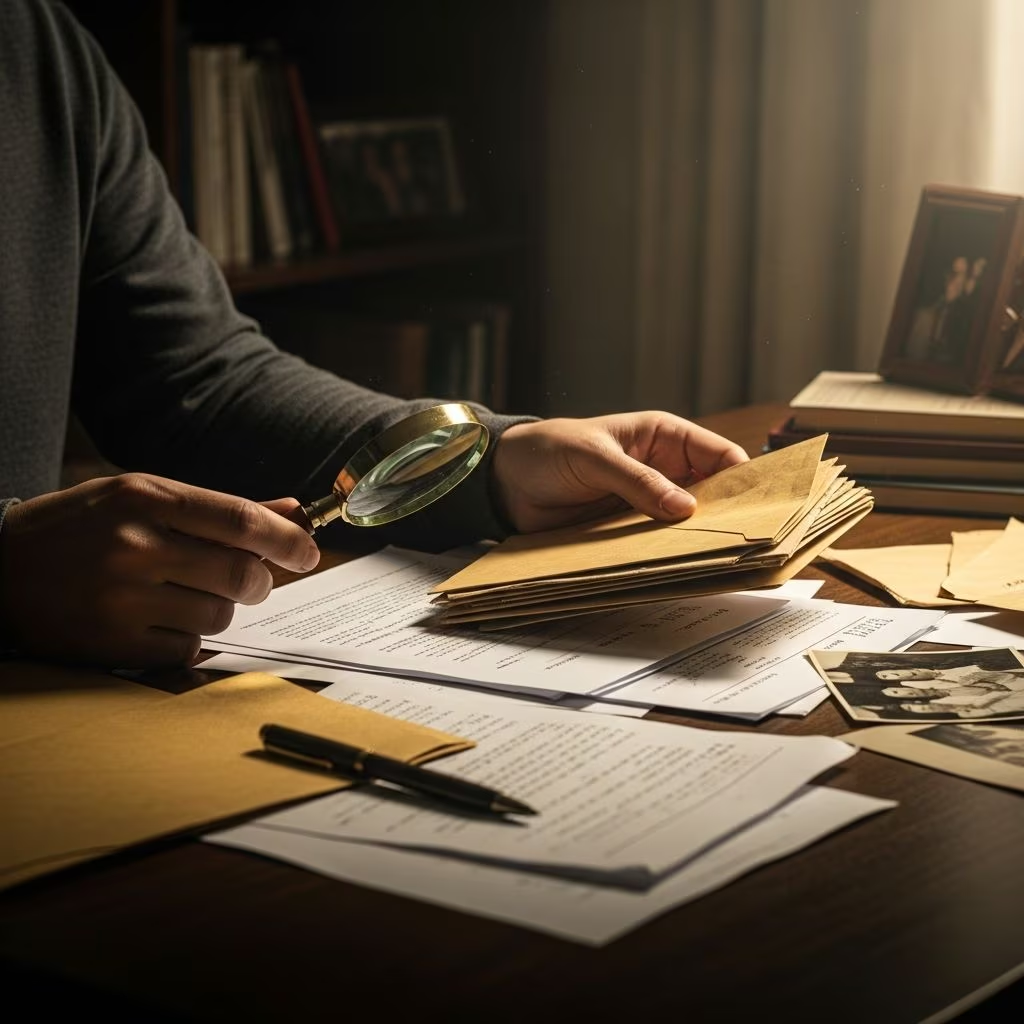
Begin your quest in the most likely places. Many individuals keep their wills in secure, accessible spots within their residence. Start with obvious locations like desks, filing cabinets, and nightstands, then expand to less conventional areas.
- Office and Financial Areas: Check drawers, folders labeled ‘legal’ or ‘estate,’ and any document organizers.
- Safe or Lockbox: Home safes often house important papers; combinations might be noted in address books or with trusted contacts.
- Unusual Hiding Spots: Envelopes in books, behind picture frames, or inside clothing drawers have been common discoveries.
- Digital Copies: Scan computers, emails, or cloud storage for scanned versions or drafts.
If the home search yields nothing, document your efforts. This record proves diligence if legal proceedings require it later.
Consulting Professionals Who Knew the Deceased
Next, reach out to advisors who managed the deceased’s affairs. These contacts often hold copies or know the will’s location.
| Professional | Why Contact Them | What to Ask |
|---|---|---|
| Estate Attorney | Likely drafted or stored the will | “Did you prepare a will for [Name]? Do you have a copy?” |
| Financial Advisor/Accountant | May have reviewed estate plans | “Were you aware of any will or trust documents?” |
| Bank or Safe Deposit Box Manager | Wills sometimes stored in boxes | “Can heirs access the box to search for a will?” |
| Close Friends/Family | Might have been informed of location | “Did [Deceased] mention where their will is kept?” |
Gaining access to safe deposit boxes may require a court order if not listed as a co-owner, but many states allow limited searches for wills by heirs.
Navigating Probate Courts and Public Records
Once personal avenues are exhausted, turn to public institutions. Wills filed in probate become public records, accessible to anyone.
Determine the relevant jurisdiction: typically the county where the deceased resided at death or owned major property. Use obituaries, death certificates, or voter records to confirm addresses.
- Visit County Clerk or Probate Court Website: Search by name and date of death. Many counties offer online portals for case lookups.
- Contact the Clerk’s Office: Provide decedent’s details; they can check filings. Fees may apply for copies.
- Request Case Number: This unlocks full files, including the will.
- In-Person or Mail Requests: If online fails, clerks often mail documents or allow visits.
Note: Not all estates enter probate if assets avoid it (e.g., joint accounts, trusts). Unprobated wills must still be filed with the court within 30 days in most states, though enforcement varies.
Online Tools and Databases for Will Searches
Digital resources streamline the process, though comprehensive national databases are limited.
- County .gov sites: Primary source for probate indexes.
- State vital records offices: May link to estate filings.
- Third-party aggregators: Use cautiously; verify with official sources.
For example, searching “[County Name] probate search” leads to official portals where entering the decedent’s name reveals case details if probated. Older records might be on microfilm, requiring archival requests.
What If No Will Exists or Can’t Be Found?
Absence of a will triggers intestate succession, where state laws dictate asset distribution—typically prioritizing spouses, children, then others. Heirs share equally in many cases.
If a will was revoked (e.g., by a newer one) or never created, probate proceeds under these rules. Consult local statutes for specifics, as they vary by state.
Legal Obligations and Timelines for Filing Wills
Executors must file discovered wills promptly—often within 10-30 days. Possessors of wills face penalties for withholding. Heirs not notified during probate can petition for records.
Sealed records are rare but possible; challenge via court if grounds exist.
Role of Probate Attorneys in the Search
When DIY efforts stall, probate lawyers provide expertise. They:
- Petition courts for safe deposit access.
- Conduct title searches for property-linked estates.
- File to open probate if needed.
- Interpret findings and advise on next steps.
Costs are often recoverable from the estate if you’re an heir.
Preventing Future Will-Hunt Nightmares
To spare your loved ones, store wills accessibly: with attorneys, in fireproof safes with keys shared, or register with services like the U.S. Will Registry. Inform executors of locations.
Frequently Asked Questions
Do I need to be a beneficiary to access a probated will?
No, wills are public once filed. Any person can request copies from the county clerk.
How long after death can a will be filed?
Laws require prompt filing (e.g., 30 days), but delays occur. Courts accept later if just cause shown.
Can I search for wills nationwide online?
No central database exists; check county-by-county.
What if the will names someone else as beneficiary?
You retain rights to challenge if valid grounds (e.g., undue influence), but must act timely.
Is a copy of a will as valid as the original?
Copies may suffice if original is lost, proven via testimony; courts prefer originals.
References
- Probate Records: How to Look up a Will in Probate — Trust & Will. 2023. https://trustandwill.com/learn/probate-records
- How Do I Find Out if My Parent Had a Will? — Russell Manning Law. 2024-05-15. https://russellmanninglaw.com/blog/how-do-i-find-out-if-my-parent-had-a-will/
- My dad died and I don’t know whether he left a will. What should I do? — Nolo. 2025-01-10. https://www.nolo.com/legal-encyclopedia/question-dad-died-need-to-find-will-28387.html
- Are Wills Public Record? | How to Find Out if Someone Has a Will — Keystone Law. 2024. https://keystone-law.com/are-wills-public-record
- How to Look Up a Will Online — The U.S. Will Registry. 2023-11-20. https://theuswillregistry.org/estate-articles/how-to-look-up-a-will-online/