
Legislative Push Restricting Transgender Youth Rights
Understanding the coordinated state-level policies impacting transgender youth.
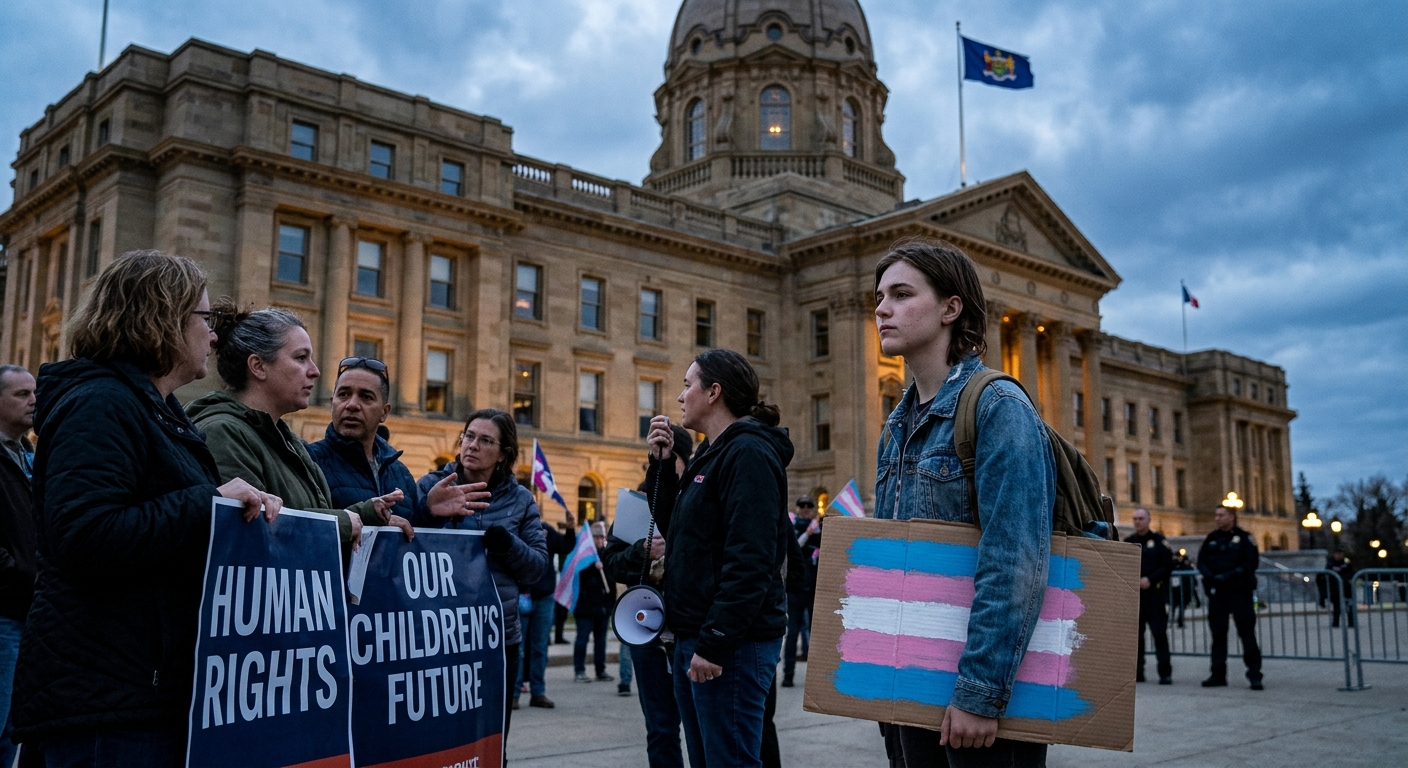
The landscape of civil rights in the United States has seen a dramatic shift in recent years, particularly concerning the lives of transgender adolescents. Across the nation, a staggering volume of state-level legislation has been proposed and enacted, effectively restricting the rights of transgender youth. These policies touch almost every facet of a young person’s life, from the doctor’s office to the classroom and the athletic field. Observers and policy analysts note that this is not a series of spontaneous, localized grassroots movements. Instead, it represents a highly synchronized, strategic campaign engineered by national interest groups.
By drafting boilerplate legislation and distributing it across various statehouses, these organizations have successfully centralized an effort to severely limit the bodily autonomy, educational equality, and social recognition of transgender minors. Understanding the mechanisms, consequences, and pushback against this legislative wave is crucial for grasping the current state of equality and civil rights in America. The sheer volume and speed of these legislative changes require a closer look at how these laws are drafted, implemented, and the tangible effects they have on an increasingly marginalized demographic.
The Anatomy of a Synchronized Legislative Push
To understand the massive volume of bills targeting transgender youth, one must look at the underlying mechanics of state legislatures and the increasing role of “model legislation.” The bills appearing in states ranging from the Deep South to the Mountain West frequently feature nearly identical language, definitions, and enforcement mechanisms. This uniformity is the direct result of well-funded, national organizations and conservative think tanks that draft standardized bills and provide them to sympathetic state lawmakers.
Once introduced, these bills are frequently fast-tracked through state committees, deliberately limiting the time available for public comment or expert testimony. The coordinated nature of this strategy allows proponents of the legislation to overwhelm opposition by forcing advocates to fight simultaneous battles across multiple states. Furthermore, the messaging surrounding these bills is tightly controlled and standardized, overwhelmingly relying on narratives centered around “parental rights” or the “protection of children,” despite facing fierce opposition from major medical, psychological, and educational professionals.
This synchronized push has transformed the legislative process into a rapidly moving conveyor belt of restrictive policies. In previous decades, a single piece of legislation targeting a minority group might take years to gain meaningful traction. Today, a model bill can be drafted, widely distributed, and signed into law in a matter of months, leaving civil rights advocates, families, and transgender youth scrambling to respond to an ever-changing and increasingly hostile legal environment.
Prohibiting Evidence-Based Medical Care
Perhaps the most heavily contested and widely publicized component of this legislative wave is the restriction or outright prohibition of gender-affirming medical care for minors. Gender-affirming care for adolescents typically includes reversible puberty blockers and, in some cases, hormone replacement therapy. These medical interventions allow transgender youth to align their physical development with their internal gender identity, drastically reducing gender dysphoria and improving overall mental health.
According to data tracked by the Movement Advancement Project (MAP), as of mid-2024, more than half of the states in the U.S. have passed laws that ban or severely restrict access to these medically necessary treatments for minors . The severity of these laws varies, but many go far beyond simply banning the medical procedures. Key punitive measures often include:
- Criminalizing Providers: Several states have made it a felony for medical professionals to administer puberty blockers or hormones to minors, threatening doctors with severe financial penalties and prison time.
- Penalizing Parents: Certain jurisdictions have attempted to classify the pursuit of gender-affirming care as a form of child abuse, threatening parents with the removal of their children by state welfare agencies.
- Restricting Telehealth: Laws have been enacted to prevent out-of-state doctors from providing gender-affirming care consultations via telehealth platforms.
These legislative bans directly contradict the established consensus of every major medical and mental health organization in the United States. The American Academy of Pediatrics (AAP), the American Medical Association (AMA), and the American Psychological Association (APA) have all unequivocally stated that gender-affirming care is safe, effective, and medically necessary. In August 2023, the AAP reaffirmed its commitment to supporting this care, emphasizing that medical decisions should remain strictly between physicians, patients, and their families, completely free from political interference .
Athletic Exclusion and Extracurricular Marginalization
Beyond the doctor’s office, the athletic field has become a primary battleground in the legislative campaign against transgender youth. Numerous states have enacted laws explicitly banning transgender girls and women from participating in female sports categories at both the K-12 and collegiate levels. Proponents of these bills argue that they are necessary to maintain fairness and protect Title IX advancements for cisgender women.
However, opponents and civil rights advocates argue that these policies are fundamentally exclusionary and are frequently based on exaggerated or scientifically unfounded claims about the physical advantages of transgender athletes, particularly those who have undergone puberty suppression. The real-world impact of these athletic bans extends far beyond the scoreboard. For many adolescents, participating in school sports is a vital source of community, teamwork, physical health, and self-esteem. By legally barring transgender youth from participating alongside their peers, these laws forcibly isolate an already vulnerable demographic.
Furthermore, the enforcement of these athletic bans often introduces invasive and inappropriate oversight. Some legislation includes provisions that allow schools, parents, or competing teams to formally question an athlete’s biological sex. This can lead to mandatory physical examinations or the strict requirement of original birth certificates. Such an environment of surveillance and suspicion ultimately harms all students, reinforcing rigid gender norms and subjecting young athletes—including cisgender girls who may not conform to traditional feminine stereotypes—to unnecessary and damaging scrutiny.
Educational Censorship and Forced Disclosure Mandates
The classroom, traditionally a space designed for open learning, self-discovery, and safety, has been dramatically impacted by this legislative push. Lawmakers have introduced a myriad of educational restrictions designed to effectively erase LGBTQ+ identities from school curricula and social environments. Often referred to colloquially as “Don’t Say Gay/Trans” bills, these laws prohibit teachers from discussing sexual orientation or gender identity, particularly in primary grade levels, though many states are expanding these restrictions into high schools.
More recently, state legislatures have pioneered deeply controversial “forced outing” policies. These laws legally mandate that school administrators and teachers notify parents if a student requests to use a different name, a different set of pronouns, or expresses a gender identity different from their sex assigned at birth. While framed under the guise of championing “parental rights,” these policies fundamentally strip transgender youth of their autonomy, privacy, and safety.
For students who come from unsupportive or abusive households, being outed by a school official can result in catastrophic consequences, including homelessness, physical violence, or severe emotional trauma. Additionally, restrictive “bathroom bills” have seen a prominent resurgence. These laws legally mandate that students use the restroom or locker room corresponding to their sex assigned at birth, rather than their gender identity. This forced segregation not only invalidates the identities of transgender students but also exposes them to heightened risks of bullying, harassment, and physical assault from peers.
The Staggering Toll on Youth Mental Health
The culmination of healthcare bans, athletic exclusions, and educational censorship creates a profoundly hostile and inescapable environment for transgender youth. The psychological toll of this relentless legislative targeting cannot be overstated. According to a demographic analysis published by the Williams Institute at the UCLA School of Law, an estimated 300,000 youth ages 13 to 17 identify as transgender in the United States . This means hundreds of thousands of teenagers are currently watching their fundamental rights be actively debated and systematically dismantled on a public stage.
The mental health outcomes linked to this hostile political climate are alarming. The Trevor Project’s 2023 U.S. National Survey on the Mental Health of LGBTQ Young People revealed that 41% of LGBTQ youth seriously considered attempting suicide in the past year, with transgender and nonbinary youth reporting disproportionately higher rates of suicidality . The survey consistently highlights a crucial reality: LGBTQ youth are not inherently prone to suicide risk; rather, their risk is astronomically increased by minority stress, persistent discrimination, and societal mistreatment driven by anti-transgender legislation.
Conversely, the data also definitively shows that access to gender-affirming spaces—whether that means receiving appropriate medical care, participating in sports, or simply having their requested pronouns respected at school—serves as a massive protective factor. Transgender youth who live in supportive communities and have uninterrupted access to gender-affirming care report significantly lower rates of depression, anxiety, and suicidal ideation. By systematically dismantling these crucial support structures, state legislatures are actively contributing to a severe public health crisis among adolescents.
Judicial Review and the Fight for Equal Protection
Despite the rapid passage of these highly restrictive laws, they have not gone unchallenged. A robust and highly organized legal pushback is currently unfolding in state and federal courts across the country. Civil rights organizations, independent legal defense funds, and local advocacy groups have filed numerous lawsuits on behalf of transgender youth, their parents, and their medical providers.
These legal challenges primarily argue that the bans on gender-affirming care and educational exclusions violate the Equal Protection Clause of the 14th Amendment. Because these laws explicitly target individuals based on their sex and transgender status, plaintiffs argue they constitute blatant and unconstitutional discrimination. Furthermore, lawsuits against healthcare bans frequently invoke the fundamental rights of parents to direct the medical care and upbringing of their children—a deeply rooted legal precedent that is ironically often championed by conservative lawmakers.
Judicial responses to these lawsuits have been decidedly mixed. Several federal judges have issued preliminary injunctions temporarily halting the enforcement of healthcare bans, citing the high likelihood that these laws are ultimately unconstitutional and recognizing the immediate, irreparable harm they cause to transgender youth. However, other appellate courts have allowed the bans to take effect, setting the stage for protracted, high-stakes legal battles that will almost certainly culminate in Supreme Court rulings. While the long-term legal outcomes remain uncertain, the resilience of transgender youth, their dedicated families, and their advocates continues to drive a powerful, nationwide movement for equality and bodily autonomy.
Frequently Asked Questions
What exactly is gender-affirming care for minors?
Gender-affirming care encompasses a range of psychological, social, and medical interventions designed to safely support an individual whose gender identity conflicts with their sex assigned at birth. For prepubescent children, this care is entirely social (such as adopting changes in name, pronouns, or clothing). For older adolescents, it may include reversible puberty-delaying medications and, only after extensive psychological and medical evaluation, hormone therapy. Surgical interventions for minors are exceedingly rare and not the standard of care.
Why are these bills being introduced across so many states simultaneously?
The rapid and widespread proliferation of these bills is driven by coordinated efforts from national political organizations, advocacy groups, and think tanks. They draft standardized “model legislation” that can be easily customized and simultaneously introduced by allied lawmakers in different states, creating a synchronized political strategy to restrict transgender rights nationwide.
How do “forced outing” policies affect students?
Forced outing policies legally require educators to notify parents if a student requests to be treated according to a gender identity different from their birth sex. For students with unsupportive or prejudiced families, this can lead to severe consequences, including physical abuse, emotional trauma, and youth homelessness. It fundamentally destroys the trust between students and educators, preventing vulnerable youth from seeking necessary help.
Do medical professionals actually support gender-affirming care?
Yes. Every major medical, psychiatric, and pediatric organization in the United States, including the American Academy of Pediatrics, the American Medical Association, and the American Psychological Association, explicitly endorses gender-affirming care as safe, highly effective, and a medical necessity for the well-being of transgender individuals.
References
- American Academy of Pediatrics Reaffirms Gender-Affirming Care Policy — American Academy of Pediatrics. 2023-08-04. https://www.aap.org/en/news-room/news-releases/aap/2023/american-academy-of-pediatrics-reaffirms-gender-affirming-care-policy/
- New estimates show 300,000 youth ages 13-17 identify as transgender in the US — Williams Institute at UCLA School of Law. 2022-06-10. https://williamsinstitute.law.ucla.edu/press/transpop-yrbs-press-release/
- 2023 U.S. National Survey on the Mental Health of LGBTQ Young People — The Trevor Project. 2023-05-01. https://www.thetrevorproject.org/survey-2023/
- Equality Maps: Bans on Medical Care for Transgender Youth — Movement Advancement Project. 2024-05-17. https://www.lgbtmap.org/equality-maps/healthcare_youth_medical_care_bans
Similar Articles








Read full bio of Sneha Tete


