
Legislative Push Against Transgender Youth in the US
Exploring the legal battles, medical consensus, and human impact of state bans.
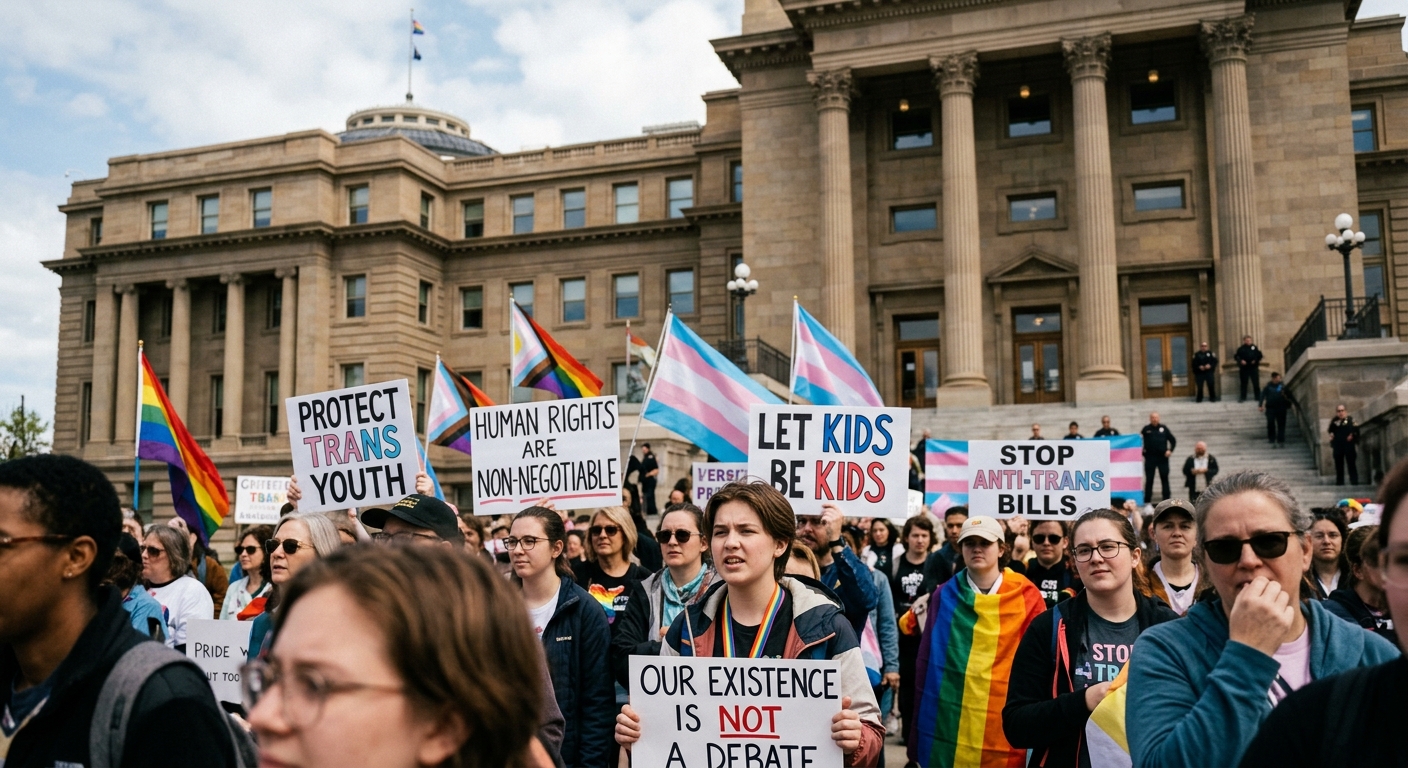
Navigating the Nationwide Legislative Push Against Transgender Youth
Over the past few years, the United States has witnessed an unprecedented and highly coordinated legislative campaign targeting the rights, healthcare, and daily lives of transgender minors. Across dozens of state legislatures, lawmakers have introduced and passed a record number of bills designed to restrict access to medical care, limit participation in scholastic activities, and police gender expression in educational settings. This wave of legislation represents a profound shift in the civil rights landscape, prompting widespread legal challenges and igniting a fierce national debate over the intersection of medical consensus, constitutional rights, and parental autonomy.
To fully understand the gravity of this movement, it is essential to look beyond the political rhetoric and examine the tangible impacts these laws have on vulnerable populations. The stakes are extraordinarily high, involving not just abstract legal theories, but the fundamental well-being and survival of young people. By analyzing the various categories of these bills, the robust medical consensus opposing them, and the resulting judicial battles, we can better comprehend the current crisis facing transgender youth and their families.
The Scope and Scale of the Legislative Wave
The sheer volume of bills introduced to regulate the lives of transgender youth is staggering. While early legislative efforts predominantly focused on access to public facilities—often referred to as "bathroom bills"—the strategy has since evolved and expanded into a multi-front assault. Today, the legislative focus has shifted toward outright bans on medical treatments, stringent restrictions on athletic participation, and broad educational gag orders.
This is not a localized phenomenon but a meticulously coordinated effort propelled by national interest groups drafting model legislation. Consequently, nearly identical bills have appeared in statehouses from Florida to Idaho. These bills are often introduced under the guise of "child protection" or "fairness," yet they systematically strip away the rights of transgender youth to exist authentically in public spaces and access medically necessary interventions. For civil rights advocates and legal scholars, this represents a stark violation of the Equal Protection Clause and an egregious overreach of state power into private medical and familial decisions.
Analyzing the Core Pillars of Restrictive Legislation
The legislative assault on transgender youth generally falls into three primary categories: restrictions on medical care, bans on athletic participation, and the regulation of educational environments. Each of these pillars serves to marginalize and isolate transgender minors, creating an environment where their identities are legally suppressed.
Healthcare Access Denials and Criminalization
The most consequential and deeply concerning aspect of this legislative wave is the aggressive push to ban gender-affirming medical care for minors. State governments have enacted laws that prohibit healthcare providers from prescribing puberty-delaying medications and hormone therapy to transgender youth, even when such treatments are requested by the patient, supported by their parents, and prescribed by specialized medical professionals.
Some states have gone beyond civil penalties, attempting to classify the provision of gender-affirming care as a felony, thereby threatening doctors with prison time and revocation of their medical licenses. Furthermore, certain laws target parents, suggesting that consenting to gender-affirming care for their children constitutes child abuse. This creates an atmosphere of terror for families navigating gender dysphoria, effectively criminalizing the very act of following established medical guidelines.
The medical community has been vocal in its opposition to these bans. The American Medical Association (AMA) and the American Academy of Pediatrics (AAP) have consistently reaffirmed that gender-affirming care is evidence-based, medically necessary, and life-saving. By outlawing these treatments, legislators are directly overriding the consensus of every major pediatric, psychiatric, and psychological association in the United States, forcing doctors to choose between upholding their ethical oath and facing criminal prosecution.
The Battle Over Scholastic Athletics
Another major front in this legislative campaign involves scholastic sports. Numerous states have passed laws prohibiting transgender girls and women from participating in female sports teams at the K-12 and collegiate levels. Proponents of these bills argue they are necessary to preserve competitive fairness and protect Title IX advancements for cisgender women.
However, critics and civil rights organizations argue that these bans are rooted in stereotypes rather than biological realities or widespread competitive imbalances. The actual number of transgender athletes competing in school sports is incredibly small, yet the legislation paints them as an existential threat to women’s athletics. These laws subject all student-athletes to invasive scrutiny and reinforce a hostile environment for transgender students. The psychological impact of being legally barred from joining peers on a sports team extends far beyond the playing field, contributing to a sense of alienation and societal rejection.
Educational Environments and Free Expression
The third pillar focuses on the daily lived experiences of transgender youth in schools. A growing number of states have implemented policies that dictate how schools must handle students’ gender identities. These include laws that ban transgender students from using bathrooms and locker rooms that align with their gender identity.
Moreover, there has been a sharp increase in legislation commonly known as "forced outing" policies. These require school personnel to notify parents if a student requests to use a different name or set of pronouns, regardless of whether doing so might put the student at risk of abuse or homelessness. Coupled with "Don’t Say Gay or Trans" laws that censor discussions of sexual orientation and gender identity in classrooms, these policies create a chilling effect on free speech. They effectively erase LGBTQ+ identities from the educational landscape, denying transgender youth the opportunity to see themselves reflected in their curriculum and community.
The Intersection of Medicine, Ethics, and Fundamental Rights
At the heart of the debate over gender-affirming care is a profound clash between legislative action and established medical science. Gender dysphoria—the severe psychological distress that results from an incongruence between one’s sex assigned at birth and one’s gender identity—is a recognized medical condition. The accepted protocol for treating gender dysphoria in minors often involves a multi-disciplinary approach, emphasizing watchful waiting, psychological support, and, when appropriate and after rigorous assessment, puberty-delaying medications or hormone therapy.
These treatments are not experimental; they have been studied for decades and are endorsed by a vast body of medical literature. Denying access to this care has been proven to increase the rates of depression, anxiety, and suicidal ideation among transgender youth. Therefore, when state legislatures ban these interventions, they are not protecting children; they are actively putting them in harm’s way by denying them standard medical care.
Legally, these bans face intense scrutiny under the Fourteenth Amendment of the U.S. Constitution. Advocates argue that laws targeting transgender youth violate the Equal Protection Clause by discriminating on the basis of sex and transgender status. Furthermore, they challenge the Due Process Clause by infringing upon the fundamental right of parents to make medical decisions for their children. The assumption that the state knows better than parents and doctors combined is a radical departure from traditional legal standards regarding familial autonomy.
Judicial Challenges and the Road Ahead
The legislative assault has unsurprisingly triggered a massive wave of civil rights litigation. Advocacy groups, civil liberties organizations, and private plaintiffs have filed lawsuits across the country to block these discriminatory laws from taking effect. The judicial response has been mixed, reflecting a deeply divided legal landscape.
In several instances, federal district courts have granted preliminary injunctions against healthcare bans, ruling that the laws likely violate the constitutional rights of transgender youth and their parents. Judges in these cases have frequently noted the lack of credible medical evidence supporting the bans, highlighting that the state’s arguments often rely on misinformation and animus rather than scientific fact.
Conversely, some appellate courts have overturned these injunctions, allowing the bans to take effect while litigation proceeds. This patchwork of rulings has created a chaotic and geographically fractured reality for transgender youth. A medical treatment that is perfectly legal and accessible in one state may be a felony just across the border. The involvement of the Department of Justice , which has filed statements of interest supporting the rights of individuals with gender dysphoria under the Americans with Disabilities Act, adds another layer of complexity to the ongoing federal and state conflicts.
The Profound Human Impact on Youth and Families
While the legal and political battles rage in courtrooms and state capitols, the human toll of this legislative wave cannot be overstated. Transgender youth are acutely aware of the laws being debated about their bodies and their futures. The constant public scrutiny and invalidation of their identities contribute to a climate of fear, anxiety, and severe mental distress.
Families with transgender children are being forced to make unimaginable choices. Across the country, a phenomenon of "medical refugees" is emerging. Parents are uprooting their lives, leaving jobs, homes, and extended family behind to relocate to "sanctuary states" where gender-affirming care remains legally protected . For families who lack the financial resources to move, the reality is even grimmer; they are forced to watch their children suffer as life-saving medical care is abruptly cut off by state decree.
The legislative assault on transgender youth is not merely a political flashpoint; it is a profound moral crisis. It tests the limits of equal protection, the sanctity of the doctor-patient relationship, and the fundamental right of every young person to grow up in a society that recognizes their humanity. As the legal battles inevitably make their way to the highest courts in the land, the resilience of the transgender community and the enduring fight for civil rights remain at the forefront of this historic struggle.
Frequently Asked Questions (FAQs)
- What exactly is gender-affirming care for minors?
Gender-affirming care encompasses a range of psychological, social, and medical interventions designed to support and affirm an individual’s gender identity. For pre-pubescent children, this care is entirely social (e.g., changes in name, pronouns, and clothing). For adolescents, under strict medical guidelines, it may include reversible puberty-delaying medications and, later, hormone therapy. Surgical interventions are exceedingly rare for minors and are generally reserved for adulthood. - Why are major medical organizations opposed to bans on this care?
Organizations like the American Medical Association (AMA) and the American Academy of Pediatrics (AAP) oppose these bans because decades of empirical research show that gender-affirming care significantly improves the mental health and well-being of transgender youth. Banning this care contradicts established medical consensus and increases the risk of severe psychological distress and suicidality. - What constitutional arguments are being used to challenge these laws?
Legal challenges primarily rely on the Equal Protection Clause of the Fourteenth Amendment, arguing that the laws unconstitutionally discriminate based on sex and transgender status. Additionally, plaintiffs argue that these laws violate the Due Process Clause by infringing upon the fundamental rights of parents to direct the medical care and upbringing of their children. - How does Title IX relate to transgender youth in sports?
Title IX is a federal civil rights law that prohibits sex-based discrimination in any school or education program that receives federal funding. The interpretation of Title IX is heavily contested in current litigation; advocates argue it protects transgender students from discrimination (including the right to play sports aligned with their gender identity), while proponents of sports bans argue Title IX requires strict biological sex segregation to protect female athletes.
References
- Advocating for the LGBTQ community — American Medical Association. 2026-06-01. https://www.ama-assn.org/delivering-care/population-care/advocating-lgbtq-community
- AAP reaffirms gender-affirming care policy, authorizes systematic review of evidence to guide update — American Academy of Pediatrics. 2023-08-04. https://publications.aap.org/aapnews/news/25340/AAP-reaffirms-gender-affirming-care-policy
- Justice Department Files Statement of Interest in Lawsuit Concerning Treatment for Gender Dysphoria — U.S. Department of Justice. 2024-01-08. https://www.justice.gov/opa/pr/justice-department-files-statement-interest-lawsuit-concerning-treatment-gender-dysphoria
- Bans on Best Practice Medical Care for Transgender Youth — Movement Advancement Project. 2024. https://www.lgbtmap.org/equality-maps/healthcare_youth_medical_care_bans
Similar Articles








Read full bio of medha deb


