
Legal Battles for Vulnerable Youth: Foster Care Lawsuits
Deep dive into systemic child welfare failures and foster care legal battles.
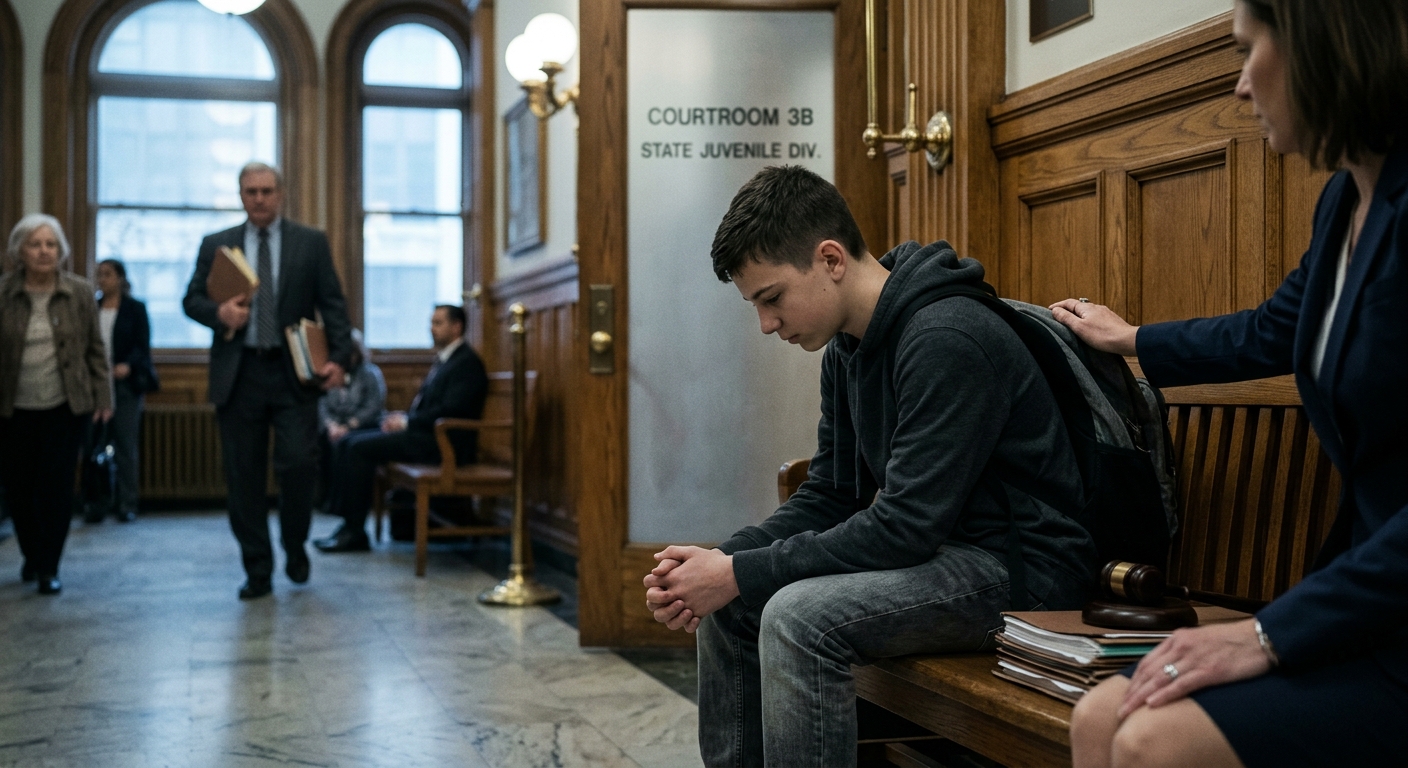
Introduction to Child Welfare Litigation
When a state government exercises its authoritative power to remove a child from a dangerous or abusive home environment, it inherently assumes a profound legal and moral responsibility. The state essentially steps into the shoes of the parent, taking on the constitutional duty to protect the child, provide for their basic human needs, and ensure their ongoing safety and developmental progress. However, a grim paradox emerges when the very system designed to rescue youth from maltreatment becomes a source of institutional abuse and profound neglect. This distressing reality is precisely what triggers sweeping civil rights litigation across the United States. One of the most glaring examples of this judicial intervention unfolded in Rhode Island, where a historic class-action lawsuit was launched to completely overhaul the state’s failing Department of Children, Youth and Families. By examining the unique circumstances, complex legal strategies, and systemic dysfunctions highlighted in this monumental legal battle, we gain critical insight into the structural crises plaguing child welfare agencies nationwide and the robust mechanisms required to safeguard the constitutional rights of foster children.
The Catalyst for Legal Intervention
Systemic child welfare lawsuits do not materialize overnight. They are typically the culmination of years of ignored warnings, documented administrative failures, and tragically avoidable outcomes for individual youth in state custody. In the Rhode Island scenario, a powerful and highly unusual coalition formed out of sheer necessity. The state’s own official Child Advocate joined forces with prominent national child advocacy organizations and top-tier legal experts to file a sprawling civil rights lawsuit in federal court. This strategic move was unprecedented because it represented both an internal and external indictment of the state’s executive branch, signaling that internal reform efforts had completely stalled.
The plaintiffs were not merely seeking monetary damages for a few isolated incidents of negligence; they formally represented a certified class of thousands of children currently living in state custody. The core argument presented to the judiciary was stark: the state was operating a child welfare apparatus so fundamentally broken that it consistently violated the civil rights of its most vulnerable dependents. Through meticulous documentation—including damning federal reviews, task force reports, and harrowing child fatality investigations—the litigation exposed a department that lacked basic oversight, mismanaged critical funds, and continually failed to meet established federal standards for child safety and permanency.
Unpacking Systemic Failures in the Child Welfare System
To truly comprehend the gravity and necessity of such class-action lawsuits, one must examine the specific, deeply entrenched operational failures that advocates seek to desperately dismantle. The Rhode Island litigation highlighted a blueprint of bureaucratic dysfunction that unfortunately mirrors many other struggling jurisdictions across the country.
Unmanageable Caseloads and the Workforce Crisis
The primary backbone of any effective child protection agency is its frontline caseworkers. Professional standards, such as those recommended by leading national authorities, suggest strict caps on the number of cases a single social worker should ethically handle. In malfunctioning systems, investigators and ongoing caseworkers are routinely saddled with caseloads that double or even triple these recommended safety limits. This impossible workload predictably results in severe staff burnout, high turnover, plummeting morale, and critical administrative paralysis. When a social worker cannot realistically visit every child on their expansive roster, crucial warning signs of abuse in a foster home go completely unnoticed, essential medical appointments are chronically missed, and necessary rehabilitative services are indefinitely delayed.
A Dearth of Safe, Licensed Foster Homes
A primary and recurring allegation in major child welfare litigation is the state’s failure to actively recruit, adequately support, and retain licensed family foster homes. When a state lacks sufficient family-based placements, the entire system inevitably bottlenecks. Children are consequently warehoused in highly restrictive, institutionalized group homes, emergency temporary shelters, or even adult psychiatric facilities simply because there are no available beds. Not only are these congregate care settings prohibitively expensive for local taxpayers, but they are also profoundly detrimental to a child’s psychological and social development, actively depriving them of a normative, nurturing family environment.
Maltreatment While in State Custody
Perhaps the most egregious failure outlined in these far-reaching legal actions is the high incidence of maltreatment of children while they are legally in the protective care of the state. Litigation frequently reveals that investigations into allegations of physical and emotional abuse within state-licensed foster homes are chronically delayed, superficially executed, or swept under the rug. When a child is removed from an abusive biological parent only to be placed in an unvetted, equally dangerous foster home, the state commits a severe violation of public trust and established constitutional law.
Inadequate Foster Care Maintenance Payments
Foster families require dedicated financial assistance to cover the daily, practical costs of feeding, clothing, housing, and transporting the children placed in their care. Federal mandates require that states provide adequate foster care maintenance payments to subsidize these essential, unavoidable needs. Systemic lawsuits often expose the reality that state agencies have deliberately frozen these basic stipends for years, failing to account for inflation or the actual rising cost of living. This financial negligence directly contributes to the critical shortage of available foster families, as well-intentioned individuals simply cannot afford to independently absorb the significant financial burden of raising additional children.
The Constitutional and Statutory Framework
The complex legal architecture of a child welfare class-action lawsuit relies heavily on established constitutional law, primarily enforced through federal statutes that allow individuals to directly sue state actors for severe civil rights violations.
Substantive Due Process Rights
Under the Fourteenth Amendment to the United States Constitution, individuals possess a fundamental right to substantive due process. In the landmark legal precedents surrounding the foster care system, federal courts have firmly established that once a state takes a child into its custody against their will (or the will of their biological parents), the state assumes an affirmative constitutional obligation to provide for their basic human needs and ensure their physical safety. Failing to adequately protect foster youth from foreseeable harm, or exposing them to unreasonable, documented risks, constitutes a direct and actionable violation of this substantive due process right.
The Right to Familial Association
Another critical constitutional argument fiercely debated in these cases centers on the right to familial association. Children possess a legally recognized liberty interest in maintaining intimate relationships with their biological siblings. Systemic litigation consistently reveals that disorganized agencies needlessly separate brothers and sisters due to a sheer lack of joint placements, and subsequently fail to facilitate court-required sibling visitations. This unnecessary, bureaucratic severance of vital sibling bonds inflicts severe emotional distress and directly violates the children’s core associational rights.
Statutory Entitlements and Mandates
Beyond constitutional protections, state welfare agencies are strictly bound by comprehensive federal legislative frameworks. These overriding statutes mandate timely permanency planning, require documented monthly caseworker visits, and enforce the creation of comprehensive, individualized medical and educational case plans. When a state systematically ignores these clear statutory mandates, it subjects itself to rigorous federal judicial scrutiny, potential oversight, and the disastrous loss of essential federal funding.
The Human Cost: Developmental and Psychological Toll
Legal briefs and sterile federal statistics can sometimes inadvertently obscure the deeply personal, lifelong tragedies at the heart of child welfare litigation. The true human cost of a failing foster care system is ultimately measured in severe generational trauma and tragically stunted potential. Children trapped in a dysfunctional bureaucracy often experience “foster care drift,” a devastating phenomenon where a child is continuously bounced between dozens of temporary placements over a span of years without ever achieving a permanent, loving home.
This constant, agonizing instability wreaks absolute havoc on a developing child’s trajectory. Educational continuity is utterly shattered as youth are forced to change school districts multiple times a year, leading to abysmal, disproportionate high school graduation rates among foster youth. Furthermore, the immense psychological toll of serial abandonment and a profound lack of secure, dependable attachments can routinely result in complex post-traumatic stress disorder, severe behavioral issues, and a significantly higher likelihood of future homelessness and tragic involvement in the adult criminal justice system. Dedicated advocates fiercely pursue these massive lawsuits because they understand that fundamentally repairing the system is quite literally a matter of life and death for these children.
The Vital Role of Independent Child Advocates
Internal agency grievance mechanisms are almost always inherently insufficient to successfully correct deeply rooted, systemic decay. Government agencies naturally tend toward administrative self-preservation and bureaucratic defensiveness when challenged. This dynamic underscores the absolute necessity of independent, statutorily empowered child watchdogs who can operate without fear of political retaliation.
In many proactive states, the Office of the Child Advocate operates completely independently from the executive child welfare agency, securely possessing the legal authority to audit confidential records, investigate suspicious child fatalities, and, crucially, pursue direct legal action against the state itself. When these tenacious local advocates actively collaborate with powerhouse national civil rights organizations, they form an overwhelming, legally formidable force capable of finally breaking through governmental inertia. These collaborative coalitions possess the essential financial resources, specialized legal acumen, and long-term staying power required to endure years of grueling litigation and extensive discovery processes to secure tangible justice for marginalized youth.
Charting the Path to Institutional Reform
The ultimate objective of filing a massive federal class-action lawsuit is rarely to extract punitive, retroactive financial damages; rather, the defining goal is structural, court-mandated institutional reform. These exhaustive legal battles frequently and preferably conclude with comprehensive settlement agreements or legally binding federal consent decrees.
These enforceable legal roadmaps forcefully require the state to entirely overhaul its daily operations under the watchful, uncompromising eye of an independent, court-appointed monitor. Typical, mandated reforms include establishing strict, legally enforceable caps on caseworker caseloads, significantly increasing state budgetary allocations for foster parent recruitment and necessary stipends, overhauling the agency’s antiquated data tracking software, and implementing rigorous, uncompromising timelines for independently investigating internal abuse allegations. By replacing vague political promises with hard, legally measurable performance metrics, consent decrees strategically ensure that state agencies are held continuously and publicly accountable until they can demonstrate sustained, systemic improvements in overall child safety and well-being.
Frequently Asked Questions (FAQs)
- What triggers a class-action lawsuit in child welfare?
Class-action lawsuits are generally triggered when independent investigations, child advocates, or internal whistleblower reports definitively reveal that a state agency is systematically violating the constitutional and statutory rights of foster children on a massive scale, rather than through isolated, unrelated incidents. Irrefutable evidence of persistent high caseloads, excessive abuse while in care, and a documented failure to provide necessary rehabilitative services usually form the solid basis of the legal complaint. - What is a federal consent decree in this specific context?
A federal consent decree is a legally binding settlement agreement officially approved by a federal judge. Instead of proceeding to a lengthy trial, the state formally agrees to quickly implement specific, widespread systemic reforms—such as rigorously lowering caseloads or improving safety licensing processes—under the strict supervision of an independent court monitor. If the state ultimately fails to meet the agreed-upon benchmarks, agency heads can be held in legal contempt of court. - How do unmanageable caseloads directly harm foster children?
When caseworkers are continually assigned far more cases than professionally recommended, they simply do not have the physical time to safely conduct thorough background checks, facilitate required sibling visits, or make federally mandated monthly safety checks on children living in foster homes. This profound lack of basic oversight means that children who are suffering active abuse or severe neglect while in state custody may go completely unnoticed and entirely unprotected for months. - What specific constitutional rights do foster children have?
Once a state formally removes a child from their home, the Fourteenth Amendment strictly guarantees that child a fundamental right to substantive due process. This legally means the state must adequately provide for the child’s basic human needs (including food, shelter, and medical care) and actively protect them from foreseeable harm. They also hold a deeply recognized constitutional right to familial association, which safely protects their right to maintain vital relationships with their biological siblings. - Why are children inappropriately placed in group homes instead of family settings?
Ideally, all foster children should be placed in supportive, family-based environments. However, when states systematically fail to adequately recruit, support, and financially compensate licensed foster parents, a severe, chronic shortage of available family homes occurs. Consequently, overwhelmed child welfare agencies are forced to place vulnerable youth in highly restrictive, institutionalized group homes or temporary emergency shelters simply because they have nowhere else to safely house them.
Conclusion
The systemic child welfare litigation historically seen in jurisdictions like Rhode Island serves as both a devastating, public indictment of governmental negligence and a vital beacon of hope for genuine institutional accountability. By aggressively leveraging federal civil rights statutes to enforce essential constitutional protections, dedicated child advocates continue to fight tirelessly for the fundamental, undeniable right of every single foster child to live safely and thrive in a nurturing, supportive environment. While the convoluted legal road to permanently reforming deeply entrenched, defensive bureaucracies is fraught with endless challenges and requires years of persistent oversight, these powerful lawsuits remain one of the most uniquely effective tools for dismantling abusive systems. Ultimately, ensuring that state agencies rigorously uphold their sacred, legal duty to protect vulnerable youth is not merely a statutory mandate; it is a profound, non-negotiable moral imperative that accurately reflects the true character and priorities of our modern society.
References
- Attorney General Kilmartin Announces Settlement Resolving Alleged Deficiencies at DCYF — Rhode Island Government. 2018-01-08. https://ri.gov/press/view/32252
- Child Welfare Outcomes Report to Congress — U.S. Department of Health & Human Services, Administration for Children and Families. 2024-03-15. https://www.acf.hhs.gov/cb/data-research/child-welfare-outcomes
- Andrew C. v. Raimondo Case Summary — Children’s Rights. 2023-04-24. https://www.childrensrights.org/class_action/andrew-c-v-raimondo/
Similar Articles








Read full bio of Sneha Tete


