
Landmark Foster Care Mental Health Lawsuit Moves Forward
A class-action lawsuit challenges the institutionalization of foster youth.
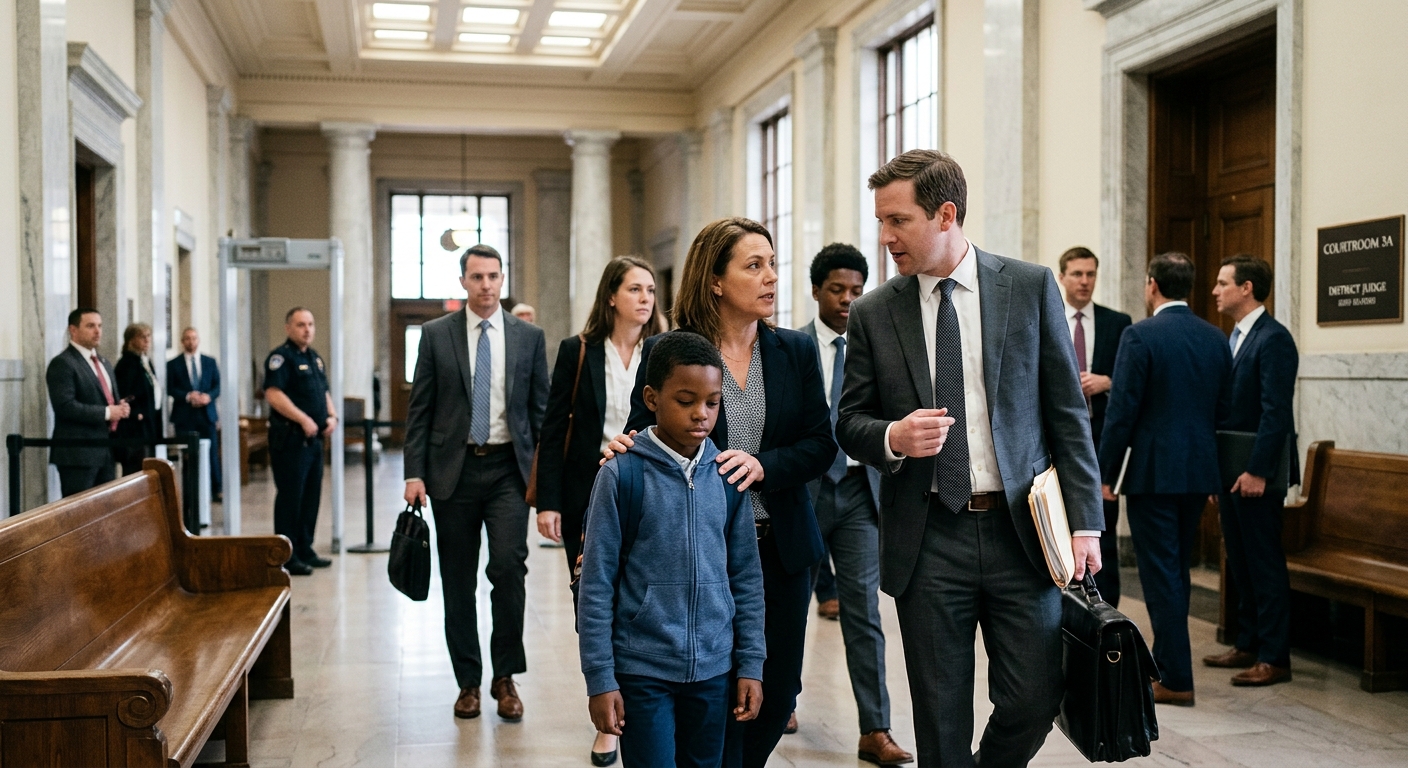
The welfare of vulnerable youth represents one of the most critical responsibilities of a functioning, just society. When children who have already endured the immense trauma of family separation enter state custody, the systems formally designated to protect and nurture them sometimes fall profoundly short of their mandate. This unsettling reality is currently at the absolute center of a mounting legal battle that exposes deep, systemic flaws in how state agencies manage adolescents with complex behavioral needs. Civil rights advocates firmly assert that older teenagers in the child welfare system are being unlawfully confined to institutional settings simply because they possess mental health diagnoses.
This landmark lawsuit, which has steadily gained significant momentum since its initial filing in 2021, highlights a pervasive and nationwide crisis in child welfare: the disproportionate, administrative reliance on restrictive congregate care facilities rather than community-based, family-centered support. Historically, children requiring intensive therapeutic intervention have frequently been sidelined, essentially hidden away in group homes rather than integrated into traditional, loving environments. As this pivotal legal challenge moves forward with newly granted class-action status, it promises to fundamentally disrupt an incredibly harmful status quo. By closely examining the intricate legal arguments, the stark statistical disparities across populations, and the proposed community-driven solutions, we can better understand the urgent, undeniable need to overhaul a child welfare system that too often leaves our most vulnerable youth behind.
The Psychological Toll of Congregate Care
Children and teenagers formally diagnosed with mental health impairments inherently require highly specialized care, consistent daily stability, and targeted therapeutic interventions. Unfortunately, the child welfare system’s default administrative mechanism for managing older adolescents with complex behavioral needs has frequently been rigid institutionalization. Instead of seamlessly integrating these young people into highly trained, therapeutic foster homes or providing their biological family members with the necessary in-home wrap-around services, child protection agencies too often default to placing them in massive group homes or residential treatment centers.
This widespread practice, frequently criticized by child psychologists, educators, and civil rights advocates as “warehousing,” actively strips young people of the fundamental normalcy and warmth of a family environment. In a standard congregate care setting, youths are effectively isolated from their local communities, peer groups, and neighborhood schools. They are subjected to a sterile environment governed strictly by rotating shift workers and institutional rules, rather than experiencing the consistent, loving presence of a dedicated caregiver. While secure psychiatric facilities may sometimes be medically necessary for brief, acute stabilization, they are widely condemned by child development experts when utilized as long-term residential placements.
For adolescents who are already actively grappling with the immense psychological trauma of displacement, abuse, and family separation, being locked away in an institution can severely exacerbate their existing mental health challenges. The lack of personalized parental attention and the highly regimented nature of these facilities frequently lead to a destructive cycle of behavioral escalation, punitive physical restraints, and profound emotional isolation that delays true healing.
The Legal Foundations: Why Advocates Are Suing
The comprehensive lawsuit, vigorously driven by a formidable coalition of civil rights organizations and legal experts, raises profound constitutional and statutory questions regarding a state’s fiduciary duty to its wards. At the absolute core of this complex litigation is the bold assertion that the state government is systematically violating the civil rights of these teenagers by categorically denying them the fundamental opportunity to live in the least restrictive environment possible.
The plaintiffs’ robust legal strategy is distinctly multifaceted, heavily relying on several critical areas of established civil law:
- Constitutional Due Process: The primary allegation strongly asserts that the state’s actions egregiously violate the substantive due process rights implicitly guaranteed by the Fourteenth Amendment. By exposing these adolescents to unnecessary psychological harm and excessively restricting their personal physical liberty without adequate medical justification, the state fails its basic constitutional mandate.
- Disability Discrimination: The expansive lawsuit argues that these youths are being unlawfully segregated and entirely denied the benefits of community-based public programs strictly because of their documented mental health disabilities. This systemic segregation presents a severe potential violation of both the Americans with Disabilities Act (ADA) and Section 504 of the Rehabilitation Act.
- Deficient Case Planning: Under sweeping federal statutes, including the Adoption Assistance and Child Welfare Act, state agencies are legally mandated to implement effective, timely, and highly individualized case plans for every single child in their custody. Advocates argue that the state consistently fails to provide customized roadmaps that actively prioritize family reunification or community integration.
- Denial of Legal Counsel: Another paramount issue highlighted prominently in the litigation is the widespread denial of adequate, independent legal counsel for these adolescents during critical dependency proceedings, effectively leaving them completely voiceless in the courtroom when their futures are decided.
A Statistical Disparity: Institutionalization in State Custody
While the administrative over-reliance on institutional care is undeniably a nationwide child welfare issue, rigorous data analysis strongly suggests the problem is particularly acute and deeply systemic in certain state jurisdictions. The formal legal complaint underscores a stark, practically indefensible disparity between specific state practices and broader, established national averages.
Recent expert analyses, heavily cited in the legal briefings, have demonstrated that a disproportionately massive percentage of older foster children are routinely funneled into congregate care rather than single-family homes. These alarming figures form the empirical backbone of the civil rights advocates’ argument, vividly illustrating a systemic administrative default to institutionalization rather than viewing group homes as a rare exception utilized exclusively for the most severe, acute medical needs.
| Demographic Group | National Average (Congregate Care) | Lawsuit State Average |
|---|---|---|
| All Foster Youth (Ages 14-17) | Approximately 31% | Approximately 70% |
| Foster Youth with Mental Impairments | Approximately 40% | Over 90% |
When carefully analyzing the specific subset of adolescents who have documented mental health diagnoses, the official statistics become vastly more alarming. The hard data clearly indicates that the mere presence of a mental health impairment almost guarantees an institutional placement for these teens, completely bypassing any meaningful opportunity for community integration or normalized social development.
The Long-Term Consequences of Warehousing Youth
The overarching, long-term socioeconomic and psychological consequences of unnecessarily placing older adolescents in rigid group facilities are well-documented and deeply troubling for society at large. When teenagers are abruptly removed from family-like settings, they permanently lose the critical opportunity to form lasting, supportive, and organic relationships with adult caregivers. This vital emotional scaffolding is an absolutely essential component for transitioning successfully into independent adulthood.
- Severe Educational Disruption: Institutional placements frequently mandate that youths change school districts or attend sub-par, unaccredited on-grounds facility schools. This drastically interrupts their academic progress, severs ties with supportive educators, and thoroughly derails their path to high school graduation.
- Heightened Risk of Homelessness: Without a permanent, supportive family structure to rely on after officially “aging out” of the child welfare system at the age of 18, a massive percentage of these young adults face immediate and chronic homelessness on the streets.
- The School-to-Prison Pipeline: The harsh, highly punitive environments inherent in many congregate facilities can easily criminalize entirely normal adolescent behavior. Minor infractions that would ordinarily be handled with a stern conversation in a family home often result in immediate law enforcement intervention in a facility, leading to a much higher likelihood of juvenile justice involvement.
By systematically depriving these deeply vulnerable youths of community-based therapeutic services, the state inadvertently sets them on a treacherous, entirely preventable path toward lifelong socioeconomic instability, actively compounding the exact mental health conditions the system was originally designed to treat and cure.
The Turning Point: Achieving Class-Action Status
A pivotal and legally significant moment in this ongoing courtroom battle occurred when a federal judge officially approved class-action status for the monumental lawsuit. This critical, game-changing ruling means the sweeping litigation is no longer confined merely to the specific individual teenagers who were initially named as plaintiffs in the original complaint. Instead, the powerful lawsuit now fully encompasses an entire class of children—specifically those ages 14 through 17 who are currently in state custody, possess a medically recognized mental impairment, and are at a serious, documented risk of being unnecessarily placed in a restrictive group care setting.
This procedural certification represents a monumental victory for child welfare advocates across the nation. The federal court essentially acknowledged that the severe grievances explicitly outlined in the comprehensive lawsuit are not isolated, anecdotal incidents but rather represent a fundamental, structural flaw affecting a broad and highly vulnerable demographic. Moving the extensive litigation forward as a unified class action allows for the distinct possibility of sweeping, mandatory court-ordered reforms across the state’s entire child welfare apparatus, successfully circumventing the inherent limitations of piece-meal, individual settlements that traditionally only benefit a handful of plaintiffs.
Charting a Path Forward: Community-Based Solutions
The ultimate, driving goal of this complex, multi-year litigation is not merely to secure a favorable financial verdict in a federal courtroom, but to fundamentally and permanently transform how the state cares for its most vulnerable adolescents. Legal advocates are aggressively pushing for a complete paradigm shift—moving completely away from a punitive model of institutional control toward a nurturing philosophy of community empowerment and familial support.
To definitively achieve meaningful, lasting reform, child welfare agencies must actively and financially commit to the following core tenets:
- Developing Therapeutic Foster Homes: The state must invest heavily in aggressively recruiting, adequately financially supporting, and extensively training specialized foster parents who are specifically equipped and educated to manage teenagers with complex trauma and acute emotional needs.
- Expanding Wrap-Around Services: It is absolutely imperative to ensure that youths placed with biological relatives or traditional foster families have immediate, unfettered access to in-home behavioral therapy, 24/7 mobile crisis intervention, and specialized psychiatric care.
- Mandating Individualized Case Planning: Every single adolescent in custody must receive a meticulously tailored, highly comprehensive care plan that actively and continuously pursues the least restrictive living arrangement mathematically possible.
If successfully implemented and strictly monitored, these community-focused, evidence-based reforms could easily serve as a vital blueprint for dozens of other states currently grappling with similar institutional crises within their own bloated child welfare systems.
Frequently Asked Questions (FAQ)
Q: What exactly does “congregate care” mean in the child welfare system?
A: Congregate care refers to group homes, large residential treatment centers, and other institutional facilities where multiple foster children live together under the direct supervision of rotating shift staff, as opposed to living in a traditional, single-family home environment with a consistent parental figure.
Q: Why are teenagers with mental health issues disproportionately institutionalized?
A: Child welfare agencies frequently cite a severe, chronic shortage of available, highly trained foster families capable of managing complex behavioral and psychological needs. However, legal advocates strongly argue this is merely a symptom of a broader systemic failure to adequately fund, develop, and support community-based therapeutic resources.
Q: What are the primary dangers of a youth “aging out” of foster care?
A: “Aging out” occurs when a young person reaches the legal age of adulthood and abruptly leaves state custody without having been permanently reunited with their biological family or adopted. Without a permanent family safety net, these young adults face exponentially higher risks for chronic homelessness, severe unemployment, and lack of healthcare access.
Q: How exactly does the Americans with Disabilities Act (ADA) apply to foster children?
A: The ADA, particularly interpreted through the Olmstead integration mandate, strictly requires that public entities provide necessary services to individuals with disabilities in the most integrated, least restrictive setting appropriate to their needs, effectively prohibiting unnecessary and harmful institutionalization.
Q: Can class-action lawsuits actually force tangible state policy changes?
A: Yes. Historically, massive class-action civil rights lawsuits have proven to be one of the most effective, undeniable legal mechanisms for forcing state governments to completely overhaul underperforming, unconstitutional child welfare systems, almost always resulting in long-term, strictly court-monitored improvement plans.
References
- G.K. v. Sununu — Children’s Rights. 2024-09-19. https://www.childrensrights.org/in-the-courts/nh-gk-v-sununu/
- B.D. v. Governor, State of, et al.* — Disability Rights Center – NH. 2024-09-18. https://drcnh.org/issue-areas/childrens-issues/b-d-v-sununu/
- New Hampshire class action approved for foster teens with mental health disabilities — The Associated Press. 2024-09-19. https://apnews.com/article/new-hampshire-foster-care-lawsuit-d0e80a006c04f44bd13a1a3641b49f99
- Lawsuit Against Illegal Institutionalization of Older Youth in DCYF Custody Moves Forward as Class Action — Children’s Rights. 2024-09-18. https://www.childrensrights.org/lawsuit-against-illegal-institutionalization-of-older-youth-in-dcyf-custody-moves-forward-as-class-action/
- Bill Text: NH SB417 — LegiScan. 2024-05-15. https://legiscan.com/NH/text/SB417/2024
Similar Articles








Read full bio of Sneha Tete


