
Reforming the Kansas Foster Care System: Analyzing the McIntyre Settlement
An in-depth examination of systemic changes, legal mandates, and the long road ahead for child welfare in Kansas.
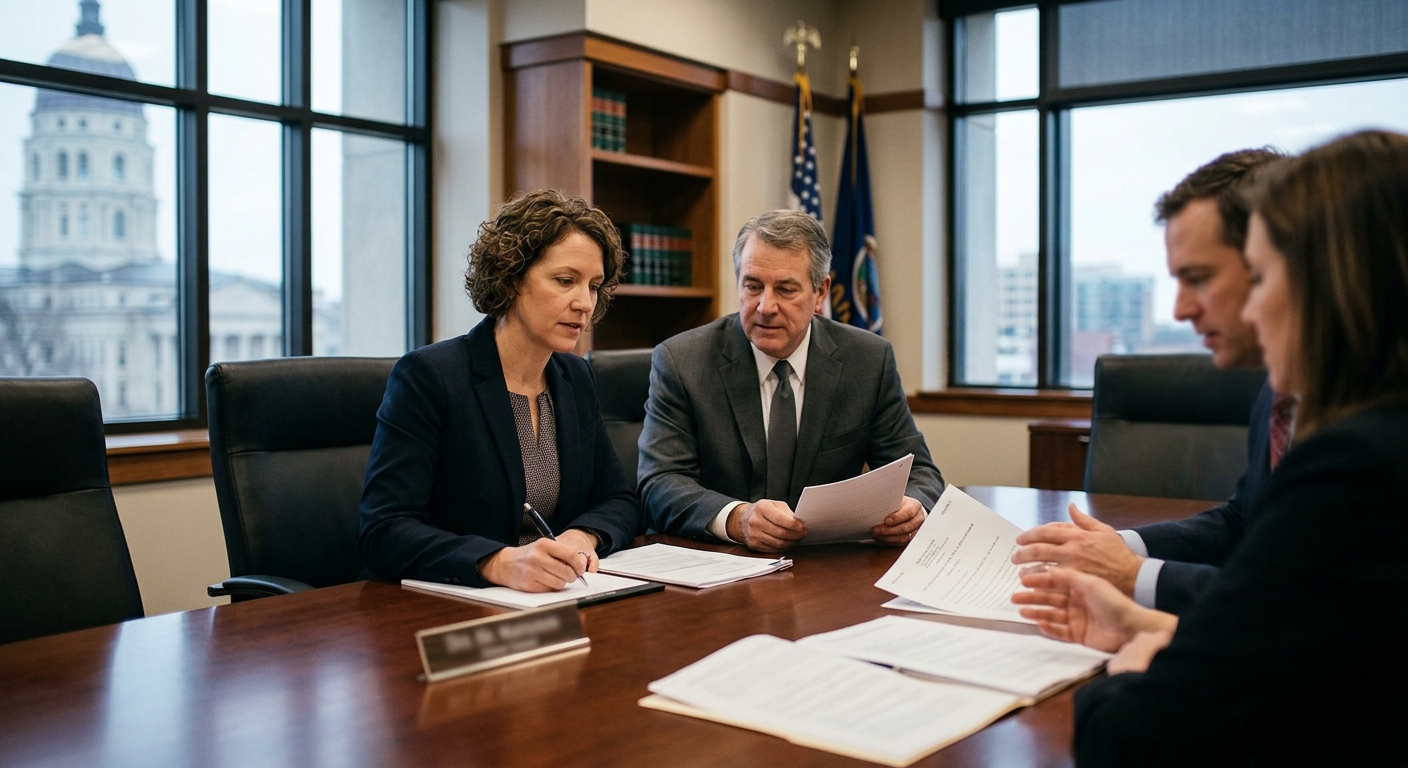
The fundamental promise of a child welfare system is to provide safety, stability, and care for vulnerable youth when their own homes are no longer safe. However, for years, the foster care system in the state of Kansas struggled to uphold this fundamental duty. Driven by systemic inefficiencies, overwhelming caseloads, and a lack of resources, the state faced a crisis that left children bouncing between placements and deprived of essential mental health care. The culmination of this crisis resulted in the landmark federal class-action lawsuit, McIntyre v. Howard, which ultimately yielded a comprehensive settlement agreement designed to overhaul the state’s approach to child welfare.
This article provides an in-depth analysis of the conditions that necessitated the lawsuit, the structural mandates born from the court-approved settlement, the progress achieved thus far, and the persistent hurdles that continue to challenge Kansas’s child welfare agencies today. By examining the intricacies of this legal turning point, we gain a clearer understanding of the complexities involved in reforming a deeply entrenched and highly privatized foster care network.
The Historical Context: A System in Crisis
To fully grasp the significance of the federal settlement, one must first understand the unique operational landscape of the Kansas foster care system. In the late 1990s, Kansas became the first state in the nation to fully privatize its child welfare services. The state government transitioned to an oversight role while contracting the day-to-day case management and placement operations to private, non-profit organizations known as Case Management Providers (CMPs).
While privatization was initially touted as a method to increase efficiency and innovation, it eventually led to severe fragmentation. Over the ensuing decades, state oversight waned, funding fluctuated, and the demands on the system outpaced capacity. By the late 2010s, the system was characterized by catastrophic placement instability. Children were subjected to “night-to-night” placements, meaning they were moved to a different foster home every single evening, and in some of the most egregious instances, youth were forced to sleep in the office buildings of the private contractors due to a stark lack of available beds.
Furthermore, youth entering the system with severe trauma and complex behavioral needs were routinely denied timely access to therapeutic interventions. The failure to provide mental health services not only violated their basic rights but actively contributed to their placement instability. Without proper psychiatric support, behavioral issues escalated, leading to burned-out foster parents and subsequent placement disruptions. This vicious cycle prompted advocates to seek judicial intervention.
The Origins of McIntyre v. Howard
In November 2018, a coalition of child advocacy organizations, including the National Center for Youth Law, Children’s Rights, and Kansas Appleseed, filed a federal class-action lawsuit in the U.S. District Court of Kansas. The lawsuit, M.B. ex rel. McIntyre v. Howard, named the heads of the Kansas Department for Children and Families (DCF), the Kansas Department for Aging and Disability Services (KDADS), and the Kansas Department of Health and Environment (KDHE) as defendants.
The plaintiffs’ core legal arguments rested on the Fourteenth Amendment of the U.S. Constitution. The lawsuit alleged that the state of Kansas was violating the substantive due process rights of the children in its custody. Once a state assumes wardship of a child, it is constitutionally obligated to keep that child free from harm and to provide for their basic needs, including adequate medical and mental health care. The complaint meticulously documented how the extreme housing instability and systemic denial of behavioral health services rendered children “effectively homeless” while legally in state custody.
Rather than engaging in a protracted, adversarial trial that could drag on for years, the state and the plaintiffs eventually entered into negotiations. In July 2020, the parties reached an agreement in principle. In January 2021, a federal judge formally approved the comprehensive settlement agreement, transitioning the state from a posture of legal defense to one of court-mandated reform.
Key Mandates of the Landmark Settlement
The McIntyre v. Howard settlement is not a financial payout to the plaintiffs; it is a legally binding blueprint for systemic structural reform. The agreement delineates strict Performance Goals, Practice Improvements, and Outcomes that the state must achieve to exit court oversight. The mandates are broadly categorized into three vital areas of child welfare operations:
- Placement Stability Requirements: The state must drastically reduce the rate of placement moves. The agreement sets specific numerical targets for the percentage of children who experience one or fewer moves within a 12-month period, prioritizing keeping children in long-term, stable environments.
- Mental and Behavioral Health Access: The settlement requires the implementation of prompt, trauma-informed screenings for all youth entering custody. Furthermore, it mandates strict timelines for the initiation of necessary therapeutic services, ensuring that no child languishes without critical psychological support.
- Caseload and Workforce Limits: Recognizing that overwhelmed social workers cannot adequately protect children, the agreement enforces strict caps on the number of cases a single caseworker can handle. This structural change is designed to improve the quality of supervision and prevent vulnerable youth from slipping through the cracks.
- Independent Oversight and Data Transparency: The settlement requires the state to overhaul its data collection infrastructure and report its metrics to a court-appointed “Neutral” monitor, guaranteeing objective evaluation of the state’s progress.
Summary of Performance Goals
| Focus Area | Settlement Mandate | Operational Objective |
|---|---|---|
| Caseload Limits | Strict numerical caps on assigned cases per social worker. | Prevent burnout, enhance the quality of individual care, and ensure adequate supervision of foster placements. |
| Placement Stability | Minimize the frequency of home or facility transitions. | Reduce psychological trauma, facilitate educational continuity, and build lasting community connections. |
| Mental Health | Timely behavioral screenings and rapid service deployment. | Address underlying trauma immediately to stabilize behaviors and prevent subsequent placement disruptions. |
| Kinship Care | Prioritize initial placements with relatives over strangers. | Maintain familial bonds and cultural ties, which is proven to result in better long-term psychological outcomes. |
Independent Monitoring and Accountability
A central pillar of the settlement’s enforcement is the appointment of an independent third party, known as the “Neutral,” to validate the state’s data and assess compliance. The Center for the Study of Social Policy (CSSP) was selected to fulfill this critical role. The Neutral is responsible for reviewing the state’s administrative records, interviewing stakeholders, and publishing comprehensive annual reports detailing Kansas’s progress—or lack thereof.
During the initial phases of the settlement implementation, the monitoring process revealed significant deficiencies in the state’s technological infrastructure. The lack of a unified, statewide data system severely impeded Kansas’s ability to accurately track caseloads and evaluate placement trajectories. This initial failure highlighted a crucial reality: effective reform is impossible without reliable data. Consequently, upgrading informational tracking systems became an urgent, foundational step in satisfying the settlement terms.
Evaluating Progress: Emerging Bright Spots
Years into the execution of the settlement agreement, progress has been arduous but visible. Based on recent legislative testimonies and progress reports spanning calendar years 2023 and 2024, the state has managed to achieve tangible improvements in specific operational sectors.
One of the most significant triumphs has been the increase in relative and kinship placements. State officials have reported that over half of all initial foster care placements are now with relatives. This shift represents a monumental improvement in trauma mitigation. When children are removed from their biological parents but can remain with a grandmother, aunt, or older sibling, the psychological shock of the intervention is substantially cushioned.
Additionally, the Kansas Department for Children and Families has successfully bolstered its prevention services. By investing resources in family preservation programs—which provide struggling families with financial, educational, and psychological support before abuse or neglect occurs—the state has managed to reduce the overall rate of children entering the foster care system. Keeping families safely together is the ultimate goal of any child welfare agency, and these preventative victories represent a vital step forward.
Persistent Hurdles and the “Crisis Cohort”
Despite these notable achievements, independent monitor reports continue to expose grave, ongoing violations of the settlement’s core requirements. The state remains non-compliant in several critical areas, putting the lives of its most vulnerable wards at risk.
Caseload violations remain a glaring, systemic failure. High turnover rates among social workers, driven by low pay and high-stress environments, have created a perpetual staffing crisis for the private Case Management Providers. Independent reports have documented that some major state contractors assign nearly half of the children in their care to caseworkers juggling upwards of 30 cases. This level of overburden makes proactive, individualized case management nearly impossible, leaving children vulnerable to prolonged neglect within the system.
Furthermore, advocates point to a persistent “crisis cohort” of youth—typically older teenagers with profound behavioral and mental health needs—who continue to experience extreme placement instability. This demographic frequently falls through the cracks of the state’s mental health infrastructure. Because psychiatric residential treatment facilities (PRTFs) often lack capacity, these youths are subjected to constant displacement, moving between emergency shelters, short-term foster homes, and sometimes juvenile detention centers. The failure to provide appropriate, long-term therapeutic environments for this specific cohort remains one of the most pressing challenges facing the Kansas child welfare system today.
The Path Forward for Kansas Youth
The McIntyre v. Howard settlement agreement was never intended to be a magical panacea; rather, it is an essential legal framework meant to force systemic accountability. The true measure of its success will not be found in the signing of the document, but in the sustained, year-over-year commitment to funding, oversight, and community support.
Moving forward, the Kansas legislature must ensure that the Department for Children and Families and its partner agencies are adequately funded to build robust, community-based mental health resources. Simultaneously, the state must address the root causes of the child welfare workforce shortage. Reforming caseworker compensation, reducing administrative burdens, and providing comprehensive psychological support for state employees are mandatory steps to reducing turnover and stabilizing caseloads.
Ultimately, the burden of reform rests on the shoulders of state lawmakers, executive agencies, and the private contractors entrusted with these children’s lives. Through continued independent oversight and unyielding public advocacy, Kansas can transform its child welfare system from one characterized by instability and neglect into one that genuinely fosters healing and hope.
Frequently Asked Questions (FAQs)
What exactly is the McIntyre v. Howard lawsuit?
McIntyre v. Howard is a federal class-action lawsuit filed in 2018 against the state of Kansas on behalf of children in the state’s foster care system. The lawsuit alleged that systemic failures—specifically severe placement instability and the denial of mental health services—violated the constitutional rights of the children in state custody.
Who is responsible for ensuring the state complies with the settlement?
The federal court appointed an independent third party, known as the “Neutral,” to monitor the state’s progress. The Center for the Study of Social Policy (CSSP) currently serves in this role, reviewing state data and publishing annual public reports detailing whether Kansas is meeting its legally mandated performance goals.
Have things improved for foster children in Kansas since the settlement?
Progress is mixed. State officials have successfully increased the rate of children placed with relatives and expanded preventative services to keep families together. However, critical issues persist, particularly regarding extreme caseloads for social workers and ongoing placement instability for youth with severe mental health needs.
Why is placement stability so important for foster youth?
Frequent moves between foster homes or facilities compound the trauma of being separated from biological parents. It disrupts a child’s education, prevents them from forming secure attachments with caregivers, severs ties with friends and mentors, and often exacerbates underlying behavioral and emotional challenges.
References
- Neutral’s Annual McIntyre v. Howard Progress Report – January 1 – December 31, 2024 — Center for the Study of Social Policy. 2024-12-17. https://cssp.org/
- DCF Legislative Testimony — Kansas Department for Children and Families. 2024-11-13. https://www.dcf.ks.gov/
- McIntyre v. Howard Case Overview and Reports — National Center for Youth Law. 2023-08-14. https://youthlaw.org/
Similar Articles








Read full bio of Sneha Tete


