
The Invisible Crisis: Navigating the Child Welfare System with Autism
Navigating the intersection of autism and the foster care system reveals a systemic failure that demands comprehensive policy reform.
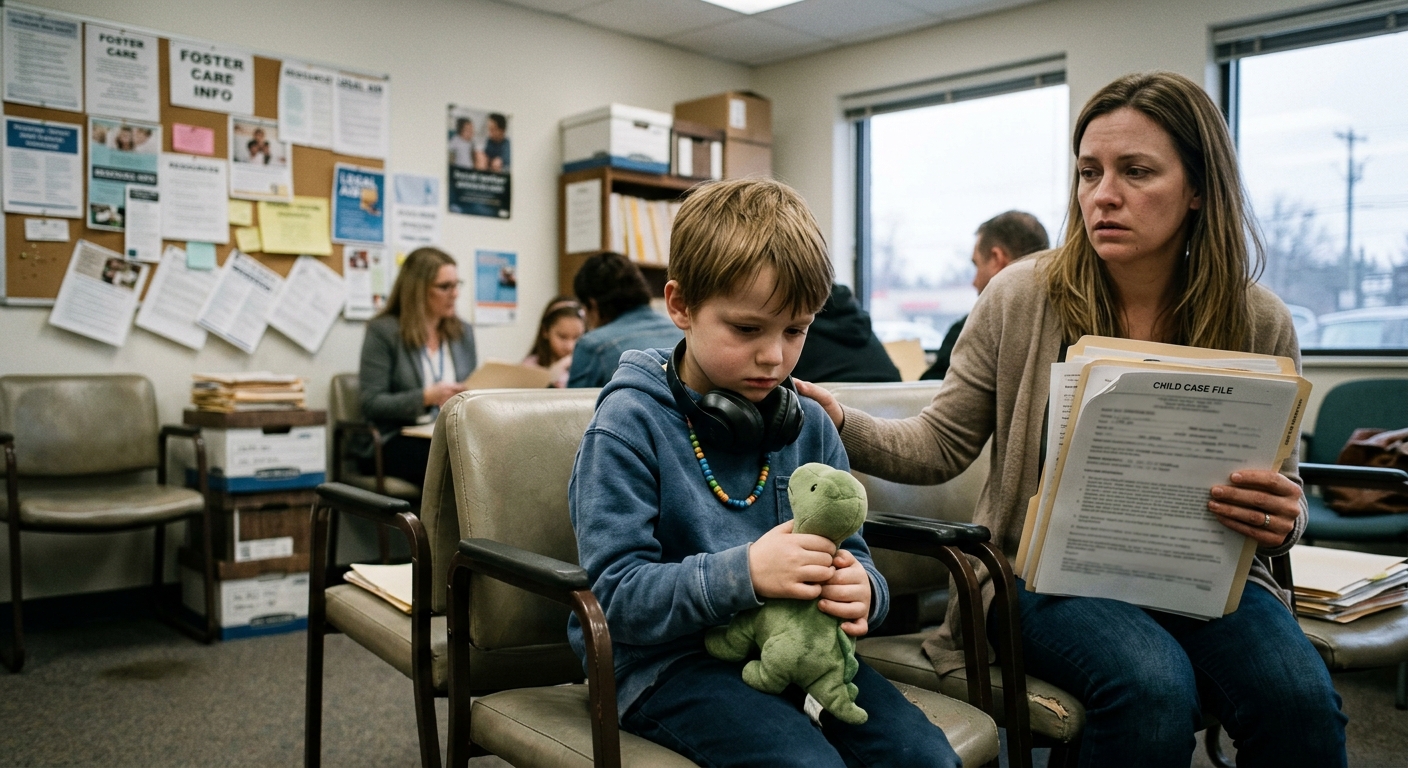
The Intersection of Neurodivergence and Child Welfare
Every year, hundreds of thousands of youth navigate the complexities of the foster care system in the United States. However, a hidden demographic remains disproportionately impacted and routinely misunderstood: children diagnosed with Autism Spectrum Disorder (ASD). The current child welfare infrastructure, designed primarily to provide temporary shelter and safety in family crises, is structurally ill-equipped to meet the intricate developmental, behavioral, and sensory needs of neurodivergent youth. Consequently, the system frequently becomes an engine of secondary trauma rather than a sanctuary of healing and protection.
To fully grasp the magnitude of this crisis, we must examine the specific mechanisms by which the child welfare system fails these vulnerable children. From the initial point of entry to the devastating cycle of placement instability and the over-reliance on institutional care, autistic youth face systemic barriers that neurotypical children do not. Addressing this crisis requires a rigorous reevaluation of how state agencies perceive and accommodate neurodiversity.
The Pipeline to State Custody
Autistic children enter the child welfare system at significantly higher rates than their neurotypical peers. Recent demographic analyses of Medicaid claims data and child welfare records indicate a steadily growing cohort of at-risk youth with intellectual and developmental disabilities, particularly autism, becoming involved in the foster care system. The pipeline into state custody for these youths is incredibly complex, often driven by structural inequities, poverty, and healthcare gaps rather than malicious parental intent.
In many instances, biological families face immense challenges accessing community-based behavioral health services, respite care, or specialized educational programs. Overwhelmed and under-resourced, families can reach a crisis point. Furthermore, mandated reporters or child protection caseworkers lacking explicit training in neurodiversity may misinterpret the manifestations of autism. Behaviors such as sensory meltdowns, limited eye contact, unusual communication styles, or restrictive eating habits are frequently conflated with symptoms of parental neglect or abuse. In the most dire scenarios, families are forced into the heartbreaking position of voluntarily relinquishing custody to the state simply to access intensive behavioral health or disability services that they cannot afford out of pocket.
The Devastating Impact of Placement Instability
For individuals on the autism spectrum, predictability, routine, and environmental consistency are not merely preferences; they are essential mechanisms for self-regulation, learning, and psychological safety. Autistic individuals process sensory information and environmental transitions differently than neurotypical individuals, making sudden changes highly distressing.
The Tragic Reality of the Bouncing Game
Unfortunately, placement instability is a hallmark of the modern foster care experience. Because traditional foster families rarely receive targeted training in neurodivergent care, they often feel entirely unequipped to handle complex behavioral presentations, non-speaking communication methods, or intensive, daily therapy schedules. As a result, foster parents frequently request the removal of an autistic child from their home, triggering a cascading cycle of placement disruptions.
Each transition strips the child of established routines, trusted caregivers, familiar educational settings, and local therapeutic providers. This systemic “bouncing” profoundly traumatizes the child, often leading to a regression in life skills, a loss of communication abilities, and an escalation in coping behaviors that the system broadly deems “challenging.” The child is then labeled as “hard to place,” a bureaucratic designation that unfairly shifts the blame from a poorly resourced public system onto the vulnerable youth.
The Institutionalization Trap: Over-Reliance on Congregate Care
When family-based foster care placements fail or are deemed insufficient, child welfare agencies routinely pivot to congregate care settings. These include group homes, residential treatment centers, and institutional facilities. While the stated goal is to provide a higher level of supervision and clinical intervention, congregate care environments are frequently detrimental to the well-being and development of autistic children.
Sensory Overload and De-Individualization
Group facilities are inherently chaotic. High staff turnover, rigid institutional rules, loud communal environments, and crowded living spaces create a perpetual state of sensory overload for neurodivergent youth. Furthermore, institutional care historically relies on compliance-based management rather than trauma-informed, individualized developmental support.
When an autistic child reacts to sensory overstimulation or environmental stress in a group facility, the institutional response is far too often punitive rather than comforting. Physical restraint, isolation, and over-medication are utilized as mechanisms of behavioral control. Research indicates significant state-by-state variation in the use of psychotropic medications among foster children with autism, strongly suggesting that medications are sometimes prescribed to manage behaviors born out of environmental distress and systemic inadequacy rather than underlying psychiatric necessity.
A Systemic Deficit in Specialized Services and Healthcare
The transition into foster care is supposed to connect vulnerable children with necessary developmental and medical interventions. For autistic youth, however, state custody often creates bureaucratic labyrinths that hinder access to specialized care.
Interruptions in Crucial Therapies
Evidence-based interventions for autism, which can include targeted behavioral approaches, developmental therapies, occupational therapy, and speech-language pathology, require rigorous consistency to be effective. The transient nature of foster care placements brutally interrupts these critical interventions. When a child is suddenly moved to a new county or a different school district, they must often join new, lengthy waitlists for specialized medical providers and therapists, effectively losing months or even years of vital developmental progress.
The Caseworker Knowledge Gap
Caseworkers carry notoriously high caseloads and face grueling administrative burdens. Rare is the caseworker who has received dedicated, evidence-based training in the nuances of the autism spectrum. This critical knowledge gap means that foster care case plans routinely overlook the specific accommodations an autistic child requires to thrive. The development of Individualized Education Programs (IEPs) may be delayed, and necessary medical equipment—such as sensory regulation tools or augmentative and alternative communication (AAC) devices—may be left behind or lost during sudden, unplanned placement changes.
Examining the Disparities: Neurodiversity in Child Welfare
To fully understand the scope of the issue, we must look at how systemic deficits manifest across different domains of care. The following table highlights the contrasting experiences and compounded impacts on neurotypical versus neurodivergent youth within the child welfare framework.
| Systemic Factor | Impact on Neurotypical Youth | Compounded Impact on Autistic Youth |
|---|---|---|
| Placement Disruptions | Causes emotional distress, disrupted schooling, and delayed permanency. | Triggers extreme sensory dysregulation, severe skill regression, and complete loss of critical therapeutic providers. |
| Environmental Changes | Requires adjustment to new household rules, expectations, and family dynamics. | Results in the traumatic loss of highly specific routines, vital dietary accommodations, and necessary safe sensory spaces. |
| Behavioral Expression of Trauma | Trauma often manifests as withdrawal, acting out, or general academic decline. | Trauma manifests as intense sensory meltdowns, self-injurious behavior, or total loss of speech, which is frequently mislabeled as malicious aggression. |
| Primary Care Settings | Higher likelihood of remaining in standard, family-based foster homes. | Disproportionate funneling into highly restrictive congregate care or institutional group facilities. |
A Blueprint for Reform: Building an Inclusive Child Welfare Framework
The persistent failure to support and protect autistic youth in foster care is not an intractable, unavoidable reality. Rather, addressing it requires intentional policy shifts, targeted federal and state funding, and a deep cultural transformation within child welfare agencies nationwide.
1. Proactive Family Preservation
The most effective way to protect autistic children in the foster care system is to prevent their entry into it whenever safely possible. Child welfare agencies must pivot from a reactive, punitive model to a proactive, supportive one, establishing robust community-based services that empower biological families. Providing subsidized respite care, parent-directed behavioral training, and easily accessible in-home therapies can mitigate the severe caregiver burnout that often precipitates child welfare involvement. By funding preventative infrastructure, states can avoid the astronomical financial and human costs associated with long-term foster care.
2. Mandatory Neurodiversity Training
Every professional touchpoint in the child welfare continuum—including abuse investigators, caseworkers, foster parents, guardians ad litem, and family court judges—must undergo comprehensive, ongoing training on neurodiversity. This training should be developed in direct collaboration with autistic adults and specialized clinical professionals to ensure total accuracy, respect, and empathy. Understanding the profound difference between a trauma response, an autistic sensory meltdown, and intentional behavioral defiance is absolutely crucial for making informed placement and disciplinary decisions.
3. Expansion of Therapeutic Foster Care (TFC)
To effectively reduce the systemic reliance on harmful congregate care settings, child welfare systems must aggressively expand and fund Therapeutic Foster Care (TFC) networks. TFC involves recruiting and intensely training specialized foster families who are well-compensated and structurally supported to care for youths with complex medical, behavioral, or developmental needs. These dedicated families are provided with 24/7 crisis intervention support, ongoing clinical education, and wraparound services, allowing an autistic child to remain in a loving, community-based family setting rather than an isolated institution.
4. Expediting Specialized Services
Child welfare systems must drastically streamline the bureaucratic processes required to approve and maintain medical and therapeutic services. Autistic youth entering state custody should receive expedited, comprehensive developmental evaluations and immediate continuity of care for existing educational and therapeutic regimens. Cross-agency collaboration between child welfare departments, Medicaid offices, and local school districts is essential to ensure that a child’s specialized support network travels with them, regardless of their zip code.
Conclusion
The foster care system is tasked with a profound societal responsibility: to serve as the ultimate safety net for children in absolute crisis. Yet, for youth on the autism spectrum, this net is currently riddled with gaping holes. The widespread systemic lack of understanding, the severe trauma of chronic placement instability, and the dangerous over-reliance on institutional care create an environment where neurodivergent children are not just overlooked—they are actively harmed. Transforming this grim reality requires more than just minor administrative tweaking; it demands a fundamental paradigm shift. We must collectively build a child welfare framework that recognizes neurodiversity not as an unmanageable burden, but as a human variation inherently deserving of specialized, compassionate, and unwavering support.
Frequently Asked Questions (FAQ)
Why are autistic children overrepresented in the foster care system?
Autistic youth enter the foster care system at disproportionate rates due to a complex combination of systemic failures. Families often lack access to affordable, specialized support services, leading to severe, unmitigated caregiver burnout. Additionally, a systemic misunderstanding of autism can lead mandated reporters to incorrectly interpret autistic behaviors—such as sensory avoidance or restricted diets—as signs of abuse or neglect. In some tragic cases, parents must relinquish custody to the state simply to access residential or behavioral services for their children.
How does placement instability uniquely affect an autistic child?
While moving between foster homes is undeniably difficult for any child, it is particularly devastating for autistic youth. These children rely heavily on routine, strict predictability, and familiar sensory environments for emotional and psychological regulation. Frequent moves abruptly disrupt critical behavioral therapies, sever bonds with specialized educators, and often lead to severe developmental regression, loss of acquired skills, and heavily heightened anxiety.
What is congregate care, and why is it problematic for neurodivergent youth?
Congregate care refers to shared living environments such as group homes, institutions, or residential treatment facilities. These settings are typically chaotic, loud, and rigidly structured, leading to extreme and constant sensory overload for autistic children. The lack of individualized, one-on-one attention and the frequent use of punitive behavioral management techniques in these facilities can significantly worsen an autistic child’s mental health, leading to greater trauma.
What is Therapeutic Foster Care (TFC)?
Therapeutic Foster Care is a specialized child welfare model where foster parents receive extensive, ongoing clinical training to care for children with complex developmental, medical, or psychological needs. TFC parents receive higher financial compensation, 24/7 crisis support, and direct access to wraparound therapeutic services. This evidence-based model allows autistic children to receive high-level care within a supportive, individualized family environment rather than an institutional setting.
How can the child welfare system better support autistic youth moving forward?
Meaningful reforms must include mandatory, comprehensive neurodiversity and trauma training for all child welfare professionals, legal advocates, and foster parents. Systems must prioritize family preservation by providing direct financial and therapeutic support to biological families. When removal from the home is strictly necessary, agencies should prioritize placement in well-supported Therapeutic Foster Care homes and ensure seamless, uninterrupted access to specialized medical, educational, and behavioral health services.
References
- Number of At-Risk Youth with Intellectual Disability and Autism in the U.S. Foster Care System is Growing — Drexel University. 2024-02-12. https://drexel.edu/news/archive/2024/february/youth-intellectual-disability-autism-foster-care-growing
- Prevalence and Characteristics of Children Entering Foster Care to Receive Behavioral Health or Disability Services — U.S. Department of Health and Human Services (HHS) ASPE. 2025-01-01. https://aspe.hhs.gov/reports/children-entering-foster-care-behavioral-health
- State Variation in Psychotropic Medication Use by Foster Care Children With Autism Spectrum Disorder — National Center for Biotechnology Information (NCBI). 2020. https://www.ncbi.nlm.nih.gov/pmc/articles/PMC7192806/
- Treatment and Intervention for Autism Spectrum Disorder — Centers for Disease Control and Prevention (CDC). 2024-05-16. https://www.cdc.gov/ncbddd/autism/treatment.html
Similar Articles








Read full bio of medha deb


