
Systemic Failures: The Crisis of Institutionalizing Disabled Youth in Foster Care
A deep dive into the legal battles and human rights issues surrounding the warehousing of disabled youth in state foster care systems.
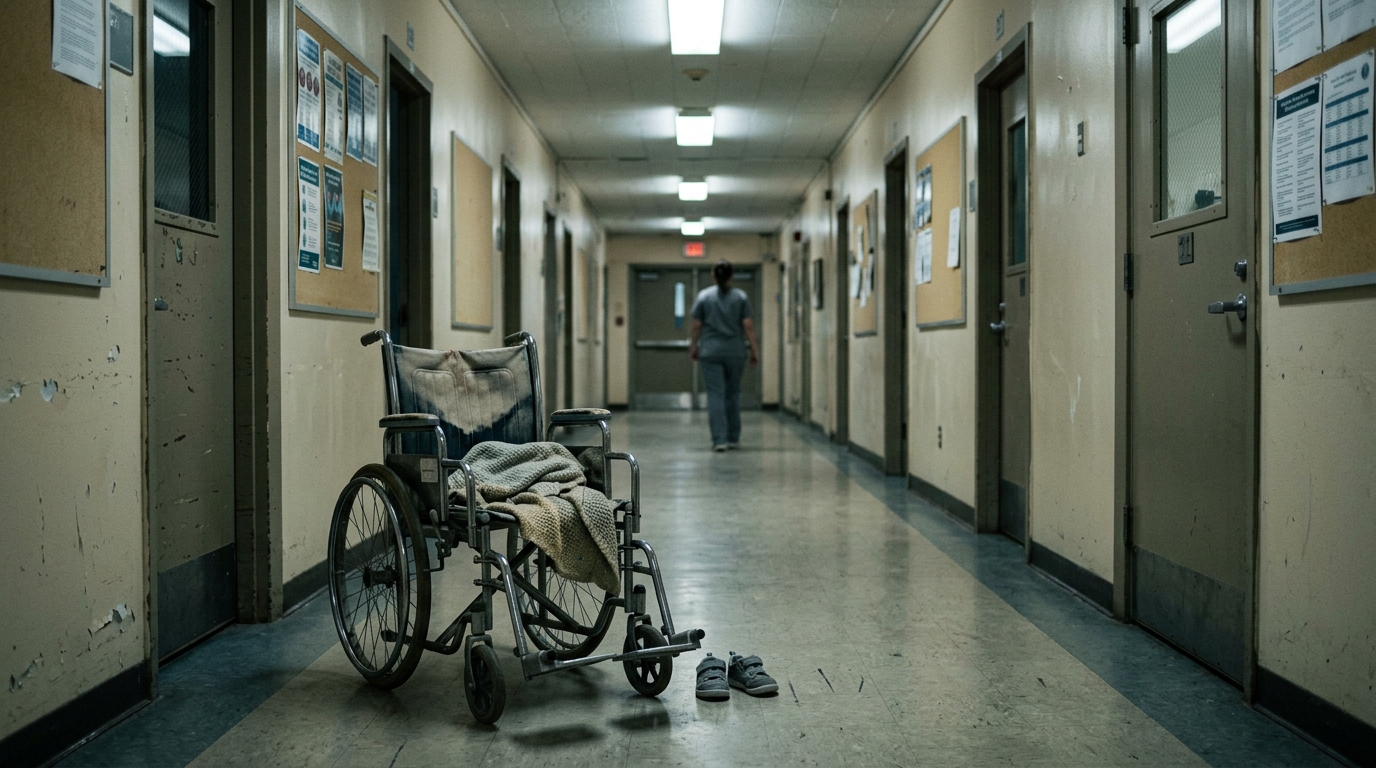
The fundamental promise of the foster care system is to provide a safe, nurturing, and stable environment for children who have experienced trauma, abuse, or neglect. However, for a highly vulnerable subset of this population—youth with physical, cognitive, and behavioral disabilities—that promise is frequently broken. Across the nation, state child welfare agencies face mounting scrutiny and legal action for a systemic practice often described as “warehousing.” Rather than placing these children in supportive, family-like settings, agencies frequently funnel them into restrictive, locked psychiatric institutions.
This practice is not merely a bureaucratic shortfall; it is a profound civil rights issue. The unnecessary institutionalization of youth with disabilities strips them of their fundamental rights to community integration, educational access, and emotional development. Through the lens of recent high-profile federal lawsuits, most notably against state health and human services departments, a disturbing picture emerges of a system that defaults to isolation rather than therapeutic support. This comprehensive analysis explores the mechanics of institutional warehousing, the legal frameworks designed to prevent it, the compounding issue of racial disparities, and the urgent need for community-based solutions.
Defining the Practice: What Does “Warehousing” Mean in Child Welfare?
In the context of foster care, “warehousing” refers to the chronic, unnecessary, and prolonged placement of children in institutional settings rather than integrated, community-based homes. The most common destinations for these children are Psychiatric Residential Treatment Facilities (PRTFs). These facilities are designed, in theory, to offer intensive, short-term stabilization for youth experiencing acute mental health crises. In practice, however, they often become long-term holding pens for children whose primary “issue” is a lack of available, appropriately trained foster families.
When states fail to recruit, train, and financially support foster parents capable of managing the complex needs of disabled youth, the system defaults to institutionalization. Children can languish in PRTFs for months or even years. These environments are highly restrictive, often mimicking the conditions of juvenile detention centers more closely than therapeutic sanctuaries. Doors are locked, personal autonomy is severely restricted, and interaction with the outside world—including the child’s own community and extended family—is heavily curtailed. The longer a child remains in such an environment, the harder it becomes to reintegrate them into a traditional home setting, creating a vicious cycle of institutional dependency.
The Legal Framework: The ADA and the Integration Mandate
The practice of defaulting to institutional care for disabled youth sits in direct conflict with established federal civil rights laws. The primary legal bulwark against this practice is the Americans with Disabilities Act (ADA) of 1990. Title II of the ADA explicitly prohibits state and local governments from discriminating against individuals on the basis of their disability in the provision of services, programs, and activities.
The defining legal interpretation of the ADA regarding institutionalization came in 1999 with the landmark United States Supreme Court decision in Olmstead v. L.C. The Supreme Court ruled that the unjustified segregation of persons with disabilities constitutes discrimination in violation of Title II of the ADA. The “integration mandate” established by Olmstead requires states to provide community-based treatment for persons with disabilities when three conditions are met:
- The state’s treatment professionals determine that community placement is appropriate.
- The affected individuals do not oppose the transfer from institutional care to a less restrictive setting.
- The placement can be reasonably accommodated, taking into account the resources available to the state and the needs of others with disabilities.
Advocates argue that state child welfare agencies routinely violate the Olmstead mandate by failing to develop adequate networks of therapeutic foster homes and community-based wraparound services. By maintaining a system where a PRTF is the only viable placement option for a child with behavioral health needs, states are effectively forcing unnecessary segregation, violating the civil rights of the children they are legally mandated to protect.
Inside the Facilities: Trauma Substituted for Treatment
The lived experiences of children housed in Psychiatric Residential Treatment Facilities often stand in stark contrast to the therapeutic language used to describe these institutions. Legal complaints and investigative reports have repeatedly highlighted hazardous and abusive conditions within locked wards. Because these facilities operate out of public view, oversight is notoriously difficult, and the vulnerable nature of the residents makes them prime targets for systemic neglect.
Rather than receiving individualized, trauma-informed therapy, youth in institutional settings frequently face severe disciplinary measures. Documentation from various legal actions across the country points to the routine use of physical restraints and chemical restraints—the administration of heavy, sedating psychotropic medications used not for treatment, but for behavioral control. Children in these facilities are at a heightened risk for physical injuries, ranging from bruises and sprains to broken bones resulting from altercations with staff or other youth.
Beyond physical harm, the psychological toll is devastating. Institutionalized children are isolated from normative childhood experiences. They are removed from their local school districts, separated from their siblings, and cut off from extracurricular activities that build self-esteem and social skills. In some severe cases, states export children to PRTFs located hundreds of miles away or even across state lines, effectively severing their ties to their biological families and communities. Instead of healing the trauma that precipitated their entry into the foster care system, institutionalization compounds it, leading to deteriorating mental health and long-term developmental delays.
The Intersection of Disability and Racial Injustice
The crisis of institutionalizing disabled youth cannot be fully understood without examining the deep-seated racial disparities that permeate the child welfare system. The burden of state failures in child welfare consistently falls disproportionately on marginalized communities. Systemic biases at every level of the child protection process—from initial reporting and investigation to removal and placement—ensure that children of color are overrepresented in foster care.
This racial disparity becomes even more pronounced when analyzing which children are relegated to locked psychiatric facilities. Black and Brown children with behavioral health needs are frequently viewed through a lens of criminality or intractability rather than vulnerability. As a result, they are significantly more likely to be placed in restrictive, prison-like institutional settings compared to their white peers, who are more often directed toward less restrictive, family-based therapeutic interventions.
Civil rights organizations, including chapters of the NAACP, have joined disability rights advocates in challenging these practices, framing the warehousing of disabled youth not just as an ADA violation, but as a critical racial justice issue. Data frequently reveals that youth of color comprise an outsized percentage of the Medicaid-eligible population confined to PRTFs, highlighting a dual marginalization where race and disability intersect to deny children their basic rights to freedom and community integration.
Legal Challenges: A Catalyst for Accountability
Faced with systemic inertia, advocates have increasingly turned to the federal courts to force states to overhaul their child welfare practices. A prominent example of this legal strategy is class-action litigation targeting state Departments of Health and Human Services for their overreliance on PRTFs. These lawsuits typically bring together coalitions of civil rights groups, disability advocates, and private law firms representing the interests of institutionalized youth.
These legal challenges assert that state agencies are acutely aware of the harms inflicted by locked psychiatric facilities but continue to fund and utilize them because they have failed to build the necessary community infrastructure. Plaintiffs demand sweeping systemic reforms, compelling states to redirect the millions of dollars currently spent on private, often for-profit institutional providers toward the creation of robust, community-based care networks.
When federal judges allow these cases to proceed past initial motions to dismiss, it sends a powerful signal to state governments nationwide. It affirms that the courts recognize the severity of the allegations and are willing to hold state agencies accountable for civil rights violations under the ADA. These legal battles are slow and arduous, but they remain one of the most effective levers for forcing systemic, long-term policy shifts in child welfare.
A Better Path Forward: Community-Based Solutions
The alternative to warehousing is not merely closing facilities; it is actively constructing a continuum of care that allows children to thrive in family settings. Transforming the system requires a shift in both philosophy and funding. Genuine therapeutic foster care relies on the premise that children heal best in integrated, community environments when surrounded by supportive relationships.
To achieve this, states must invest heavily in specialized training and financial compensation for foster families willing to care for children with complex behavioral and medical needs. Furthermore, these families cannot be left to manage crises alone. Effective community care requires the implementation of intensive wraparound services. This includes mobile crisis response teams available around the clock, in-home behavioral therapy, specialized educational support, and comprehensive psychiatric care delivered in outpatient settings.
Economically, while building this infrastructure requires significant upfront investment, it is ultimately more cost-effective than paying exorbitant daily rates for institutional confinement. Morally, it is the only path that respects the dignity, potential, and civil rights of disabled youth, allowing them the opportunity to grow up connected to the world around them rather than locked away from it.
Conclusion
The practice of warehousing children with disabilities in locked psychiatric facilities represents one of the most profound failures of the modern child welfare system. It is an issue that sits at the intersection of disability rights, racial justice, and human dignity. As legal challenges continue to peel back the veil of secrecy surrounding these institutions, it is clear that state agencies can no longer rely on segregation as a substitute for care. The mandate is clear, both legally under the ADA and ethically: society must invest in community-based solutions that allow every child, regardless of their developmental or behavioral needs, the fundamental right to a family and a future.
Frequently Asked Questions (FAQs)
What is a Psychiatric Residential Treatment Facility (PRTF)?
A PRTF is a non-hospital clinical facility that provides intensive, inpatient psychiatric services to individuals under the age of 21. While intended for short-term crisis stabilization, in the foster care system, they are frequently used as long-term placements for youth when community-based foster homes are unavailable, resulting in locked, restrictive environments that isolate youth.
How does the ADA protect children in foster care?
Title II of the Americans with Disabilities Act (ADA) prohibits state and local governments from discriminating against people with disabilities. In foster care, this means state agencies must provide services, including housing and medical care, in the most integrated setting appropriate to the needs of the child, rather than unnecessarily segregating them in institutions.
What was the Olmstead decision?
Olmstead v. L.C. is a 1999 Supreme Court decision that interpreted the ADA to mandate that states provide community-based care for persons with disabilities whenever appropriate. The ruling essentially outlawed the unjustified institutional segregation of disabled individuals, establishing what is known as the “integration mandate.”
Why is this considered a racial justice issue?
Systemic racism within the child welfare system results in Black and Brown children being removed from their homes at disproportionately high rates. Once in the system, these youth are more frequently viewed through punitive lenses and are consequently sent to locked, restrictive psychiatric institutions at higher rates than their white peers.
References
- Title II of the Americans with Disabilities Act (ADA) — U.S. Department of Justice. 2024-03-01. https://www.ada.gov/law-and-regs/title-ii-2010-regulations/
- Olmstead: Community Integration for Everyone — U.S. Department of Justice. 2023-08-15. https://www.ada.gov/olmstead/olmstead_about.htm
- Adoption and Foster Care Analysis and Reporting System (AFCARS) Data — Administration for Children and Families, U.S. Department of Health & Human Services. 2023-11-01. https://www.acf.hhs.gov/cb/data-research/afcars
Similar Articles








Read full bio of Sneha Tete


