
Fortnite Refunds: What Gamers and Parents Need to Know
A clear, practical guide to Fortnite refunds, eligibility, dark patterns, and how the FTC’s action protects gamers and families.
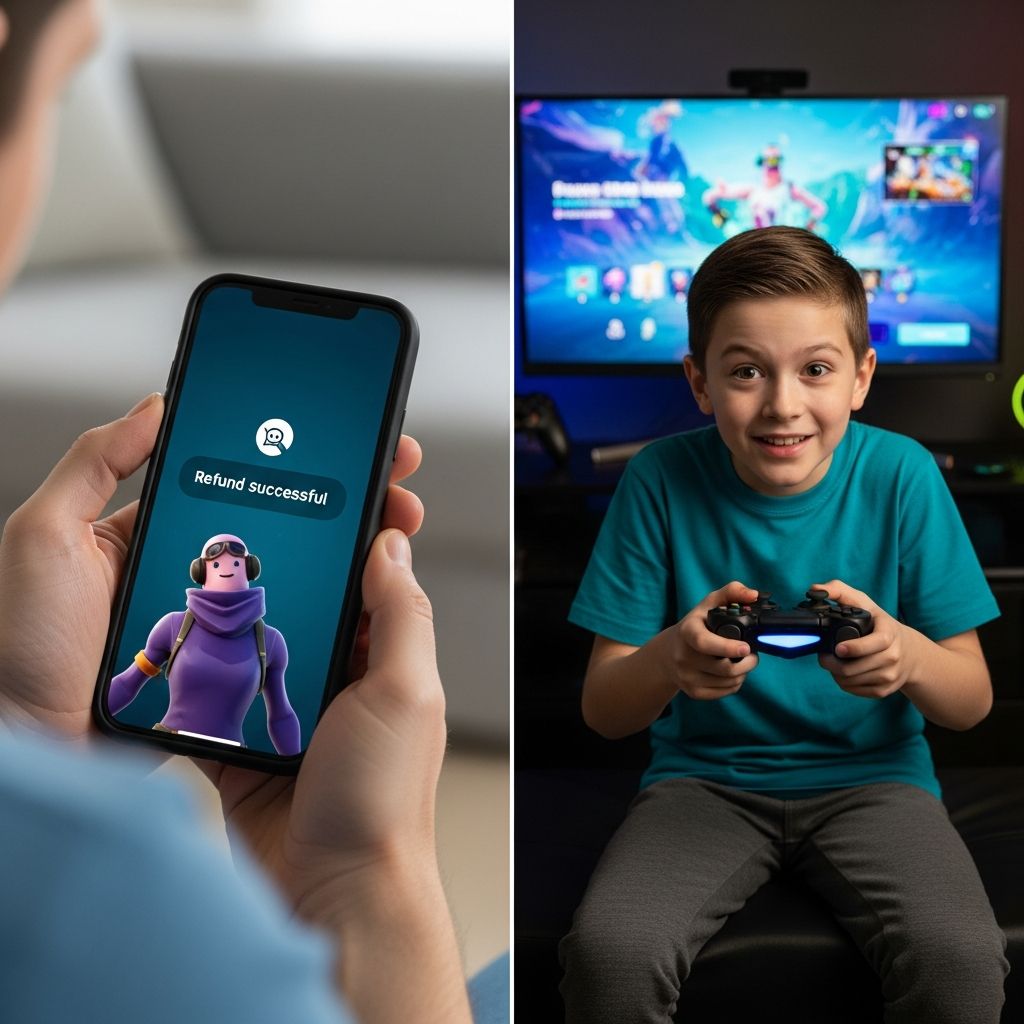
Millions of Fortnite players were charged for in-game items they did not intend to buy, triggering one of the largest consumer refund efforts in video game history. This guide explains what happened, who may qualify for refunds, how the process works, and what lessons every gamer and parent can take away from the case.
Background: How Fortnite Ended Up in the FTC’s Crosshairs
The Federal Trade Commission (FTC), the U.S. government’s consumer protection agency, investigated Epic Games, the maker of Fortnite, for its in-game billing practices and user interface design. According to the FTC, Epic:
- Charged players for unwanted in-game purchases, often with a single button press.
- Allowed children to rack up unauthorized charges without meaningful parental involvement.
- Locked some players out of their accounts after they disputed charges with their bank or card issuer.
To resolve these allegations, Epic agreed to pay $245 million in refunds to affected consumers as part of an FTC settlement first announced in December 2022. The FTC has since been sending these funds back to eligible players in multiple rounds of payments.
The Scope of the Fortnite Refunds
The refund program is large, both in dollar value and in the number of people affected. According to FTC announcements and related reporting:
- The first round of refunds sent more than $72 million to nearly 630,000 players.
- A later round of payments distributed over $126 million across more than 969,000 payments.
- Together, the rounds of refunds account for nearly $200 million sent back to consumers, with additional claims reviewed and processed over time.
| Key Element | Details |
|---|---|
| Total refund fund from Epic to FTC | $245 million for consumer refunds |
| Example refund rounds | Over $72 million (first round); over $126 million (later round) |
| Settlement focus | Unwanted purchases, unauthorized child charges, account locking |
| Who oversaw refunds | Federal Trade Commission (FTC) |
Who Was Eligible for Fortnite Refunds?
The settlement targeted players and families harmed by specific billing practices. Eligibility criteria, as described by the FTC and related documentation, centered on three main groups:
- Players charged for unwanted items in Fortnite using V-Bucks (the game’s virtual currency) during a defined period.
- Parents or guardians whose children made charges to their credit or debit cards through Epic Games without permission.
- Consumers whose Fortnite accounts were locked between certain dates after disputing unauthorized charges with their bank or card issuer.
Specific eligibility dates and conditions were published by the FTC on its official Fortnite refunds webpage and in its claim forms. Although the claims window has now closed, those categories explain who the FTC considered harmed by Epic’s practices.
How the Refund Process Worked
The refund process followed a typical pattern for major FTC consumer redress programs. While exact steps were laid out on the FTC’s official site, the overall structure looked like this:
1. Settlement and Fund Creation
First, the FTC and Epic Games agreed to a legal order requiring Epic to pay $245 million to be used for consumer refunds and to change its practices moving forward.
2. Claim Submission
Eligible consumers were able to submit claims through an official FTC portal. Important protections included:
- The site used a .gov domain so people could confirm it was legitimate.
- Only people over 18 could file directly; parents needed to file on behalf of minors.
- Claimants had to submit their claims by FTC-announced deadlines published on the official refund page.
3. FTC Review and Approval
After the deadline, the FTC reviewed claims to verify eligibility and avoid fraudulent requests. This step can take months in large cases, as data from Epic’s systems, payment processors, and consumer submissions must be cross-checked.
4. Payment Delivery
Approved refunds were distributed via:
- Checks mailed to the physical address provided, typically valid for a limited time (for example, 90 days to cash).
- Digital payments, such as PayPal, which recipients had a set number of days to accept (often 30 days).
The FTC also maintains public dashboards showing refund data from its cases, including amounts and state-by-state distributions across all enforcement actions.
Dark Patterns: The Design Problem at the Core of the Case
A central feature of the Fortnite case was the use of so-called dark patterns—design choices that nudge or trick users into actions they might not otherwise take. The FTC alleged that Fortnite’s design made accidental purchases far too easy.
What Are Dark Patterns?
Dark patterns are user interface designs that manipulate people into making decisions that benefit the company at the user’s expense. In the Fortnite case, the FTC highlighted several examples:
- Confusing button layouts that made it easy to incur a charge by pressing a single button—even when simply trying to wake the game from sleep or exit a screen.
- Inconsistent controls, where the same button might confirm a purchase in one context but perform a harmless action in another.
- Lack of meaningful confirmation screens, so players—especially children—could spend real money or V-Bucks with minimal friction.
The FTC concluded that these patterns were not just poor design; they were unlawful practices under U.S. consumer protection law because they misled consumers or caused unauthorized charges.
Changes Required from Epic Games
The settlement did not only require Epic to pay refunds. It also mandated future behavior changes, including:
- Obtaining affirmative, express consent before charging users.
- Stopping account lockouts used as retaliation against players who disputed unauthorized charges.
- Implementing more robust parental controls and purchase safeguards for children.
How Gamers Can Protect Themselves From Unwanted Charges
Whether or not you were part of the Fortnite refund program, the lessons from this case can help you protect yourself in any game or app that offers in-game purchases.
Practical Tips for Players
- Review purchase settings in your console, PC, or mobile platform and consider requiring passwords or PINs for every purchase.
- Turn off one-click purchases where possible, or add extra confirmation screens.
- Monitor account statements regularly for unfamiliar charges tied to games or digital storefronts.
- Use prepaid cards or gift cards if you want to limit potential losses from unauthorized spending.
Specific Advice for Parents
- Set up child or teen accounts with spending limits and purchase approvals.
- Talk openly with kids about in-game currencies, real-money purchases, and the value of money.
- Disable stored payment methods on shared devices if you do not want children buying items at all.
- Act quickly if you notice suspicious charges—contact the platform, the game company, and your card issuer.
Recognizing Legitimate FTC Refund Communications
Because large refund programs can attract scammers, the FTC publishes clear guidance on how it contacts consumers and how it does not operate. When a real FTC refund program is active, keep in mind:
- The FTC does not ask you to pay a fee to receive a refund.
- It does not threaten you or demand immediate action to avoid penalties.
- Official information is hosted on ftc.gov, and refund-related emails reference the FTC or its official refund administrator.
- Payments are sent via checks or trusted payment platforms—never via gift cards, cryptocurrency, or wire transfers requested upfront.
What the Fortnite Case Means for the Future of Gaming
The Fortnite settlement carries implications far beyond one game:
- Industry-wide signal: The action confirms that regulators are willing to challenge manipulative design practices in games and apps.
- Greater scrutiny for dark patterns: User interfaces that blur the line between choice and trickery may face enforcement in other digital markets, from e-commerce to subscriptions.
- Stronger parental protections: Companies are being pushed to implement clearer controls when children can access in-app purchases.
For developers, this case highlights the need to build monetization systems that are transparent, understandable, and respectful of users’ intent. For players, it shows that complaints about unfair practices can lead to real change—and, in some cases, direct financial relief.
Frequently Asked Questions (FAQs)
Q1: Why did the FTC make Epic Games pay Fortnite refunds?
The FTC alleged that Epic used deceptive design and billing practices that led players—especially children—to make unwanted in-game purchases, let kids incur charges without parental involvement, and locked some users’ accounts if they disputed charges. Epic agreed to pay $245 million in refunds to resolve these allegations.
Q2: How were Fortnite refunds paid out to players?
Refunds were sent as checks or digital payments (such as PayPal) to eligible consumers who filed valid claims through the FTC’s official claim portal by the published deadlines. Recipients were told to cash or accept payments within a specified time period, such as 90 days for checks and 30 days for PayPal transfers.
Q3: Could children file their own refund claims?
No. Only adults could submit claim forms directly. Parents or guardians had to file on behalf of minors who were eligible under the settlement’s terms, such as children who made unauthorized purchases on a parent’s payment method.
Q4: What if I missed the claim deadline?
FTC refund programs operate on defined timelines, and once the claim window closes, new claims are generally not accepted. However, the broader lesson is to stay alert for future refund opportunities by following official FTC announcements and consumer alerts for other products and services.
Q5: Does the settlement mean I can always get my money back for in-game purchases?
No. The Fortnite refunds were tied to specific allegations and time periods documented by the FTC. In general, you may be able to seek chargebacks or refunds if a purchase is unauthorized or deceptive, but each case depends on the facts, applicable laws, and company policies. The settlement does, however, signal that regulators are prepared to intervene against unfair practices in digital markets.
References
- FTC Sends Refund Payments to Consumers Impacted by Epic Games’ Unlawful Billing Practices — Federal Trade Commission. 2024-12-11. https://www.ftc.gov/news-events/news/press-releases/2024/12/ftc-sends-refund-payments-consumers-impacted-epic-games-unlawful-billing-practices
- Fortnite Refunds — Federal Trade Commission. 2024-2025 (last updated). https://www.ftc.gov/enforcement/refunds/fortnite-refunds
- FTC sends $72M in payments to Fortnite players — Top Class Actions (summarizing FTC settlement terms). 2024-12-13. https://topclassactions.com/lawsuit-settlements/open-lawsuit-settlements/fortnite-245m-ftc-settlement-refunds/
- FTC distributes $126m in refunds to “tricked” Fortnite players charged for unwanted purchases — PocketGamer.biz. 2025-06-27. https://www.pocketgamer.biz/ftc-distributes-126m-in-refunds-to-tricked-fortnite-players-charged-for-unwanted-purchases/
- Fortnite Players Could Be Due Refunds—How to File Your Claim — TIME. 2025-06-27. https://time.com/7298518/fortnite-refund-process-how-to-file-a-claim-deadline/
- Issued first round of FTC refunds concerning investigation into Epic Games, Inc. (Fortnite) — Digital Policy Alert (summarizing FTC action). 2024-12-09. https://digitalpolicyalert.org/event/25080-issued-first-round-of-ftc-refunds-to-fortnite-players-who-were-charged-for-unwanted-items-enforcing-reached-settlement
Similar Articles








Read full bio of medha deb


