
Federal Judge Approves Kansas Foster Care Settlement
Federal court mandates sweeping reforms for the Kansas foster care system.
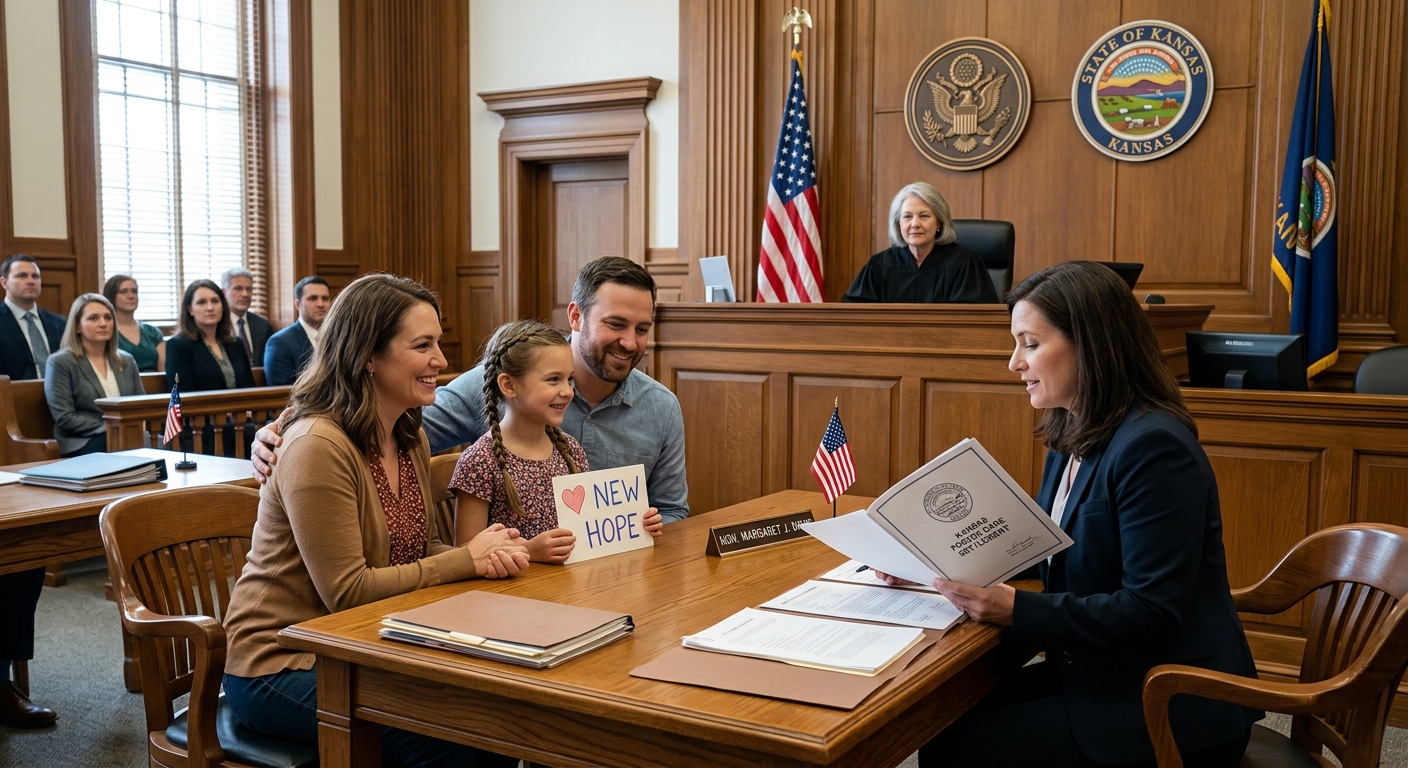
Milestone Ruling: Federal Court Greenlights Comprehensive Settlement for Kansas Child Welfare Reform
The foster care system is designed by law and ethical obligation to serve as a protective haven for children facing maltreatment, profound neglect, or severe familial crisis. Unfortunately, in numerous jurisdictions across the United States, systemic inefficiencies and chronic underfunding transform this purported sanctuary into an environment of prolonged and compounding trauma. In a historic and much-anticipated intervention, a federal judge has officially approved a sweeping settlement agreement aimed at drastically overhauling the troubled Kansas child welfare system. This monumental legal development, stemming from the deeply impactful class-action lawsuit known formally as McIntyre v. Howard, marks a critical turning point for thousands of vulnerable youths relying on state protection.
The judicial greenlight mandates that the Kansas Department for Children and Families (DCF), acting in coordination with the Department of Health and Environment (KDHE) and the Department for Aging and Disability Services (KDADS), aggressively reform their operational models and service delivery networks. This article delves into the profound systemic failures that prompted the federal litigation in the first place, analyzes the transformative and strictly monitored benchmarks established by the court-approved settlement, and evaluates the extensive ramifications this legal decree holds for the trajectory of child welfare. By shedding light on these critical reform efforts, we gain a clearer understanding of the massive complexities involved in legally safeguarding America’s most vulnerable populations.
The Genesis of the Lawsuit: Systemic Failures in Kansas
To fully grasp the magnitude of this judicial approval, one must first examine the harrowing realities that led to the initial filing of the McIntyre case in November 2018. Filed on behalf of foster children across the entire state, the extensive litigation exposed deep-rooted structural deficiencies within the Kansas foster care network. The plaintiffs, represented by a formidable and tireless coalition of child advocacy groups—including Children’s Rights, Kansas Appleseed, the National Center for Youth Law, and dedicated private legal counsel—painted a grim, evidence-backed picture of state negligence.
At the very heart of the legal complaint was the alarming and pervasive issue of extreme placement instability. Foster children, who are already actively grappling with the profound emotional trauma of family separation, were being subjected to an erratic, highly damaging shuffle of temporary housing. It had become an unacceptable yet normalized practice for youth to endure “night-to-night” placements. This meant children were treated more like inventory than vulnerable human beings, moved to a different foster home or emergency facility almost daily, often with their belongings packed hastily in trash bags.
Even more distressing were the verified reports of children being forced to sleep overnight in child welfare agency office buildings because suitable, licensed foster beds could not be secured by caseworkers. Such deep, chronic instability inherently disrupts a child’s educational continuity, severs budding social connections, and prevents children from developing a secure, necessary attachment to any stable caregiver. Over time, this compounding trauma leaves vulnerable youth in a perpetual state of hyper-arousal and survival mode, making future therapeutic interventions infinitely more difficult.
Simultaneously, the lawsuit highlighted severe and legally actionable deficits in the state’s provision of behavioral and mental health services. Federal Medicaid laws explicitly mandate that youth in state custody receive adequate medical screening, psychiatric diagnostics, and necessary ongoing treatment. However, the Kansas system consistently failed to deliver these essential services. The lack of timely trauma assessments and evidence-based therapeutic interventions meant that children in deep psychological distress were left completely without a lifeline. This twin crisis of profound physical housing instability and medical neglect formed the undeniable basis of the class-action suit, effectively compelling the federal court to intervene and force a long-overdue paradigm shift.
Core Provisions of the Approved Settlement
The finalized settlement agreement, thoroughly reviewed and approved by U.S. District Judge Daniel Crabtree, is not merely a symbolic legal victory; it is a legally binding roadmap loaded with stringent, quantifiable mandates. The state agencies are now compelled to achieve “substantial compliance” across a rigorous series of defined “Practice Improvements” and “Outcomes,” fundamentally reshaping how they administer care on a daily basis.
- Eradicating Office Stays: One of the most immediate and critical directives is the absolute prohibition of housing foster youth in agency offices. The state must completely end this degrading practice, ensuring that every single child is placed in a licensed, developmentally appropriate residential setting.
- Strict Capacity Limits: Furthermore, the settlement imposes strict legal limitations on placement capacity, dictating that no foster home or group facility can exceed its licensed occupancy limits without a formally documented and approved policy-based exception.
- Ending Night-to-Night Placements: The agreement attacks the issue of placement transience head-on. By establishing phased, non-negotiable deadlines, the state is ordered to eliminate the harmful use of night-to-night placements entirely and to sharply reduce the utilization of short-term stays (legally defined as placements lasting 14 days or fewer).
The overarching, driving goal behind these mandates is to foster long-term placement stability, a metric that will now be strictly and continuously monitored. For example, the state is required to ensure that children entering the system experience a rate of 4.44 moves or fewer per 1,000 days in care. Additionally, the settlement mandates that 90% of children must be securely maintained in a stable placement according to strict federal case review standards. These benchmarks successfully shift the state system’s focus from mere day-to-day logistical survival to the long-term well-being and psychological safety of the child.
Mental Health Care Enhancements: A Lifeline for Youth
Addressing the glaring, systemic void in behavioral health support is an absolute cornerstone of the newly approved settlement. Foster youth frequently enter the system having already endured severe emotional abuse, physical neglect, or traumatic loss. Without prompt and specialized psychological intervention, these invisible emotional wounds can dictate the negative trajectory of their entire adult lives.
Under the new legally enforced framework, Kansas is obligated to radically accelerate and vastly improve its mental health service delivery apparatus. The state must ensure that every single child receives a comprehensive, standardized initial trauma and mental health screening within 30 days of entering state custody. This early diagnostic phase is absolutely crucial for identifying immediate therapeutic needs and developing a tailored, individualized treatment plan that follows the child.
Moreover, the settlement agreement expressly prohibits the state from allowing administrative red tape to delay these crucial treatments. Once an assessment identifies a clinical need, Kansas is legally bound to act swiftly. The mandate requires that 90% of children in the system have their mental health needs comprehensively met—a target that represents a massive paradigm shift. To facilitate this huge undertaking, Kansas is required to deploy a robust, statewide crisis intervention infrastructure. This means having highly trained professionals available around the clock to respond to behavioral emergencies, providing on-the-spot de-escalation techniques that keep children safely in their current foster homes rather than being unnecessarily institutionalized or moved to a higher level of restrictive care.
Accountability Mechanisms: Ensuring Sustained Progress
A long, documented history of unfulfilled promises in national child welfare reform underscores the absolute necessity of stringent external oversight. The McIntyre settlement agreement uniquely prioritizes transparency and independent accountability, effectively ensuring that the state’s written commitments translate into tangible, on-the-ground improvements rather than hollow rhetorical assurances.
To rigorously validate the state’s progress, the federal court has appointed an independent, neutral monitor. The Center for the Study of Social Policy (CSSP), a highly respected national research and advocacy organization, serves as this critical neutral entity. Their sole role is to independently analyze state-provided data, conduct unannounced objective reviews, and publish highly detailed public annual reports that track Kansas’s compliance—or lack thereof—with the settlement’s rigid milestones.
In addition to this independent auditing, the settlement mandates the creation of an independent community advisory group. This body is tasked with directly informing action plans and driving continuous improvement efforts, ensuring that the critical voices of frontline stakeholders—including foster parents, child advocates, and former foster youth themselves—are deeply integrated into the state’s ongoing reform process. The state is also required to amend its binding contracts with private foster care Case Management Providers (CMPs), legally tying these private corporate entities to the exact same stringent practice improvements and outcomes demanded of the state agencies.
The Broader Implications for State Child Welfare Systems
While this specific settlement is jurisdictionally confined to the state of Kansas, its legal and ethical implications resonate powerfully on a national scale. The structural, heartbreaking failings exposed during the McIntyre v. Howard litigation—chronic placement instability, a heavy over-reliance on temporary or inappropriate housing, and gross systemic failures in delivering mandated mental health care—are unfortunately not unique to Kansas. They reflect a much broader, nationwide crisis actively festering within the American child welfare apparatus.
This federal judicial approval serves as a highly visible and powerful legal precedent. It unequivocally demonstrates that the federal courts are willing to hold state governments constitutionally and statutorily accountable for the maltreatment and neglect of children placed in their custody. For child advocacy organizations across the country, the Kansas settlement provides a strategic, tested legal blueprint. It brilliantly highlights the efficacy of combining Fourteenth Amendment constitutional claims regarding affirmative duties of care with federal Medicaid Act statutory claims regarding the mandatory provision of medical and behavioral services. Consequently, other states currently struggling with similar systemic dysfunctions may find themselves facing comparable, aggressive class-action litigation if proactive, deeply funded reforms are not initiated voluntarily.
Anticipated Challenges in Execution
Declaring massive reform on paper is vastly different from successfully executing it within the intricate, perpetually under-resourced bureaucracy of public child welfare. Kansas faces formidable, real-world logistical challenges in meeting the stringent deadlines and percentage-based benchmarks outlined in the court’s settlement.
The single most pressing hurdle is the pervasive, nationwide workforce shortage. Recruiting and retaining qualified social workers, dedicated case managers, and specialized foster parents is a chronic, daily struggle. High caseloads and systemic emotional burnout inevitably lead to high turnover rates, which directly threatens the essential continuity of care necessary to achieve placement stability. To meet the court’s demands, the state must engage in massive, heavily funded recruitment campaigns, offering competitive compensation, extensive trauma-informed training, and vital respite care to prevent caregiver burnout.
Furthermore, expanding the statewide network of pediatric mental health professionals—especially in historically underserved rural and frontier counties—demands significant legislative funding and innovative technological solutions like greatly expanded telehealth capabilities. The independent monitor’s yearly reports will be closely and anxiously watched by advocates nationwide to see if deep-seated systemic inertia can truly be overcome by the force of a federal mandate.
Frequently Asked Questions (FAQs)
What exactly is the McIntyre v. Howard lawsuit?
It is a massive federal class-action lawsuit filed in late 2018 on behalf of thousands of vulnerable children in the Kansas foster care system. The comprehensive suit alleged that the state unlawfully subjected foster youth to extreme housing instability, including forcing them to sleep in agency offices, and systematically failed to provide legally required mental health and trauma care.
What are the main requirements of the approved settlement?
The legally binding settlement mandates an absolute end to placing children in offices overnight, sets strict percentage limits on short-term “night-to-night” placements, requires mandatory mental health screenings within 30 days of entering care, forces the implementation of statewide crisis response services, and sets strict compliance targets that must be sustained over a multi-year period.
Who is responsible for monitoring Kansas’s progress?
The Center for the Study of Social Policy (CSSP) serves as the court-appointed independent neutral monitor. They objectively validate the state’s performance data and release comprehensive annual compliance reports to the public and the federal court.
What happens if Kansas fails to meet the settlement targets?
If the state fails to hit and subsequently sustain the required performance outcomes, it remains firmly under federal court oversight. Persistent non-compliance could result in further judicial interventions, financial sanctions, or modified court orders compelling immediate administrative action.
Conclusion
The federal judge’s official approval of the comprehensive settlement in the Kansas child welfare lawsuit is undeniably a watershed moment for children’s legal rights. It forcefully demands a fundamental pivot from a broken system that merely manages daily crises to one that actively promotes stability, therapeutic healing, and long-term psychological well-being. While the arduous road ahead is undoubtedly fraught with complex logistical, financial, and workforce challenges, the legally binding mandates and rigorous independent oversight offer unprecedented, actionable hope. For the thousands of children currently navigating the terrifying uncertainties of foster care in Kansas, this agreement is not just a piece of legal documentation; it is a vital, life-saving lifeline promising a significantly safer, more stable, and deeply supported future.
References
- Federal Judge Approves Child Welfare Settlement Agreement — Kansas Department for Children and Families. 2021-01-28. http://www.dcf.ks.gov/Newsroom/Pages/Federal-Judge-Approves-Child-Welfare-Settlement-Agreement.aspx
- Neutral’s Annual McIntyre v. Howard Progress Report — Center for the Study of Social Policy. 2024-12-17. https://cssp.org/our-work/project/mcintyre-v-howard/
- Case: Katharyn McIntyre v. Colyer — Civil Rights Litigation Clearinghouse (University of Michigan Law School). 2026-04-14. https://clearinghouse.net/case/16812/
Similar Articles








Read full bio of Sneha Tete


