
Estate Planning Essentials: 6 Steps To Secure Your 2026 Plan
Master your legacy with this comprehensive 2026 estate planning guide: key steps, documents, and strategies for lasting security.
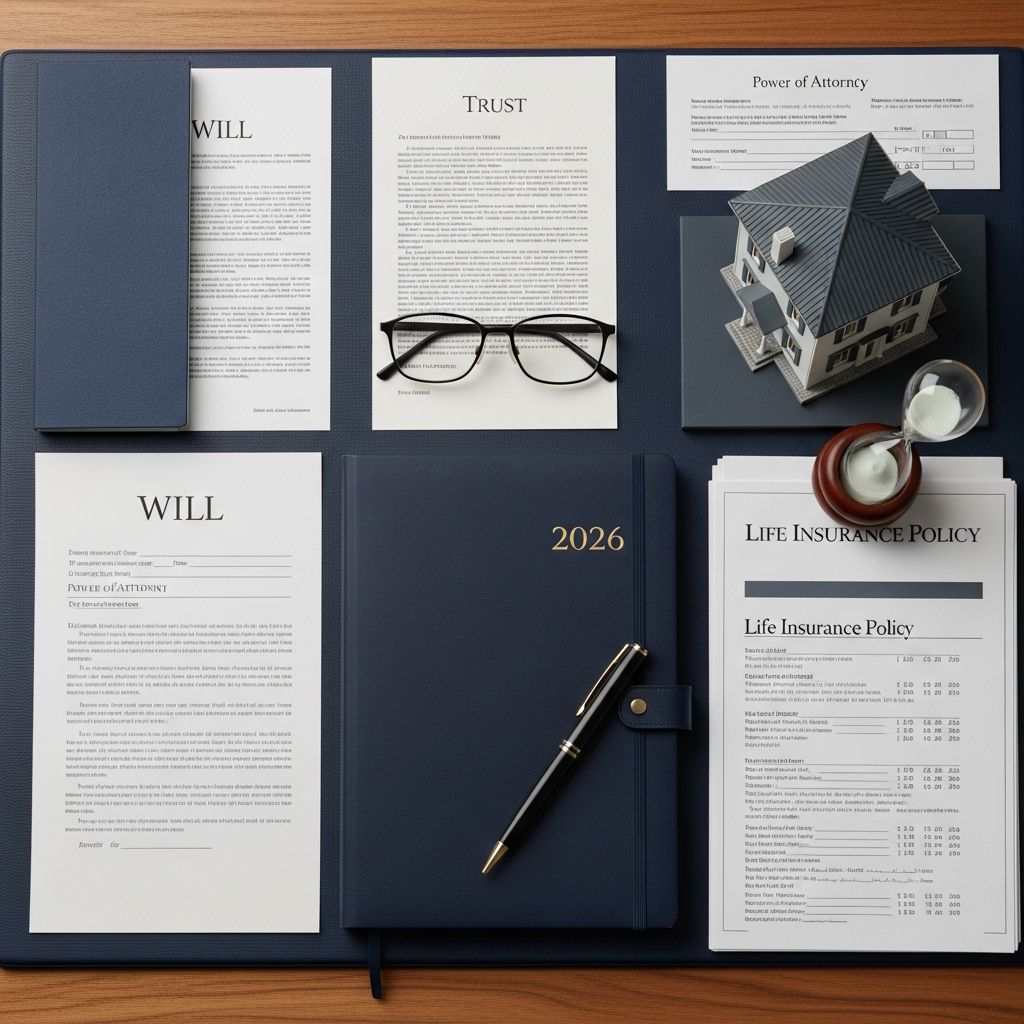
Effective estate planning secures your assets, protects loved ones, and minimizes legal hurdles after you’re gone. In 2026, with federal estate tax exemptions rising to $15 million per individual, proactive steps ensure your wishes prevail amid changing laws and life events. This guide outlines a structured approach to building or refining your plan.
Understanding the Foundations of a Solid Estate Plan
Estate planning involves more than just a will; it’s a coordinated set of documents and strategies. Core elements include directives for asset distribution, healthcare decisions, and financial management during incapacity. Without these, state laws dictate outcomes, often leading to probate delays and family disputes.
Begin by assessing your current situation. Major life changes like marriage, divorce, births, or deaths necessitate reviews. Annual check-ins, especially post-2026 tax updates, keep plans relevant.
Step 1: Catalog Your Assets and Debts Thoroughly
The first priority is creating a detailed inventory. This snapshot reveals your net worth and guides distribution decisions. List all holdings and obligations systematically.
- Real Estate: Homes, land, rental properties—note ownership type (sole, joint, trust).
- Financial Accounts: Bank accounts, CDs, stocks, bonds, retirement plans like 401(k)s or IRAs.
- Insurance Policies: Life, health, long-term care—verify coverage amounts and beneficiaries.
- Personal Items: Vehicles, jewelry, art, collectibles with estimated values.
- Business Interests: Ownership stakes, partnerships.
- Digital Assets: Cryptocurrency, online accounts, social media profiles.
- Debts: Mortgages, loans, credit cards, medical bills.
Use a spreadsheet for easy updates. This list aids executors in settling estates efficiently and highlights tax exposure. For estates nearing $15 million, strategize to leverage exemptions.
Step 2: Define Your Family’s Needs and Priorities
Consider dependents’ futures. Who relies on your income? Minor children need guardians; special needs beneficiaries require protected trusts. Aging parents or disabled relatives may need supplemental planning.
| Family Member | Key Needs | Planning Tool |
|---|---|---|
| Minor Children | Guardianship, education funding | Will with nominations, 529 plans in trust |
| Spouse/Partner | Income replacement, asset access | Joint accounts, life insurance |
| Special Needs Child | Government benefits preservation | Special needs trust |
| Aging Parents | Long-term care support | Power of attorney |
Prioritize based on vulnerabilities. Discuss with family to align expectations and reduce conflicts.
Step 3: Draft Core Legal Documents
Legal documents form the backbone. Consult an attorney for state-specific validity—signing, witnessing, and notarization requirements vary.
Last Will and Testament
A will specifies asset recipients, names an executor, and nominates guardians. It covers probate assets but not those with beneficiaries. Update for life changes to avoid intestacy.
Revocable Living Trust
Transfers assets outside probate for privacy and speed. You retain control during life; successors manage upon incapacity or death. Ideal for real estate or blended families.
Durable Powers of Attorney
Financial POA authorizes agents for bills and investments during incapacity. Medical POA handles health decisions. Springing versions activate only when needed.
Advance Healthcare Directives
Outlines end-of-life wishes, like life support preferences. Includes HIPAA releases for family access.
Coordinate documents to prevent overrides—e.g., trusts must be funded with assets.
Step 4: Align Beneficiary Designations and Account Titles
These often supersede wills. Review retirement accounts, life insurance, POD/TOD bank accounts, and annuities annually.
- Mismatched designations can disinherit heirs unintentionally.
- Add contingent beneficiaries to avoid probate on unclaimed funds.
- For large estates, use ILITs to exclude insurance from taxes.
Create a master list: account type, institution, number, primary/contingent beneficiaries. Update post-events like divorce.
Step 5: Secure Digital and Property Assets
Digital assets—emails, photos, crypto—require planning. List platforms, logins (securely), and nominate digital executors. Property titles matter: joint tenancy bypasses probate but may trigger taxes.
- Verify deeds align with estate goals.
- Use transfer-on-death deeds where available.
Store originals safely; share access instructions with trustees.
Step 6: Evaluate Insurance and Tax Strategies
Insurance covers gaps: debts, education, taxes. Calculate needs—final expenses average $8,000-$12,000.
Tax planning: 2026 exemptions shield most estates, but irrevocable trusts or gifting reduce exposure. Consult professionals for strategies like annual exclusions. Review every 3-5 years or after changes.
Organizing and Storing Your Plan
Centralize documents: fireproof safe, attorney office, or digital vault. Provide executors with locations and keys. Avoid joint safes that lock out survivors.
Share overviews without specifics to empower family without overwhelming.
Frequently Asked Questions
What changes in 2026 impact estate planning?
Federal exemptions rise to $15M/individual, affecting high-net-worth strategies. State rules like California’s Prop 19 alter property taxes.
How often should I review my estate plan?
Annually, plus after births, deaths, marriages, or law changes.
Do I need a lawyer for estate planning?
Yes for complexity; online tools suit simple cases, but attorneys ensure compliance.
What if I die without a will?
Intestacy laws distribute assets, potentially excluding stepchildren or partners.
Can trusts avoid all taxes?
No, but they minimize probate and preserve exemptions.
Actionable 2026 Checklist
- Compile asset/debt inventory.
- Identify family priorities.
- Draft/update will, trust, POAs, directives.
- Sync beneficiaries and titles.
- Plan digital/property assets.
- Audit insurance/taxes; store securely.
Implement weekly: Monday inventory, Friday attorney call.
Estate planning empowers control over your legacy. Start today for peace tomorrow.
References
- The 2026 Estate Planning Checklist: 6 Steps to Start the Year Right — Guideway Legal. 2026. https://guidewaylegal.com/the-2026-estate-planning-checklist-6-steps/
- Estate Planning Process Overland Park: A Step-by-Step Checklist — Pearson Bollman Law. 2026. https://pearsonbollmanlaw.com/get-organized-in-2026-a-step-by-step-estate-planning-checklist-for-overland-park-families/
- Estate Plan Resolution: Your 5-Point Checklist for 2026 — SSW Law. 2026-01. https://www.ssw.law/blog/2026/january/estate-plan-resolution-your-5-point-checklist-fo/
- The Complete Guide to Estate Planning — Just Vanilla. 2026. https://www.justvanilla.com/blog/estate-planning
- Estate Planning Checklist for Older Adults — National Council on Aging (.org, nonprofit). 2026. https://www.ncoa.org/article/estate-planning-checklist/
- Estate planning: A values-first guide (2025-2026) — Thrivent Financial. 2025-2026. https://www.thrivent.com/insights/estate-planning/estate-planning-a-values-first-guide-2025-2026
- Practical Guide to Estate Planning (2026) — Wolters Kluwer. 2026. https://shoptax.wolterskluwer.com/en/practical-guide-to-estate-planning-2026.html
Similar Articles








Read full bio of medha deb


