
Estate Planning Document Management Guide
Master the essentials of organizing and managing your estate planning documents effectively.
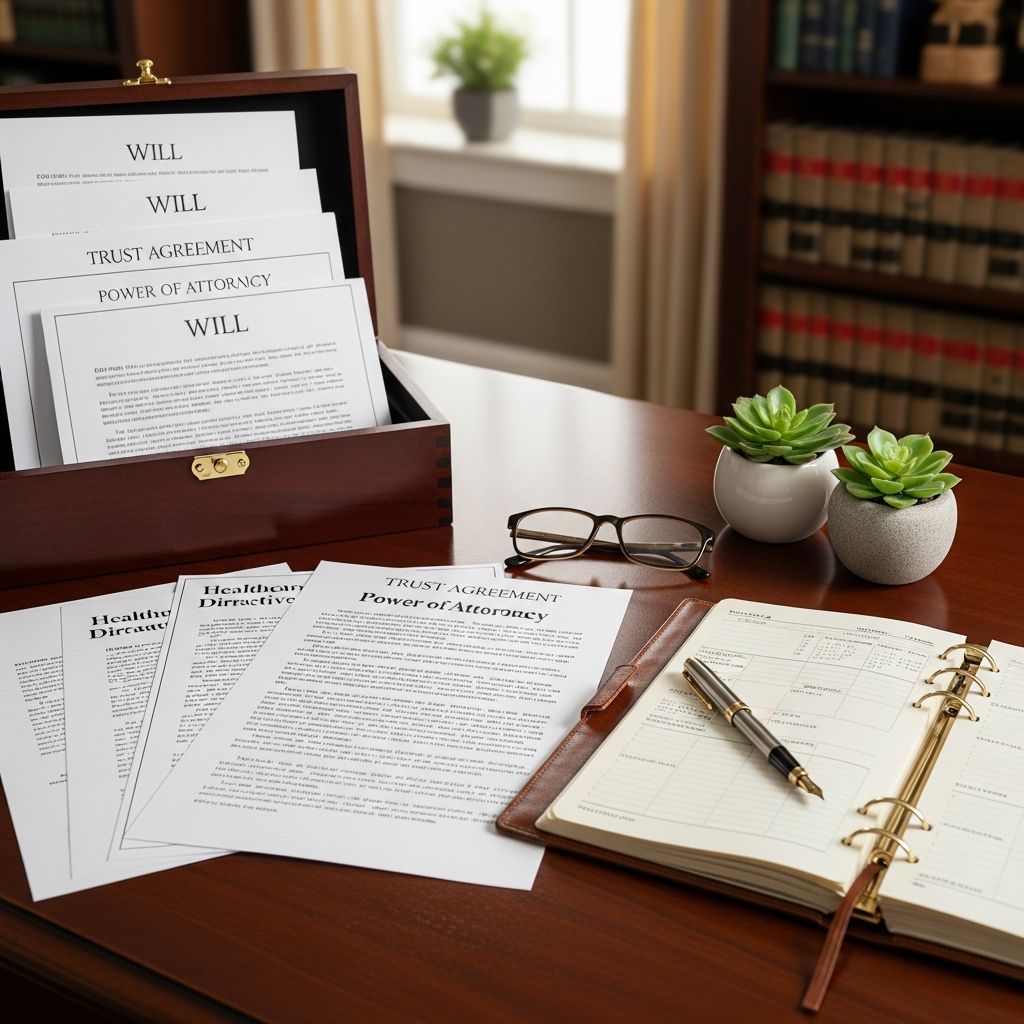
Estate planning extends far beyond drafting legal documents; it requires a systematic approach to organizing, storing, and maintaining critical paperwork that will guide your family and trusted advisors after you pass away or become incapacitated. Without proper organization, even the most carefully crafted estate plan can create confusion, delays, and unnecessary stress for your loved ones during an already difficult time. This guide provides practical strategies for establishing an effective document management system that protects your legacy and ensures your wishes are carried out as intended.
Why Systematic Document Organization Matters in Estate Planning
The foundation of successful estate planning lies not just in creating the right documents, but in making them accessible and understandable to those who will need them. When documents are scattered across multiple locations or stored in ways that are difficult to locate, your executor may spend valuable time and resources simply finding what they need to settle your estate. This delay can result in increased legal fees, family tension, and postponed distributions to beneficiaries.
A well-organized document repository serves multiple purposes throughout different stages of life. During your lifetime, you need easy access to review and update documents as circumstances change. If you become incapacitated, your designated agents need to quickly locate financial and healthcare documents to make decisions on your behalf. After your death, your executor requires comprehensive information to navigate the probate process or trust administration efficiently. Beyond these practical considerations, organized documents demonstrate to your family that you’ve thought carefully about their wellbeing, providing peace of mind and reducing the likelihood of disputes over your intentions.
Creating a Complete Inventory of Essential Documents
The first step in establishing an effective document management system is identifying all materials that should be included in your estate planning file. Your collection should encompass not only the core legal documents but also supporting materials that provide context and guidance.
Primary Estate Planning Documents
Your estate plan’s foundation consists of these essential legal instruments:
- Will or Testament: The cornerstone document that specifies how your property will be distributed, names your executor, and designates guardians for minor children.
- Revocable Living Trust: An optional but increasingly popular document that holds your assets during your lifetime and distributes them after your death without going through probate court.
- Financial Power of Attorney: Designates someone to manage your financial affairs if you become unable to do so yourself.
- Healthcare Power of Attorney: Authorizes a trusted individual to make medical decisions on your behalf if you cannot do so.
- Living Will or Advance Directive: Documents your preferences regarding life-sustaining medical treatment and end-of-life care.
- HIPAA Authorization Form: Grants specific individuals permission to access your private medical information when necessary.
Supporting Financial and Property Documents
Beyond the legal instruments themselves, your file should contain documentation that clarifies your financial situation and property ownership:
- Bank and investment account statements showing account numbers and current balances
- Property deeds, titles, and mortgage documents for real estate holdings
- Vehicle titles and registration documents
- Life insurance policies with details about coverage amounts and beneficiary designations
- Retirement account statements, including IRAs, 401(k)s, and pension documents
- Business ownership documents and agreements if you own a business interest
- Documentation of valuable personal property, including jewelry, artwork, or collections
- Digital asset information, including online account credentials and instructions
Personal and Identification Records
Your document system should also preserve important identity and relationship documentation:
- Birth certificates for you and your children
- Marriage certificates or divorce decrees
- Adoption papers if applicable
- Military service records
- Social Security information
- Citizenship or immigration documents
Selecting Appropriate Storage Methods and Locations
Choosing where and how to store your documents requires balancing accessibility, security, and protection from physical damage. Different types of documents may warrant different storage approaches depending on their sensitivity and how frequently they need to be accessed.
Safe Deposit Box Storage
Bank safe deposit boxes offer excellent security and climate control for valuable original documents. However, they present some practical challenges. Access may be restricted during non-business hours or after your death, potentially delaying your executor’s ability to obtain necessary documents. Additionally, safe deposit boxes have limited space for extensive document collections. Use safe deposit boxes specifically for original certificates, deeds, and titles that are rarely needed but critical to protect.
Home Safe Storage
A fireproof safe in your home provides quick access while protecting documents from fire and basic theft. This option works well for documents you may need to reference periodically. Ensure the safe is properly secured and anchored to prevent removal. Communicate the location and combination to your executor and primary agent, but store the combination separately from the safe itself.
Digital Storage Solutions
Increasingly, estate planners recommend maintaining digital copies alongside physical documents. Cloud-based storage services offer significant advantages for estate planning purposes. They provide access from anywhere, automatic backup, and the ability to share access with designated individuals. However, ensure you use secure, reputable platforms and implement strong password protection. Create a detailed list of all online account access information, including usernames, passwords (stored securely), and recovery options.
Estate Planning Document Storage Services
Some financial institutions and specialized companies offer dedicated document storage services for estate planning materials. These services maintain secure, organized files and often provide your named executor with quick access when needed. This approach eliminates concerns about family members discovering documents in inappropriate locations and ensures professional handling of sensitive materials.
Organizing Documents for Maximum Accessibility
Regardless of storage location, your documents should be organized in a logical system that allows anyone to find needed materials quickly. Consider using multiple organizational approaches depending on your document volume and complexity.
Categorization System
Group documents into clear categories that reflect your estate’s structure:
| Category | Included Documents |
|---|---|
| Core Estate Planning | Will, trust, powers of attorney, advance directives |
| Personal Identification | Birth certificates, marriage licenses, social security cards |
| Real Property | Deeds, mortgage documents, property tax records |
| Financial Accounts | Bank statements, investment records, retirement accounts |
| Insurance Policies | Life insurance, property insurance, policy beneficiary designations |
| Digital Assets | Online account information, cryptocurrency, digital photos |
| Business Interests | Ownership documents, partnership agreements, operating manuals |
| Personal Wishes | Funeral preferences, letter of instruction, sentimental guidance |
Master Index Creation
Create a comprehensive index or table of contents that lists every document in your collection, its location, and brief relevant details. This master document becomes invaluable to your executor, allowing them to immediately understand what exists and where to find it. Update this index whenever you add new documents or change storage locations.
Developing a Letter of Instruction and Asset Summary
Beyond organizing existing documents, create a comprehensive letter that guides your executor and family members through your wishes and financial situation. This personal document serves purposes that legal documents cannot and provides essential context for decision-makers.
Your letter of instruction should include:
- A complete list of assets with approximate values and account numbers
- Outstanding debts, including creditor contact information and account numbers
- Location of all important documents and access instructions
- Explanation of any unusual provisions in your will or trust
- Funeral and burial preferences, including any prepaid arrangements
- Information about digital assets and online accounts requiring closure or transfer
- Names and contact information for your professional advisors
- Personal messages to family members, if desired
- Instructions for charitable giving or specific bequests
Managing Updates and Periodic Reviews
An organized document system requires maintenance to remain effective. Life changes necessitate periodic reviews and updates to both your legal documents and supporting materials.
Triggering Events That Require Document Review
Certain life circumstances should prompt immediate review of your estate planning documents:
- Marriage, remarriage, or divorce
- Birth or adoption of children or grandchildren
- Significant changes in financial situation
- Changes in state residency
- Death of a named executor, trustee, or beneficiary
- Changes in tax laws affecting your estate
- Major purchases or sales of real estate or valuable assets
- Changes in your health or healthcare wishes
- Changes in your personal relationships or charitable priorities
Establishing a Review Schedule
Even without significant life changes, review your entire estate plan every three to five years. During these reviews, verify that document storage locations remain appropriate, update contact information for named agents, and ensure your asset inventory reflects current reality. Create a simple reminder system—perhaps setting a calendar alert on the anniversary of your plan’s creation—to prompt regular reviews.
Communicating Your Document System to Designated Agents
The most carefully organized document system provides little benefit if your executor and other agents cannot locate or access the materials they need. Before an emergency or after your death, these individuals require specific information about your document system.
Information Your Executor Needs to Know
Your executor should receive instructions that include:
- The exact location of your original will or trust document
- Passwords and access codes for safes, safe deposit boxes, or digital storage
- The location of your asset inventory and letter of instruction
- Names and contact information for your attorney and other professional advisors
- Information about any stored funeral preferences or instructions
- Details about any digital assets or online accounts requiring management
Providing Access Without Compromising Security
Balance the need for accessibility with appropriate security measures. Avoid writing passwords and combination codes directly on documents. Instead, use secure password management software that your executor can access through a master key or through your attorney. Consider providing your executor with a sealed envelope containing critical access information, to be opened only upon your death or incapacity. Alternatively, store this information with your attorney or a trusted financial advisor who can release it to your executor when appropriate.
Special Considerations for Digital Assets and Online Accounts
Modern estate planning must address digital assets that previous generations never contemplated. These assets require special documentation and access planning.
Create a separate digital asset inventory that includes:
- Email account addresses with information about important contacts and stored documents
- Social media accounts and instructions for memorialization or closure
- Cloud storage accounts containing photos, documents, or other valuable files
- Cryptocurrency holdings with wallet information and private keys
- Online banking and investment accounts
- Domain names and websites requiring ongoing management
- Digital entertainment subscriptions that may need cancellation
- Online business interests or e-commerce platforms
Store login credentials securely, updating them regularly as you change passwords. Document the location of any physical hardware (such as cryptocurrency hardware wallets) that contains valuable digital assets.
Working with Professionals to Establish Your System
While you can implement many organizational strategies independently, consulting with estate planning professionals ensures your system addresses legal requirements and aligns with your specific circumstances. An experienced estate planning attorney can recommend appropriate storage methods, help you identify documents you may have overlooked, and ensure your organizational system supports your legal documents’ effectiveness.
Frequently Asked Questions
Q: How often should I review my organized estate planning documents?
A: While major life events should trigger immediate reviews, plan to comprehensively review your entire estate plan every three to five years. This ensures documents remain current, storage methods remain secure, and your asset inventory reflects your true financial situation.
Q: Can I store original estate planning documents in a bank safe deposit box?
A: While safe deposit boxes offer excellent security, some jurisdictions may restrict access after death. Consider storing original documents with your attorney or in a fireproof home safe instead. Keep copies in a safe deposit box. Check your state’s specific laws regarding safe deposit box access procedures.
Q: What should I do with outdated versions of my documents?
A: Securely destroy outdated documents to prevent confusion about which versions are current. Mark clearly on any copies you retain that they are superseded versions. Keep one copy of previous wills if they may be relevant to understanding your family’s history, but store them separately from current documents.
Q: How do I grant my executor access to my documents without compromising security?
A: Use a secure password management system, store access information with your attorney for release upon your death, or place detailed instructions in a sealed envelope with your executor. Avoid writing passwords directly on documents or storing them in obvious locations.
Q: Should digital copies of my documents have the same legal weight as originals?
A: Digital copies serve as valuable references and backup materials but may not satisfy legal requirements for certain documents. Always maintain original, properly executed versions for wills and powers of attorney. Verify your state’s specific requirements regarding document form and execution.
References
- The Complete Guide to Estate Planning — Vanilla. 2025. https://www.justvanilla.com/blog/estate-planning
- Estate Planning Checklist and Basics: What You Need to Know — Vanguard Investor Resources. 2025. https://investor.vanguard.com/investor-resources-education/article/estate-planning-basics
- Estate Planning Checklist for Older Adults — National Council on Aging. 2025. https://www.ncoa.org/article/estate-planning-checklist/
Similar Articles








Read full bio of Sneha Tete


