
Defending the Vulnerable: A Call to Action for Children’s Rights
Discover why systemic reform, legal advocacy, and community support are crucial to protecting youth.
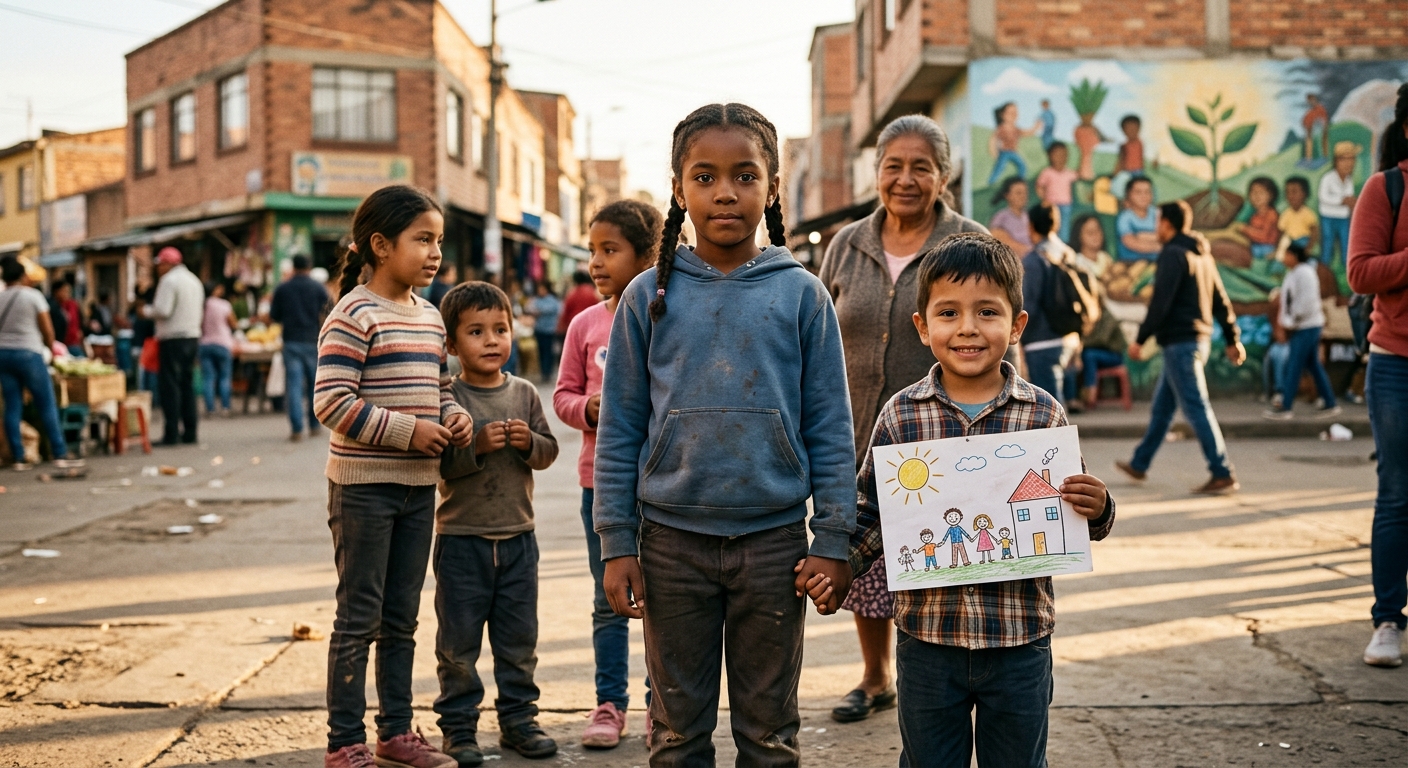
The Imperative of Defending the Vulnerable
Every child is inherently entitled to safety, stability, and the opportunity to develop to their fullest potential. In global frameworks, such as the United Nations Convention on the Rights of the Child, these entitlements are recognized not merely as charitable ideals, but as fundamental human rights . Yet, across the United States and the world, systems originally designed to protect our youngest citizens often fall short, exposing them to further vulnerability. Standing up for the rights of youth requires more than passive agreement; it demands active participation in reforming broken systems, demanding legal accountability, and supporting community-based frameworks that prioritize family preservation and holistic well-being.
The conversation surrounding youth advocacy has evolved significantly in recent decades. It is no longer enough to ensure basic survival needs like food, water, and shelter. True advocacy encompasses a child’s right to adequate mental health care, freedom from systemic discrimination, and protection from unnecessary institutionalization. When government agencies intervene in family life, they assume a profound constitutional and moral obligation. Unfortunately, these state-run mechanisms frequently exacerbate trauma rather than mitigate it. Every time a child is removed from their home, even under the most necessary circumstances, an irreversible psychological event occurs. Therefore, it is incumbent upon society to ensure that such drastic measures are an absolute last resort, heavily scrutinized, and backed by robust restorative frameworks rather than punitive ideologies.
The Urgent Need for Systemic Reform in Child Welfare
The modern child welfare apparatus—often referred to by advocates and critics alike as the family policing system—is long overdue for comprehensive transformation. Across the country, hundreds of thousands of youth reside in out-of-home care at any given time. While state intervention is sometimes necessary to prevent severe abuse , a significant portion of removals stem from issues related to systemic poverty rather than malicious, intentional neglect. When the state conflates a lack of resources with a lack of parental fitness, families are unnecessarily fractured, and children pay the heaviest price.
The trauma of separation leaves enduring psychological scars on children. Furthermore, many youth who enter the system face immense instability, cycling through multiple placements, foster homes, and congregate care facilities over the course of their childhoods. Thousands of teenagers “age out” of these systems annually without ever achieving legal permanency or establishing the lifelong familial connections necessary for a successful transition to adulthood. Reforming this landscape means fundamentally shifting the focus and funding from reactive family separation to proactive family preservation. We must ask ourselves why billions of dollars are allocated to funding temporary foster placements and institutional facilities, while mere fractions of that budget are directed toward helping struggling families pay rent, purchase groceries, or access reliable child care. The redirection of these funds into community infrastructure would dramatically decrease the number of children subjected to the trauma of the foster system.
Confronting Systemic Inequities and Disproportionality
One of the most pressing civil rights issues within the realm of youth advocacy is the staggering racial disproportionality embedded in state interventions. Data consistently reveals that Black and Indigenous families are subjected to higher rates of surveillance, investigation, and child removal compared to their white counterparts, even when controlling for socioeconomic variables . This overrepresentation is a symptom of historical biases and subjective definitions of “neglect” that unfairly penalize marginalized communities.
Indigenous children, for example, have historically been separated from their tribes and cultures, a practice that caused generational trauma that persists today. Similarly, Black youth in the foster system often experience longer stays in state custody and are statistically less likely to be reunified with their biological families or adopted . They are frequently pushed into group homes at higher rates than their peers, facing a trajectory that closely mirrors, and often leads to, the juvenile justice system. Standing for justice in this arena requires dismantling the structural racism that dictates which families are offered supportive services and which are met with punitive disruption. True equity demands that we recognize and correct the systemic biases inherent in mandated reporting laws, algorithms used for risk assessment, and standard child welfare investigations.
The Power of Legal Advocacy and Policy Reform
When legislative oversight fails and bureaucratic inertia takes hold, legal advocacy emerges as a critical tool for driving systemic change. Class-action litigation has proven highly effective in holding state and local governments accountable for the maltreatment of youth in their custody. By leveraging constitutional law and federal statutes, civil rights advocates can force sweeping reforms that individual policy campaigns might take decades to achieve.
These legal actions target a variety of severe systemic failures. They aim to reduce staggering caseworker caseloads, mandate the timely provision of medical and psychological care, and eliminate the use of dangerous congregate care settings. Furthermore, litigation serves as a vital voice for the voiceless. Children in state custody have no political capital, no voting rights, and no financial influence. They are entirely dependent on the ethical execution of government duties. Strategic lawsuits ensure their fundamental constitutional right to be free from harm while in government care is strictly enforced by the judicial branch. These legal interventions often require states to bring in independent monitors, fundamentally restructuring how child protective services operate, train their staff, and allocate their multi-million dollar budgets.
Safeguarding Mental Health and Well-being
A critical, yet often overlooked, component of youth advocacy is the right to mental health care. The World Health Organization notes that globally, one in seven adolescents experiences a mental health condition, with depression, anxiety, and behavioral disorders leading the causes of illness and disability . For youth involved in the child welfare or juvenile justice systems, this rate is exponentially higher due to the compounding effects of complex trauma, physical abuse, and abrupt family separation.
Despite the acute need for therapeutic intervention, many state systems rely heavily on punitive behavioral modifications or excessive psychotropic medication to manage trauma-induced behaviors. This chemical restraint is not a substitute for comprehensive treatment; it is an infringement on a child’s bodily autonomy and cognitive development. True reform necessitates the implementation of trauma-informed care models across all child-serving institutions. Youth must have access to high-quality, community-based psychological services that address the root causes of their distress. Healing requires stable, trusting relationships and safe therapeutic environments, not isolated institutionalization or an overreliance on pharmaceutical compliance. Furthermore, the lack of continuity in mental health care as youth move from one foster placement to another disrupts their clinical progress and breeds deep-seated mistrust in medical professionals. Establishing a bill of rights regarding psychiatric care for youth in state custody is a necessary step to prevent the medicalization of systemic trauma.
Protecting Immigrant Children in Government Custody
The plight of unaccompanied immigrant minors highlights another critical frontier in the fight for fundamental human rights. Children who cross borders seeking asylum are frequently fleeing extreme violence, political instability, and crushing poverty in their home countries. When they are placed into the custody of federal agencies, they are often detained in restrictive, prison-like environments or massive emergency intake sites that lack basic educational, medical, and psychological resources.
Advocacy in this sector is heavily focused on enforcing national and international standards for the humane treatment and timely release of detained minors. Prolonged detention inflicts severe psychological damage, disrupting child development and violating established international norms regarding the treatment of refugees and asylum seekers. Legal advocates and humanitarian organizations continually fight in federal courts to ensure these children are placed in safe, family-like settings or swiftly reunited with sponsors in the United States while their immigration cases proceed. Without such interventions, society risks creating a new generation of deeply traumatized youth whose formative years were defined by incarceration and governmental neglect. The intersection of immigration policy and child welfare demands rigorous, continuous oversight to prevent systemic human rights abuses.
Shifting the Paradigm: From Institutionalization to Community Support
For decades, the default response to complex family crises has been institutional placement. Group homes, residential treatment centers, and juvenile detention facilities have been utilized as catch-all solutions for youth with specialized behavioral or medical needs. However, extensive academic research and the poignant testimonies of lived experts—individuals who grew up in these systems—demonstrate that congregate care is inherently flawed.
Institutions simply cannot replicate the nurturing, individualized environment of a family. They are disproportionately associated with higher rates of physical and sexual abuse, exceptionally poor educational outcomes, and an increased likelihood of future involvement with the adult criminal justice system. The paradigm must drastically shift toward a “whole family” or “whole community” approach. Moving away from institutionalization requires a profound ideological shift: recognizing that families, even those struggling with profound challenges like addiction or poverty, possess inherent strengths that can be activated with the right community-based scaffolding.
Comparing Approaches: Institutionalization vs. Community Support
| Feature | Institutional Care Model | Community Support Model |
|---|---|---|
| Primary Focus | Reactive intervention and family separation | Proactive prevention and family preservation |
| Setting | Group homes, residential treatment centers | In-home care, kinship care, community programs |
| Resource Allocation | Funding directed toward facility maintenance, staff, and surveillance | Funding directed toward mutual aid, housing assistance, and therapy |
| Long-term Outcomes | Higher rates of trauma, lower graduation rates, justice system involvement | Greater emotional stability, healthier psychological development, preserved cultural ties |
Actionable Steps: How You Can Be an Advocate
Defending the vulnerable is not solely the responsibility of specialized lawyers, social workers, and policymakers; it requires a collective, dedicated societal effort. Individuals from all walks of life can take concrete, impactful steps to support comprehensive reform and uphold children’s rights.
- Educate Yourself on Local Legislation: Familiarize yourself with the child welfare laws, mandated reporting guidelines, and juvenile justice policies in your state. Understanding the specific mechanisms of your local system is the first step toward effective, targeted advocacy.
- Support Preventative Community Programs: Direct your charitable giving and volunteer efforts toward grassroots organizations that provide mutual aid, food security, and housing assistance to struggling families. By addressing basic needs, you help reduce the risk of systemic intervention based purely on poverty.
- Amplify Lived Experts: Listen to, follow, and elevate the voices of former foster youth and impacted parents. Those who have personally navigated these complex systems possess the most profound insights into their flaws and offer the most innovative, practical solutions for their improvement.
- Demand Legislative Action: Contact your elected representatives at the city, state, and federal levels. Urge them to support bills that prioritize family preservation, mandate high-quality legal representation for parents facing separation, and dramatically increase funding for community-based mental health resources.
- Consider Fostering or Supporting Kinship Caregivers: If you have the emotional and financial capacity, consider becoming a foster parent who is firmly dedicated to the ultimate goal of family reunification. Alternatively, find ways to support kinship caregivers—grandparents, aunts, and uncles who have stepped up to care for relatives. They often receive far less financial and logistical support from the state than non-relative foster parents.
A Future Built on Justice and Equity
Ultimately, the true measure of any society is how it treats its most vulnerable, defenseless members. Children, by definition, rely entirely on the adults around them to construct a world that is safe, equitable, and just. When the systems built to protect them become instruments of harm, discrimination, and trauma, we must have the moral courage to tear down those flawed structures and build anew. Standing with our youth means refusing to accept the status quo of systemic racism, mass institutionalization, and punitive state interventions.
It requires a relentless, uncompromising commitment to accountability, bold policy reform, and compassionate, community-centric support networks. By actively championing these rights, we not only protect the individual lives of millions of young people currently trapped in the system, but we also secure the foundation for a healthier, more resilient, and deeply equitable future for generations to come.
Frequently Asked Questions
What does it mean to advocate for children’s rights?
Advocating for youth involves vigorously protecting their fundamental human rights, which include physical safety, adequate nutrition, quality education, and accessible health care. Moving beyond basic survival needs, it means ensuring they have access to specialized mental health support, are protected from systemic racial and economic discrimination, and maintain the fundamental right to remain with their biological families whenever it is safely possible.
Why is there such high racial disproportionality in the child welfare system?
The severe overrepresentation of Black and Indigenous youth in state care is largely driven by historical biases, deeply ingrained systemic racism, and the frequent conflation of systemic poverty with intentional parental neglect. Structural inequalities make marginalized, low-income families much more vulnerable to state surveillance, mandated reporting, and punitive state intervention compared to well-resourced families who may face similar private challenges.
How does legal action actually improve state child welfare systems?
Class-action lawsuits and strategic legal advocacy force government agencies to comply with established constitutional standards and federal laws. When states continuously fail to provide safe environments, proper educational access, or adequate medical care for the youth in their custody, litigation can mandate sweeping, court-ordered reforms. This often results in reduced caseworker burdens, the closure of abusive facilities, and the end of reliance on dangerous institutional placements.
What is the difference between “family policing” and “family preservation”?
Family policing is a term used by critics to describe the current child welfare model, which relies heavily on surveillance, aggressive investigation, and the punitive removal of youth from their homes. In contrast, family preservation focuses on keeping families safely together by proactively addressing the root causes of instability. This model emphasizes providing immediate access to affordable housing, addiction treatment, mental health care, and financial assistance rather than separating the family unit.
References
- Convention on the Rights of the Child — UNICEF. 1989-11-20. https://www.unicef.org/child-rights-convention
- Child Maltreatment 2024 — U.S. Department of Health and Human Services, Administration for Children and Families. 2026-01-16. https://www.acf.hhs.gov/cb/data-research/child-maltreatment
- Mental health of adolescents — World Health Organization (WHO). 2025-09-01. https://www.who.int/news-room/fact-sheets/detail/adolescent-mental-health
- Racial Differences in Time Spent in Foster Care Waiting for a Permanent Exit — U.S. Department of Health and Human Services, Administration for Children and Families. 2023-01-01. https://www.acf.hhs.gov/cb/report/racial-differences-time-spent-foster-care
Similar Articles








Read full bio of medha deb


