
Defending the Bond: A Guide to Ending Family Separation
Take action against systemic family separation and advocate for child rights.
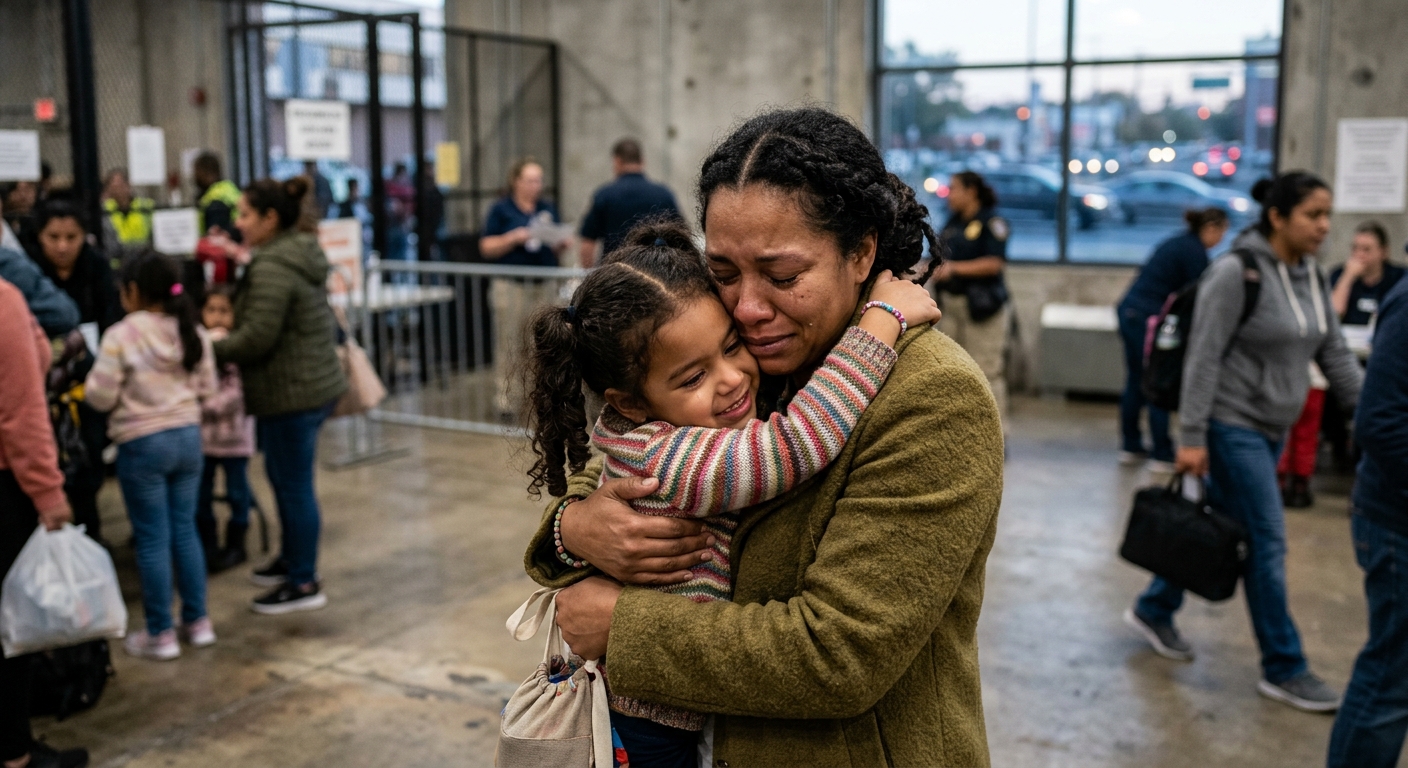
At the core of a thriving society is the foundational bond between parent and child. Yet, across the United States, institutional frameworks frequently threaten to sever this essential connection under the guise of public safety or border security. Family separation is often discussed as an isolated tragedy, but it operates continuously through two massive state machineries: the domestic child welfare system and the immigration enforcement apparatus. Whether it occurs due to the sudden detention of an undocumented parent at a border checkpoint or the removal of a child by child protective services (CPS) because of conditions rooted in systemic poverty, the trauma inflicted is equally devastating. True advocacy for children requires moving beyond momentary outrage toward permanently dismantling policies that prioritize government surveillance over actual family support. This comprehensive guide explores the deep-seated impacts of state-sponsored family separation and provides actionable strategies for everyday people to defend families, protect children’s rights, and demand necessary structural reforms.
The True Cost of Severing Ties: Why Family Preservation Matters
Removing a child from their primary caregivers is the most severe and extreme intervention a government can execute. While instances of severe, malicious abuse absolutely necessitate intervention to ensure child safety, an overwhelming majority of child removals in the United States stem from circumstances directly related to poverty—such as housing instability, utility shut-offs, or food insecurity. When the state removes a child from their home, the psychological and emotional rupture is profound and immediate. Extensive developmental science has demonstrated that abrupt separation from a primary caregiver triggers what is known as “toxic stress” in children. This extreme physiological stress response can fundamentally alter brain architecture, particularly in young children whose social and emotional foundations are actively developing.
The long-term consequences of this systemic trauma are pervasive and well-documented. Children who experience forced separation are at a statistically higher risk for enduring lifelong mental health challenges, including chronic anxiety, major depressive disorder, and post-traumatic stress disorder (PTSD). In the context of the foster care system, removal rarely guarantees stability. Many children endure multiple temporary placements, which compounds their initial trauma and disrupts their educational and social development. The disruption of these vital attachment relationships creates a lifelong ripple effect that extends beyond the individual child, ultimately weakening entire communities. Rather than resolving the root causes of family distress, the state’s reflexive use of separation acts as a punitive response that ultimately creates more harm than it prevents. Focusing on preserving the family unit is a scientifically backed necessity for healthy child development.
Racial Disparities in the U.S. “Family Policing” System
The child welfare system is ostensibly designed to protect vulnerable youth, but a closer examination of its outcomes reveals a deeply inequitable structure that disproportionately targets and disrupts marginalized communities. Today, many legal advocates, civil rights groups, and researchers refer to child protective services as the “family policing system” to more accurately describe its surveillance-heavy, punitive approach. Across the country, Black and Indigenous families face a significantly higher statistical risk of being investigated, having their children removed, and experiencing the permanent termination of parental rights compared to their white counterparts.
Extensive research underscores that these severe inequities in CPS contact between Black and white children are fundamentally driven by systemic racism rather than differing rates of actual child abuse. In many jurisdictions, the legal definition of “neglect” is broad and highly subjective. It often captures parents who simply lack the financial resources to provide certain material standards, effectively punishing them for being poor. A 2024 report by the U.S. Commission on Civil Rights examining the New York child welfare system explicitly found that the inclusion of broad “neglect” definitions and mandatory reporting laws leads directly to the over-surveillance of Black families and creates significant, long-lasting harms to those communities.
The threshold for government intervention is alarmingly low for families living in historically underserved neighborhoods. In these areas, teachers, medical professionals, and social workers—acting under the legal pressure of mandated reporting laws—frequently misinterpret cultural differences or poverty-induced struggles as intentional child maltreatment. The Administration for Children and Families notes that families of diverse racial backgrounds often have a disproportionate need for services linked to poverty, which puts them at higher risk for being reported. This dynamic results in a dual system of justice: affluent families experiencing crises are offered private, supportive services, while impoverished families are met with invasive government investigations and the terrifying threat of state custody. Addressing these systemic disparities requires a fundamental paradigm shift from mandated reporting to mandated supporting.
How Immigration Policies Fracture Families
While the domestic child welfare system primarily affects marginalized families from within the country, U.S. immigration enforcement creates an equally devastating form of family separation at the nation’s borders and within immigrant communities. The aggressive detention and deportation of undocumented parents often leaves children—many of whom are U.S. citizens by birth—in a sudden state of crisis and abandonment. According to a May 2026 analysis by the Brookings Institution, hundreds of thousands of children are directly affected by parental immigrant detention.
When a parent is unexpectedly detained by Immigration and Customs Enforcement (ICE), the sudden absence mimics the acute trauma of a CPS removal. Children may be forced into the foster care system if no other family members are immediately available, tragically bridging the gap between immigration enforcement and child welfare. Even when children are successfully placed with relatives, the financial and emotional destabilization is severe. The systemic criminalization of migration not only violates the basic human rights of asylum seekers but weaponizes family bonds as a deterrent, unethically leveraging the suffering of children as a tool for border control.
Taking Action: 5 Concrete Ways You Can Fight Family Separation
Outrage over the tragedy of family separation is only effective when it is channeled into sustained, strategic action. Everyday citizens possess the collective power to challenge both the domestic family policing system and punitive immigration practices. Here is how you can make a tangible difference in your community and nationwide:
- Advocate for Reforming Mandated Reporting Laws: Current state laws often require professionals (like teachers and doctors) to report any subjective suspicion of neglect, which floods the system with poverty-related cases. Contact your state legislators to demand that they amend the Child Abuse Prevention and Treatment Act (CAPTA) guidelines. Advocate for laws that clearly distinguish between malicious abuse and circumstances of poverty, and demand that mandatory reporting be replaced with community-based support pathways.
- Engage Your Federal Representatives: Call your Senators and Congressional Representatives to demand an absolute end to immigrant family detention and the immediate reunification of separated families. Remind them that holding families in indefinite detention or deporting primary caregivers contradicts core human rights values. Use specific asks, such as defunding ICE detention centers and redirecting those federal funds toward community-based asylum processing and legal representation.
- Support Impact Litigation and Legal Defense Funds: Systemic change frequently happens in the courtroom. Organizations dedicated to children’s rights and civil liberties are constantly filing class-action lawsuits to challenge the unconstitutional removal of children and the indefinite detention of immigrants. Donating to these organizations, or providing pro-bono services if you are a legal professional, directly funds the systemic dismantling of harmful governmental policies.
- Invest in Community Mutual Aid: Since the root cause of many child welfare investigations is poverty, one of the most effective ways to keep families together is to help them meet their basic survival needs. Support local mutual aid groups, diaper banks, community food pantries, and local bail funds. By ensuring a family has the resources to pay rent, buy groceries, or cover medical bills, you directly remove the “neglect” triggers that would otherwise invite government intervention.
- Amplify Awareness and Attend Protests: The political machinery relies on public silence to maintain the status quo. Disrupt that silence by organizing or attending peaceful marches, utilizing social media platforms to share accurate data about the harms of family separation, and writing op-eds for local newspapers. Keeping the issue in the public eye forces policymakers to respond.
Alternative Approaches: Envisioning a Pro-Family Future
To genuinely protect children and foster their well-being, society must transition from a reactive framework of punishment to one of proactive, unconditional support. A truly pro-family system would recognize that parents are best equipped to raise their children when they have access to adequate economic and social resources. This means prioritizing direct cash assistance, such as an expanded and permanent Child Tax Credit, which has been historically proven to significantly reduce child poverty rates without the need for state surveillance.
Furthermore, behavioral and mental health services must be decoupled from government intervention. Families should be able to freely seek help for substance use disorders, mental health crises, or domestic disputes without fearing that asking for assistance will result in a child welfare investigation. Investing heavily in affordable housing, universal healthcare, and accessible childcare creates a robust, community-based safety net. If the billions of taxpayer dollars currently spent on foster care were seamlessly redirected to biological families experiencing temporary crises, the vast majority of family separations could be avoided entirely.
The Paradigm Shift: From Surveillance to Support
To visualize the necessary policy changes, advocates often contrast the current system with an ideal supportive model.
| Current “Family Policing” Model | Proposed Family Support Model |
|---|---|
| Mandated reporting of suspected neglect based heavily on poverty indicators. | Mandated supporting via direct, voluntary referrals to community aid without state intervention. |
| Billions of taxpayer dollars spent on foster care placement and agency administration. | Funds redirected directly to biological families for housing, utility, and food stability. |
| Punitive separation used as the primary response to familial crisis. | Separation used solely as a last resort in cases of imminent, malicious physical danger. |
Frequently Asked Questions (FAQs)
What is the difference between child abuse and child neglect in the welfare system?
Abuse generally refers to intentional physical, emotional, or sexual harm inflicted upon a child. Neglect, however, is often defined by the state as the failure to provide adequate food, clothing, shelter, or medical care. In the United States, the vast majority of child welfare cases are for neglect, which child advocates point out is frequently just a criminalized manifestation of poverty.
Why is the child welfare system referred to by some as the “family policing system”?
Many advocates, legal scholars, and impacted families use this term to highlight how the child welfare system operates similarly to law enforcement. It heavily focuses on surveillance, invasive investigations, and punishment (such as the removal of the child) rather than offering genuine social support or financial resources to struggling families.
Does family separation only happen at the U.S. border?
No. While border separations receive significant and necessary media attention, family separation occurs daily across the country through the domestic child welfare system. Hundreds of thousands of children are removed from their homes each year, a practice that disproportionately targets and affects Black, Indigenous, and low-income communities.
How do I find out who my local and federal representatives are?
You can easily find your federal representatives by visiting the official websites for the U.S. House of Representatives and the U.S. Senate and entering your zip code. Local and state representatives can usually be found through your state legislature’s official website or your local board of elections.
References
- New York Advisory Committee Releases Report: Examining the New York Child Welfare System and Its Impact on Black Children and Families — U.S. Commission on Civil Rights. 2024-05-28. https://www.usccr.gov/news/2024/new-york-advisory-committee-releases-report-examining-new-york-child-welfare-system-and
- How many children are affected by parental immigrant detention? — Brookings Institution. 2026-05-13. https://www.brookings.edu/articles/how-many-children-are-affected-by-parental-immigrant-detention/
- Child Welfare Practice to Address Racial Disproportionality and Disparity — U.S. Department of Health and Human Services, Administration for Children and Families, Children’s Bureau. 2021-01-01. https://www.childwelfare.gov/pubs/issue-briefs/racial-disproportionality/
- Inequities in CPS contact between Black and White children — Thomas MMC, Waldfogel J, Williams OF. / PubMed Central. 2022-01-01. https://pubmed.ncbi.nlm.nih.gov/34994223/
Similar Articles








Read full bio of Sneha Tete


