
Defending Legal Protections for Migrant Children
Examining the legal rights of unaccompanied migrant children.
The Ongoing Struggle for Migrant Children’s Rights
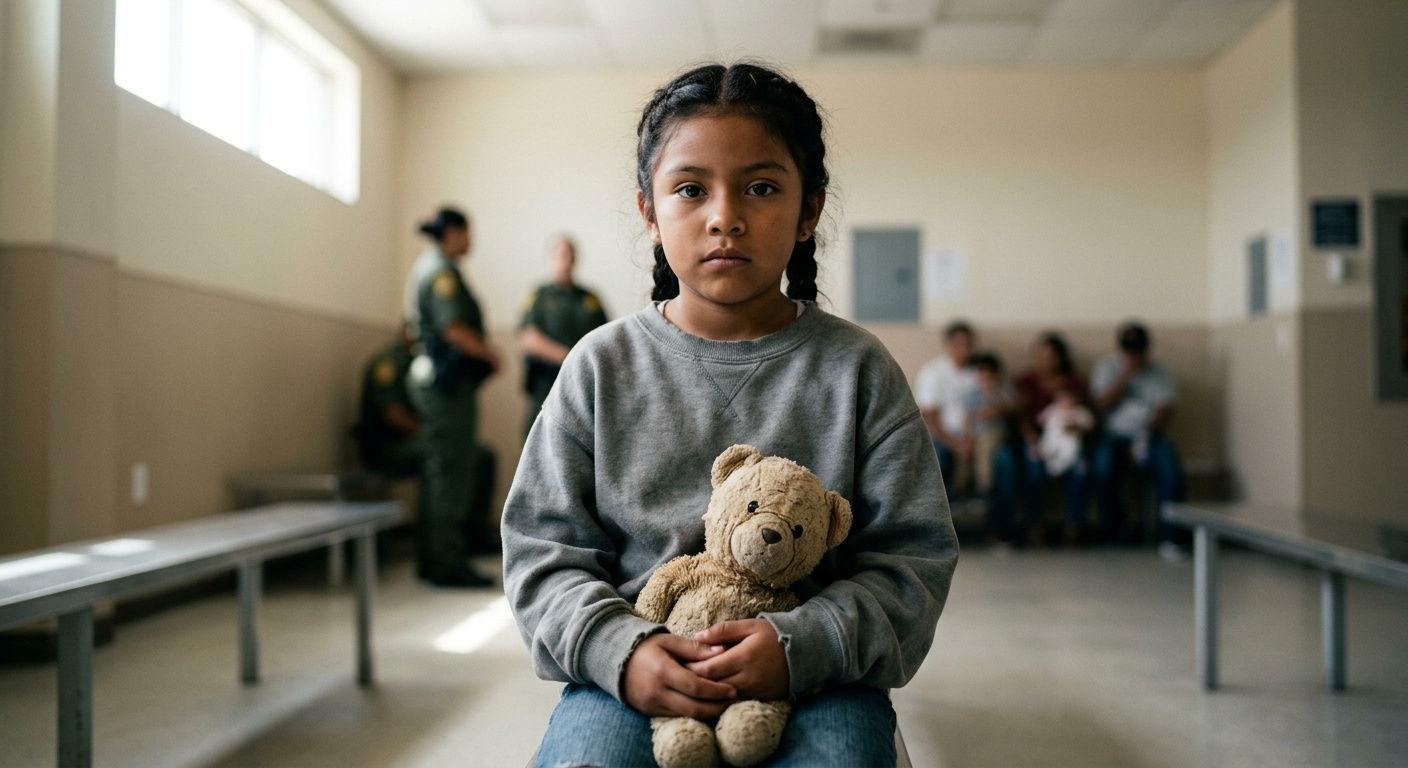
The global migration crisis has brought profoundly complex humanitarian and legal challenges to the doorstep of the United States. Among the most vulnerable populations navigating this labyrinthine immigration system are unaccompanied migrant children. Fleeing systemic violence, extreme poverty, natural disasters, and instability in their home nations, these minors arrive at the U.S. border seeking sanctuary. Upon their arrival, they enter a highly regulated federal apparatus designed to process, shelter, and eventually place them with viable sponsors. However, the realities of overcrowded border facilities, bureaucratic backlogs, and shifting political landscapes often place these youths at severe risk.
Legal protections for these unaccompanied minors are not mere voluntary guidelines; they are binding mandates enforced by the federal judiciary. Advocacy organizations, civil rights attorneys, and human rights defenders continuously fight to uphold these critical protections. Through strategic litigation, public awareness campaigns, and the filing of amicus curiae (friend of the court) briefs, these advocates strive to ensure that the government treats migrant children with the dignity, care, and constitutional due process they inherently deserve. Ensuring safe, licensed, and family-centered environments for migrant children is not just a moral obligation—it is a strict legal necessity governed by decades of established jurisprudence.
The Bureaucratic Journey: Navigating Federal Custody
To truly comprehend the legal battles surrounding migrant youth, one must first understand the bureaucratic journey they undertake upon encountering U.S. border authorities. When a child arrives unaccompanied at a U.S. port of entry or crosses the border between official checkpoints, they are initially taken into custody by U.S. Customs and Border Protection (CBP). CBP facilities are fundamentally designed for the rapid processing and short-term holding of adults, not for the long-term care of traumatized youth. These facilities often lack the necessary infrastructure to provide adequate medical care, comprehensive mental health support, or child-appropriate nutrition and sleeping arrangements.
Recognizing the inherent dangers of these harsh environments, federal law dictates strict timelines for custody transfer. The Trafficking Victims Protection Reauthorization Act (TVPRA) of 2008 explicitly mandates that unaccompanied alien children from non-contiguous countries must be transferred out of CBP custody and into the care of the Department of Health and Human Services (HHS) Office of Refugee Resettlement (ORR) within 72 hours, absent highly exceptional circumstances. The prompt transfer of custody is the first critical safeguard in ensuring a child’s safety, actively moving them from a law enforcement and national security environment into a mandated child welfare framework.
The Role of the Office of Refugee Resettlement
Once officially transferred to the Office of Refugee Resettlement, the federal government officially assumes the legal role of the child’s guardian. ORR operates a sprawling network of state-licensed shelters, transitional foster care homes, and specialized residential treatment centers across the country. The agency’s primary statutory objective is to provide a safe, sanitary, and trauma-informed environment while caseworkers actively search for a suitable sponsor. This sponsor is typically a parent, a close relative, or a trusted family friend already residing in the United States.
The vetting process for these sponsors is rigorous, meant to prevent instances of child trafficking, forced labor, or domestic abuse. However, the system frequently faces severe capacity challenges during periods of heightened border crossings. When state-licensed community facilities reach their maximum occupancy limits, ORR has historically resorted to opening temporary “influx care facilities” on federal lands or military bases. The federal reliance on these massive emergency shelters has become a central battleground for legal advocates, who passionately argue that such facilities systematically violate the foundational legal rights of children in federal custody.
The Flores Settlement Agreement: A Bedrock of Child Welfare
The bedrock of all legal protections for immigrant children in the United States is the Flores Settlement Agreement (FSA). Stemming from a landmark class-action lawsuit originally filed in 1985 on behalf of Jenny Lisette Flores—a teenage refugee from El Salvador who was detained in an adult facility—the case languished in the federal courts for over a decade. In 1997, the federal government finally agreed to a binding settlement that established national minimum standards for the treatment, placement, and release of detained immigrant children.
The core principles of the Flores Settlement include the following mandates:
- Safe and Sanitary Conditions: Children must be held in facilities that are safe, sanitary, and equipped to provide adequate food, drinking water, medical assistance, and appropriate temperature control.
- Prompt Release: The government must release children from immigration custody “without unnecessary delay” to a vetted sponsor, following a specific order of preference starting with parents and legal guardians.
- Least Restrictive Setting: If immediate release is not possible, the agreement dictates that a minor must be placed in the “least restrictive setting” appropriate for their age and special needs, which traditionally means a state-licensed, non-secure child welfare facility.
Despite its clear and humane mandates, the Flores Settlement has faced continuous legal challenges from various administrations seeking greater immigration enforcement latitude. In response to these challenges, child rights organizations mount fierce legal defenses, reminding the courts that the fundamental rights of children cannot be compromised for bureaucratic convenience.
The Dangers of Unlicensed Influx Care Facilities
The ongoing controversy surrounding influx care facilities illustrates precisely why continuous legal advocacy is absolutely essential. Because these large-scale emergency camps are typically situated on federal land or military bases, they bypass mandatory state child welfare licensing standards. State licensing is a highly critical oversight mechanism; it regulates everything from strict staff-to-child ratios and comprehensive caretaker background checks to the educational curriculum and mental health resources available on site.
Without this vital independent oversight, influx facilities operate as institutionalized holding centers where living conditions can rapidly deteriorate. Reports from massive influx sites have frequently highlighted severe deficiencies: children forced to sleep in massive, warehouse-like tents, heavily restricted movement, lack of private space, inadequate educational programming, and acute shortages of bilingual mental health professionals. Legal advocates argue that holding minors in these unlicensed, prison-like environments blatantly violates the Flores requirement of placing children in the least restrictive, state-licensed setting. Furthermore, prolonged detention in these sites directly contradicts the strict mandate to release children without unnecessary delay.
Psychological and Physical Impacts of Prolonged Institutionalization
The physical and psychological impacts of prolonged institutionalization on developing children are profound and have been thoroughly documented by medical professionals and researchers. Leading pediatric and psychological associations have consistently warned that separating children from their families and confining them in detention centers causes severe, cumulative trauma.
Extensive studies show that migrant children held in federal custody exhibit alarmingly high rates of post-traumatic stress disorder (PTSD), severe anxiety, clinical depression, and somatic symptoms such as chronic stomach aches and severe sleep disturbances. The institutional environment actively strips children of their autonomy and aggressively interrupts critical stages of emotional and cognitive development. Even in the best-resourced licensed shelters, the constant uncertainty regarding their legal cases and reunification timelines fosters a pervasive sense of helplessness. Public health experts argue that the only true remedy for this trauma is immediate release into community-based settings, coupled with comprehensive, trauma-informed care and integration support within U.S. communities.
The Power of Legal Advocacy and Amicus Briefs
This is exactly where the power of targeted legal advocacy and the strategic use of amicus briefs become a critical lifeline for detained minors. An amicus curiae brief allows non-party organizations—such as pediatric academies, human rights clinics, and child welfare non-profits—to inject specialized knowledge and research into ongoing federal litigation. When courts are evaluating whether an influx facility genuinely meets the legal definition of “safe and sanitary,” or whether a 30-day delay in sponsorship vetting constitutes an “unnecessary delay,” amicus briefs provide the empirical data necessary to inform complex judicial opinions.
These specialized legal documents effectively translate clinical trauma assessments and complex child development theories into highly actionable legal arguments. They serve to remind the judiciary that behind every docket number is a vulnerable child whose cognitive development and psychological well-being hang in the balance. By continuously holding the government accountable to both the letter and spirit of the law, child rights defenders ensure that federal agencies do not sacrifice fundamental human rights at the altar of political expediency. Recent regulatory actions, such as the 2024 Unaccompanied Children Program Foundational Rule, aim to codify these vital protections into a more permanent regulatory framework, yet advocates must remain ever vigilant to ensure that enforcement matches the statutory promises.
Sponsorship Vetting and Preventing Labor Exploitation
Furthermore, child welfare advocates are not solely concerned with the conditions of physical detention; they are equally focused on the safety and outcomes of a child’s release. Recent investigative hearings have highlighted alarming instances where the federal government, under intense pressure to alleviate shelter overcrowding, expedited the release of unaccompanied minors to inadequately vetted sponsors. Tragically, this has sometimes led to severe cases of child labor exploitation.
In various factories, meatpacking plants, and hazardous construction sites across the country, unaccompanied minors have been discovered working dangerous, illegal night shifts. This crisis underscores the immensely challenging balancing act that ORR faces: navigating the legal and moral imperative to release children as quickly as possible while strictly maintaining the absolute necessity of rigorous sponsor vetting. Advocates emphasize that the solution is not to revert to prolonged institutional detention, but rather to properly fund, oversee, and significantly expand post-release services to monitor youth safety.
Reforming the Process: Steps Toward a Humane System
Transforming the current system requires comprehensive legislative and administrative reforms that prioritize human rights and child welfare over rapid immigration enforcement. To establish a system that truly honors the rights of children, legal experts propose several structural reforms:
- Expanding Licensed Foster Care: Increasing federal investment in community-based, state-licensed shelters and transitional foster care networks to permanently eliminate the reliance on massive, unlicensed influx facilities.
- Independent Legal Representation: Mandating and fully funding government-appointed legal counsel for all unaccompanied minors facing deportation proceedings. Children cannot be expected to navigate adversarial immigration courts on their own.
- Strengthening Post-Release Services: Providing sustained funding for community social workers and independent child advocates to follow up with minors after they are released to sponsors, ensuring they are actively enrolled in school, receiving necessary medical care, and are entirely protected from labor exploitation.
- Protecting Sponsor Data: Enacting strict statutory firewalls between child welfare data and immigration enforcement agencies. The fear of potential deportation must never deter undocumented parents from coming forward to safely claim their children.
- Trauma-Informed Training: Ensuring that all personnel interacting with migrant youth—from initial border patrol agents to ORR caseworkers—undergo comprehensive, ongoing training in trauma-informed care and culturally competent communication.
Conclusion
The legal framework protecting migrant children in U.S. custody is a testament to the nation’s enduring, albeit frequently challenged, commitment to fundamental human rights. The Flores Settlement Agreement, bolstered by subsequent legislation like the TVPRA and newer foundational administrative rules, forms an indispensable shield against institutional abuse. Yet, as fluctuating border dynamics and shifting political priorities continue to strain the federal apparatus, these protections are only as strong as the enforcement mechanisms actively backing them. Organizations dedicated to children’s rights serve as the crucial vanguard in this ongoing struggle, utilizing every legal tool available to defend the defenseless. Ultimately, ensuring that migrant children are met with compassion, appropriate care, and unwavering legal protection is a critical mandate that transcends borders and politics.
Frequently Asked Questions (FAQs)
What is an unaccompanied alien child (UAC)?
Under U.S. law, an unaccompanied alien child is formally defined as a minor under the age of 18 who has no lawful immigration status in the United States and who does not have a parent or legal guardian present in the country to provide immediate care and physical custody. These children require specialized welfare processing rather than standard adult immigration detention.
What exactly does the Flores Settlement Agreement do?
The 1997 Flores Settlement Agreement establishes the national minimum standards for the treatment, placement, and prompt release of detained migrant children. It legally mandates that children must be released to vetted sponsors without unnecessary delay. If immediate release is not possible, the minor must be housed in the least restrictive setting available, which typically means a state-licensed child welfare facility equipped to handle their unique educational, medical, and emotional needs.
Why are influx care facilities heavily criticized by child advocates?
Influx care facilities, which are often large-scale emergency camps built on federal land or military bases, completely bypass mandatory state child welfare licensing. Because they operate without independent state oversight, these facilities often fail to meet the rigorous standards required for staff background checks, educational programming, and therapeutic mental health care. Advocates argue that placing children in these institutionalized environments violates their legal rights to humane, trauma-informed care.
How do organizations use amicus briefs to protect children?
An amicus curiae, or “friend of the court,” brief is a formal legal document filed by non-litigant experts—such as child psychologists, human rights organizations, and pediatricians—who have a strong interest in the subject matter. In cases concerning migrant children, these briefs supply federal judges with critical empirical data on the severe harms of prolonged detention, helping shape legal interpretations and ensuring that government policies do not undermine fundamental child protections.
Who oversees the sponsor vetting process for migrant children?
The Department of Health and Human Services (HHS) Office of Refugee Resettlement (ORR) is legally responsible for vetting potential sponsors. While prioritizing swift reunification to limit the psychological harms of detention, ORR must conduct thorough background checks to ensure the child will not be subjected to human trafficking, severe abuse, or unlawful labor exploitation upon their release.
References
- Flores Settlement Agreement — The Administration for Children and Families (HHS). 2014-11-13. https://www.acf.hhs.gov/orr/policy-guidance/flores-settlement-agreement
- Unaccompanied Children Program Foundational Rule — Federal Register. 2024-04-30. https://www.federalregister.gov/documents/2024/04/30/2024-07966/unaccompanied-children-program-foundational-rule
- Health Risks of Unaccompanied Immigrant Children in Federal Custody and in US Communities — National Center for Biotechnology Information (PMC). 2023-10-26. https://www.ncbi.nlm.nih.gov/pmc/articles/PMC10787680/
- Hearing Wrap Up: Oversight of the Office of Refugee Resettlement’s Unaccompanied Alien Children Program — U.S. House Committee on Oversight and Accountability. 2023-04-18. https://oversight.house.gov/release/hearing-wrap-up-orr-director-fails-to-answer-questions-about-85000-lost-unaccompanied-alien-children-flawed-vetting-of-sponsors-and-more/
Similar Articles








Read full bio of medha deb


