
Defending Immigrant Children Against Family Separation
The legal crusade and advocacy defending immigrant children's rights.
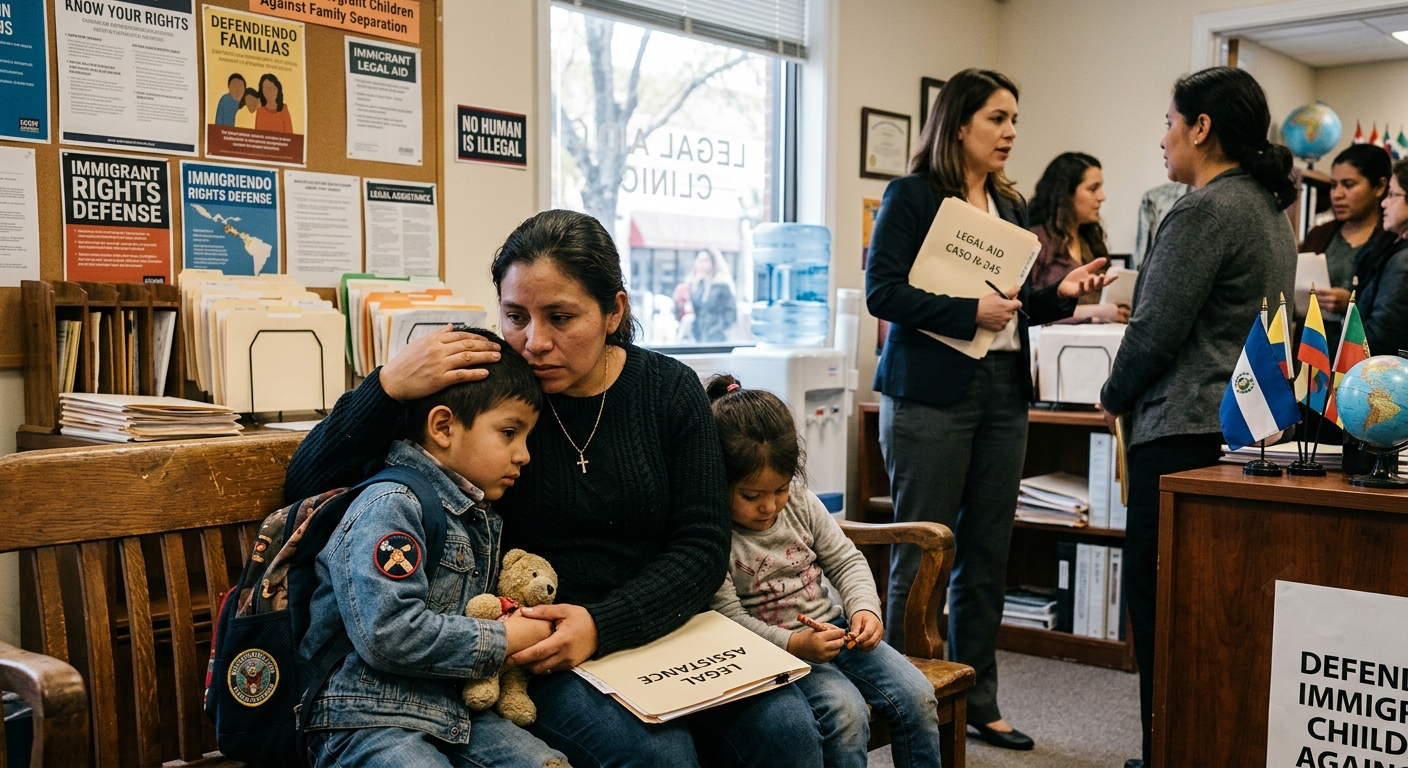
In recent years, the United States immigration system has faced unprecedented scrutiny, particularly regarding its treatment of families and young children seeking asylum at the southern border. At the center of this controversy lies the harrowing practice of family separation—a systemic approach that forcibly removed minors from their parents or guardians. The intersection of civil liberties, international human rights law, and domestic child welfare has never been more sharply illuminated than in the legal and social battles fought to end these policies. While the political rhetoric surrounding border security often obfuscates the human toll, the stories of fractured families have catalyzed a formidable response from legal scholars, civil rights attorneys, and child advocacy organizations. The tireless efforts of legal professionals to challenge government overreach not only spotlighted the unconstitutional nature of these border strategies but also underscored the indispensable role of coordinated legal advocacy in protecting the nation’s most vulnerable populations.
The Devastating Impact of Family Separation on Child Welfare
The policy of family separation was not merely an administrative misstep; it was a deliberate deterrent strategy that inflicted profound, and in many cases, irreversible trauma on children. When families undertake the perilous journey to the United States, they are frequently fleeing extreme violence, economic instability, or political persecution. Arriving at the border, the expectation of safe harbor was met instead with aggressive enforcement tactics. For children, the sudden and forceful separation from their primary caregivers in an unfamiliar and highly institutionalized environment triggers what pediatricians and psychologists term “toxic stress.”
Toxic stress fundamentally alters a child’s neurological development. Without the buffering presence of a trusted adult, the child’s stress response system goes into overdrive, flooding the brain with cortisol and other stress hormones. Over time, this heightened state of alert can lead to significant cognitive impairments, emotional dysregulation, and an increased susceptibility to chronic physical and mental health disorders. Research documented by health organizations has shown that children separated from their parents face drastically higher rates of post-traumatic stress disorder (PTSD), severe anxiety, and depressive episodes . The trauma is compounded by the opaque nature of the detention system, where children were often moved to facilities thousands of miles away from their parents, with little to no communication or tracking mechanisms in place.
Beyond the immediate psychological shock, the instability introduced by family separation disrupts a child’s developmental trajectory. Educational outcomes plummet, and the foundational trust required to build healthy social relationships is shattered. The profound moral and ethical implications of using child trauma as an instrument of immigration deterrence galvanized medical professionals and human rights advocates to label the practice as a form of government-sanctioned child abuse. Consequently, the fight to reverse these policies required a multifaceted approach, blending aggressive litigation with comprehensive child welfare reform.
Civil Rights in the Courtroom: Challenging Border Policies
The courtroom emerged as the primary battleground against punitive immigration enforcement. Civil rights organizations spearheaded the legal pushback, mobilizing vast resources to protect undocumented families. Attorneys dedicated to immigrants’ rights became the vanguard of this defense, arguing that the deliberate separation of families violated the most fundamental protections afforded by the U.S. Constitution . The core legal argument hinged on the Due Process Clause of the Fifth Amendment, which protects the fundamental right to family integrity from unwarranted governmental interference.
The litigation was exceptionally complex, requiring plaintiffs to navigate a labyrinth of federal agencies, including the Department of Homeland Security (DHS) and the Office of Refugee Resettlement (ORR). The landmark class-action lawsuits demanded an immediate injunction against the separation policy and mandated the swift reunification of thousands of children with their parents. The government’s failure to maintain integrated databases tracking both the parents and the children they arrived with turned the reunification process into a logistical nightmare. In courtrooms across the country, advocates laid bare the cruel indifference of the bureaucracy, presenting compelling testimonies from traumatized parents who had no idea where their children were being held.
These legal victories were watershed moments in American jurisprudence. Federal judges issued nationwide injunctions halting the practice, declaring that the government’s actions shocked the conscience and violated basic constitutional norms. However, securing a court order was only the first step. The ensuing phase—locating parents who had already been deported without their children, coordinating international search efforts, and facilitating safe reunifications—required a monumental, collaborative effort. The success of these legal challenges relied heavily on a coalition of non-governmental organizations, pro bono law firms, and international humanitarian groups working in lockstep.
The Interconnected Role of Child Advocacy Organizations
The battle against family separation highlighted the crucial ecosystem of child advocacy groups that operate alongside high-profile litigators. Organizations dedicated to children’s rights provided the essential groundwork that made legal victories possible. These groups focus on the granular, day-to-day welfare of the children caught in the system. While civil rights lawyers fought the overarching constitutional battles in federal court, child advocates worked directly within the detention centers and foster care systems to protect individual minors.
These organizations appoint independent child advocates—often trained social workers or specialized lawyers—to represent the “best interests” of the child. Unlike adult proceedings, where defendants have a right to appointed counsel, immigration law does not guarantee legal representation for children. This glaring gap means that toddlers and young teenagers are frequently forced to navigate complex adversarial immigration hearings entirely alone. Advocacy groups step in to fill this void, ensuring that the child’s voice is heard and that their specific traumatic experiences are factored into legal and placement decisions.
Furthermore, these organizations play a pivotal role in holding the government accountable post-litigation. When federal courts ordered the reunification of families, it was often grassroots organizations that tracked down deported parents in remote villages across Central America. They facilitated DNA testing, arranged secure communication channels, and provided the necessary psychosocial support once families were finally reunited. The synergy between constitutional litigators and specialized child welfare advocates created a holistic defense mechanism that not only sought to change the law but also aimed to actively heal the individuals harmed by it.
By the Numbers: Immigration Enforcement and Child Welfare
The scale of the family separation crisis is difficult to grasp without examining the empirical data. Various independent watchdogs, human rights groups, and governmental reports have attempted to quantify the staggering impact of aggressive interior and border enforcement on children. The statistics reveal a sprawling humanitarian crisis.
| Metric / Focus Area | Estimated Impact / Statistic | Contextual Details |
|---|---|---|
| Children Initially Separated at the Border | Over 5,500 Minors | Documented separations under the formal enforcement policy timeframe before the executive order cessation. |
| Children Lacking Reunification Post-Policy | Approx. 1,360 Minors | Years after the initial injunction, hundreds of children remained separated due to deported parents and lost government records . |
| Children Affected by Interior Detention | Approx. 205,000 Children | Number of children (including U.S. citizens) experiencing parental detention due to interior immigration arrests . |
| Foster Care Placements | Surge in State Custody | Inability to locate deported parents often forced undocumented minors indefinitely into state child welfare and foster systems. |
The Long Road to Reunification and Policy Reform
The cessation of the official blanket enforcement policy did not mark the absolute end of family separations. Reports from legal clinics and civil rights organizations indicate that border officials continue to separate families under various discretionary pretexts. These include questioning a parent’s criminal history for minor infractions or doubting the biological relationship between the adult and child without sufficient investigative evidence . This persistent practice underscores the deep-seated cultural and systemic issues within immigration enforcement agencies that require constant vigilance from watchdogs.
The path forward requires more than just reactive litigation; it necessitates proactive, comprehensive legislative reform. Advocates argue for statutory changes that strictly limit the circumstances under which a child can be separated from a parent, reserving such drastic measures exclusively for cases where the child is in verifiable, immediate physical danger from the adult. Furthermore, there is a pressing need for independent oversight mechanisms within border holding facilities to prevent abuses and ensure strict compliance with domestic and international child welfare standards.
Accountability for past harms is also a crucial component of justice. Human rights reports have strongly suggested that the deliberate separation of families, carried out to inflict suffering as a deterrent, meets the international legal definitions of torture and enforced disappearance . Yet, there has been virtually no accountability for the architects of these policies. For the affected families, justice looks like permanent legal status, comprehensive mental health support, restitution, and formal acknowledgment of the profound harm inflicted by the state.
Conclusion: Safeguarding the Future
The legacy of this dark chapter in immigration history serves as a stark reminder of the fragility of civil rights and the ease with which vulnerable populations can be marginalized. The relentless work of dedicated attorneys and child advocates demonstrates the power of the legal system to act as a bulwark against executive overreach. However, the true measure of society’s moral compass is not just in how it corrects its mistakes, but in how it preemptively treats its most defenseless members. The ongoing advocacy for immigrant children’s rights ensures that the fight for human dignity at the border remains a central pillar of the broader pursuit of justice and equality.
Frequently Asked Questions (FAQs)
- What was the root cause of the family separation crisis at the border?
The crisis was primarily triggered by an executive directive aimed at prosecuting every adult who crossed the U.S. border unlawfully. Because children cannot be held in federal criminal detention facilities with their parents, this policy resulted in the systematic and forceful separation of thousands of minors from their families. - How did civil rights attorneys challenge family separation?
Attorneys filed national class-action lawsuits arguing that separating families without a clear demonstration that the parent posed a danger to the child violated the Due Process Clause of the U.S. Constitution, which protects family integrity. Federal judges agreed, issuing injunctions to halt the practice. - What happens to children when they are separated from their parents at the border?
Separated children are typically reclassified as unaccompanied minors and transferred to the custody of the Office of Refugee Resettlement (ORR). From there, they are placed in government-funded shelters, institutional facilities, or foster homes while navigating immigration proceedings, often without legal representation. - Are families still being separated today?
Yes, while the blanket policy was ended, watchdogs report that border agents still separate families under certain discretionary exceptions, such as unverified claims of criminal history or illness, often without providing sufficient evidence or due process . - How can the public support immigrant children’s rights?
Supporting legal advocacy groups, volunteering as independent child advocates, donating to humanitarian aid organizations, and engaging in civic advocacy to demand humane, trauma-informed immigration reform are vital ways the public can assist.
References
- “It felt like my son had died”: Zero tolerance and the trauma of family separation — National Center for Biotechnology Information (PMC). 2020-04-20. https://www.ncbi.nlm.nih.gov/pmc/
- How many children are affected by parental immigrant detention? — Brookings Institution. 2026-05-13. https://www.brookings.edu/articles/how-many-children-are-affected-by-parental-immigrant-detention/
- Lowenstein Clinic and Partners Publish Report on Family Separations at U.S. Border — Human Rights Watch. 2024-12-16. https://www.hrw.org/
- New Report: Family Separation Persists at the U.S.-Mexico Border — UCLA Law. 2024. https://law.ucla.edu/news/new-report-family-separation-persists-us-mexico-border
- Lee Gelernt: A fierce advocate reuniting separated families — Harvard Law School. 2018-10-31. https://hls.harvard.edu/today/lee-gelernt-a-fierce-advocate-reuniting-separated-families/
Similar Articles








Read full bio of Sneha Tete


