
Creating A Valid Will In Delaware: Essential Legal Guide
Comprehensive guide to Delaware will requirements, execution, probate, and estate planning essentials for secure asset distribution.
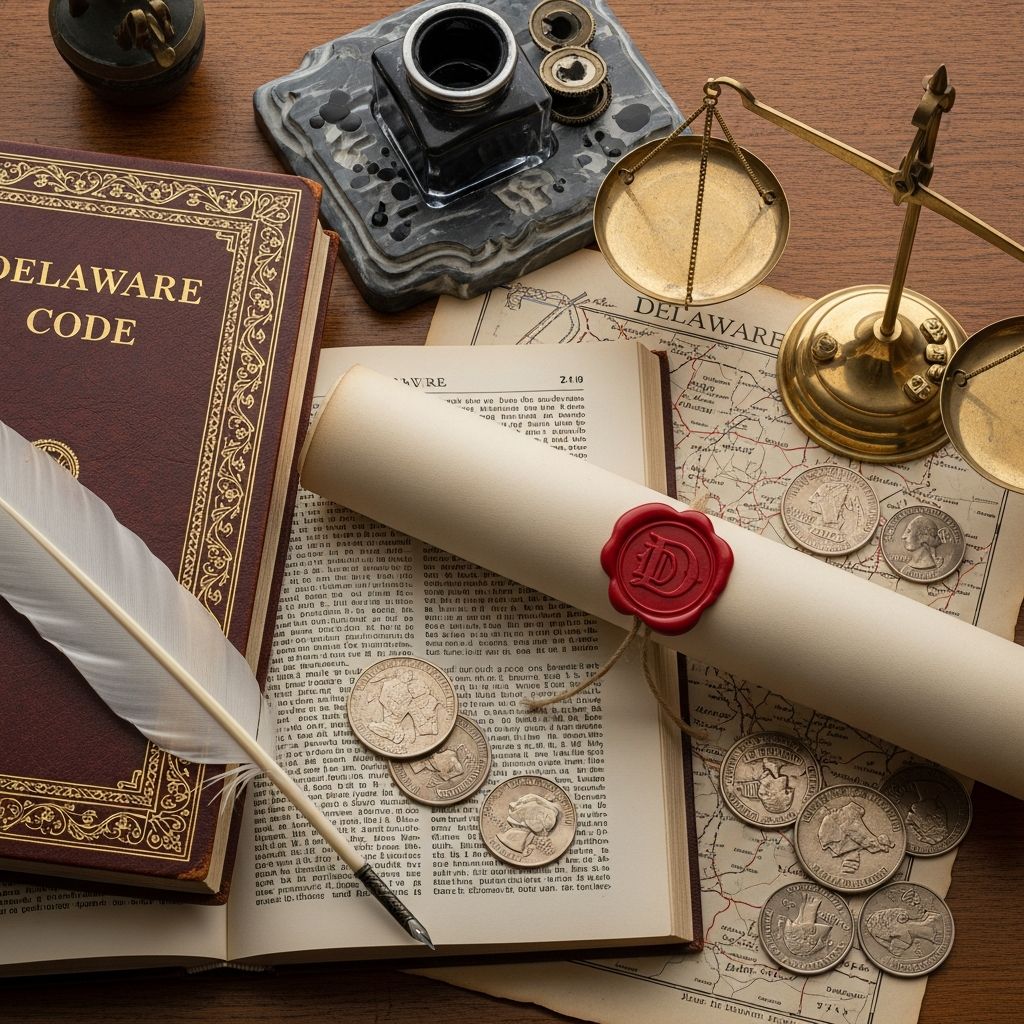
Establishing a last will and testament in Delaware provides a structured way to direct the distribution of your assets after death, appoint guardians for minors, and designate executors. Delaware law outlines specific criteria to ensure wills are enforceable, emphasizing capacity, written form, and proper witnessing. This guide explores these rules, probate procedures, and planning strategies to help residents safeguard their legacies.
Who Qualifies to Draft a Will Under Delaware Law
Delaware statutes stipulate that individuals aged 18 or older, possessing sound mental capacity, can execute a will covering real and personal property. Sound mind means understanding the nature of one’s assets, recognizing natural heirs, and comprehending the will’s effects. Minors under 18 lack this capacity, preventing them from creating valid wills.
Mental competence is assessed at signing; temporary conditions like illness do not invalidate if capacity exists then. Courts presume competence unless proven otherwise, protecting testators from challenges.
Core Requirements for a Legally Binding Will
A Delaware will must be in writing, signed by the testator or a proxy under their direction and presence, and witnessed by at least two credible individuals who sign in the testator’s presence. Witnesses need not be disinterested; beneficiaries can serve, unlike some states.
- Written Form: Typed or handwritten documents qualify; holographic wills (fully handwritten) require full formalities including witnesses.
- Signature: Testator’s mark suffices if unable to sign, with directed proxy signing allowed.
- Witnesses: Two or more credible persons; competence as general witnesses suffices.
Non-compliance voids the will. Real property is fully devisable.
Streamlining Probate with Self-Proving Affidavits
Self-proved wills expedite probate by including a notarized affidavit from testator and witnesses affirming execution. This eliminates live witness testimony, as statutory language verifies signatures. Notarization before a public notary post-signing achieves this, reducing delays in asset transfers.
Revoking or Amending an Existing Will
Delaware permits revocation via physical destruction by the testator or agent, a new will, or a signed, witnessed codicil. Implied revocation occurs through inconsistent later documents. Partial alterations require formal codicils matching will execution standards.
A separate dated list can dispose of tangible personal property (excluding money, securities, business assets) if handwritten or signed by testator, identifying items and recipients clearly, and consistent with the will. Latest dated list prevails in conflicts.
Incorporating Out-of-State Wills in Delaware Estates
Delaware honors wills executed elsewhere if compliant with Delaware law, the execution state’s law, or the testator’s domicile at execution or death. This facilitates mobility for residents with multi-state assets.
Key Elements to Include in Your Delaware Will
Beyond basics, effective wills address:
- Executor Appointment: Names a trusted administrator; consider alternates and bond waivers.
- Beneficiaries: Specific bequests for property, residues to heirs.
- Guardians for Minors: Designates caregivers for children under 18.
- Real Estate: Devise parcels; note executor conveyance rules pre-1985.
- Tangible Items: Reference external lists for flexibility.
- Gifts to Minors: Custodial provisions or trusts.
| Will Component | Purpose | Delaware Consideration |
|---|---|---|
| Executor | Manages probate | Bond optional; name successor |
| Guardians | Child care | Court approval if contested |
| Specific Bequests | Item distribution | Use lists for tangibles |
| Residue Clause | Catch-all | Prevents intestacy |
Navigating Probate in Delaware Counties
Probate transfers titled assets; required if over $30,000 personal property or solely-owned real estate. New Castle, Kent, Sussex Counties handle via Registers of Wills. Small estates may qualify for simplified affidavits if under thresholds.
Process: File original will, inventory assets, notify heirs, pay debts, distribute. Self-proved wills speed verification.
Planning for Small Estates in Delaware
For modest assets, basic wills cover essentials like burial wishes, powers of attorney, healthcare directives alongside wills. Seminars emphasize client intake, specific requests, fiduciary bonds, and minor gifts. Delaware Volunteer Legal Services aids pro bono drafting.
Common Pitfalls and Best Practices
Avoid DIY errors; consult attorneys for complexity. Update wills post-life events (marriage, birth, divorce). Store securely, inform executor of location. Pair with durable powers of attorney and healthcare directives for comprehensiveness.
- Ensure witnesses are available long-term.
- Declare holographic intent clearly.
- Review for consistency with prior documents.
Frequently Asked Questions About Delaware Wills
Can beneficiaries witness my will?
Yes, Delaware allows interested witnesses; the will remains valid.
Is a handwritten will valid?
Only if signed and witnessed properly; no standalone holographic exception.
What if I move from another state?
Out-of-state wills are recognized if meeting specified laws.
Do I need probate for all assets?
No, only titled solo assets over $30,000 or real estate.
How do I make my will self-proving?
Add notarized affidavit with statutory language.
Can I revoke by accident?
Only expressly; marriage/divorce doesn’t automatically.
What about digital assets?
Specify in will or use separate tools; consult experts.
Additional Estate Planning Tools
Complement wills with:
- Durable Power of Attorney: Handles finances during incapacity.
- Healthcare Directive: Appoints agents, states wishes.
- Trusts: Avoid probate for larger estates.
Everyone 18+ should plan; even small estates benefit from clarity.
References
- Wills – Delaware Code Online — Delaware General Assembly. 2023. https://delcode.delaware.gov/title12/c002/sc01/
- Wills and Estates FAQ – Sussex County — Sussex County Government. Accessed 2026. https://sussexcountyde.gov/wills-and-estates
- How to Draft a Will for a Small Estate in Delaware 2026 — Delaware State Bar Association. 2026-01-09. https://www.dsba.org/event/how-to-draft-a-will-for-a-small-estate-in-delaware-2026/
- Basic Requirements for a Last Will and Testament in Delaware — LawInfo. Accessed 2026. https://www.lawinfo.com/resources/wills/delaware/
- Register of Wills | New Castle County, DE — New Castle County Government. Accessed 2026. https://www.newcastlede.gov/152/Register-of-Wills
Similar Articles








Read full bio of Sneha Tete


