
COVID-19’s Hidden Toll on LGBTQ+ Youth in Foster Care
How the pandemic magnified systemic dangers for LGBTQ+ youth in child welfare.
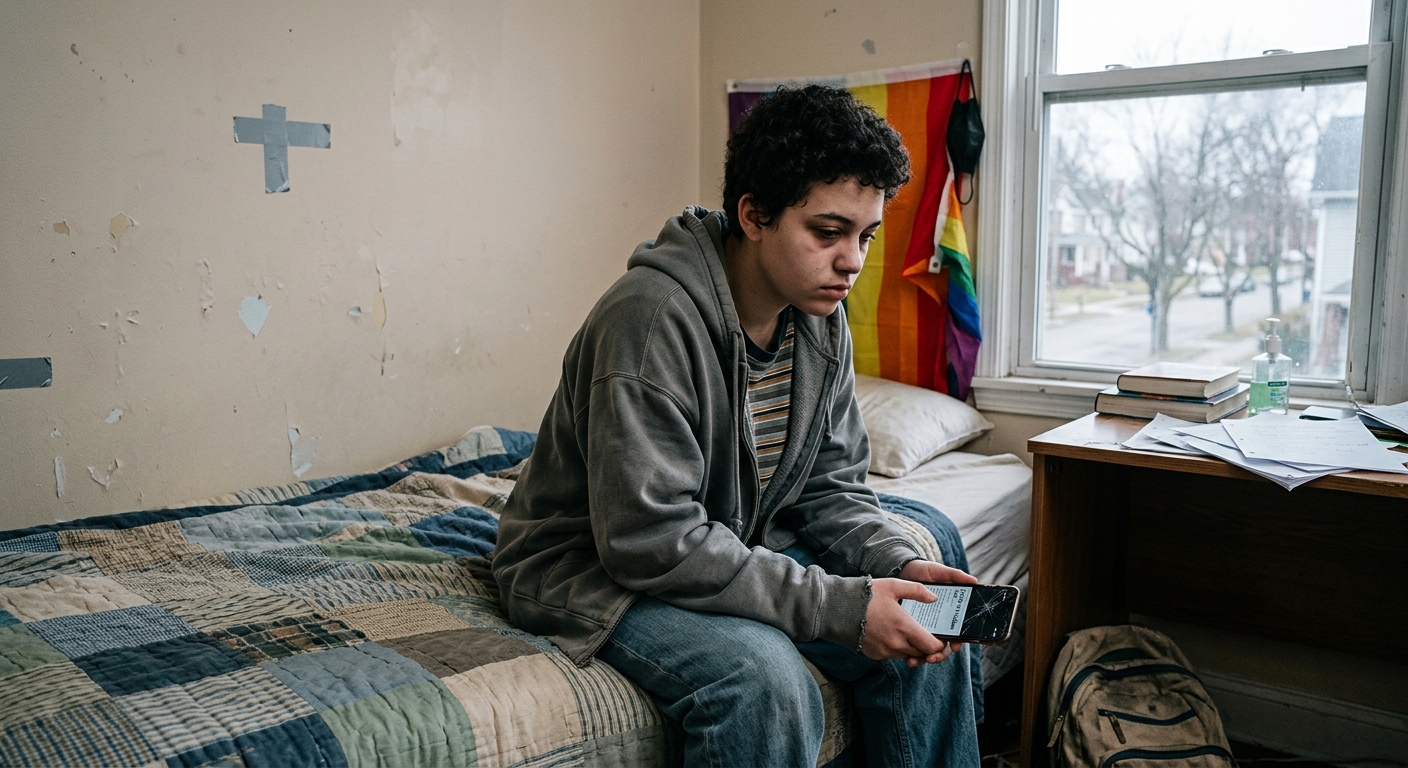
The Precarious Baseline: LGBTQ+ Youth in Child Welfare
The foster care system has historically functioned as a delicate, often unreliable safety net for the nation’s most vulnerable children. However, for lesbian, gay, bisexual, transgender, and queer (LGBTQ+) youth, this safety net is frequently compromised by systemic biases, an acute shortage of affirming placements, and institutional blind spots. The emergence of the COVID-19 pandemic did not merely disrupt the daily operations of child welfare agencies; it acted as a devastating threat multiplier, intensifying the specific dangers that queer and transgender youth already faced on a daily basis.
Extensive research demonstrates that LGBTQ+ adolescents are significantly overrepresented in out-of-home care compared to their non-LGBTQ+ peers . Many of these young people enter the child welfare system bearing the profound trauma of familial rejection, only to encounter secondary trauma within the very institutions mandated to protect them. Before the viral outbreak, these youth were already battling disproportionate rates of placement instability, group home institutionalization, and systemic discrimination. When global lockdowns, social distancing mandates, and institutional closures were implemented to curb the spread of the novel coronavirus, the fragile support systems holding these young people together were abruptly dismantled, leaving them exposed to unprecedented levels of risk.
The Pre-Pandemic Landscape vs. Pandemic Realities
To accurately assess the magnitude of the pandemic’s impact, one must evaluate the pre-existing realities of LGBTQ+ youth in the foster care apparatus. Historically, many foster families and group home staff members have lacked the cultural competency, specialized training, or basic willingness to support a child’s sexual orientation or gender expression. This pervasive lack of affirmation often results in deeply hostile living environments. Consequently, queer youth in care frequently report higher rates of runaway episodes and subsequent juvenile justice involvement—often the direct result of survival strategies employed while trying to escape abusive foster placements.
The table below illustrates how the COVID-19 crisis rapidly compounded existing vulnerabilities within the child welfare system:
| Vulnerability Domain | Pre-Pandemic Reality for LGBTQ+ Youth | Pandemic-Exacerbated Reality |
|---|---|---|
| Community Support | Reliance on schools and LGBTQ+ drop-in centers for safety and affirmation. | Total closure of physical safe spaces, trapping youth in unsupportive or abusive homes. |
| Mental Health | Elevated baseline risks for depression, anxiety, and suicidality due to minority stress. | Severe isolation, lack of privacy for telehealth therapy, and restricted access to counselors. |
| Healthcare Access | Struggles to access gender-affirming care and specialized sexual health resources. | Postponement of gender-affirming procedures and restricted access to safer sex supplies. |
| Housing Independence | High risk of homelessness upon aging out of the foster care system. | Eviction moratoriums ending, rapid job losses, and disrupted transition-to-adulthood services. |
The Erosion of Affirming Community Spaces
For a vast majority of the population, the public health directive to stay at home during the apex of the COVID-19 crisis was an economic and social inconvenience, but fundamentally a physically safe mandate. However, for LGBTQ+ youth residing in non-affirming, hyper-religious, or overtly hostile foster homes, these mandatory lockdowns equated to inescapable psychological and physical isolation. School closures, the suspension of extracurricular activities, and the shuttering of community centers entirely severed their primary lifelines to the outside world.
Drop-in centers designed specifically for homeless, at-risk, and foster queer youth were forced to close their doors or severely restrict their operational capacities to comply with health mandates. The loss of these physical spaces was catastrophic for several reasons:
- Loss of Identity Affirmation: Community centers often provide the only environment where a young person is referred to by their correct name and pronouns, fostering a critical sense of belonging.
- Disruption of Essential Supplies: These organizations serve as vital distribution hubs for gender-affirming items (such as chest binders and tucking garments) and safer sex supplies, which became incredibly difficult to obtain privately during the lockdown.
- Severed Peer Networks: The pandemic dismantled chosen families—networks of peers and mentors who provide the unconditional love and guidance that is often absent in their biological or foster families.
Psychological Strain and The Mental Health Epidemic
The psychological ramifications of the COVID-19 pandemic on adolescents globally have been widely documented, but LGBTQ+ youth in the child welfare system faced a uniquely grueling psychological gauntlet. The intersection of being a sexual or gender minority and a ward of the state creates a compounding effect on mental health distress. A comprehensive brief by The Trevor Project highlighted that the physical distancing measures and economic strains associated with COVID-19 significantly exacerbated the mental health challenges and suicide risks for LGBTQ+ young people .
Trapped in environments that demanded they hide their authentic selves, many youth experienced severe regressions in their mental health. Furthermore, while the healthcare industry rapidly pivoted to telehealth services, this transition was fraught with accessibility issues for foster youth. Engaging in an honest, confidential conversation with a remote therapist is virtually impossible when a hostile foster parent is listening from the other side of a thin bedroom wall. The lack of privacy, combined with unequal access to stable broadband internet and private digital devices, effectively locked many vulnerable youths out of the mental health support systems they desperately needed.
For transgender and non-binary youth, the pandemic brought the added trauma of delayed or canceled gender-affirming medical treatments. Elective procedure bans and overwhelmed clinical infrastructures meant that vital hormonal therapies and surgical consultations were indefinitely postponed, leading to acute spikes in gender dysphoria and related psychological distress.
Displacement, Housing Instability, and the Aging Out Crisis
Transition-age youth—those who are legally transitioning or aging out of the foster care system—face a monumental and terrifying leap into adulthood even under the most robust economic conditions. When the pandemic paralyzed the global economy, the fragile scaffolding supporting these young adults entirely collapsed. Retail, hospitality, and food service sectors—industries that disproportionately employ transition-age youth due to lower entry barriers—were decimated, leading to immediate and widespread job losses.
A pivotal study published in the journal Child Abuse & Neglect meticulously tracked these outcomes, revealing that LGBTQ+ foster care alumni experienced significantly more negative outcomes in housing stability, employment retention, and trauma compared to their non-LGBTQ+ peers during the pandemic . The loss of income swiftly translated to housing insecurity. While federal and local eviction moratoriums provided temporary relief for some, many young LGBTQ+ adults lacking formal lease agreements or relying on informal sublets and couch-surfing arrangements found themselves navigating the streets during a public health emergency.
Furthermore, the bureaucratic machinery of the child welfare system ground to a halt. Transition planning, which is legally mandated to help older youth secure housing, employment, and educational pathways before exiting care, was severely disrupted. Caseworkers overwhelmed by crisis management struggled to facilitate the complex logistical steps required to ensure youth did not transition from state care directly into homelessness.
Systemic Fractures in the Child Welfare Infrastructure
The pandemic exposed and widened the pre-existing fractures within the national child welfare infrastructure. As state agencies transitioned to remote work environments, standard operating procedures designed to monitor child safety and wellbeing were severely compromised. A report from the U.S. Government Accountability Office (GAO) noted widespread challenges affecting child protective and foster care services, including significant delays in child welfare court hearings .
These court delays had profound implications for permanency planning. Family reunifications, adoptions, and emancipation hearings were indefinitely postponed, leaving youth languishing in a state of legal and residential limbo. For LGBTQ+ youth, prolonged stays in unstable or unsupportive foster placements inherently multiplied their risk of exposure to systemic abuse.
Additionally, the shift from mandated in-person caseworker visits to virtual check-ins created dangerous blind spots. Caseworkers rely heavily on non-verbal cues, physical home inspections, and private conversations to assess a child’s safety. Video calls conducted on a foster parent’s smartphone, often with the caregiver present in the room, severely limited a caseworker’s ability to detect signs of emotional abuse, identity-based harassment, or physical neglect. The systemic inability to properly monitor the nuanced safety needs of LGBTQ+ youth during the lockdown represents one of the most critical institutional failures of the pandemic era.
Navigating the Future: Essential Systemic Reforms
The compounding crises of the COVID-19 pandemic must serve as a profound wake-up call for policymakers, child welfare administrators, and advocates. Returning to the pre-pandemic status quo is insufficient, as that baseline was already failing LGBTQ+ youth. Building a resilient child welfare system capable of protecting its most marginalized wards during future emergencies requires aggressive, targeted, and sustained systemic reforms.
To mitigate these ongoing disparities and fortify the system against future disruptions, several actionable policy changes must be implemented immediately:
- Mandatory Anti-Discrimination Protections: Federal and state governments must enforce comprehensive non-discrimination policies that explicitly prohibit foster parents and child welfare agencies from discriminating against youth based on sexual orientation, gender identity, and gender expression (SOGIE).
- Enhanced SOGIE Data Collection: Agencies cannot effectively address problems they do not measure. Reinstating and expanding SOGIE data collection within federal reporting systems is crucial for understanding the specific trajectories and outcomes of queer youth in care.
- Targeted Economic and Housing Support: Transition-age LGBTQ+ youth require specialized economic safety nets. Extending foster care eligibility beyond age 21 and creating dedicated housing vouchers for LGBTQ+ alumni can prevent the direct pipeline from state care to chronic homelessness.
- Investment in Affirming Telehealth and Community Infrastructure: Funding must be directed toward community-based LGBTQ+ organizations to ensure they have the technological infrastructure to provide secure, private, and accessible virtual support and healthcare when physical spaces are compromised.
Frequently Asked Questions
Why are LGBTQ+ youth overrepresented in the foster care system?
LGBTQ+ youth are overrepresented primarily due to family rejection. When youth come out or are outed to their biological families, they often face hostile environments, physical abuse, or are kicked out of their homes entirely, precipitating their entry into the child welfare and foster care systems.
How did remote schooling specifically harm queer youth in foster care?
Schools often serve as a safe haven and a primary source of affirming socialization for queer youth. Remote schooling isolated them in potentially unsupportive foster homes, cutting off access to supportive teachers, guidance counselors, Gay-Straight Alliances (GSAs), and a peer network that validates their identity.
What challenges do transition-age LGBTQ+ youth face?
Transition-age youth (typically 18-21) are legally exiting the foster care system. LGBTQ+ youth in this demographic face severe challenges, including high rates of homelessness, employment discrimination, and lack of familial financial backing, all of which were drastically amplified by the economic instability of the pandemic.
How can foster parents better support LGBTQ+ youth during crises?
Foster parents can provide crucial support by respecting the youth’s chosen name and pronouns, advocating for their access to gender-affirming healthcare, connecting them with remote or in-person LGBTQ+ support groups, and creating an open, non-judgmental environment where the youth feels physically and emotionally safe.
References
- The impacts of COVID-19 on LGBTQ+ foster youth alumni — Washburn, M., Yu, M., LaBrenz, C., & Palmer, A. N., Child Abuse & Neglect. 2022-11-01. https://doi.org/10.1016/j.chiabu.2022.105866
- Implications of COVID-19 for LGBTQ Youth Mental Health and Suicide Prevention — The Trevor Project. 2020-04-03. https://www.thetrevorproject.org/wp-content/uploads/2020/04/Implications-of-COVID-19-for-LGBTQ-Youth-Mental-Health-and-Suicide-Prevention.pdf
- LGBTQ Youth in Unstable Housing and Foster Care — Baams, L., Wilson, B. D. M., & Russell, S. T., Pediatrics. 2019-03-01. https://doi.org/10.1542/peds.2017-4211
- Child Welfare: Pandemic Posed Challenges, but also Created Opportunities for Agencies to Enhance Future Operations — U.S. Government Accountability Office (GAO). 2021-07-29. https://www.gao.gov/products/gao-21-437
Similar Articles








Read full bio of Sneha Tete


