
The Complete Guide to US Abortion Rights
Exploring the shifting laws and realities of US reproductive rights today.
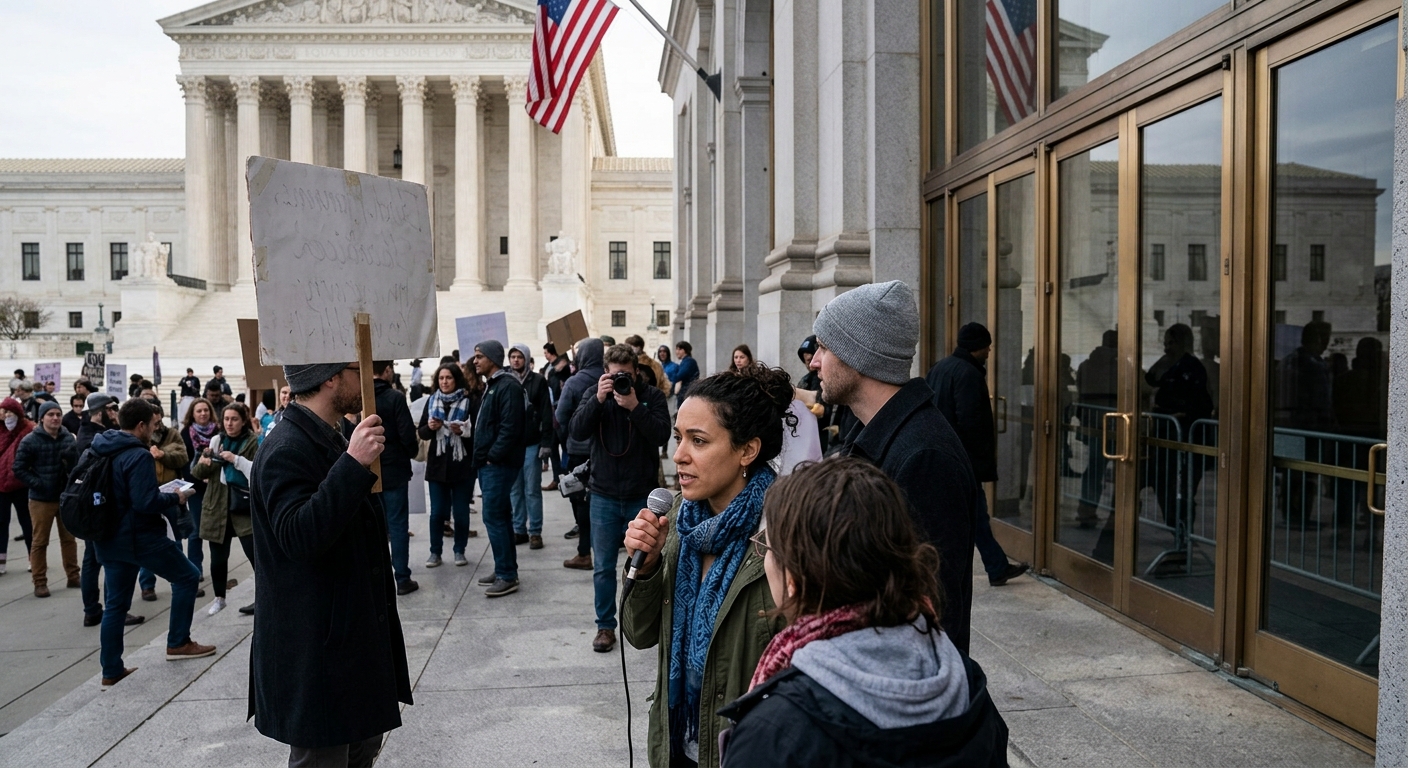
Understanding the Post-Roe Reality
The landscape of reproductive freedom in the United States has undergone a seismic transformation over the last few years. The sudden elimination of a decades-long federal constitutional standard fundamentally rewired the way reproductive healthcare is accessed, regulated, and debated nationwide. Today, understanding the intricacies of these policies is not just an academic exercise; it is a critical necessity for patients, healthcare providers, and advocates trying to navigate a deeply fragmented medical system.
The absence of a universal legal baseline has resulted in a chaotic regulatory environment. While some regions have doubled down on securing bodily autonomy through statutory protections and constitutional amendments, others have swiftly implemented near-total prohibitions. This divergence has triggered profound consequences that extend far beyond the immediate termination of pregnancies, affecting routine obstetric care, emergency medical interventions, and the broader doctor-patient relationship.
As the legal and medical communities continue to grapple with these unprecedented shifts, staying informed is paramount. From the increasing reliance on pharmaceutical interventions and telehealth services to the intense legal skirmishes over federal emergency care mandates, the current environment is both dynamic and historically unprecedented. This comprehensive analysis explores the multifaceted dimensions of modern reproductive rights, shedding light on the policies, technological advancements, and socio-economic realities defining this critical era of healthcare.
The Geographic Divide: State-by-State Regulations
In the absence of a unifying federal mandate, state legislatures have become the primary arbiters of bodily autonomy. This decentralized approach has birthed a stark geographic divide, effectively creating two distinct Americas when it comes to medical access.
Restrictive Policies and Gestational Limits
A substantial portion of the country operates under severe restrictions. Many of these jurisdictions enforce near-total bans that apply from the moment of conception, offering only the narrowest of exceptions. Even in states where total bans are not in place, rigid gestational limits—often set at six or fifteen weeks—dramatically truncate the window for legal procedures. These tight timelines are particularly challenging because a significant percentage of individuals do not realize they are pregnant before the six-week mark. Furthermore, the mandatory waiting periods, required ultrasound viewings, and strict in-person counseling laws layered on top of these gestational limits act as compounding logistical hurdles intended to deter access to vital medical services.
Protective Measures and Haven States
Conversely, a parallel bloc of states has taken aggressive legislative action to enshrine and expand reproductive freedoms. These protective jurisdictions have implemented statutory safeguards and, in numerous instances, amended their state constitutions to explicitly protect the right to reproductive autonomy. To combat the influx of out-of-state patients seeking care, many of these “haven states” have allocated robust financial resources to support clinic infrastructure.
Moreover, they have enacted innovative shield laws. These legal frameworks are designed to protect local healthcare providers from civil litigation, criminal prosecution, and professional disciplinary actions initiated by states where the procedures are outlawed. This legislative firewall ensures that medical professionals can continue offering evidence-based care without the looming threat of cross-border legal retaliation.
The resulting patchwork means that a person’s fundamental healthcare options are entirely dependent on their zip code. The geographical lottery forces thousands to undertake arduous, expensive, and emotionally draining interstate travel just to secure basic medical services, transforming what should be a standard clinical encounter into a logistical nightmare.
The Rise and Regulation of Medication Abortion
As physical clinics face insurmountable legal and operational barriers in restrictive regions, medication abortion has surged to the forefront of reproductive healthcare. Utilizing a highly effective, two-drug regimen, pharmaceutical termination now accounts for the majority of all such procedures performed nationwide .
The Science and Safety of the Regimen
The standard protocol involves the sequential use of two specific medications. The first blocks the hormones necessary for pregnancy development, while the second, taken a day or two later, induces uterine contractions to safely empty the uterus. Extensive clinical data collected over two decades confirms that this protocol boasts a safety and efficacy profile exceeding ninety-nine percent, with severe complications being exceedingly rare .
Telehealth and the Virtual Clinic Revolution
The regulatory evolution surrounding these medications has revolutionized access. The permanent removal of in-person dispensing requirements by federal health authorities paved the way for modern telehealth consultations. Today, patients in permissive states can consult with a licensed clinician via video or secure messaging and receive their prescribed medications through the mail. This model has proven crucial in bridging gaps for rural populations and those with significant transportation or scheduling constraints.
However, this pharmaceutical avenue has become a prime target for intense litigation. Opponents have mounted aggressive federal lawsuits attempting to roll back long-standing drug approvals and restrict distribution channels, arguing against the expansion of telehealth capabilities. Despite these legal challenges, the widespread adoption of remote prescribing and mailed delivery has undeniably reshaped the logistical realities of reproductive care, providing a vital lifeline in an increasingly restrictive nationwide environment.
Navigating Medical Emergencies and Legal Ambiguities
One of the most alarming consequences of the fractured legal landscape is the profound uncertainty it has injected into emergency medical care. When restrictive statutes collide with established medical standards, the results can be life-threatening.
The Clash with Federal Emergency Mandates
Federal law, specifically the Emergency Medical Treatment and Labor Act (EMTALA), mandates that Medicare-funded hospitals provide stabilizing treatment to anyone experiencing a severe medical emergency. Historically, this unequivocally included terminating a pregnancy if the patient’s health or life was in serious jeopardy. However, many state-level bans contain vaguely worded medical exceptions that do not align with recognized clinical terminology. They often stipulate that a procedure is only permissible to prevent imminent death or substantial and irreversible physical impairment, leaving doctors unsure of where the legal line is drawn.
The Chilling Effect on Providers
This ideological phrasing places physicians in an impossible bind. Medical professionals are forced to consult hospital legal counsel while patients actively hemorrhage or suffer from dangerous infections, debating precisely how close to death a patient must be before intervention is legally defensible. This hesitation has led to well-documented instances of delayed care for severe complications, such as ectopic pregnancies, premature rupture of membranes, and incomplete miscarriages .
The looming threat of felony charges, exorbitant fines, and the revocation of medical licenses creates a severe chilling effect. In response, some healthcare providers are fleeing restrictive states altogether. This exodus exacerbates existing maternal care shortages and leaves entire communities without access to essential obstetric and gynecological expertise, further degrading the quality of general healthcare in those regions.
The Disproportionate Impact on Marginalized Groups
The burdens of the current restrictive framework are not distributed equally across the population. The dismantling of broad reproductive protections disproportionately impacts individuals who already face systemic barriers to healthcare access.
Low-income populations, people of color, and those living in rural areas bear the brunt of these bans. Traveling out of state requires disposable income to cover transportation, lodging, childcare, and time off work—resources that are often entirely unavailable to marginalized communities. When access is denied due to these financial or logistical barriers, the alternative is forced pregnancy, which carries immense economic, physical, and psychological tolls that can last a lifetime.
Furthermore, the United States already suffers from the highest maternal mortality rate among wealthy nations, with Black and Indigenous women experiencing fatalities at alarmingly disproportionate rates . Forcing individuals to carry high-risk pregnancies to term in states that often have the weakest social safety nets and the most underfunded maternal health programs only compounds this public health crisis. The intersection of restrictive healthcare laws and existing socio-economic inequalities ensures that the most vulnerable populations suffer the most severe and enduring consequences.
Direct Democracy: Ballot Initiatives and Public Sentiment
Despite the aggressive push for restrictions in various statehouses, public opinion polling consistently reveals that a robust majority of Americans support legal access to reproductive healthcare. This deep disconnect between legislative action and public sentiment has fueled a massive surge in grassroots activism and direct democracy efforts across the nation.
Across the political spectrum, voters have increasingly utilized ballot initiatives to bypass restrictive legislatures. In several notable instances—even in traditionally conservative or politically divided states—citizens have decisively voted to enshrine reproductive rights into their state constitutions or successfully defeated measures attempting to revoke those rights outright. These referendums underscore a widespread consensus that medical decisions should remain a private matter between patients and their healthcare providers, free from excessive government interference .
These powerful electoral victories highlight the evolving strategies of reproductive rights advocacy groups. By pivoting toward direct voter engagement, proponents of bodily autonomy are securing tangible legal protections and demonstrating the broad, bipartisan appeal of reproductive freedom, signaling clearly that the debate over bodily autonomy is far from settled.
Frequently Asked Questions
- What is the fundamental difference between procedural and medication abortion?
Procedural (often called surgical) abortion involves a minor in-clinic procedure utilizing gentle suction to safely empty the uterus. Medication abortion involves taking a specific, FDA-approved regimen of prescribed pills to safely induce a process similar to an early miscarriage. Both are highly safe and heavily researched medical interventions. - Can individuals be legally prosecuted for traveling out of state to seek care?
Currently, the constitutional right to interstate travel protects individuals seeking medical care in jurisdictions where it is legally permitted. However, some restrictive states have attempted to introduce legislation targeting those who “assist” minors in traveling across state lines, creating an evolving and highly contested legal battleground. - Are emergency contraceptives the same as abortion medications?
No. Emergency contraception (such as Plan B) prevents a pregnancy from occurring in the first place by delaying ovulation. It does not terminate an existing pregnancy. Abortion medications are used strictly after a pregnancy has already been established and implanted. - How do restrictive state policies affect standard miscarriage management?
Because the medical treatments for miscarriage (such as prescription medications or procedural clearing of the uterus) are identical to those used for induced abortions, restrictive laws often cause widespread confusion. Pharmacists and doctors may delay providing essential miscarriage care out of fear of civil or criminal legal repercussions. - Does health insurance typically cover the cost of these medical services?
Coverage varies drastically based on state laws and specific insurance providers. Federal funds, such as Medicaid, are heavily restricted by the Hyde Amendment and cannot be used for these services except in extreme cases involving life endangerment, rape, or incest. In restrictive states, private insurance is often legally barred from covering the procedure, forcing patients to pay entirely out-of-pocket for their care.
Conclusion
The current landscape of reproductive rights in the United States is defined by its deep divisions and profound complexities. The shift from a protected federal standard to a turbulent state-by-state battleground has fundamentally reshaped the delivery of medical care, spurred technological adaptations like telehealth prescribing, and ignited fierce legal and political debates that reach the highest courts. As marginalized communities bear the heaviest logistical and health burdens, the ongoing struggle for bodily autonomy continues to mobilize millions of Americans at the ballot box. Understanding these constantly shifting legal frameworks, medical realities, and the power of public engagement remains absolutely essential for navigating the future of American healthcare and civil rights.
References
- Key Facts on Abortion in the United States — KFF (Kaiser Family Foundation). 2026-01-07. https://www.kff.org/womens-health-policy/fact-sheet/key-facts-on-abortion-in-the-united-states/
- State Policy Trends 2025 Full-Year Analysis — Guttmacher Institute. 2025-12-16. https://www.guttmacher.org/state-policy
- Americans’ Responses to Abortion’s Uncertain Legal Landscape — PRRI (Public Religion Research Institute). 2025-09-03. https://www.prri.org/research/americans-responses-to-abortions-uncertain-legal-landscape/
- Revisiting restricted reproductive rights in 2025: what do we need to know now? — PubMed Central (PMC). 2024-12-17. https://www.ncbi.nlm.nih.gov/pmc/
- After Roe Fell: U.S. Abortion Laws by State — Center for Reproductive Rights. 2024-08-01. https://reproductiverights.org/maps/abortion-laws-by-state/
Similar Articles








Read full bio of medha deb


