
How Civil Rights Litigation Reshapes Child Welfare
How civil rights attorneys use lawsuits to drive systemic foster care change.
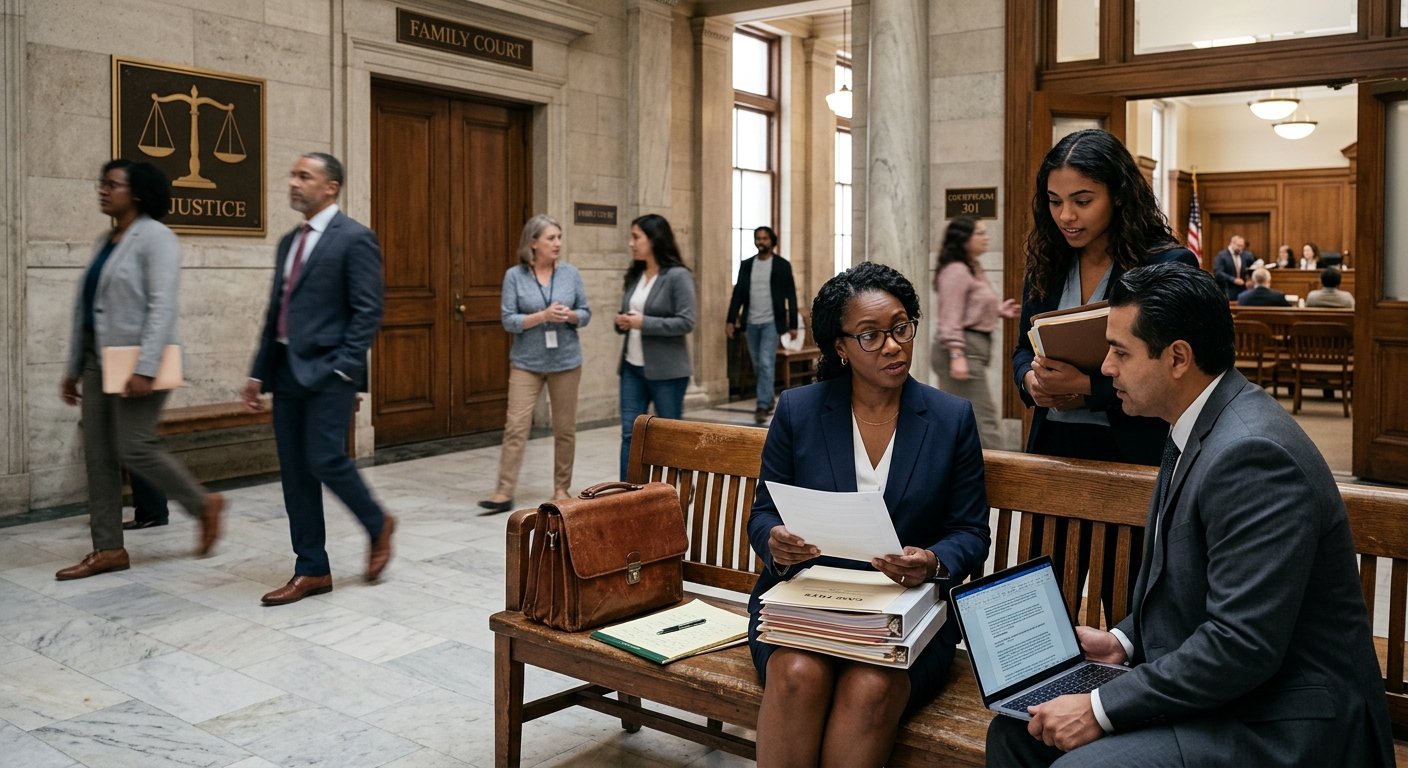
Every year, hundreds of thousands of children in the United States find themselves navigating the labyrinthine corridors of the child welfare system. Removed from their homes due to allegations of abuse, neglect, or profound systemic poverty, these children are placed under the legal guardianship of the state. However, the very system designed to protect them often inadvertently subjects them to further trauma through chronic instability, overcrowded facilities, and severe resource deficits. While policymakers continuously debate legislative fixes and funding allocations, a specialized group of advocates has consistently proven to be the most effective catalyst for immediate and systemic change: civil rights attorneys.
By leveraging the power of complex class-action litigation, these legal professionals force state and local governments to adhere to their constitutional and statutory obligations. They transform child welfare policy from abstract legislative promises into actionable, court-monitored practices. This ongoing legal crusade is not merely about seeking financial damages for past wrongs; it is fundamentally about structural reform, ensuring that the fundamental rights of the nation’s most vulnerable youth are fiercely protected.
The Scope of the Foster Care Challenge: Data from the Frontlines
Understanding the sheer magnitude of the foster care crisis requires a close examination of federal data. The Adoption and Foster Care Analysis and Reporting System (AFCARS), administered by the U.S. Department of Health and Human Services, provides a sobering, comprehensive snapshot of the child welfare landscape. Recent historical data indicates that well over 400,000 children are served by the foster care system annually across the nation, with tens of thousands waiting for adoption at any given time after parental rights have been legally terminated .
Behind these staggering statistics lie profound systemic issues. Many state child welfare agencies operate under the crushing weight of underfunding and severe staffing shortages. Caseworkers are frequently assigned workloads that far exceed national standards, making it nearly impossible to conduct the thorough, individualized oversight required to keep children safe. Consequently, children often experience multiple placement disruptions, bouncing between foster homes, group homes, and institutional facilities. This lack of permanency severely hinders their educational development, emotional well-being, and long-term trajectory.
Furthermore, the data consistently highlights stark racial disparities within the system. Minority families, particularly Black and Indigenous communities, are disproportionately investigated, leading to higher rates of child removal compared to their white counterparts in similar socioeconomic circumstances. Addressing these deep-rooted inequities requires interventions that go far beyond standard policy tweaks, necessitating the heavy hand of federal judicial oversight to enact meaningful operational improvements.
The Mechanism of Accountability: Class Action Litigation
Individual dependency cases—which focus on the fate of a single family—are inherently reactive. While crucial for the specific children involved, they rarely move the needle on systemic administrative failures. This is where civil rights class-action lawsuits become an indispensable tool. By aggregating the shared grievances of thousands of children in state custody, civil rights attorneys can target the root causes of systemic dysfunction.
These lawsuits are typically grounded in the assertion that a state’s child welfare practices violate the constitutional rights of children—specifically, their Fourteenth Amendment rights to substantive due process, which guarantees safety and freedom from harm while in state custody. Additionally, attorneys frequently leverage federal statutes, such as the Adoption Assistance and Child Welfare Act (CWA), which imposes numerous conditions on states in exchange for crucial federal funding . Through Section 1983 of the Civil Rights Act, plaintiffs can enforce their right to adequate foster care maintenance and oversight.
The Civil Rights Litigation Clearinghouse tracks these monumental cases, demonstrating a clear shift over the past few decades. Instead of solely pursuing retroactive financial damages, modern child welfare class actions are explicitly designed to secure equitable, injunctive relief . This means the primary goal is a court order compelling the state to overhaul its operational procedures, restructure its agencies, or drastically increase its resource allocation to meet constitutional standards.
Key Pillars of Court-Mandated Reform
When civil rights attorneys successfully litigate or negotiate a settlement in a child welfare class action, the resulting consent decree typically mandates a comprehensive blueprint for reform. These legally binding agreements are overseen by independent monitors—experts appointed by the court to track the state’s compliance over several years, or even decades.
- Enforceable Caseload Limits: One of the most common and critical components of a consent decree is the establishment of strict limits on the number of cases assigned to a single social worker. By capping caseloads, agencies ensure that workers have the necessary time to conduct meaningful home visits, assess child safety accurately, and connect families with essential services .
- Placement Stability and Appropriateness: Court mandates often require states to reduce their reliance on institutional or congregate care settings, pushing for placement in family-like environments. They also enforce strict protocols to keep sibling groups together and ensure placements are geographically close to the child’s home community, minimizing disruptions to their education and social support networks.
- Enhanced Healthcare and Educational Access: Children in state custody frequently have acute medical, dental, and psychiatric needs that go unmet. Settlement agreements strictly mandate comprehensive initial health screenings upon entering care and demand ongoing access to specialized treatments. This also includes securing specialized educational plans for children with disabilities, an area that has seen significant civil rights enforcement .
These consent decrees effectively transform the legal landscape. For example, long-running litigation in states like Oregon has recently culminated in landmark settlement agreements where state agencies and civil rights advocates agreed to work collaboratively under the guidance of a neutral expert to overhaul the system, emphasizing stability, safety, and trauma recovery over a set timeframe .
The Legal Vanguard: Addressing Unlawful Removals
While historically much of the litigation has focused on the conditions of care after a child is removed, a new frontier in civil rights advocacy is aggressively challenging the initial removal process itself. Legal scholars and civil rights clinics are increasingly turning their attention to the profound constitutional violations that occur when state agencies separate families without proper judicial authorization.
A prominent example of this proactive legal strategy is a recent class-action lawsuit filed by legal advocates, including university family defense clinics, against major metropolitan child welfare administrations. These suits challenge the widespread practice of removing children from their parents without first obtaining a court order—except in cases of genuine, imminent danger . Advocates argue that this practice clearly violates both state law and the Fourth and Fourteenth Amendments of the U.S. Constitution, which protect citizens against unreasonable searches and seizures and guarantee due process.
Data exposed during such litigation often reveals that a massive percentage of these warrantless removals are subsequently overturned by judges mere days later, indicating that the children should never have been subjected to the trauma of separation in the first place . By bringing these practices into the stark light of a federal courtroom, civil rights attorneys are fighting to ensure that child welfare agencies are held to the same constitutional standards as law enforcement, demanding that families are afforded their right to a fair hearing before being torn apart.
Overcoming Legal Hurdles in Child Welfare Advocacy
Litigating against entrenched government bureaucracies is an extraordinarily arduous process fraught with complex legal hurdles. States aggressively defend their systems, frequently attempting to have civil rights cases dismissed on jurisdictional or procedural grounds before the substantive issues of child safety are ever heard.
One significant hurdle is the legal doctrine of qualified immunity, which often shields individual caseworkers and administrators from liability unless they violated a “clearly established” constitutional right. While this makes pursuing individual damages difficult, it underscores why civil rights attorneys focus so heavily on class-wide injunctive relief to force systemic policy changes rather than punishing individual employees.
Furthermore, attorneys must continuously navigate complex federalism doctrines that caution federal courts against interfering with state administrative proceedings. Despite these formidable obstacles, dedicated legal advocates persist. They employ rigorous fact-finding, engaging child psychologists, systemic data analysts, and the harrowing testimonies of former foster youth to construct undeniable cases of institutional failure. Their work ensures that the abstract rights guaranteed by the Constitution are translated into tangible safety for marginalized children.
Conclusion
The U.S. child welfare system remains a deeply flawed institution, burdened by historic underfunding and bureaucratic inertia. In the face of such massive systemic challenges, the tireless efforts of civil rights attorneys provide a critical lifeline. Through the strategic application of class-action litigation, these advocates force transparency, accountability, and essential structural reforms upon state agencies. Whether they are fighting for manageable caseworker loads, challenging discriminatory policies, or halting unlawful family separations, their work remains the most powerful engine for transforming the lives of the countless vulnerable children relying on the state for their basic safety and fundamental human dignity.
Frequently Asked Questions (FAQs)
What is the main goal of a class-action lawsuit in child welfare?
The primary goal is systemic reform rather than individual financial compensation. These lawsuits seek injunctive relief, which consists of court orders requiring the state agency to change its policies, lower social worker caseloads, improve living conditions in foster facilities, and provide better oversight and healthcare access for children in state custody.
How do civil rights attorneys prove that a foster care system is unconstitutional?
Attorneys rely on the Fourteenth Amendment, which guarantees substantive due process, meaning the state has a duty to keep individuals safe when taking them into custody. They use extensive data, expert testimony, and historical records to demonstrate a persistent pattern of harm, abuse, or neglect that the state has willfully failed to address.
What is a consent decree in the context of foster care litigation?
A consent decree is a legally binding settlement agreement between the plaintiffs (representing the children) and the state agency. It outlines specific, measurable benchmarks for reform—such as reducing the number of placement moves per child or achieving certain staffing ratios—and typically involves ongoing monitoring by an independent court-appointed expert to ensure compliance.
Can a state agency remove a child without a court order?
Legally, a child welfare agency should only remove a child without a prior court order (a warrant) if there is an emergency presenting an imminent risk of severe harm. However, civil rights lawsuits have highlighted that many agencies abuse this emergency exception, removing children unlawfully without immediate judicial oversight, which violates constitutional rights.
References
- Adoption and Foster Care Analysis and Reporting System (AFCARS) Report — The Administration for Children and Families, U.S. Department of Health and Human Services. 2024-03-13. https://www.acf.hhs.gov/cb/report/afcars-report-30
- “On Behalf of Each Child”: Section 1983 Enforcement of the Right to Foster Care Maintenance Payments under the Child Welfare Act — The University of Chicago Law Review. 2018-12-19. https://lawreview.uchicago.edu/print-archive/behalf-each-child-section-1983-enforcement-right-foster-care-maintenance-payments
- Family Defense Clinic files landmark class action over unlawful child removals — NYU Law – New York University. 2026-05-29. https://www.law.nyu.edu/news/family-defense-clinic-acs-class-action-lawsuit
- Settlement reached in Oregon foster care class-action lawsuit — Oregon Department of Human Services. 2024-05-24. https://www.oregon.gov/odhs/communications/Pages/news-release.aspx?newsId=100
- Child Welfare System-Level Factors Associated with All-Cause Mortality Among Children in Foster Care in the United States, 2009–2018 — National Center for Biotechnology Information (PMC). 2021. https://www.ncbi.nlm.nih.gov/pmc/articles/PMC8142345/
- Civil Rights Litigation Clearinghouse — Legal Information Institute, Cornell Law School / Washington University. 2024. https://clearinghouse.net/
Similar Articles








Read full bio of medha deb


