
The Landmark Civil Rights Lawsuit That Reshaped Arizona Foster Care
How one child's initials became the symbol of a historic fight for the safety and fundamental rights of thousands of foster youth.
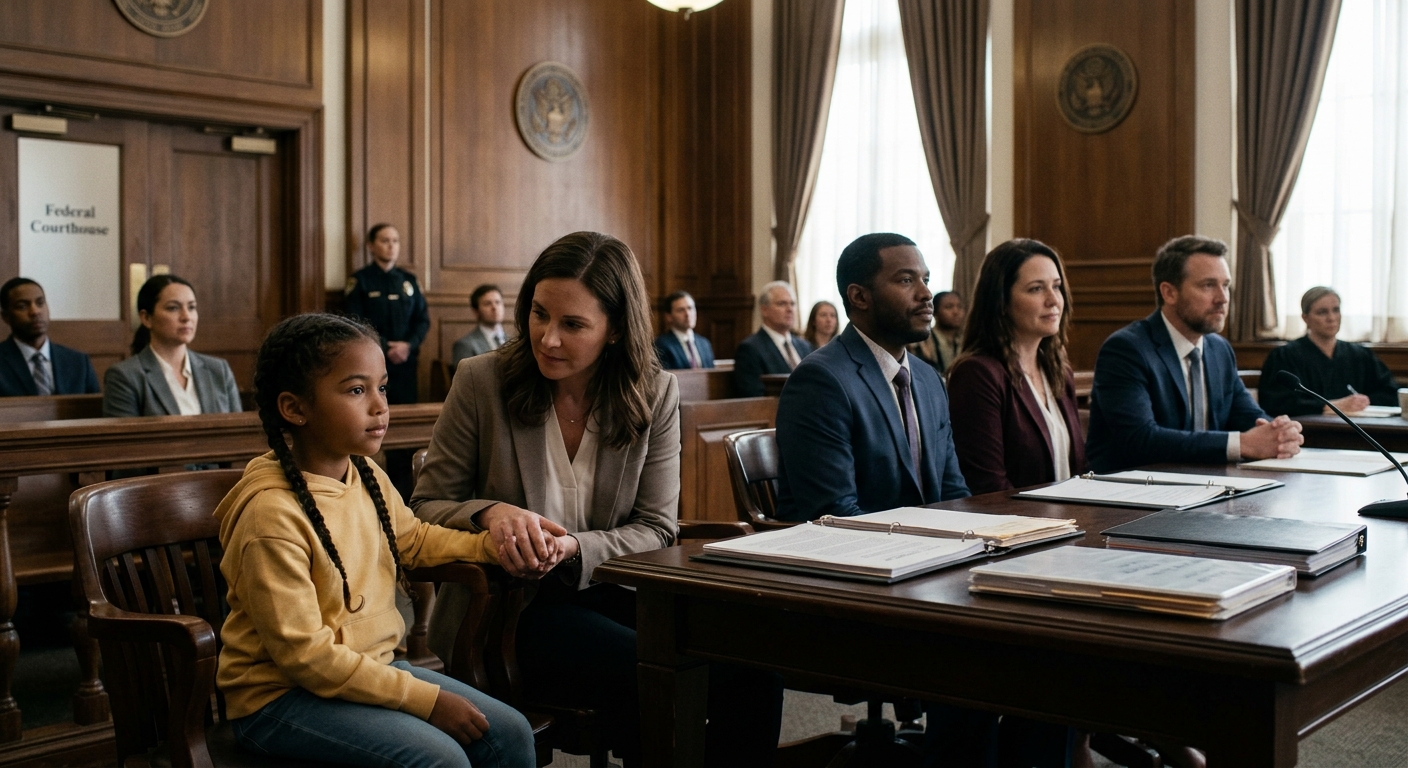
In the vast landscape of American civil rights litigation, certain cases stand out not because of high-profile corporate battles or wealthy plaintiffs, but because they expose the deepest vulnerabilities within our public institutions. In 2015, a federal class-action lawsuit was filed against the state of Arizona that would eventually force a massive overhaul of its Department of Child Safety (DCS) and the state’s Medicaid agency. The case sought sweeping injunctions to protect a severely marginalized population: children in state custody. At the center of this legal earthquake was a plaintiff identified only by her initials, B.K.
The lawsuit, originally known as B.K. v. McKay and later transitioning through names like B.K. v. Snyder, B.K. v. Faust, and B.K. v. Hobbs as state administrations changed, was never about securing a financial payout. Instead, it was a desperate plea for injunctive relief. Advocates, legal scholars, and child welfare experts united to hold the government accountable for systemic failures that left over 16,000 abused and neglected children at risk of further harm. The resulting legal battle took six years to reach a resolution, culminating in a historic 2021 settlement that redefined how Arizona manages the health, safety, and placement of its foster youth.
The Face of a Broken System: Who is B.K.?
Behind the sterile, complex legal terminology of federal class-action certifications and appellate court mandates lies the profoundly human story of a child who was failed by the very system designed to protect her. To shield her identity from the public, the lead plaintiff was listed simply as B.K., but her narrative represented the grim reality of thousands of minors across the state.
According to the original 2015 civil rights complaint, B.K. entered the Arizona state foster care system for the third time in 2012, when she was just eight years old. Rather than finding a safe, nurturing environment to heal from her past traumas, she was thrown into a bureaucratic nightmare. The state separated B.K. from her siblings, cutting off her primary source of familial comfort. She was placed in a group facility operating on an “emergency shelter” basis—a temporary holding environment where she languished for two agonizing years instead of being placed with a supportive foster family.
The systemic neglect extended deeply into her medical and psychological well-being. The complaint alleged that the state ignored her basic physical needs for months; a noticeable limp went unexamined, a painful toothache was left untreated, and she was not provided with the glasses she needed to see properly. Even more devastating was the failure to address her severe mental health crises. Despite showing clear symptoms of Post-Traumatic Stress Disorder (PTSD) and reporting that she was hearing voices, B.K. did not receive consistent counseling or psychiatric care. She became the living embodiment of a state apparatus that was utterly overwhelmed, under-resourced, and structurally incapable of providing fundamental care.
Systemic Failures: What Sparked the Legal Action?
B.K.’s story was heartbreaking, but it was not unique. When advocacy groups, including Children’s Rights and the Arizona Center for Law in the Public Interest, launched the lawsuit, they compiled staggering data reflecting a statewide crisis. The legal complaint alleged that Arizona was violating the constitutional rights of foster children, as well as their statutory rights under the federal Medicaid Act, specifically regarding Early and Periodic Screening, Diagnostic, and Treatment (EPSDT) services.
The plaintiffs outlined several core systemic deficiencies that plagued the Arizona Department of Child Safety and the Arizona Health Care Cost Containment System (AHCCCS). These profound failures included:
- A Severe Placement Shortage: In the years leading up to the lawsuit, Arizona experienced an acute shortage of licensed family foster homes. Because there was nowhere for these children to go, it became alarmingly common for minors to sleep on the floors and couches of DCS agency offices.
- Overuse of Congregate Care: Instead of being placed in family-like environments, hundreds of children, especially those with unaddressed behavioral or emotional needs, were warehoused in institutional group homes. This practice isolated them further and hindered their emotional development.
- Medical and Dental Neglect: The state routinely failed to provide timely physical, dental, and mental health care. Therapeutic foster homes were incredibly scarce, leaving deeply traumatized children without the specialized clinical support they required to survive and heal.
- Severing Family Ties: Caseworker overload and placement shortages meant children were frequently sent to facilities far outside their home zip codes. Furthermore, the state consistently failed to place siblings together, destroying crucial family bonds during the most vulnerable period of a child’s life.
- Failure to Investigate Abuse in Care: Shockingly, the state was drastically behind on investigating reports of maltreatment occurring within the foster care system itself, leaving children trapped in abusive foster or group homes without state intervention.
The Procedural Battle: From the District Court to the Ninth Circuit
Litigating against a state government to force institutional reform is a monumental task. The defendants—the directors of DCS and AHCCCS acting in their official capacities—vigorously fought the lawsuit. The primary legal battlefield centered around “class certification.” Under Federal Rule of Civil Procedure 23(b)(2), plaintiffs must prove that the state acted or refused to act on grounds that apply generally to the class, thereby making a single injunction applicable to all members.
The state argued that the experiences of the foster children were too individualized to be grouped into a single class. However, the U.S. District Court for the District of Arizona disagreed, certifying a “General Class” of all children in state custody, alongside specific subclasses. When the state appealed, the case moved to the United States Court of Appeals for the Ninth Circuit. In April 2019, the Ninth Circuit delivered a massive victory for the plaintiffs in the ruling of B.K. v. Snyder. The appellate court affirmed the district court’s decision, explicitly validating that systemic, statewide operational failures are a proper basis for class-action status.
The Ninth Circuit’s opinion powerfully detailed nine specific statewide practices affecting the proposed class. These included excessive caseworker caseloads, investigation delays, ineffective coordination of physical and dental services, and the failure to provide timely access to comprehensive healthcare evaluations. By upholding the class certification, the Ninth Circuit sent a clear message: state agencies cannot use the sheer scale of their dysfunction as a shield against collective legal accountability.
The 2021 Settlement: A Blueprint for Enforceable Reform
Faced with a federal trial, the state of Arizona ultimately chose to negotiate. In late 2020, the parties drafted a comprehensive settlement agreement designed to dismantle the destructive practices outlined in the complaint. Following a period of public notice and review, U.S. District Court Judge Roslyn O. Silver granted final approval of the settlement on February 12, 2021, bringing the active litigation phase of B.K. v. Faust to a close.
The resulting consent decree did not issue monetary payouts to the plaintiffs. In civil rights cases of this nature, the goal is structural reform. The settlement imposed rigorous, court-enforceable performance measures on Arizona’s child welfare system. Key components of the historic agreement mandated that DCS and AHCCCS must:
- Reduce Congregate Care: The state is required to significantly lower the number of children under age 12 who are placed in group homes or institutional settings, prioritizing family-style foster care and kinship placements.
- Improve Caseload Limits: Recognizing that overworked staff cannot protect children, the agreement enforces strict caps on the number of cases assigned to individual DCS caseworkers, ensuring they have the time to actually monitor and advocate for the youth in their care.
- Enhance Healthcare Tracking: The state must implement rigorous tracking systems to guarantee that every child receives timely medical, dental, and behavioral health screenings, fulfilling the federal EPSDT mandates that were previously ignored.
- Ensure Sibling Visitation: For siblings who cannot be placed in the same home, the settlement establishes firm requirements and tracking mechanisms to ensure regular, consistent visitation, preserving essential family relationships.
- Timely Abuse Investigations: The state is legally bound to meet strict deadlines for investigating any allegations of abuse or neglect that occur while a child is in state custody.
The Broader Impact on Child Welfare Jurisprudence
The successful resolution of the B.K. lawsuit serves as a powerful precedent for child welfare reform across the United States. It demonstrates that when state legislatures fail to adequately fund and regulate child protective services, the federal judiciary can serve as a vital check and balance. By utilizing the framework of civil rights and Medicaid law, advocates were able to force an unyielding bureaucracy to center the basic human rights of its most defenseless dependents.
Furthermore, the case highlights the indispensable role of independent monitoring. The 2021 settlement did not simply ask Arizona to try harder; it installed a framework of objective scorecards, required periodic reviews, and continued court jurisdiction. If the state falls out of compliance with the agreed-upon performance metrics, the plaintiffs’ attorneys can return to federal court to enforce the decree.
Ultimately, the legacy of this litigation is not just a set of improved statistics. It is the realization of a promise made to children like B.K.—a promise that the state, having taken them from their homes, assumes a constitutional duty to keep them safe, healthy, and whole.
Frequently Asked Questions (FAQs)
What is a civil rights class-action lawsuit?
A civil rights class-action lawsuit is a legal proceeding where a small group of plaintiffs sues on behalf of a much larger group of people (the “class”) who have suffered similar systemic harms. In this case, ten named children, led by B.K., sued on behalf of all children in the custody of the Arizona Department of Child Safety to force systemic changes rather than seek individual monetary compensation.
Why was the lead plaintiff only known as “B.K.”?
In legal cases involving minors, especially those involving sensitive issues like child abuse, foster care, and medical neglect, the courts use initials or pseudonyms to protect the children’s privacy. Revealing their full identities could expose them to public stigma, emotional distress, and potential harm. The use of initials is a standard procedural safeguard in juvenile and family law litigation.
Did the foster children receive money from the settlement?
No. The B.K. v. Hobbs lawsuit was filed strictly for “declaratory and injunctive relief.” This means the plaintiffs were asking a federal judge to declare the state’s actions unlawful and issue a permanent injunction forcing the state to change its operational practices. No monetary damages were awarded to the children; the “win” was the legally binding overhaul of the state’s foster care system.
How is the settlement enforced?
The settlement agreement is an enforceable court order. It includes specific, measurable benchmarks (such as maximum caseworker caseloads and minimum timelines for medical evaluations). Independent monitoring mechanisms track the state’s data. If Arizona fails to meet these obligations, the plaintiffs can ask the federal court to intervene, potentially resulting in further judicial orders or sanctions against the state.
References
- B.K. v. Snyder, No. 17-17501 (9th Cir. 2019) — United States Court of Appeals for the Ninth Circuit. 2019-04-26. https://law.justia.com/cases/federal/appellate-courts/ca9/17-17501/17-17501-2019-04-26.html
- BK v. Faust – (Class Action Lawsuit) Settlement Documentation — Arizona Department of Child Safety. 2021-02-12. https://dcs.az.gov/news-reports/settlement
- Ninth Circuit Allows Foster Care Case to Go Forward as Class Action — Arizona Center for Law in the Public Interest. 2021-12-03. https://aclpi.org/ninth-circuit-allows-foster-care-case-to-go-forward-as-class-action/
- What is a summary of child welfare class-action litigation? — Casey Family Programs. 2019-10-31. https://www.casey.org/child-welfare-class-action-lawsuits/
Similar Articles








Read full bio of medha deb


