
Systemic Reform in Arizona Child Welfare: Legal Analysis
Examining the historic legal battles and structural shifts reshaping the Arizona Department of Child Safety.
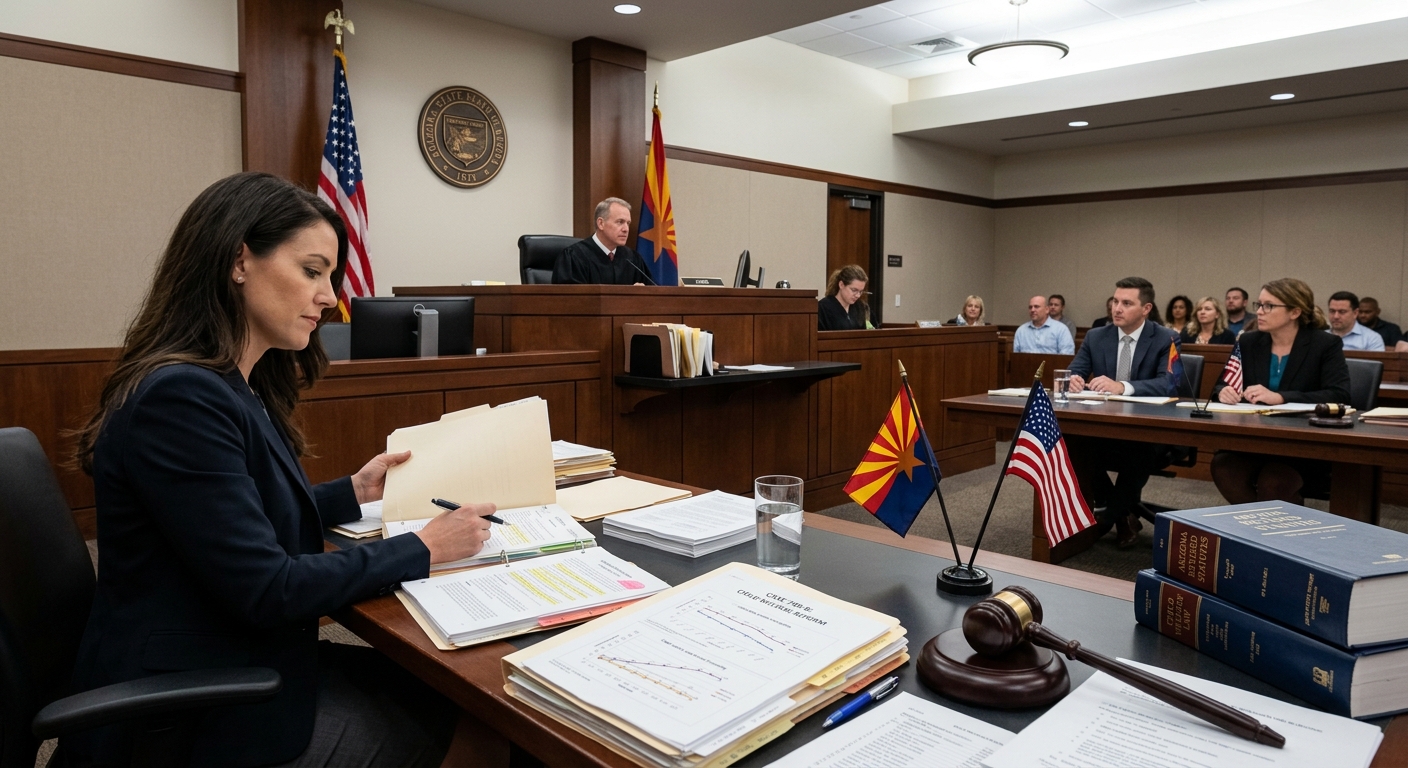
Introduction: The Breaking Point of a State Child Welfare System
The fundamental promise of any state-run child welfare system is to provide a sanctuary for vulnerable youth who have been removed from unsafe environments. These agencies are legally and morally mandated to ensure the physical safety, emotional well-being, and developmental progress of the children entrusted to their care . However, when these institutional safety nets fray, the consequences span generations. Over the past decade, the Arizona Department of Child Safety (DCS) has found itself at the epicenter of intense legal scrutiny, marked by sweeping class-action litigation, federal investigations, and mounting public pressure to rectify deep-seated operational failures.
For years, advocates and whistleblowers signaled that Arizona’s foster care infrastructure was operating far beyond its capacity. The crisis was characterized by a severe shortage of family-based foster homes, unmanageable caseloads for state social workers, and critical delays in providing essential medical and psychological care to traumatized youth . The tipping point arrived in 2015 when a coalition of legal advocacy groups initiated a landmark class-action lawsuit on behalf of thousands of foster children. This legal intervention sought not just temporary financial compensation, but a permanent, judicially enforced overhaul of how the state of Arizona protects its most vulnerable residents.
The Catalyst for Litigation: Analyzing the Core Allegations
The federal class-action lawsuit, ultimately known as B.K. v. Faust (and originally filed as B.K. v. McKay), was a comprehensive indictment of Arizona’s child welfare apparatus. Filed in the United States District Court for the District of Arizona, the complaint alleged that the systemic deficiencies within DCS and the Arizona Health Care Cost Containment System (AHCCCS) violated the federal constitutional and statutory rights of the children in their custody .
The plaintiffs’ legal teams constructed their case around several critical pillars of institutional failure. These were not isolated incidents of negligence, but rather statewide practices that placed the entire foster care population at a substantial risk of harm:
- Medical and Behavioral Health Deficits: One of the most severe allegations centered on the state’s failure to provide timely and adequate physical, mental, and behavioral healthcare. Children entering the foster system often carry significant trauma. The lawsuit documented that youth were routinely denied legally mandated therapeutic services, early diagnostic screenings, and consistent psychological support.
- The Overreliance on Congregate Care: Because Arizona faced a drastic shortage of licensed family foster homes, the state resorted to placing an unusually high number of children—including very young children and infants—in group homes, shelters, and institutional settings . This practice, known as congregate care, is widely criticized by child development experts for stunting emotional growth and exacerbating trauma.
- Failure to Investigate Abuse in Custody: Shockingly, the lawsuit highlighted that when reports emerged of children being abused or neglected while in the state’s care (whether in group facilities or foster homes), DCS routinely failed to conduct timely or thorough investigations. This effectively left children trapped in secondary cycles of abuse.
- Severing of Family and Sibling Ties: The lack of appropriate placement options frequently resulted in siblings being separated from one another, compounding the emotional devastation of being removed from their primary caregivers. Furthermore, children were often placed in facilities far from their home communities, severing their ties to their schools, friends, and extended family networks.
Timeline of the Landmark Litigation
The path to reform is rarely swift, especially when litigating against massive state bureaucracies. The legal journey of this class action spanned several years, involving rigorous appellate reviews before reaching a resolution.
| Date | Milestone in Arizona Child Welfare Litigation |
|---|---|
| February 2015 | Initial class-action complaint filed in U.S. District Court on behalf of Arizona foster youth. |
| September 2017 | The District Court grants formal class certification, allowing the lawsuit to represent all children in DCS custody. |
| April 2019 | The Ninth Circuit Court of Appeals affirms the class certification, rejecting the state’s appeal to dismiss the collective nature of the suit . |
| August 2020 | Plaintiffs and State Defendants reach a comprehensive preliminary settlement agreement, avoiding a prolonged trial. |
| February 2021 | Final judicial approval of the settlement is granted by U.S. District Judge Roslyn O. Silver, initiating the monitoring phase . |
| December 2024 | The U.S. Department of Justice issues formal findings that Arizona DCS violates the ADA by discriminating against families with disabilities . |
The Congregate Care Dilemma and Federal Standards
To fully grasp the magnitude of the B.K. v. Faust litigation, one must understand the detriment of “congregate care.” Historically, orphanages and large-scale group homes were the standard method for housing wards of the state. However, decades of psychological research have conclusively proven that children thrive best in family-like environments where they can form secure, consistent attachments to caregivers.
Despite this consensus, prior to the lawsuit’s settlement, Arizona had one of the highest rates of placing young children in congregate care settings in the nation . Facilities designed for short-term emergency housing were routinely used for long-term placements. Children in these environments frequently experienced higher rates of physical altercations, increased reliance on psychotropic medications, and significantly lower high school graduation rates.
The push to eliminate unnecessary group home placements in Arizona mirrors broader federal mandates, most notably the Families First Prevention Services Act (FFPSA). Enacted to fundamentally shift child welfare funding, the FFPSA heavily restricts federal reimbursement to states for congregate care placements, heavily favoring investments in preventative family services and kin-based foster care. The Arizona lawsuit utilized this evolving federal standard to argue that the state’s over-reliance on institutional settings was not just harmful, but legally indefensible.
The Settlement: Engineering Systemic Accountability
In February 2021, rather than proceeding to a highly publicized and potentially damaging trial, the state of Arizona entered into a binding settlement agreement . This agreement was not a mere suggestion; it was a judicially enforced mandate requiring DCS and AHCCCS to hit specific, measurable benchmarks across multiple operational categories.
The architecture of the settlement focused heavily on infrastructure and tracking. Key mandates included:
- Reduction of Group Home Placements: DCS was ordered to drastically reduce its reliance on congregate care, specifically bringing the rate of group home placements down to align with the national average (approximately 10.5%). This required a massive, coordinated effort to recruit, train, and retain family foster homes, particularly therapeutic foster homes equipped to handle children with complex behavioral needs .
- Enhancing Behavioral Health Fidelity: The state was required to implement strict performance measures for the delivery of behavioral health services. This included ensuring the timely establishment of Child and Family Teams (CFT) and monitoring the delivery of Early and Periodic Screening, Diagnostic, and Treatment (EPSDT) services, which are critical for identifying developmental delays.
- Workload and Caseload Caps: Recognizing that systemic failure is often rooted in an overwhelmed workforce, the settlement demanded the monitoring of caseworker workloads. By reducing the number of cases assigned to individual social workers, the state aimed to ensure that investigators had the adequate time required to thoroughly evaluate the safety and well-being of each child on their roster.
- Timely Abuse Investigations: The agreement established strict protocols for the immediate investigation of allegations concerning abuse or neglect of children currently residing in state-licensed foster homes or facilities.
The Ongoing Struggle: Federal Intervention and Legislative Scrutiny
While the 2021 settlement marked a watershed moment in legal accountability, transforming a massive state agency is a gradual and often turbulent process. The systemic issues that plagued Arizona DCS for a decade were not eradicated overnight by a judge’s signature. Recent developments underscore the persistent challenges facing the state’s child welfare ecosystem.
In December 2024, the United States Department of Justice (DOJ) Civil Rights Division released a damning set of findings following a comprehensive investigation into Arizona DCS. The DOJ concluded that the agency was operating in violation of Title II of the Americans with Disabilities Act (ADA) . Specifically, federal investigators found that DCS routinely discriminated against parents and children with disabilities by failing to provide necessary accommodations—such as sign language interpreters for parents with hearing impairments, or simplified cognitive documents for parents with intellectual disabilities . This lack of accommodation directly interfered with families’ abilities to navigate the dependency court system, leading to prolonged and often unjustified family separations.
Furthermore, moving into 2025 and 2026, the Arizona Statehouse has been forced to address continued operational gaps within DCS. Tragic cases involving severe abuse and fatalities of children known to the system have reignited public outrage. Legislative pushes, such as Senate Bills introduced in early 2026, aim to reform the child abuse hotline and intake protocols . These bills seek to mandate the escalation of investigations when multiple reports are filed against the same caregiver within a 12-month period, addressing the exact type of “missed warning signs” that the original class-action lawsuit sought to eliminate.
The Future of Foster Care Litigation
The legal battles surrounding the Arizona Department of Child Safety serve as a profound case study in institutional reform. They highlight the indispensable role of independent legal advocacy in forcing governmental accountability. Class-action lawsuits like B.K. v. Faust do not merely seek redress for past wrongs; they are forward-looking instruments designed to dismantle toxic bureaucratic cultures and enforce modern, evidence-based standards of care.
However, as recent federal findings and ongoing legislative debates demonstrate, a settlement is only the beginning of reform. Continuous monitoring, transparent data reporting, and an unwavering commitment from state leadership are required to ensure that the promises made in a courtroom translate into safer, healthier lives for the children sleeping in the state’s custody. The true legacy of this litigation will not be judged by the ink on the settlement agreement, but by the tangible reduction of trauma experienced by Arizona’s most vulnerable youth.
Frequently Asked Questions
What was the primary goal of the Arizona foster care class-action lawsuit?
The primary goal was to force systemic reform within the Arizona Department of Child Safety (DCS) and the state’s Medicaid agency. Plaintiffs sought an end to severe shortages in family foster placements, the overuse of group homes, and systemic delays in providing crucial physical and mental healthcare to foster youth.
Who were the main defendants in the B.K. v. Faust case?
The lawsuit named the directors of the Arizona Department of Child Safety (DCS) and the Arizona Health Care Cost Containment System (AHCCCS) in their official capacities, representing the state’s child welfare and medical systems.
Why is “congregate care” considered harmful for foster children?
Child development experts and federal guidelines agree that congregate care (like large group homes or shelters) often lacks the consistent, nurturing adult attachments necessary for healthy brain development. Overreliance on these facilities can lead to higher rates of behavioral issues, trauma, and academic failure compared to family-based foster care environments.
What did the Department of Justice find in its 2024 investigation of Arizona DCS?
In December 2024, the DOJ determined that Arizona DCS violated the Americans with Disabilities Act (ADA) by failing to provide reasonable accommodations and effective communication (such as interpreters) to parents and children with disabilities. This discrimination negatively impacted family reunification efforts.
Has the lawsuit fixed the foster care system in Arizona?
While the 2021 settlement mandated critical, measurable reforms and established strict monitoring, systemic change takes time. Recent legislative efforts and federal investigations indicate that while infrastructure has improved, significant challenges remain regarding intake procedures and equitable treatment for families.
References
- Summary of child welfare class action litigation — New Mexico Legislature. 2025-02-18. https://www.nmlegis.gov/handouts/LHHS%20081622%20Item%204%20Summary%20of%20child%20welfare%20class%20action%20litigation.pdf
- B.K. v. Snyder, No. 17-17501 (9th Cir. 2019) — United States Court of Appeals for the Ninth Circuit / Justia Law. 2019-04-26. https://law.justia.com/cases/federal/appellate-courts/ca9/17-17501/17-17501-2019-04-26.html
- Arizona’s Group Home Problem – An Opportunity Missed — Children’s Action Alliance. 2024-06-21. https://azchildren.org/arizonas-group-home-problem-an-opportunity-missed/
- Justice Department Finds Arizona’s Department of Child Safety Discriminates Against Parents and Children with Disabilities — U.S. Department of Justice (OPA). 2024-12-16. https://www.justice.gov/opa/pr/justice-department-finds-arizonas-department-child-safety-discriminates-against-parents-and
- ‘The system is broken’: Lawmakers push for reform in potential child abuse cases — FOX 10 Phoenix. 2026-02-24. https://www.fox10phoenix.com/news/system-broken-lawmakers-push-reform-potential-child-abuse-cases
Similar Articles








Read full bio of medha deb


