
Advancing Children’s Rights Through Collective Advocacy
Discover how collective advocacy and legal action drive systemic reforms to protect vulnerable youth in state care.
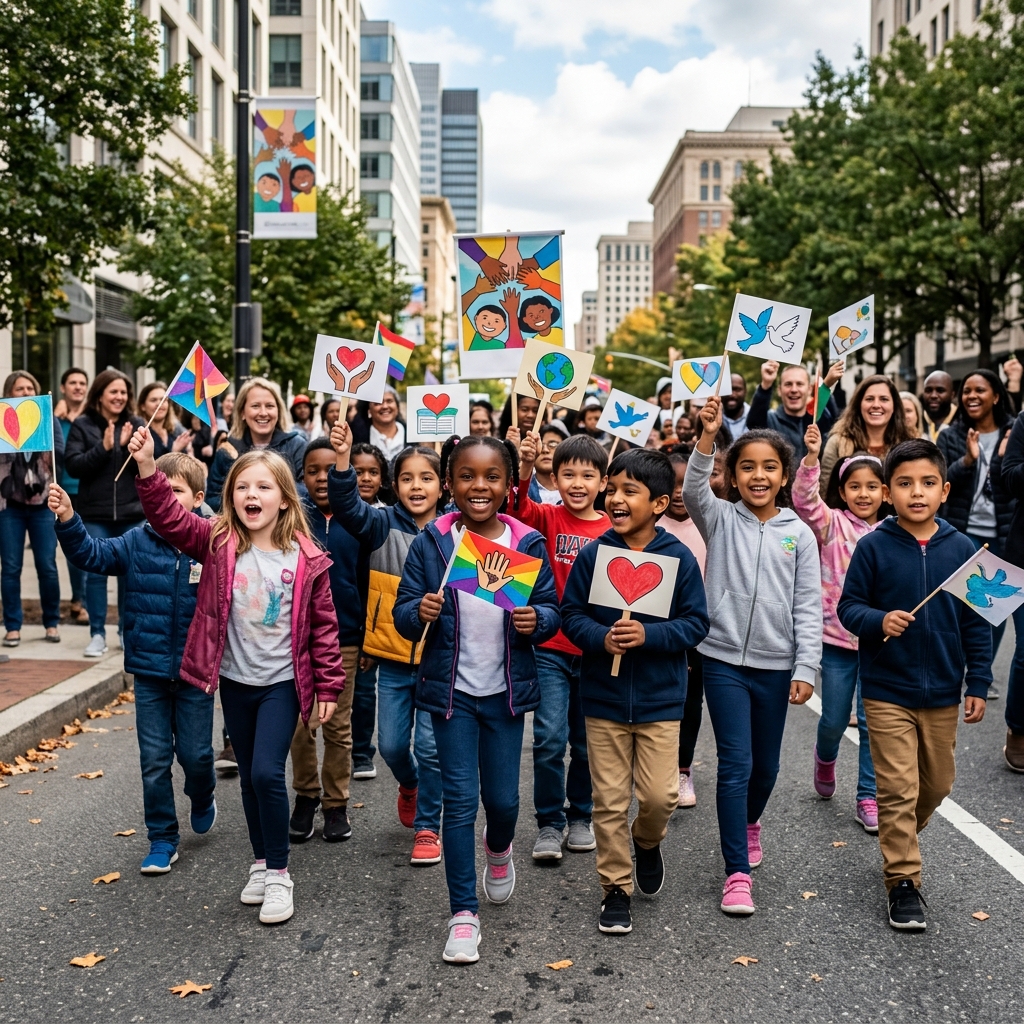
Introduction: The Call for Systemic Reform
The social contract between a society and its most vulnerable populations is most sharply tested in how it treats its children. Across the United States, hundreds of thousands of youths rely entirely on government agencies for their basic safety, housing, education, and medical care. When families experience insurmountable crises, the state steps in with the legal mandate to protect and nurture. However, the systems designed to provide refuge—such as child welfare agencies and juvenile justice departments—are frequently overwhelmed, underfunded, and structurally flawed. Instead of offering a safe haven, these systems can inadvertently perpetuate trauma, neglect, and systemic inequality.
Transforming these broken institutions requires more than just internal policy shifts; it demands fierce, sustained collective advocacy. When community members, legal experts, and grassroots organizers show up to demand accountability, the landscape of children’s rights shifts dramatically. Through strategic litigation, public awareness campaigns, and legislative lobbying, advocates hold state agencies to their constitutional and statutory obligations. This collaborative push is the bedrock of modern child advocacy, proving that when a society unites to protect its youth, generational cycles of institutional trauma can be broken and replaced with environments that foster healing and growth.
The Core Pillars of Child Advocacy
Advocating for the rights of children in state care is a multifaceted endeavor. The challenges are deeply entrenched in bureaucratic systems that have historically prioritized containment over rehabilitation and institutionalization over family preservation. To dismantle these harmful paradigms, legal advocates and community supporters focus their efforts on several critical pillars of reform.
Overhauling Child Welfare and Foster Care Systems
The primary goal of the foster care system should be to provide temporary, safe, and nurturing environments for children while working diligently toward family reunification. Unfortunately, systemic inefficiencies often lead to prolonged stays in state custody, multiple disruptive placements, and an over-reliance on institutional group homes . Children shuffled between temporary living situations are at a significantly higher risk for educational delays, emotional distress, and future justice system involvement.
Advocates fight tirelessly to enforce the legal right to safe and stable placements. A significant focus is placed on prioritizing family preservation and kinship care. Research and advocacy data consistently demonstrate that children thrive when placed with relatives or in family-like settings rather than in congregate care facilities. By pushing for increased funding for preventive services, mental health resources for struggling parents, and comprehensive support for foster families, the child rights movement seeks to keep families intact and dramatically reduce the number of youth entering the foster care system.
Transforming Juvenile Justice
The intersection of child welfare and the juvenile justice system—often referred to as the “foster care to prison pipeline”—represents one of the most urgent civil rights crises of our time. In 2022, there were over 549,000 delinquency cases referred to juvenile courts nationwide . The historical approach to youth crime has leaned heavily on punitive measures, including detaining minors in adult facilities where they face severe risks of violence, solitary confinement, and severe psychological harm .
Modern advocacy demands a paradigm shift from punishment to rehabilitation. Legal advocates challenge the unconstitutional conditions of confinement in juvenile detention centers and aggressively fight against policies that allow children to be tried and incarcerated as adults. By demanding access to community-based diversion programs, restorative justice initiatives, and specialized educational services, reformers aim to address the root causes of behavioral issues rather than criminalizing adolescent trauma.
Securing Healthcare and Mental Health Services
Children entering state custody often carry complex histories of trauma, abuse, and neglect. Consequently, they possess a constitutional right to adequate medical, dental, and mental health care while under the state’s wardship. Despite this mandate, bureaucratic red tape, a shortage of specialized providers, and inadequate Medicaid administration frequently delay or deny essential treatments.
Advocates utilize the judicial system to compel state agencies to provide timely, trauma-informed care. This includes ensuring that psychotropic medications are not used as chemical restraints, guaranteeing access to therapeutic counseling, and mandating regular medical screenings. Securing these vital health services is not merely a matter of regulatory compliance; it is a fundamental human rights issue that dictates a child’s ability to heal and develop into a healthy adult.
How Collective Action Drives Legislative and Legal Change
Systemic reform rarely happens voluntarily. It is almost exclusively the result of external pressure applied by dedicated coalitions of lawyers, social workers, philanthropists, and everyday citizens. When communities show up for children’s rights, they empower legal organizations to take decisive action against failing state agencies.
One of the most effective tools in the advocacy arsenal is systemic reform litigation, often in the form of class-action lawsuits. These lawsuits are not aimed at securing financial payouts; rather, they seek federal court orders—frequently known as consent decrees—that mandate sweeping, structural changes to state agencies. When a judge oversees a failing foster care or juvenile justice system, independent monitors are appointed to track progress, ensuring that caseloads are reduced, caseworkers are adequately trained, and safety protocols are strictly enforced.
Beyond the courtroom, collective action fuels legislative advocacy. Public awareness campaigns shine a spotlight on the hidden realities of institutional abuse, shifting public opinion and forcing lawmakers to act. Donor support funds the meticulous research and investigative work required to build undeniable cases against negligent systems. Every petition signed, every dollar donated, and every story shared contributes to an ecosystem of accountability that makes ignoring the plight of vulnerable children politically and legally impossible.
Measuring Impact: From Litigation to Real-World Reform
The transition from a failing system to a functional, child-centric agency takes time, but the impact of sustained advocacy is measurable and profound. By forcing transparency and imposing legally binding benchmarks, advocacy groups have successfully dismantled some of the most dangerous practices in government care.
| Systemic Failure (The Status Quo) | Advocacy-Driven Solution | Real-World Impact |
|---|---|---|
| Unregulated use of psychotropic medications on foster youth as chemical restraints. | Federal lawsuits mandating strict medical oversight and consent protocols. | Drastic reduction in the overmedication of children; shift towards trauma-informed therapy. |
| Overcrowded, dangerous congregate care facilities (group homes). | Legal mandates prioritizing family-based placements and kinship care. | Thousands of children moved out of institutions and into safe, familial environments. |
| Placing juvenile offenders in adult prisons. | Lobbying and litigation to enforce age-appropriate, rehabilitative justice. | Closure of hazardous youth prisons and reduction of minors in adult facilities. |
| Caseworker burnout leading to neglected investigations. | Consent decrees establishing strict maximum caseload limits for social workers. | More frequent child visits, better safety monitoring, and lower caseworker turnover. |
Global Standards: The UN Convention on the Rights of the Child
The fight for systemic reform in domestic institutions is deeply aligned with international human rights standards. The United Nations Convention on the Rights of the Child (UNCRC), adopted in 1989, provides a comprehensive framework that outlines the civil, political, economic, social, and cultural rights of children globally . Although the mechanisms of enforcement vary by nation, the core principles of the UNCRC serve as a vital moral and legal compass for domestic advocacy.
A central tenet of the Convention, enshrined in Article 12, is the child’s right to be heard. This principle dictates that children have a right to express their views freely in all matters affecting them, and that their views should be given due weight in administrative and judicial proceedings. In the context of the American foster care and juvenile justice systems, advocates use this principle to champion legal representation for minors, ensuring that children are not merely passive subjects of the court, but active participants in shaping their own futures and placements.
The Road Ahead: Ongoing Challenges and Necessary Actions
Despite significant legal victories and shifting public consciousness, the work of securing foundational rights for all children is far from complete. As long as economic instability, systemic racism, and a lack of mental health infrastructure persist, vulnerable families will continue to intersect with government systems. Moving forward, the child advocacy movement is focusing on several critical objectives:
- Eradicating Racial Disparities: Black and Indigenous children are historically overrepresented in both the foster care and juvenile justice systems. Eradicating implicit bias in reporting, policing, and judicial sentencing is paramount to achieving true equity.
- Ending the School-to-Prison Pipeline: Advocacy must continue to dismantle policies that criminalize minor behavioral infractions in schools, pushing youth—particularly those with disabilities—into the justice system instead of providing educational support.
- Expanding Preventive Services: True reform requires moving from a reactive system to a proactive one. Increased funding must be directed toward community safety nets that support families in crisis before removal becomes necessary.
- Supporting Transition-Age Youth: Children who age out of foster care without a permanent family face staggering rates of homelessness and unemployment. Developing robust transition programs, extending foster care to age 21, and providing tuition assistance are vital steps in breaking the cycle of poverty.
Frequently Asked Questions (FAQs)
What are the foundational rights of children in state care?
Children in government custody, whether in foster care or juvenile justice facilities, have constitutional rights to be free from harm, abuse, and neglect. They are legally entitled to adequate food, shelter, clothing, medical care, and mental health services. Furthermore, they have the right to stable placements and to be housed in the least restrictive, most family-like environment possible.
How does litigation improve child welfare systems?
Systemic reform litigation addresses the root causes of agency failures rather than isolated incidents. By filing class-action lawsuits on behalf of all children in a state’s care, advocates can secure federal court orders (consent decrees) that legally mandate the state to lower caseworker burdens, improve foster parent training, close dangerous facilities, and ensure timely medical care. These mandates are enforced by independent monitors, ensuring long-term accountability.
Why is family preservation prioritized over institutionalization?
Extensive psychological and sociological research demonstrates that children develop best in stable, familial environments. Congregate care settings, such as group homes, often lack the individualized affection and stability necessary for healthy emotional development. Furthermore, institutionalization frequently exposes children to further trauma. Therefore, prioritizing family reunification or placement with relatives (kinship care) minimizes trauma and supports long-term well-being.
What is the role of community support in child advocacy?
Community support is the lifeblood of systemic reform. Financial contributions allow non-profit legal organizations to conduct lengthy investigations and sustain multi-year lawsuits against heavily funded state agencies. Beyond funding, public advocacy—such as contacting legislators, participating in awareness campaigns, and becoming foster parents—creates the necessary political pressure that forces policymakers to prioritize the rights and safety of vulnerable youth.
Conclusion
The fight to protect children from the failures of state systems is an ongoing battle that requires vigilance, compassion, and unyielding legal action. While government agencies possess the legal authority to intervene in the lives of vulnerable families, they must be held strictly accountable for the outcomes they produce. Collective advocacy ensures that the rights of youth are not ignored in the shadows of bureaucratic dysfunction.
By overhauling the foster care system, transforming juvenile justice, and enforcing the right to comprehensive healthcare, advocates are fundamentally rewriting the futures of thousands of children. Yet, this progress is entirely dependent on the continuous engagement of a society that refuses to look away. When communities unite to show up for children’s rights, they affirm the profound truth that every child, regardless of their circumstances, deserves safety, dignity, and the opportunity to thrive.
References
- Child Maltreatment 2024 — Administration for Children and Families. 2026-01-16. https://www.acf.hhs.gov/cb/data-research/child-maltreatment
- Facts About Youth Crime — Office of Juvenile Justice and Delinquency Prevention (OJJDP). 2024-09-12. https://ojjdp.ojp.gov/statistics/fast-facts-youth-justice
- Juveniles Incarcerated in U.S. Adult Jails and Prisons, 2002–2021 — Bureau of Justice Statistics. 2023-05-04. https://bjs.ojp.gov/library/publications/juveniles-incarcerated-us-adult-jails-and-prisons-2002-2021
- Convention on the Rights of the Child — United Nations. 1989-11-20. https://www.ohchr.org/en/instruments-mechanisms/instruments/convention-rights-child
Similar Articles








Read full bio of medha deb


