
Spotting Fake Social Media Deals Before You Get Scammed
Learn how to recognize scam social media ads, protect your money and identity, and safely shop for real deals online.
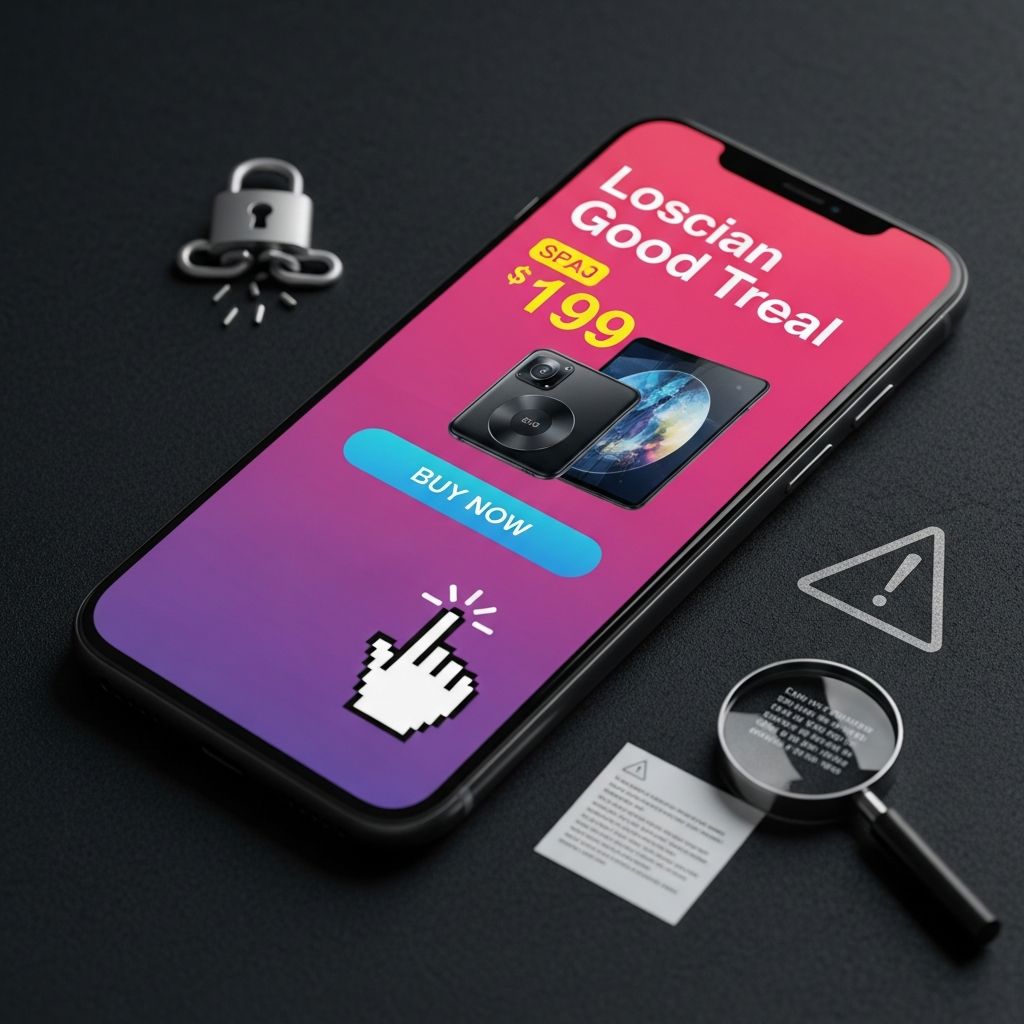
Eye-catching social media ads that promise huge discounts on popular brands can be hard to resist. But many of these “too good to be true” offers are really scams designed to steal your money, your personal information, or both.
This guide explains how these scams work, the warning signs to watch for, how to verify whether a seller is real, and exactly what to do if you think you have been scammed.
Why Social Media is a Hotspot for Fake Shopping Deals
Social platforms make it simple and cheap to run ads that reach millions of people, which also makes them attractive tools for scammers. According to the Federal Trade Commission (FTC), social media is one of the most common ways scammers find new victims for a wide range of frauds, including shopping scams, imposter scams, and fake investment offers.
Scammers often:
- Impersonate well-known brands or retailers to look legitimate
- Use stolen logos, product images, and marketing language from real companies
- Run short-lived ad campaigns, then disappear once enough people have paid
- Target users who engage with shopping content or follow brand accounts
Once you click a deceptive ad, you can be sent to a fake site that looks convincing but exists only to grab your payment details and personal information.
Common Red Flags in Social Media Shopping Ads
Not every deal is a scam, but the more of these warning signs you see, the more cautious you should be.
1. Unrealistic Prices on Popular Brands
Scammers often lure people with extreme discounts on current, in-demand products: designer shoes, electronics, cosmetics, or luxury clothing. These prices may be far lower than any sale on the brand’s official site or trusted retailers.
- “90% off everything” or limited-time mega sales on expensive items
- Brand-new products listed below typical wholesale cost
- Language that presses urgency, like “only 10 minutes left” or “final hours”
Legitimate businesses do run sales, but deep, across-the-board discounts on popular brands are rare and usually well-publicized on the brand’s official website.
2. Confusing or Hidden Seller Identity
Scam ads may feature the logo of a major brand, but the actual seller name is different or hard to spot.
- The ad uses a famous brand name, but the account username or page name does not match
- “About” or profile sections are blank or extremely vague
- The store’s contact email uses a free email provider instead of a business domain
Real companies clearly display their brand name, customer service contacts, and links back to their official website.
3. Suspicious Website Details
When you click through an ad, look carefully at the website before you buy.
- Misspelled domain names (for example, extra letters or swapped characters)
- Poor grammar, inconsistent fonts, or low-resolution images
- No physical address or only a vague international location
- Limited or missing return, refund, and privacy policies
Scammers may quickly build sites using cheap templates and stock images, focusing more on speed than quality.
4. Limited, Risky Payment Options
Another warning sign is how the site wants you to pay. Fraudsters often push irreversible or hard-to-trace payment methods.
- Only accepts wire transfers, cryptocurrency, payment apps, or gift cards
- Does not accept credit cards, which usually offer better dispute rights
- Pressures you to pay immediately to hold the “deal”
The FTC warns that scammers commonly ask people to move money in unusual ways, including crypto ATMs and other nontraditional channels, to make recovery difficult.
5. Manipulative Reviews and Social Proof
Fraudulent sellers may use fake reviews, bot comments, or paid endorsements to appear trustworthy.
- Dozens of nearly identical five-star reviews posted in a short time frame
- Comments that look like copy-paste phrases (“Great product! Fast shipping!”)
- No critical or neutral feedback anywhere
Scammers may also run multiple pages: one to advertise, another to hold glowing comments, and a separate site to collect payments.
How to Check If a Social Media Seller Is Legitimate
Before you click “Buy,” take a few minutes to investigate. The FTC advises consumers to research sellers and check for complaints before responding to online offers.
Quick Verification Checklist
| Step | What to Do | What You’re Looking For |
|---|---|---|
| Search the company name | Type the seller’s name into a search engine with words like “review,” “scam,” or “complaint.” | Independent reviews from multiple sites; warnings from consumers or agencies |
| Check the official brand site | Visit the well-known brand’s own website directly (not through the ad). | Verification of authorized retailers or alerts about impersonation scams |
| Review contact information | Look for a physical address, working customer service email, and phone number. | Clear, consistent business details that match other online listings |
| Read policies | Check shipping, returns, refunds, and privacy policies carefully. | Specific, detailed policies rather than vague or missing information |
| Compare prices | Compare the offer to major, well-known retailers and the brand’s own store. | Logical discounts rather than extreme price gaps with no explanation |
Why Fake Deals Are So Dangerous
Falling for a bogus ad can cost you more than the purchase price. These schemes frequently involve both financial loss and identity theft risks.
1. Losing Your Money or Getting Counterfeits
Outcomes commonly reported in online shopping scams include:
- Paying and receiving nothing at all
- Receiving something very different from what was advertised
- Getting low-quality counterfeits that may be unsafe or unusable
Once the scammer has your money, they may quickly close the website or delete their account, making it hard to track them down.
2. Risk of Identity Theft
Fake shopping sites are often built to collect detailed personal information, not just payments. Criminals may ask for:
- Full name, address, phone number
- Birthdate or Social Security number
- Credit card or bank account details
The FTC notes that when scammers gain personal and financial data, they can open new accounts, make unauthorized purchases, or commit other types of identity theft. If you suspect your information was exposed, U.S. consumers can use the government’s dedicated identity theft recovery resource for step-by-step help.
Safe Ways to Shop When You See a Social Media Ad
You do not have to avoid social media shopping altogether, but you should change how you respond to ads.
1. Don’t Buy Directly Through the Ad
If an offer catches your eye:
- Open a new browser tab and type the brand’s official website address yourself
- Search for the product’s name at reputable retailers
- See if the same discount is advertised on trusted sites
Going directly to the source cuts out the risk of being funneled to an imposter website.
2. Use Safer Payment Methods
Whenever possible, pay with methods that give you strong dispute and chargeback rights.
- Credit cards generally offer better protections than debit cards if you need to contest fraudulent or undelivered charges.
- Avoid paying strangers with cryptocurrency, wire transfers, payment apps, or gift cards. The FTC emphasizes that scammers favor these methods because transactions are hard to reverse.
3. Protect Your Devices and Accounts
Some scam ads or fake websites may also try to install malware or harvest login credentials.
- Keep your browser, operating system, and security software up to date
- Use unique, strong passwords and enable multi-factor authentication where available
- Be cautious about logging in or entering card details on unfamiliar sites
What to Do If You Paid a Scammer
If you realize you have sent money to a fraudulent seller, acting quickly can improve your chances of limiting the damage. The FTC provides detailed guidance on next steps after a scam.
Immediate Actions by Payment Type
- Credit or debit card: Contact your card issuer right away, explain the charge is fraudulent, and ask them to reverse or dispute it.
- Bank transfer: Call your bank immediately to see whether the transfer can be canceled or recalled.
- Payment apps or digital wallets: Report the transaction through the app’s support options and ask about reversing the payment.
- Gift cards or cryptocurrency: These are very difficult to recover, but you should still report the fraud to the card issuer or crypto platform and keep all documentation.
Monitor and Secure Your Accounts
After any scam, watch your financial and online accounts closely.
- Review your bank and card statements for unauthorized charges
- Change passwords for your email, bank, and shopping accounts
- Consider placing a fraud alert or credit freeze with credit bureaus if identity theft is a concern
Report the Scam
Reporting helps enforcement agencies spot patterns and may prevent others from being victimized. The FTC encourages consumers to file scam reports through its official reporting portals.
- Submit a fraud report to the FTC using its dedicated reporting website
- Report the seller or ad within the social media app so the platform can review or remove it
- Notify your state consumer protection office or attorney general if large sums are involved
If You Shared Sensitive Personal Information
Giving a scam site your Social Security number, bank account number, or other sensitive data requires extra steps. The FTC’s identity theft guidance explains how to build a personalized recovery plan.
- Review your credit reports for unfamiliar accounts or inquiries
- File an identity theft report through the official government resource if you see signs of misuse
- Place security freezes or fraud alerts with major credit bureaus to make it harder for criminals to open new accounts in your name
Helping Friends and Family Stay Safe Online
Scammers rely on speed and surprise. Sharing information ahead of time can make your community much harder to deceive. The FTC encourages people to “pass on” what they know about scams, using public-domain resources that are free to reuse.
- Talk openly with friends, family, and co-workers about recent scam trends
- Encourage older relatives and new internet users to check with you before acting on flashy deals
- Share educational materials from official consumer protection websites through email or social media
Frequently Asked Questions (FAQs)
Q1: If I see an amazing discount on a brand I love, what should I do first?
Start by leaving the ad and going directly to the brand’s official website using a search engine or a bookmark. Check whether the same discount appears there or at well-known retailers. Then research the seller’s name with words like “review” or “scam” before buying.
Q2: The site looks professional. Does that mean it’s safe?
Not necessarily. Scam sites can look polished and use real product photos and logos. Focus on the domain name, clear contact information, refund and privacy policies, and independent reviews. Combine several checks rather than relying on appearance alone.
Q3: I only gave my name and address. Can scammers still harm me?
Name and address alone are less sensitive than financial or government ID numbers, but they can still be used in phishing attempts or to build a profile for future fraud. Be extra cautious with messages referencing a recent purchase, and avoid clicking on unexpected links or attachments.
Q4: How do I know if I’m dealing with the real brand on social media?
Look for verified checkmarks where applicable, but always confirm through the brand’s official website. Many companies list their official social accounts on their site. When in doubt, contact the brand directly using contact details from its main website, not from the ad or profile.
Q5: Where can I get official help and report a scam?
In the United States, you can report scams and get recovery advice through official Federal Trade Commission resources, including its fraud reporting and identity theft assistance sites. These services provide step-by-step guidance and are free to use.
References
- That social media ad with super low prices on well-known brands could be a scam — Federal Trade Commission (FTC). 2025-08-26. https://consumer.ftc.gov/consumer-alerts/2025/08/social-media-ad-super-low-prices-well-known-brands-could-be-scam
- FTC Data Show a More Than Four-Fold Increase in Reports of Impersonation Scammers Stealing Tens of Thousands of Dollars, Even Entire Life Savings, from Older Adults — Federal Trade Commission (FTC). 2025-08-01. https://www.ftc.gov/news-events/news/press-releases/2025/08/ftc-data-show-more-four-fold-increase-reports-impersonation-scammers-stealing-tens-even-hundreds
- How to avoid an online shopping scam this holiday season — Federal Trade Commission (FTC). 2025-11-20. https://consumer.ftc.gov/consumer-alerts/2025/11/how-avoid-online-shopping-scam-holiday-season
- Stay ahead of scammers in 2025 — Federal Trade Commission (FTC). 2024-12-12. https://consumer.ftc.gov/consumer-alerts/2024/12/stay-ahead-scammers-2025
- Get FTC Scam Alerts — Federal Trade Commission (FTC). 2023-09-20. https://www.ftc.gov/media/70958
Similar Articles








Read full bio of Sneha Tete


