
Social Media Laws In 2026: Key Legal Essentials
Master the evolving legal landscape of social media: protections, regulations, and compliance tips for users and businesses in 2026.
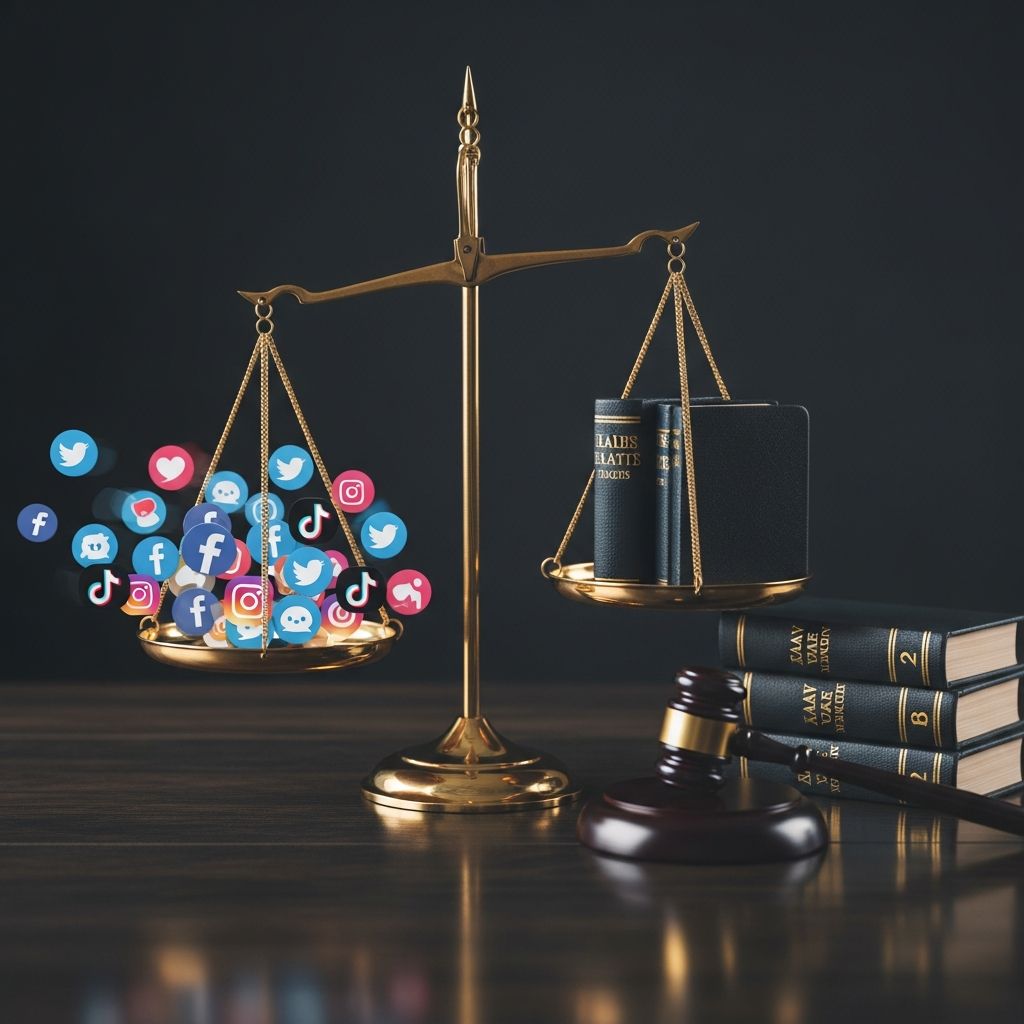
Social media platforms shape daily communication, business growth, and information sharing, but they operate within a complex web of legal rules. In 2026, new federal proposals and state laws intensify focus on user privacy, child safety, content accountability, and platform responsibilities. This guide explores critical legal aspects, drawing from recent legislative developments to help individuals and businesses stay compliant and protected.
Protecting Minors in the Digital Age
Governments worldwide prioritize shielding children from social media harms like addiction, cyberbullying, and exploitation. U.S. states lead with innovative restrictions effective in 2026. Virginia’s law mandates platforms to screen users under 16 using neutral age verification and cap daily use at one hour unless parents consent otherwise. This applies to major platforms, enforcing time limits per app to curb excessive engagement.
Federal efforts amplify these measures. The Kids Off Social Media Act (KOSMA) proposes banning accounts for those under 17 and prohibiting targeted ads to minors. Similarly, the RESET Act would bar under-16 users from creating or maintaining accounts, with termination required upon detection. Sammy’s Law demands platforms share real-time data with third-party safety tools, empowering parents to manage settings and monitor interactions.
- Age Verification: Platforms must implement reasonable methods to identify minors, avoiding invasive data collection.
- Time Restrictions: Daily limits promote healthy habits, with parental overrides for flexibility.
- Parental Tools: Controls for messaging approvals, content blocking, and data deletion enhance oversight.
These rules challenge platforms to balance access with safety, potentially reshaping user experiences. Non-compliance risks fines and lawsuits, underscoring the need for robust verification tech.
Privacy Rights and Data Governance
User data fuels social media, but 2026 privacy laws tighten controls. California’s updated CCPA and new laws in Indiana, Kentucky, and Rhode Island grant opt-outs for automated decision-making and require risk assessments. Platforms face mandates to delete data via ‘eraser buttons,’ limit retention, and secure explicit consent from 13-16-year-olds.
The Parents Over Platforms Act pushes age-assurance and bans personalized ads to kids, restricting data sharing. Ephemeral messaging faces scrutiny; proposed bills prohibit auto-deleting features to preserve evidence in harm cases. Businesses must audit data practices, notify users of changes, and minimize collection to essentials.
| State Law | Key Requirement | Effective Date |
|---|---|---|
| Virginia | Minor time limits & age screens | Jan 1, 2026 |
| Indiana, KY, RI | Privacy opt-outs & audits | Jan 1, 2026 |
| Oregon | CPPA amendments | Jan 1, 2026 |
Violations invite enforcement by attorneys general, emphasizing transparent policies and user empowerment.
Navigating Content Creation and IP Risks
Posting content carries intellectual property pitfalls. User-generated media often incorporates music, images, or videos owned by others, risking copyright strikes. Platforms like Instagram and TikTok use automated detection, but fair use defenses apply narrowly—transformative, non-commercial uses may qualify.
Trademark issues arise in endorsements; false claims about brands can trigger Lanham Act suits. Best practices include obtaining licenses, crediting sources, and avoiding commercial exploitation without permission. Platforms’ terms grant broad licenses to hosted content, allowing monetization—creators should read policies carefully.
- Secure permissions for third-party assets.
- Leverage Creative Commons for free resources.
- Monitor for takedown notices and appeal invalid claims.
High-profile cases highlight consequences: influencers facing six-figure settlements for unlicensed music overlays. Proactive watermarking and original creation mitigate risks.
Defamation and Reputation Management Online
False statements spread rapidly online, amplifying defamation claims. Libel (written) requires proving falsity, publication, identification, and harm—public figures face a higher ‘actual malice’ bar. Section 230 shields platforms from liability for user posts but not the posters themselves.
State laws add layers; warning labels on addictive platforms in New York, California, and Minnesota disclose mental health risks, targeting youth. Businesses monitor mentions, issuing cease-and-desist letters or pursuing suits. Victims can request removals under platform policies or court orders.
Strategies for defense:
- Document context to prove truth or opinion.
- Use privacy settings to limit visibility.
- Engage legal counsel for removal requests.
2026 sees rising cases tied to AI-generated deepfakes, blurring authenticity lines.
Business Compliance and Platform Duties
Companies leverage social media for marketing but must adhere to advertising laws. The FTC demands truthful disclosures in #ad posts; undisclosed sponsorships incur penalties. Accessibility rules under ADA require alt text for images and captions for videos.
New mandates like Sammy’s Law compel API access for safety software, aiding parental oversight. Platforms cannot enforce terms against minors sans verified consent and must report fentanyl sales risks. Safe harbor provisions protect good-faith compliance.
For employers, monitoring employee accounts risks privacy invasions; off-duty posts enjoy First Amendment protections unless disrupting business. Develop social media policies outlining dos and don’ts.
Frequently Asked Questions
Can minors use social media under new 2026 laws?
In states like Virginia, platforms limit under-16 access to one hour daily without parental consent. Federal bills propose stricter bans.
What is an ‘eraser button’ on social platforms?
A tool allowing users or parents to delete personal data, including republished content, as in KOSMA proposals.
Are platforms liable for user defamation?
Generally no, due to Section 230, but they must remove illegal content upon notice.
How to comply with FTC endorsement rules?
Disclose paid promotions clearly with #ad or #sponsored tags.
What about social media in employment?
Companies can monitor public posts but face limits on private accounts to avoid NLRA violations.
Future Outlook: Litigation and Innovation
Supreme Court rulings like the Mississippi case signal judicial scrutiny of minor bans, with First Amendment challenges mounting. Studies under the Safe Social Media Act will inform policy on teen usage and mental health. Platforms innovate with AI moderation, but fentanyl and exploitation reports demand action.
Users benefit from empowered controls; businesses from clearer guidelines. Staying updated via official sources ensures adaptability in this dynamic field.
References
- Wave of Federal “Online Safety” Legislation Hits Congress — Davis Wright Tremaine. 2026-01. https://www.dwt.com/insights/2026/01/federal-online-safety-legislation-hits-congress
- 2026 is a Pivotal Year for Privacy: CCPA Updates & New State Privacy Laws — BDO USA. 2026. https://www.bdo.com/insights/advisory/2026-is-a-pivotal-year-for-privacy
- New US State Privacy, Social Media, and AI Laws Take Effect January 2026 — The National Law Review. 2026. https://natlawreview.com/article/new-us-state-privacy-social-media-and-ai-laws-take-effect-january-2026
- Eight States Enact Minor Social Media Bans Despite Court Fights — Multistate. 2025-10-08. https://www.multistate.us/insider/2025/10/8/eight-states-enact-minor-social-media-bans-despite-court-fights
- Scroll With Caution: Another State Requires Social Media Warning Labels — Education Week. 2026-01. https://www.edweek.org/policy-politics/scroll-with-caution-another-state-requires-social-media-warning-labels/2026/01
- § 59.1-577.1. Social media platforms; responsibilities and prohibitions related to minors — Code of Virginia. Effective 2026-01-01. https://law.lis.virginia.gov/vacode/title59.1/chapter53/section59.1-577.1/
- Text – H.R.6290 – 119th Congress (2025-2026): Safe Social Media Act — Congress.gov. 2025-2026. https://www.congress.gov/bill/119th-congress/house-bill/6290/text
Similar Articles








Read full bio of medha deb


