
Smart & Safe Online Shopping: A Practical Consumer Guide
Learn how to choose trustworthy sites, pay securely, avoid scams, and solve problems when online purchases go wrong.
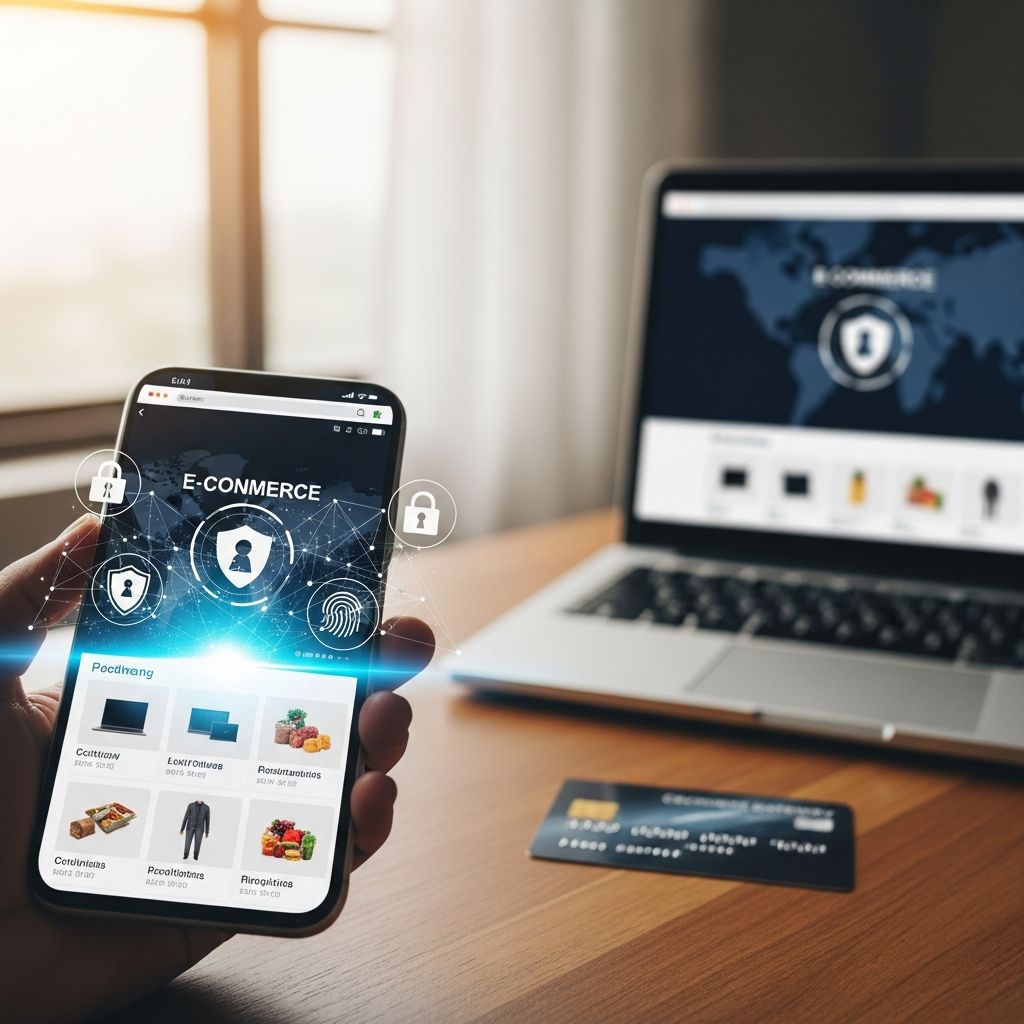
Buying online is convenient, fast, and often cheaper than shopping in person, but it also brings real risks: fake stores, lost packages, hidden fees, and misuse of your personal data. This guide walks you through how to shop safely, protect your money, and resolve problems when an online order does not go as planned.
1. Understanding Your Risks When You Shop Online
Before you click “buy,” it helps to understand what can go wrong and why it matters. Government and cybersecurity agencies consistently warn that criminals target online shoppers with fake sites, phishing messages, and payment scams.
- Financial loss: paying for something that never arrives or is very different from what was advertised.
- Identity theft: your name, address, or account details are stolen and used to open accounts or make charges in your name.
- Account takeover: weak or reused passwords let attackers break into your shopping or banking accounts and place orders.
- Data misuse: retailers or shady sites collect and sell your information to third parties without your knowledge.
The good news: by making a few careful checks before and after you buy, you can dramatically reduce these risks.
2. Evaluating an Online Store Before You Buy
Legitimate businesses leave a trail: contact details, customer reviews, and a clear online presence. Scam sites often lack these basics or copy them poorly.
2.1 Quick checklist for website trustworthiness
- Look at the URL carefully: check spelling, extra words, or strange domains (for example, .net instead of a known brand’s .com), which are common signs of fake sites.
- Look for HTTPS and a lock icon: this means your connection is encrypted; it does not guarantee the site is honest, but no lock icon is a red flag for entering payment details.
- Find physical contact details: a legitimate retailer typically lists a mailing address, customer service email, and phone number.
- Search for independent reviews: look up the store’s name plus words like “review” or “complaint” on separate, reputable sites.
- Check policies: read return, refund, shipping, and privacy policies to see how problems and your data are handled.
2.2 Table: Warning signs of a risky online store
| Warning Sign | Why It Matters | What You Can Do |
|---|---|---|
| Prices far below competitors | Common tactic on fake or counterfeit sites to lure buyers. | Compare prices across several known retailers; if it looks unreal, walk away. |
| No clear contact information | Makes it hard to get help or a refund if something goes wrong. | Avoid purchasing unless you can verify a real business behind the site. |
| Only unusual payment options | Requests for wire transfers, gift cards, crypto, or P2P apps can indicate scams. | Use a credit card or reputable digital wallet; if not available, do not buy. |
| Lots of spelling or translation errors | May signal a hastily built clone site. | Double-check the domain, and search the business name plus “scam.” |
| No independent reviews or only generic praise | Fake sites often invent reviews or have no real history. | Look for reviews on trusted third-party platforms or better-known marketplaces. |
3. Comparing Products and Understanding the Total Cost
If the seller looks legitimate, the next step is to make sure you understand what you are buying and what you will ultimately pay.
3.1 Read the full product description
- Check specifications: size, color, materials, compatibility, and any required accessories.
- Look for limitations: “refurbished,” “used,” or “open box” items may come with different warranties or conditions.
- Review photos critically: some sellers use stock images that do not match what they actually ship; compare photos with other retailers.
3.2 Watch for hidden or extra charges
Before confirming your order, look for:
- Shipping and handling fees: some sites advertise low prices but add inflated shipping costs at checkout.
- Taxes and import duties: cross-border purchases may include customs or VAT that you are responsible for on delivery.
- Subscription traps: watch for pre-checked boxes that sign you up for recurring deliveries or memberships.
4. Paying Safely and Protecting Your Financial Information
Your choice of payment method can dramatically affect your rights and the ease of getting your money back if something goes wrong. Consumer protection agencies and cybersecurity organizations recommend using credit cards and reputable digital wallets over debit cards or direct transfers.
4.1 Best payment options for protection
- Credit cards: often provide strong fraud protection and chargeback rights if you are billed for items you did not receive or did not authorize.
- Digital wallets (such as large, well-known wallet providers): add a layer between the merchant and your card number, and use encryption to protect transactions.
- Virtual or one-time card numbers: some banks offer temporary numbers that can only be used once or with a single merchant, limiting damage if data is stolen.
4.2 Payment methods to avoid
- Wire transfers and money orders: like sending cash; nearly impossible to reverse.
- Gift cards as payment: a common hallmark of scams; legitimate sellers rarely ask you to pay with gift cards.
- Cryptocurrency for retail purchases: highly irreversible and favored by fraudsters because funds are hard to recover if something goes wrong.
4.3 Securing the environment when you pay
- Avoid public Wi-Fi for checkouts: attackers can intercept traffic on open networks; if necessary, use a VPN or mobile data instead.
- Keep your devices updated: turn on automatic updates for your browser, operating system, and security software to patch vulnerabilities.
- Use strong, unique passwords: long passwords stored in a reputable password manager help prevent account takeover.
- Enable multifactor authentication (MFA): adding a one-time code or security app to logins makes it harder for criminals to break into your accounts even if they know your password.
5. Delivery, Tracking, and What to Keep After You Order
After placing an order, your focus shifts to tracking the shipment and keeping the right documentation in case a dispute arises.
5.1 What to save
- Order confirmation: save or print the page and keep the email that confirms your purchase, including item details, price, and estimated delivery date.
- Receipts and invoices: keep digital copies for returns, warranties, and expense tracking.
- Seller communications: store messages about shipping updates, cancellations, or changes to your order.
5.2 Monitoring delivery and avoiding package fraud
- Use official tracking tools: track packages directly through the carrier’s site or app using the tracking number provided.
- Beware of fake shipping notifications: phishing emails or texts may claim a delivery problem and ask you to click a link or enter personal data; navigate to the carrier’s site yourself instead of clicking unsolicited links.
- Consider secure delivery options: pickup lockers, signature requirements, or delivering to a workplace can reduce the risk of theft.
6. Handling Returns, Refunds, and Disputes
Even careful shoppers sometimes receive damaged goods, counterfeit items, or nothing at all. Knowing the right steps and timeline can help you recover your money.
6.1 Check policies before you buy
- Return window: note how long you have to send items back and whether the clock starts on the order date or delivery date.
- Return shipping costs: some retailers provide free returns; others deduct shipping or restocking fees from your refund.
- Exceptions: health products, custom items, and digital goods may have stricter or different rules.
6.2 If your order never arrives
- Confirm the estimated delivery date: check your order confirmation and tracking information.
- Contact the seller first: ask for an update, replacement, or refund; document the conversation.
- Contact the delivery company: sometimes packages are misrouted or marked delivered early.
- Dispute the charge: if you paid by credit card and the seller will not cooperate, you can often file a billing dispute with your card issuer under consumer protection laws.
6.3 If the item is not as described or is defective
- Take clear photos or videos: document damage, incorrect items, or missing parts immediately.
- Notify the seller in writing: use the platform’s messaging system or email so there is a record.
- Follow the seller’s return procedure: use prepaid labels if provided, and keep proof of shipment.
- Escalate through the platform: on marketplace sites, use their formal dispute process if the seller refuses a reasonable solution.
7. Recognizing and Avoiding Common Online Shopping Scams
Fraudsters constantly adjust their tactics, but many scams share similar warning signs. Staying skeptical of unexpected messages and extreme deals is one of your best defenses.
7.1 Examples of frequent scam patterns
- Fake retailer websites: look-alike sites that imitate major brands or marketplaces with slightly altered URLs.
- Too-good-to-be-true ads: social media or email ads offering high-demand products at a fraction of the normal price, often leading to low-quality imitations or no delivery at all.
- Phishing emails and texts: messages claiming problems with your order or payment, urging you to click a link and enter login or card details.
- Impersonation of delivery services: texts saying a package cannot be delivered until you pay a small fee or update your details; official carriers do not typically collect personal data this way.
7.2 How to protect yourself from scams
- Go directly to the source: type the retailer’s web address into your browser instead of clicking links in unsolicited messages.
- Verify unexpected contacts: if someone claims to be from your bank, card issuer, or a shipping company, use an official phone number or website to confirm before sharing any information.
- Limit the data you share: legitimate shopping sites do not need your Social Security number or full bank login details for a routine purchase.
- Report scams: notify your card issuer, the platform or marketplace you used, and in many countries your national consumer protection or fraud-reporting agency.
8. Long-Term Habits for Safer Online Shopping
Online safety is not just about individual purchases; it is about long-term habits that make you a harder target for criminals.
- Review statements regularly: scan your bank and card transactions for unfamiliar charges and report them promptly.
- Use different passwords across sites: if one retailer is breached, attackers cannot reuse that password somewhere more sensitive, such as your email or bank.
- Be cautious about storing card details: convenience is tempting, but saving payment data on many sites increases the impact of a data breach.
- Limit accounts: close unused shopping accounts so they cannot be compromised later.
- Educate family members: talk about fake ads, phishing, and safe payment choices so younger or less experienced shoppers do not learn by losing money.
Frequently Asked Questions (FAQs)
Q1: How can I quickly tell if an online deal is probably a scam?
Compare the price with at least two major, reputable retailers. If the price is dramatically lower, the website is new or has no independent reviews, and it demands unusual payment methods like wire transfers or gift cards, treat it as a likely scam and do not buy.
Q2: Is it safe to buy from small or new online businesses?
Yes, many small sellers are legitimate, but vet them carefully: check for clear contact information, read independent customer reviews, confirm that the site uses HTTPS, and make your first purchase with a credit card so you have added protection if there is a problem.
Q3: What should I do if I clicked on a suspicious shopping link and entered my card details?
Immediately contact your card issuer, explain what happened, and ask them to monitor or replace the card. Review recent transactions for unfamiliar charges, change your account password, enable multifactor authentication, and run updated security software on your device.
Q4: Is it safe to keep my credit card on file with big retailers?
Large retailers generally invest more in security than small sites, but storing card details anywhere always adds some risk if that company is breached. For maximum safety, limit stored cards to one or two trusted platforms, use strong unique passwords and MFA, and consider using a digital wallet or virtual card for other purchases.
Q5: When should I involve my bank or card company in an online shopping dispute?
Try resolving the issue with the seller first. If your order never arrives, arrives badly damaged, or the seller refuses a promised refund, contact your card issuer as soon as possible to file a dispute. Many consumer protection rules set strict time limits for contesting charges, so do not wait.
References
- Safe Online Holiday Shopping — National Cybersecurity Alliance. 2023-11-01. https://staysafeonline.org/articles/safe-online-holiday-shopping
- Safe Online Holiday Shopping: Tips to Protect Your Information — CoVantage Credit Union. 2025-11-12. https://www.covantagecu.org/resources/blog/november-2025/safe-online-holiday-shopping-tips-to-protect-your-information
- 11 Online Safety Tips for Making Purchases on the Internet — Providence Federal Credit Union. 2023-10-10. https://www.providencecu.org/blog/11-online-safety-tips-for-making-purchases-on-the-internet
- Online Holiday Shopping: 7 Tips to Stay Safe — Farm Bureau Financial Services. 2022-12-05. https://www.fbfs.com/learning-center/online-holiday-shopping-7-tips-to-stay-safe
- Online Shopping – Security Tips — Federal Trade Commission. 2021-10-01. https://consumer.ftc.gov/media/79929
- Stop Before You Shop: Safe Online Shopping Tips — NC State University Office of Information Technology. 2025-11-13. https://oit.ncsu.edu/2025/11/13/stop-before-you-shop-safe-online-shopping-tips/
- Online Shopping — Federal Trade Commission Consumer Advice. 2023-05-01. https://consumer.ftc.gov/articles/online-shopping
Similar Articles








Read full bio of Sneha Tete


