
Safe Zones for Online Buy-Sell Exchanges
Discover how police-designated safe zones protect online buyers and sellers from scams, robberies, and violence in the booming e-commerce era.
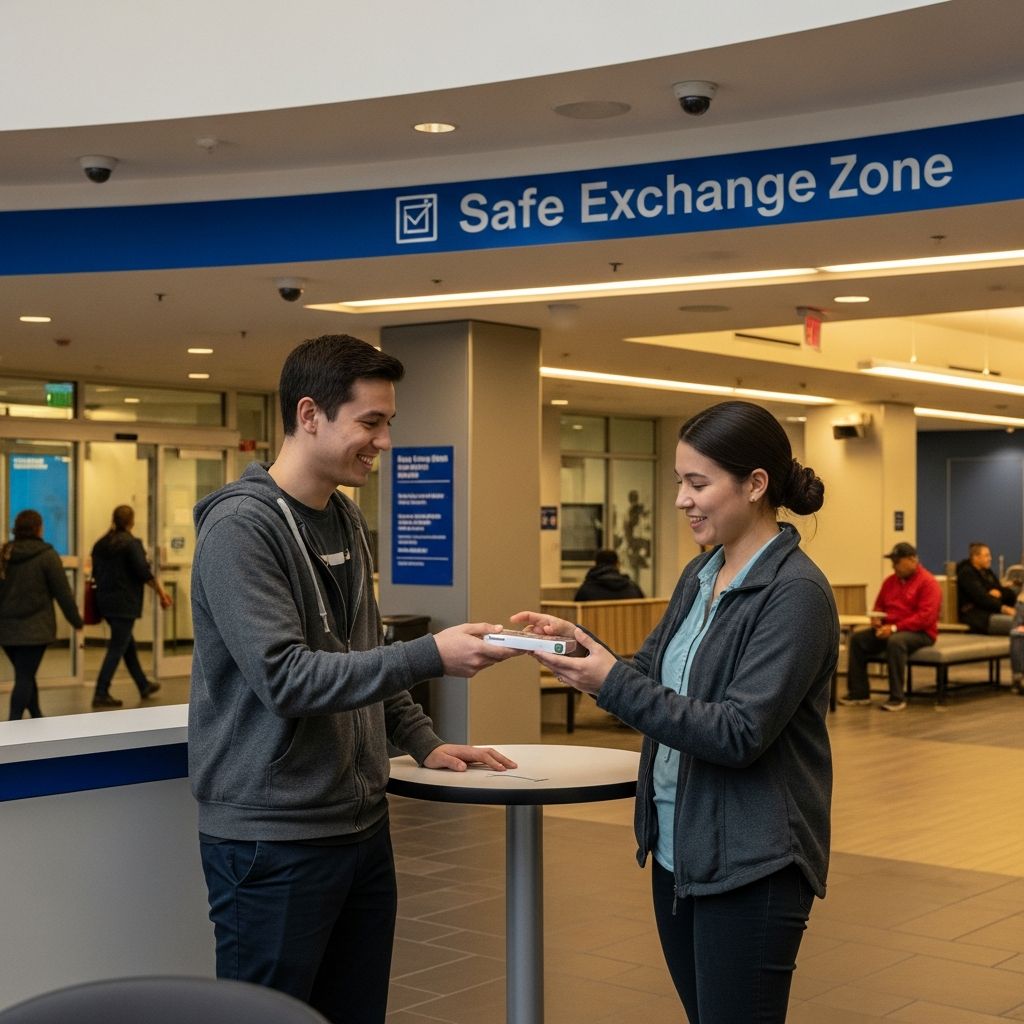
In the era of widespread online marketplaces like Facebook Marketplace and Craigslist, peer-to-peer transactions have exploded in popularity. However, meeting strangers in parking lots or private residences carries inherent dangers, including robbery, assault, and scams. To combat this, numerous police departments nationwide have established safe exchange zones—designated, monitored areas typically at police stations where individuals can complete these deals securely.
The Growing Need for Protected Transaction Sites
Online sales platforms facilitate billions in transactions annually, but they lack the safeguards of traditional retail. Buyers and sellers often arrange in-person handoffs, exposing them to predation. High-profile incidents, such as the 2022 fatal shooting of a 20-year-old during a fake motorcycle sale in New York City and the murder of an off-duty NYPD officer in a bogus minivan deal, underscore the perils. These tragedies highlight why communities demand safer alternatives.
Safe zones address this by providing well-lit, video-surveilled spots near law enforcement. Transactions occur under camera oversight, with officers potentially present, deterring criminals. Programs like these emerged around 2015, with websites such as SafeTradeStations.com now listing over 450 U.S. locations, predominantly police sites. Every state boasts at least one, with leaders like California, Florida, Texas, Pennsylvania, and New Jersey topping the counts.
How Safe Exchange Zones Operate
These zones are straightforward: police departments mark parking spaces or lobbies at substations with signage, equip them with 24/7 CCTV, and ensure high visibility. Users arrive, park in the designated area, complete the exchange, and leave—no appointment needed in most cases, operating on a first-come, first-served basis.
- Locations include police lobbies, front parking lots, or substation exteriors.
- Video feeds are often live-monitored or recorded for evidence if disputes arise.
- Marked patrol cars frequently patrol, adding deterrence.
- Open 24/7 where facilities allow, though daylight use is recommended for caution.
Police emphasize these are public services, not guaranteed protections. They won’t intervene in civil disputes, verify item authenticity, or hold items—users assume responsibility.
Examples of Safe Zones Across the United States
Hundreds of agencies participate. Here’s a snapshot:
| City/County | Location Details | Features |
|---|---|---|
| Columbus, OH | Five CPD substations | City-owned cameras, signed placards, frequent marked vehicles |
| East Hartford, CT | Public Safety Complex lobby and lot, 31 School St. | 24/7 surveillance, open to public |
| New York City, NY | All 77 NYPD precincts, 12 transit districts, 9 housing PSAs | Live desk sergeant monitoring, recorded video |
| Prince William County, VA | Three district stations | |
| Lexington, SC | Municipal Complex, 111 Maiden Lane | 24-hour surveillance |
Nevada mandates such zones in all 17 counties since 2017, the first state to do so legally. Directories like SafeExchangePoint.com (398 sites) help users locate the nearest spot.
Key Safety Guidelines for Using These Zones
Even in safe zones, vigilance is essential. Follow these best practices compiled from official sources:
- Insist on the police station meetup—if they refuse, cancel the deal.
- Bring a friend or family member; never go alone.
- Conduct exchanges during daylight unless the zone is 24/7 lit and monitored.
- Share your plans, meet time, and seller details with a trusted contact.
- Carry a charged phone; call 911 for emergencies.
- For valuables, request ID and consider serial number checks (some departments assist).
- Trust instincts—if something feels off, walk away.
Additional tips: Photograph the item, buyer/seller, and vehicle/license plate beforehand. Use apps with buyer/seller ratings when possible.
Beyond Online Sales: Additional Uses
While primarily for e-commerce, these zones serve other needs. Prince William County Police, for instance, welcomes child custody exchanges to prevent domestic disputes. Some facilitate custody visits or pet adoptions, offering neutral ground. This versatility enhances community value without straining resources.
Legal Aspects and Limitations
Safe zones are public amenities, not liability shields. Agencies disclaim responsibility for transactions, fraud verification, or dispute resolution. Video retention varies (e.g., set periods for review), aiding investigations if crimes occur. Users must comply with local laws—no illegal items or activities permitted.
Consult agency guidelines; some restrict high-volume sellers or require lobby use for large items. In non-surveilled county spots, request deputy presence.
Benefits and Effectiveness
These programs foster public trust, reduce street crimes from bad deals, and promote engagement. No fees, minimal setup (signs, lights, cameras), yield high impact. Incidents drop in equipped areas, as criminals avoid surveilled sites. Communities report increased online transaction confidence.
Expansion continues, with sites tracking growth. Even without formal zones, any lit police lot offers relative safety.
Frequently Asked Questions (FAQs)
Are safe exchange zones free to use?
Yes, they are public services provided at no cost by police departments, available first-come, first-served.
Do police officers watch every transaction?
Not necessarily in person, but areas are CCTV-monitored, often with live feeds or recordings. Officers patrol but don’t witness deals.
Can I use a safe zone for child custody exchanges?
Many departments allow it explicitly, providing a neutral, safe spot to avoid conflicts.
What if a dispute arises during the exchange?
Police won’t mediate civil matters but can review footage if a crime is reported. Handle disputes privately or through platforms.
How do I find a safe zone near me?
Check SafeTradeStations.com, SafeExchangePoint.com, or your local police website/department.
Is it safer than a public parking lot?
Significantly—surveillance, police proximity, and visibility deter crime far more than generic public spots.
Final Thoughts on Enhancing Your Online Trading Safety
Safe exchange zones represent a smart, low-cost innovation bridging digital commerce and public safety. By leveraging police infrastructure, they empower users to transact confidently. Always prioritize caution, but know these havens exist nationwide to minimize risks. Next online deal? Head to the station.
References
- Safe Exchange Zones – City of Columbus, Ohio — City of Columbus Department of Public Safety. Accessed 2026. https://www.columbus.gov/Services/Public-Safety/Police/Find-a-Police-Service/Internet-Purchase-Exchange-Zones
- Internet Purchase/Exchange Location — Town of East Hartford Police Department. Accessed 2026. https://www.easthartfordct.gov/police-department/pages/internet-purchaseexchange-location
- Counties offer safe zones for exchanges — U.S. Army. 2017-10-25. https://www.army.mil/article/173538/counties_offer_safe_zones_for_exchanges
- Safety exchange zones — American Police Beat Magazine. 2022-06. https://apbweb.com/2022/06/safety-exchange-zones/
- NYPD e-commerce zones allow for safe exchange of online purchases — ABC7NY. Accessed 2026. https://abc7ny.com/post/nypd-commerce-zones-allow-safe-exchange-online-purchases-during-holiday-season/15678643/
- Exchange Zones — Prince William County Police. Accessed 2026. https://www.pwcva.gov/exchangezones/
- SAFE EXCHANGE ZONE BEST PRACTICES — NJCE. 2023-03. https://njce.org/wp-content/uploads/2023/03/JAM-SD-Bulletin-Safe-Exchange-Zone-Best-Practices.pdf
Similar Articles








Read full bio of Sneha Tete


