
Robocalls and Phone Scams: How to Protect Yourself
Learn how robocalls work, why they’re often illegal, and practical steps you can take right now to block, report, and avoid them.
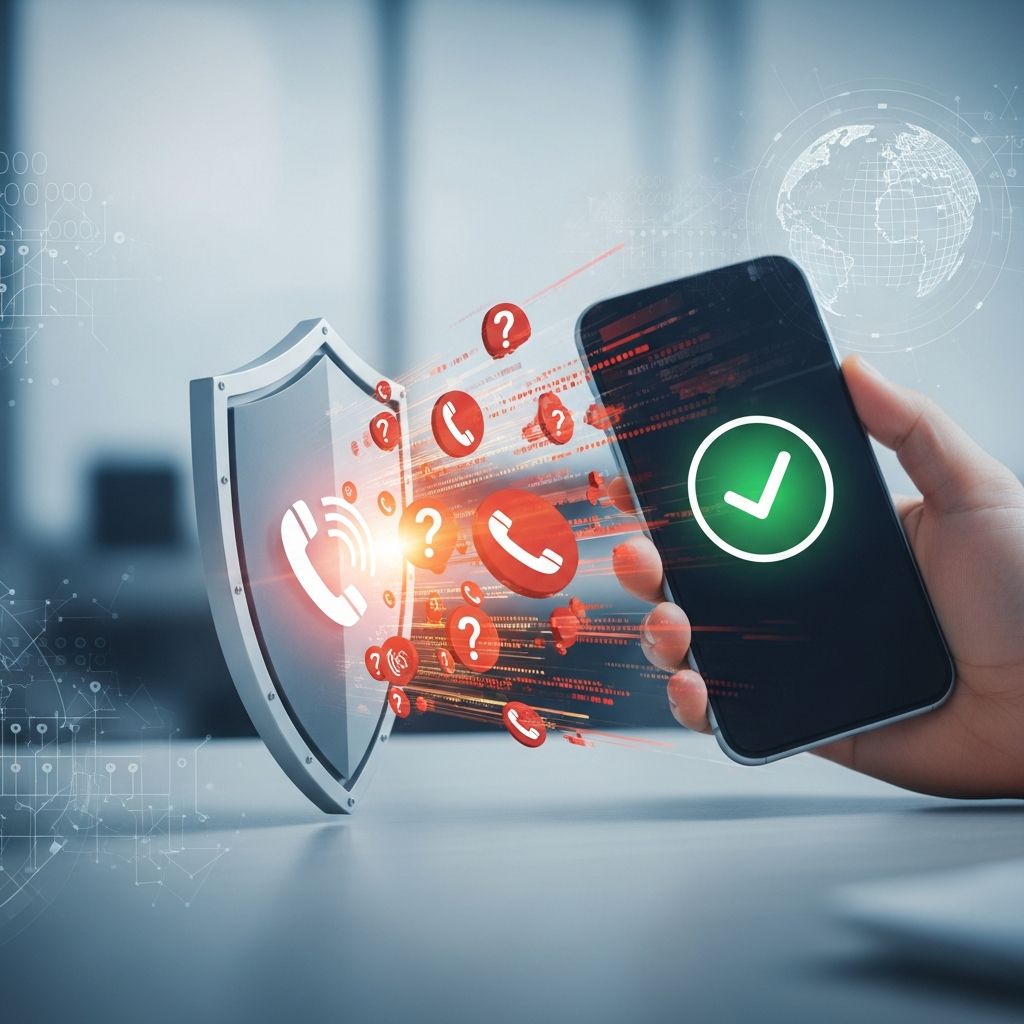
Robocalls and other unwanted calls are more than a daily annoyance. They are a major tool for scammers, identity thieves, and dishonest telemarketers trying to reach you at home, at work, and on your mobile phone. This guide explains what robocalls are, when they’re illegal, and the concrete steps you can take to reduce them and protect your money and personal information.
What Exactly Is a Robocall?
A robocall is any phone call that plays a prerecorded or artificial voice message, usually delivered through automated dialing technology. Instead of a person dialing each number, robocall systems can blast out thousands or even millions of calls in a short period of time.
Robocalls are used for many different purposes, including:
- Legitimate informational notices (for example, school closures or flight changes)
- Political messages or public service announcements in some jurisdictions
- Debt collection calls from certain creditors or their agents
- Telemarketing, sales pitches, and promotional offers
- Scams that impersonate government agencies, banks, or tech support
In the United States, federal law places strict limits on when automatic dialing systems and prerecorded voice messages can be used to contact you on your cell phone or landline, and many robocalls you receive are likely unlawful.
When Are Robocalls Legal or Illegal?
Whether a robocall is legal depends on several factors: the type of call, who is calling, whether you gave consent, and which phone number is being called. Consumer protection laws such as the Telephone Consumer Protection Act (TCPA) and rules enforced by the Federal Trade Commission (FTC) and Federal Communications Commission (FCC) set the boundaries.
Common types of permitted robocalls
Some automated calls are allowed, particularly when they are informational and not trying to sell you anything. Examples may include:
- School or university alerts about closures, emergencies, or schedule changes
- Airline notifications about flight cancellations or gate changes
- Healthcare appointment reminders from your doctor or pharmacy
- Fraud alerts from your bank or card issuer
These calls are often allowed without written consent because they provide essential or time-sensitive information and are not primarily advertising.
Situations where robocalls are generally illegal
In contrast, many sales or promotional robocalls are unlawful, especially when they target your mobile phone. Under federal rules, telemarketers usually must have your prior express written consent before using prerecorded messages or automated dialing technology to sell you products or services.
Red flags that a robocall is likely illegal include:
- Sales pitches you did not ask for, especially to your cell phone
- Recorded messages pretending to be from a government agency demanding payment
- Robocalls offering debt relief, extended car warranties, or work-from-home schemes out of the blue
- Calls that continue after you told the company to stop or after you revoked consent
Scammers often ignore these rules entirely. They frequently disguise their real phone number using “spoofing,” making it appear as if the call is coming from a local area code, a government office, or a familiar business.
Why Robocalls Are So Hard to Eliminate
Modern robocalling systems are cheap, fast, and easy to deploy. Fraudsters can launch campaigns from anywhere in the world, frequently changing phone numbers and hiding behind internet-based phone services.
Some factors that make robocalls difficult to stamp out include:
- Low cost of technology: Internet-based calling lets scammers dial enormous lists of numbers for pennies.
- Spoofed caller ID: Scammers can alter the caller ID to imitate local or trusted numbers, which tricks people into answering.
- Cross-border operations: Many illegal robocall operations originate outside the country, making enforcement more complex.
- High profit potential: Even a tiny percentage of victims responding to a campaign can produce large illegal profits.
Because of these challenges, regulators focus on forcing phone providers to block suspicious traffic and on making it easier for consumers to block and report unwanted calls.
How Phone Companies and Regulators Are Responding
Telecom providers and regulators have introduced new technologies and rules to limit illegal robocalls before they ever reach your phone.
Caller ID authentication and call blocking
The FCC has pushed carriers to implement caller ID authentication frameworks and advanced call blocking tools to detect and filter out obviously illegal or spoofed calls. Recent rule updates require providers in the call path to use reasonable “Do Not Originate” (DNO) lists and other mitigation strategies to block calls from invalid, unassigned, or known fraudulent numbers.
These measures help reduce large robocall campaigns, but they cannot stop every unlawful call. That is why your own actions—such as using your phone’s blocking tools and reporting bad calls—remain crucial.
Everyday Steps to Reduce Robocalls on Your Phone
You cannot eliminate every unwanted call, but you can significantly cut them down and make them less risky. Combine several of the strategies below for the best protection.
1. Use built-in tools on your mobile phone
Most smartphones include basic call blocking and filtering options you can enable in the settings.
- Block specific numbers after they call you.
- Turn on options such as silence unknown callers or filter spam calls where available.
- Customize whether calls from unknown or hidden numbers go straight to voicemail.
These tools do not stop calls from being made, but they limit the interruptions you experience.
2. Activate your carrier’s robocall protection
Mobile and landline carriers in the U.S. offer services that attempt to detect and block likely scam or spam calls at the network level. Many providers now include at least basic robocall protection by default, with premium options that add enhanced filtering or caller ID labeling.
Typical features include:
- Automatic blocking of calls known to be associated with fraud
- Labels such as “Spam Risk” or “Telemarketer” on suspicious calls
- Customizable lists of allowed and blocked callers
Check your carrier’s website or customer support materials to see what protections are available and how to turn them on.
3. Consider reputable third-party call blocking apps
Some consumers choose to use third-party apps that maintain large databases of known spam numbers and crowd-sourced reports. These tools can help identify or automatically block calls that match known robocall patterns.
When evaluating these apps, pay attention to:
- Privacy practices and what data they collect from your phone
- Whether they integrate with your phone’s call log and contacts safely
- Independent reviews and whether the service is transparent about how it labels calls
4. Sign up for the National Do Not Call Registry
In the U.S., you can register your phone number on the National Do Not Call Registry, which is managed by the FTC. Once your number is on the list, most legitimate telemarketers are not allowed to call you for sales purposes, with limited exceptions for certain organizations or companies you already have a relationship with.
Key points about the registry include:
- Registration is free and does not expire.
- It applies mainly to sales calls; it does not block political calls, charity calls, debt collection, or purely informational calls.
- If you receive sales calls after your number has been on the registry for 31 days, those calls are likely violating the rules.
While the registry will not stop illegal robocallers and scammers—who already ignore the law—it helps reduce legitimate telemarketing calls and makes it easier to identify unlawful activity.
5. Limit how widely you share your phone number
The more places your phone number appears, the easier it is for marketers and scammers to add you to their calling lists. To reduce your exposure:
- Think carefully before entering your number in online forms, sweepstakes, or surveys.
- Review privacy settings on online accounts to see whether your number is visible or shared with third parties.
- Ask companies not to share or sell your contact information when possible.
Some privacy services and data removal tools can also help reduce how often your number appears in public data sets, though results may vary.
6. Use call screening tools on landlines
If you still use a traditional landline, you may be able to connect external call-blocking devices that screen calls before your phone rings. These devices often:
- Use lists of known spam numbers to block calls automatically
- Let callers press a key on their keypad to prove they are a real person
- Allow you to maintain your own whitelist and blacklist of numbers
Several carriers also offer network-based robocall filtering for landlines. Check with your provider about available options.
How to Respond When You Get a Suspicious Call
Even with the best tools, some robocalls and scam calls will slip through. How you respond can protect you—or make you a bigger target.
Signs a call is likely a scam
Scammers rely on psychology as much as technology. Many of their techniques are designed to trigger emotion and push you into acting quickly. Warning signs include:
- Threats of arrest, legal action, or deportation unless you pay immediately
- Pressure to stay on the line and not hang up or call back through a known number
- Requests for payment via gift cards, cryptocurrency, wire transfers, or peer-to-peer payment apps
- Claims that you won a prize or lottery you never entered, but must pay fees or taxes first
- Impersonation of government agencies such as the IRS or Social Security Administration
If any of these signs appear, treat the call as suspicious—even if the caller ID looks legitimate.
Protective actions during and after the call
- Do not press any buttons or respond to prompts on a suspicious robocall; interacting can confirm that your number is active.
- Do not give out personal or financial information such as Social Security numbers, bank details, passwords, or one-time codes.
- Hang up if something feels off, then contact the organization using a verified phone number from an official website or your account statements.
- Block the number on your phone and, if possible, through your carrier tools.
Reporting Robocalls and Phone Scams
Reporting unwanted calls helps enforcement agencies identify patterns, shut down illegal operations, and develop better blocking tools. The FTC encourages consumers to report unwanted calls and robocalls, especially those that appear to be scams.
When filing a report, it is helpful to provide:
- The phone number that appeared on your caller ID
- The date and time of the call
- What the caller said and what they were trying to get you to do
- Whether it was a prerecorded message or a live caller
- Any number or website the caller asked you to use
Aggregated reports give regulators and law enforcement a clearer picture of emerging scams and large robocall campaigns.
Robocalls: Key Facts at a Glance
| Topic | What You Need to Know |
|---|---|
| What is a robocall? | An automated call that uses a prerecorded or artificial voice message delivered through automatic dialing systems. |
| Are all robocalls illegal? | No. Many informational robocalls are allowed; sales robocalls to your cell phone usually require prior written consent. |
| Can the Do Not Call Registry stop all robocalls? | No. It stops most legal sales calls from reputable telemarketers, but scammers and illegal robocallers ignore it. |
| Best defenses | Use phone and carrier blocking tools, be cautious with unknown numbers, limit sharing your phone number, and report bad calls. |
| What to do if you suspect a scam? | Hang up, do not share information, block the number, and contact the real organization using a verified phone number. |
Frequently Asked Questions (FAQs)
Q: Do robocalls ever stop on their own if I just ignore them?
Ignoring robocalls can reduce the benefit to scammers, but it usually does not make them stop entirely. Because automated systems call huge lists of numbers, your number may remain in their rotation. The most effective approach is to combine ignoring suspicious calls with blocking tools, the Do Not Call Registry, and reporting unwanted calls.
Q: Is it safe to press numbers to be removed from a robocall list?
Pressing numbers on a suspicious robocall is usually a bad idea. It can confirm that your line is active and may lead to more calls. For unwanted or illegal robocalls, hang up without interacting, then block and report the number.
Q: Are political and charity robocalls allowed?
In the U.S., certain political and charitable calls may be allowed under federal rules, especially to landlines, as long as they follow specific requirements. However, rules can differ depending on whether the call is to a cell phone or landline and whether it uses an autodialer or prerecorded message. Check FTC and FCC guidance for the latest details in your situation.
Q: How can I tell if a government call is real?
Government agencies typically do not demand immediate payment over the phone, threaten arrest, or insist on payment through gift cards or cryptocurrency. If someone claims to be from a government office and pressures you, hang up. Then call the agency back using a phone number from its official website or from a letter you already received. Never rely on the caller ID information alone.
Q: Should I change my phone number to escape robocalls?
Changing your number may temporarily reduce unwanted calls, but it is not a guaranteed fix. New numbers can also end up on calling lists over time. Before changing numbers, try enabling call blocking features, adding your number to the Do Not Call Registry, and using apps or carrier tools to filter calls. These steps are often enough for many people.
References
- How to Stop Unwanted Calls — Federal Trade Commission. 2023-10-18. https://consumer.ftc.gov/features/how-stop-unwanted-calls
- Advanced Methods to Target and Eliminate Unlawful Robocalls — Federal Communications Commission / Federal Register. 2025-03-24. https://www.federalregister.gov/documents/2025/03/24/2025-04811/advanced-methods-to-target-and-eliminate-unlawful-robocalls
- Strengthening the Fight Against Illegal Robocalls: FCC Sets December 15, 2025 Effective Date — Somos. 2025-06-03. https://www.somos.com/insights/strengthening-fight-against-illegal-robocalls-fcc-sets-december-15-2025-effective-date
- How to Stop Spam Calls and Robocalls in 2025 — CyberInsider. 2025-01-04. https://cyberinsider.com/data-removal/how-to-stop-spam-calls-robocalls/
- How to Block All Spam Calls | Simple 2025 Guide — Vitel Global. 2025-02-12. https://www.vitelglobal.com/blog/how-to-block-all-spam-calls/
Similar Articles








Read full bio of medha deb


