
Robocall Scams: Real-World Examples and How to Fight Back
Learn how common robocall scams work, what they sound like, and concrete steps you can take to avoid losing money or personal data.
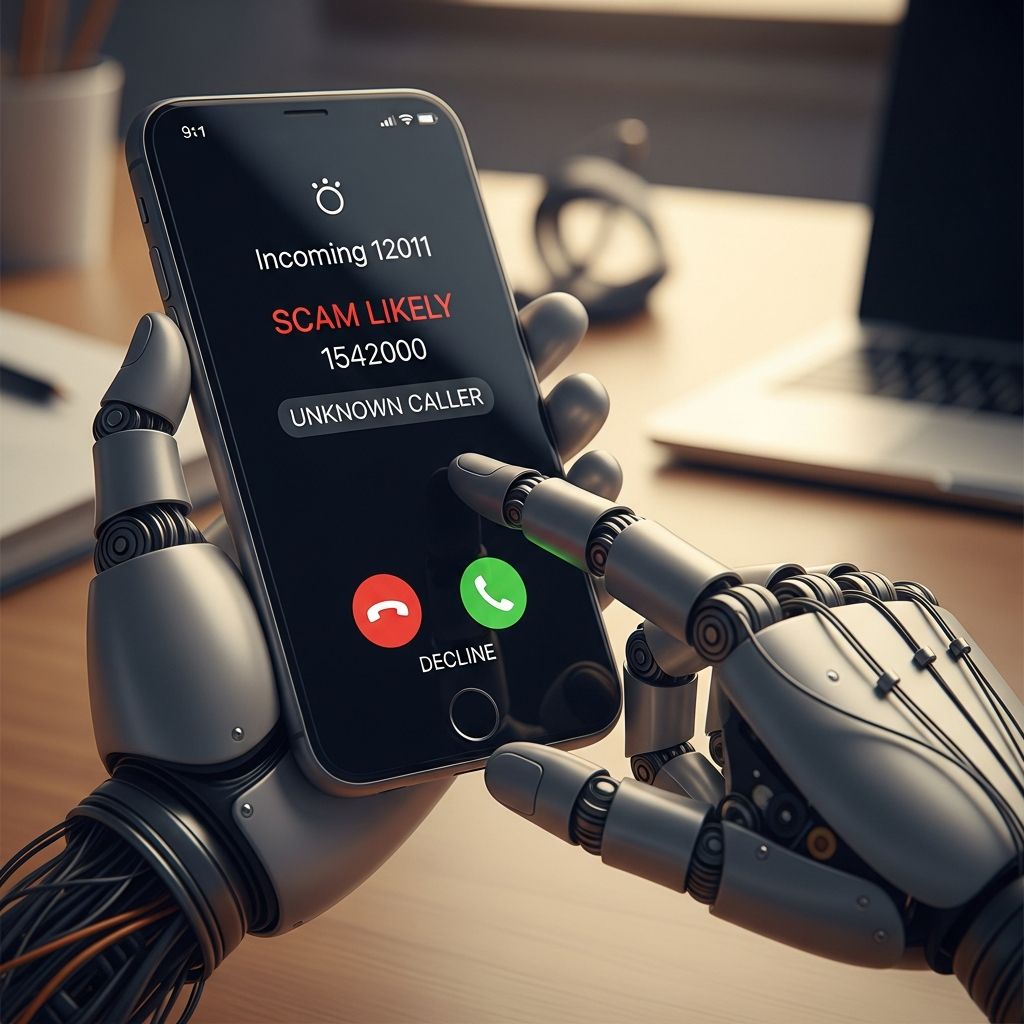
Robocalls are more than just an annoying interruption. Many of them are carefully crafted scams designed to make you react quickly, share private information, or send money before you have time to think. Government agencies and law enforcement receive millions of complaints every year about illegal robocalls and related phone scams. Understanding how these scams work is one of the strongest defenses you have.
This article walks through common robocall scam examples, explains the tactics behind them, and gives you clear steps to spot, avoid, block, and report them.
What Makes a Robocall Scam Different From a Legitimate Call?
Not every automated call is illegal or fraudulent. Some automated calls from schools, pharmacies, or political campaigns can be lawful in certain situations. The danger lies in illegal robocalls that try to steal your money or identity.
- Legitimate automated calls may include appointment reminders, school closure notices, or updates from a business you gave written permission to contact.
- Illegal robocall scams are usually unsolicited, often spoof the caller ID, and pressure you to make an immediate decision or payment.
Scammers use internet-based phone systems to send millions of prerecorded calls for almost no cost, which is why they remain so widespread.
Core Warning Signs of a Robocall Scam
Most robocall scams share a recognizable pattern. Watch for these warning signs that consumer protection agencies repeatedly highlight:
- The caller refuses to give a verifiable name, address, or callback number.
- You did not give permission or request information from the supposed company or agency.
- The message demands urgent action, such as “pay now or lose your account,” “press 1 immediately,” or “this is your final notice.”
- You are told to pay with gift cards, wire transfer, cryptocurrency, or peer-to-peer payment apps.
- The caller threatens arrest, deportation, lawsuit, or service shutoff if you refuse.
- The caller ID shows a familiar number, local area code, or trusted brand, but the message feels generic or off-script (a sign of caller ID spoofing).
Common Types of Robocall Scams You Might Hear
Scammers often reuse the same themes with minor twists. Below are examples inspired by typical scenarios reported to federal and state agencies, along with the tricks behind each one.
1. Auto Warranty and Vehicle Service Scams
One of the most frequently reported robocalls involves a supposed car warranty or vehicle service contract. These messages usually claim that:
- Your car warranty is about to expire or just expired.
- You must “renew” or “extend coverage” immediately.
- Pressing a number will connect you to a “specialist” who can help.
Once you are transferred to a live operator, they may ask for:
- Your vehicle identification number (VIN)
- Payment information for an up-front “activation” or “enrollment” fee
- Personal details that can be used for identity theft
Red flags:
- The caller does not know the make, model, or actual warranty details of your car.
- You are asked to pay immediately over the phone to avoid losing coverage.
- You receive repeated calls even if you never owned a vehicle matching their description.
2. “Suspicious Charge” or Account Problem Scams
Another popular scam impersonates major online retailers, technology companies, or payment platforms. You might hear a robotic voice claiming:
- There was a large or international purchase on your account.
- Your account is locked due to suspicious activity.
- You must press a number to speak with the “fraud department” or “security team.”
Scammers then try to:
- Collect your login credentials and security codes.
- Convince you to install remote access software on your device.
- Get you to move money to a so-called “safe account.”
How to verify: Instead of interacting with the robocall, log in using your usual app or website, or call the official customer service number listed on the company’s statement or website.
3. Utility Company and Service Provider Impersonation
Some robocalls claim to be from your electric, gas, water, or internet provider. They may promise rebates or threaten immediate disconnection.
Typical tactics include:
- Offering a “limited time rebate” or refund if you provide account details.
- Warning that your service will be shut off in minutes unless you pay a past-due bill with a prepaid card.
- Using spoofed caller ID to match the local utility’s phone number.
Safe move: Hang up, find the number on your last bill or the utility’s official website, and call directly. Real utilities usually send written notices before disconnecting service.
4. Debt Relief and Interest Rate Reduction Scams
Many people carry credit card balances or personal loans, so offers to reduce interest or settle debt sound appealing. Scammers exploit this by sending robocalls promising dramatic savings.
- They claim to work with your bank or card issuer.
- They promise to negotiate interest rates to extremely low levels.
- You must “act today” and pay a large up-front fee for “processing” or “enrollment.”
Legitimate debt relief or credit counseling programs typically provide written details, clear fee structures, and do not guarantee specific percentage reductions in advance.
5. Government and Law Enforcement Impersonation
Fraudsters frequently pretend to be from tax authorities, social security, immigration offices, or local law enforcement. These robocalls may say:
- You owe back taxes or unpaid penalties.
- Your social benefits number is suspended or under investigation.
- A warrant has been issued for your arrest.
- Your immigration status is at risk unless you pay a fine.
The message then instructs you to press a key to speak to an “officer” or risk immediate legal action.
Key facts: Real government agencies do not demand payment by gift card, wire transfer, or cryptocurrency and do not threaten same-day arrest by robocall.
How Robocall Scammers Manipulate Technology
Scammers rely on technology to reach millions of people and make their messages appear more convincing.
| Technique | What It Is | Why Scammers Use It |
|---|---|---|
| Caller ID spoofing | Changing the displayed phone number so it looks local or appears to be from a real business or agency. | People are more likely to answer calls from familiar area codes or trusted names. |
| VoIP bulk calling | Using internet-based phone systems to place huge volumes of calls at very low cost. | Scammers can profit even if only a small percentage of victims respond. |
| Interactive voice response (IVR) | Pre-recorded menus that prompt you to press numbers or speak responses. | Helps filter out uninterested recipients and route you to human operators ready to pressure you. |
| Voice capture | Prompting you to say “yes” or confirm personal details, then recording your voice for later misuse. | Potentially used to authorize fraudulent accounts or bypass voice verification systems. |
Practical Steps to Protect Yourself From Robocall Scams
Even if you cannot stop every robocall from reaching you, you can dramatically reduce your risk of becoming a victim.
1. Decide How to Respond When the Phone Rings
- If you do not recognize the number, let the call go to voicemail.
- If you answer and hear a recorded message that asks you to press a number or say something, simply hang up.
- Do not engage with menu options such as “Press 2 to be removed from our list” — this can confirm your number is active.
2. Never Share Sensitive Information During an Unsolicited Call
- Do not provide your Social Security number, bank details, account passwords, or multi-factor authentication codes.
- Do not read verification codes or one-time passwords to a caller who contacted you; instead, hang up and contact the company directly using a known phone number.
3. Use Call-Blocking Tools and Device Settings
Mobile carriers and phone manufacturers offer call-blocking tools that screen likely spam calls or silence unknown callers.
- Enable built-in spam and scam call protection on your smartphone.
- Ask your phone provider what robocall filtering tools they offer and how to turn them on.
- Consider reputable third-party call-blocking apps; research them carefully and review their privacy policies.
4. Register and Use Do Not Call Protections
National or state “Do Not Call” registries can help reduce legal telemarketing calls, though they will not stop criminals from breaking the law.
- Add your number to your country’s official do-not-call list, if available.
- Use this registration as a benchmark: if you still receive sales calls after 31 days, they are more likely to be unlawful or from companies ignoring the rules.
5. Report Scam Calls to Authorities
Reporting scam calls gives regulators information they can use to trace illegal operations, block repeat offenders, and bring enforcement actions.
- Record as much detail as you safely can: date, time, displayed number, and what the caller claimed.
- File a complaint with national consumer protection agencies or your state attorney general’s office.
- Include whether money was lost and how you were asked to pay (gift card, wire transfer, cryptocurrency, payment app).
How to Recover if You Responded to a Robocall Scam
If you realize you have shared information or sent money to a scammer, take action quickly. The sooner you respond, the better your chances of limiting damage.
- Contact your bank or card issuer immediately to dispute unauthorized charges or block future transactions.
- Report the fraud to national consumer protection agencies and, if appropriate, to local law enforcement.
- Monitor credit reports and consider fraud alerts or credit freezes if sensitive personal data was exposed.
- Change passwords and enable multi-factor authentication on affected accounts.
Quick Comparison: Legitimate Call vs. Typical Robocall Scam
| Feature | More Likely Legitimate | More Likely Scam |
|---|---|---|
| How they contact you | Uses contact methods you agreed to, often after you became a customer. | Unsolicited, out of the blue, sometimes repeatedly. |
| Payment options | Accepts standard, traceable forms of payment; no pressure to pay on the spot. | Demands gift cards, wire transfers, cryptocurrency, or payment apps. |
| Sense of urgency | Allows you time to review written information and call back. | Insists you decide immediately or face severe consequences. |
| Verification | Encourages you to verify through published numbers or official websites. | Discourages you from hanging up or checking independently. |
Frequently Asked Questions About Robocall Scams
Q1: Are all robocalls illegal?
No. Some automated calls are allowed, such as political messages, certain charitable appeals, or informational calls like school closings, depending on local laws and whether you gave prior consent. Robocalls become illegal when they ignore consent requirements, use deceptive practices, or are part of schemes to defraud you.
Q2: Why am I getting so many robocall scams even after joining a Do Not Call list?
Do Not Call registries mainly restrict legitimate telemarketers, not criminals. Scammers who operate outside the law do not respect these lists. However, registering still helps regulators identify illegal callers and may reduce the volume of lawful sales calls you receive.
Q3: Should I press a number to speak to a representative or be removed from the list?
No. Pressing a key or speaking to a “representative” can confirm that your number is active and may lead to more calls. The safest route is to hang up, block the number if possible, and report the call.
Q4: What if the caller ID shows my bank, my utility, or a local number?
Caller ID can be spoofed, meaning the number and name shown may be fake. Never rely solely on caller ID to judge whether a call is genuine. If the message sounds suspicious, hang up and call the organization using a phone number from your statement, card, or official website.
Q5: Can I be scammed just by answering the phone?
Simply answering usually does not cause direct financial harm, but it can signal to scammers that your number is active. The real danger comes from following instructions, sharing information, or making payments during the call. If you answer and realize it is a robocall scam, hang up without interacting with the prompts.
References
- Complain about phone and text scams, robocalls, and telemarketers — USA.gov. 2024-01-19. https://www.usa.gov/telemarketer-scam-call-complaints
- Robocall and Telemarketing Fraud — Michigan Department of Attorney General. 2023-05-10. https://www.michigan.gov/consumerprotection/protect-yourself/consumer-alerts/id-theft-telemarketing/telemarketing-fraud
- Robocall Scam Examples — Federal Trade Commission (Consumer Advice). 2023-11-06. https://consumer.ftc.gov/features/robocall-scam-examples
- Robocall and Telemarketing Scams — Washington State Office of the Attorney General. 2022-09-15. https://www.atg.wa.gov/robocall-and-telemarketing-scams
- Telemarketing Scams — Do Not Call Registry — North Carolina Department of Justice. 2022-07-01. https://ncdoj.gov/protecting-consumers/telephones-telemarketing/telemarketing-do-not-call/
- Robocalls: How to Stop — Malwarebytes Labs. 2024-03-05. https://www.malwarebytes.com/cybersecurity/basics/robocalls-how-to-stop
Similar Articles








Read full bio of Sneha Tete


