
Protecting Your Band Name: Complete Trademark Guide
Secure your band's identity with expert steps to trademark your name, logo, and brand for lasting protection in the music world.
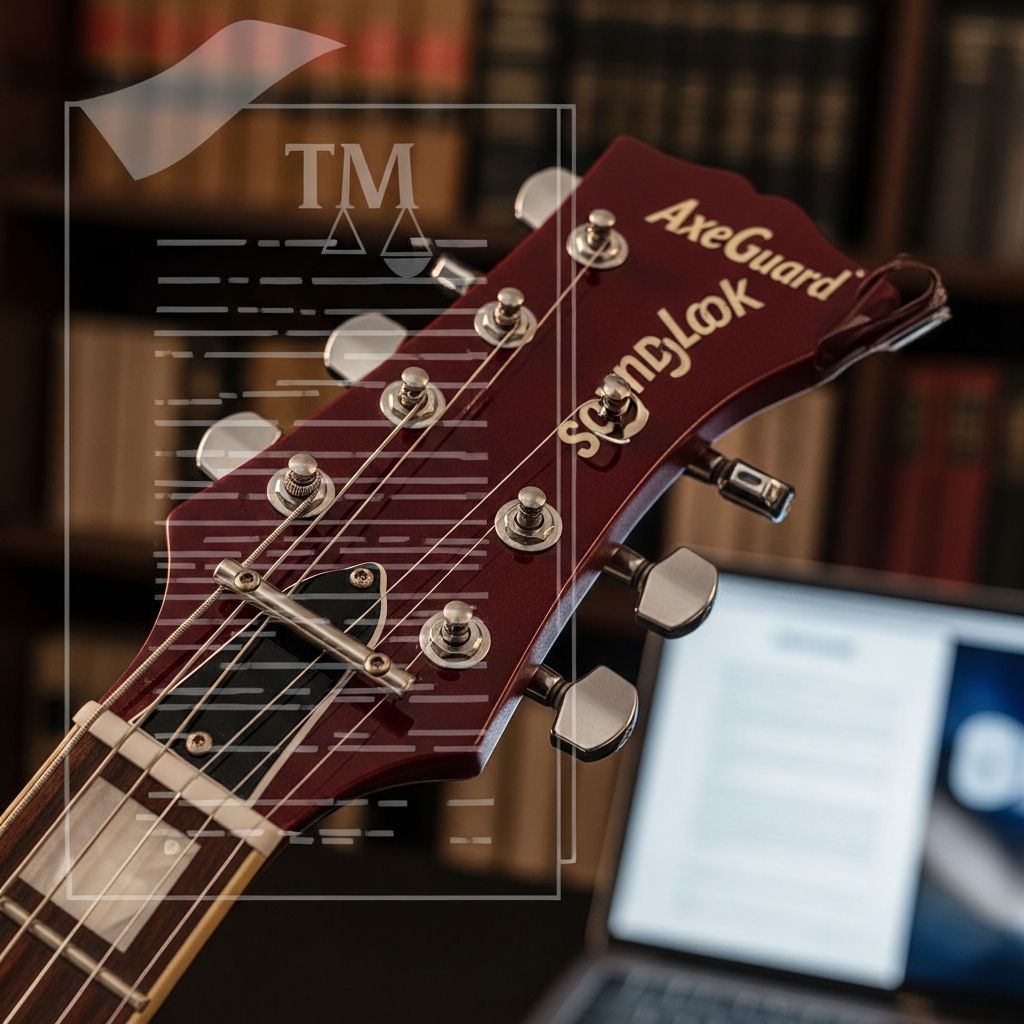
Your band’s name is the cornerstone of your identity in the competitive music industry. Trademarking it provides legal exclusivity, preventing others from using similar names that could confuse fans or dilute your brand. This guide outlines a clear path to federal protection through the United States Patent and Trademark Office (USPTO), drawing on official procedures to help musicians safeguard their creative assets.
Why Bands Need Trademark Protection
Trademark registration grants nationwide rights to use your band name in connection with music services, merchandise, and performances. Without it, another act could claim your name, forcing costly rebranding or lawsuits. For instance, partnerships must specify business details in applications to ensure proper ownership. Registered marks also allow use of the ® symbol, deterring infringement and strengthening enforcement.
Key benefits include:
- Exclusive rights in relevant classes like live events (Class 41) and recordings (Class 9).
- Presumption of validity in court disputes.
- Ability to block similar registrations by others.
- Enhanced licensing and merchandising opportunities.
Statistics from the USPTO show entertainment trademarks growing steadily, underscoring the need for proactive protection.
Selecting a Distinctive Band Name
Start with a name that’s unique, memorable, and reflective of your sound. Avoid generic terms like ‘Rock Band’ or descriptive phrases that merely state your genre, as these are hard to protect. Opt for fanciful, arbitrary, or suggestive names for stronger eligibility—think inventive words or unexpected combinations that fans associate solely with your group.
Consider these tips:
- Test availability across social media, streaming platforms, and domain names.
- Ensure it works globally if you tour internationally.
- Pair it with a stylized logo for dual protection (standard characters vs. design marks).
A strong name not only builds fan loyalty but also passes USPTO scrutiny for registrability.
Conducting Thorough Trademark Clearance
Before investing time and fees, perform comprehensive searches to avoid conflicts. Begin with free tools: Google for common usage, then dive into official databases.
| Search Type | Resources | Purpose |
|---|---|---|
| Basic Web | Google, social media | Spot existing bands or similar uses |
| Federal | USPTO TESS database | Check registered/pending marks |
| State | State registries | Local common law rights |
| International | EUIPO, WIPO (if expanding) | Global conflicts |
A ‘confusingly similar’ name in the same class—like entertainment services—can lead to rejection. Professional searches by attorneys uncover hidden risks, such as unregistered ‘common law’ uses from long-term band activity.
Understanding Trademark Classes for Musicians
Trademarks protect in specific ‘classes’ of goods/services. Bands typically file in:
- Class 9: Musical recordings, downloads, albums.
- Class 41: Live performances, entertainment services.
- Class 25: Merch like t-shirts, hats (if selling apparel).
- Class 16: Posters, sheet music.
Selecting the right classes ensures coverage where you operate. Misclassification delays approval or voids protection. Use the USPTO’s ID Manual for precise descriptions.
Preparing Your USPTO Application
Gather these essentials:
- Mark Format: Standard characters (text-only) or stylized/stylized with design.
- Owner Details: Individual, LLC, or partnership name with citizenship/state of formation.
- Specimens: Proof of use, like website screenshots, album covers, or tickets showing the mark in commerce.
- Filing Basis: ‘Use in commerce’ (already using) or ‘Intent to use’ (planning to).
Fees start at $250–$350 per class via TEAS system. Applications must be filed online through Trademark Center.
Navigating the USPTO Examination
After filing, an examining attorney reviews for issues like descriptiveness or conflicts—typically 3–6 months. Respond to Office Actions within six months, addressing refusals with arguments or amendments. If approved, it publishes for opposition (30 days). No oppositions? Registration issues in 2–4 more months. Total timeline: 12–18 months.
Common pitfalls:
- Inadequate specimens (must show actual use, not mockups).
- Failure to clarify entity type for bands/partnerships.
- Ignoring substantive refusals.
Post-Registration Maintenance
Registrations last 10 years, renewable indefinitely with maintenance filings:
- Declaration of use between years 5–6.
- Renewal/declaration at year 10.
Monitor for infringements using watch services. Enforce via cease-and-desist letters or litigation. The ® symbol signals federal rights, boosting deterrence.
Role of Legal Experts in Band Trademarks
While DIY is possible, attorneys boost success rates by 50%+ through expert searches, applications, and responses. They handle entity setups (e.g., LLC for bands) and international filings. Costs: $500–$2,000 plus fees, versus potential rebrand expenses of $10,000+.
For partnerships without a business name, list general partners explicitly.
International Considerations for Touring Bands
U.S. registration protects domestically; for global tours, file via Madrid Protocol through USPTO or directly abroad (e.g., EUIPO). Prioritize key markets like UK (GOV.UK), Canada (CIPO).
Common Myths About Music Trademarks
- Myth: Copyright protects names. Fact: Copyright covers songs, not names/brands.
- Myth: First use = full protection. Fact: Registration provides superior nationwide rights.
- Myth: Logos only need copyright. Fact: Trademarks best for commercial branding.
Frequently Asked Questions
How long does it take to trademark a band name?
Expect 12–18 months from filing to registration, including examination and publication.
Can I trademark as an individual or must it be a business?
Yes, individuals, LLCs, or partnerships qualify; specify details accurately.
What if my band name is already in use unregistered?
Conduct clearance; common law rights exist but are geographically limited—registration expands protection.
Do I need specimens if filing ‘intent to use’?
No initially, but submit later to complete registration.
How much does USPTO filing cost?
$250–$350 per class for TEAS Standard/Plus.
Building a Lasting Music Brand
Trademarking is step one in brand strategy. Integrate it with domain secures, social handles, and merch lines. Protected bands like those in USPTO records thrive by owning their identity fully. Start today: search, file, and rock on securely.
References
- Rockin’ your trademark — USPTO. 2023. https://www.uspto.gov/trademarks/laws/rockin-trademark
- Trademarks — USPTO. Accessed 2026. https://www.uspto.gov/trademarks
- Apply online – USPTO — USPTO. Accessed 2026. https://www.uspto.gov/trademarks/apply
- How to Trademark a Band Name (Protect Your Music Brand in 2025) — YouTube (California Business Attorney). 2025. https://www.youtube.com/watch?v=Rb9gUOwRwcI
- How To Trademark A Band Name: An EASY Guide — Mekip Law. Accessed 2026. https://www.mekiplaw.com/how-to-trademark-a-band-name/
- How To Trademark A Name And Logo For My Music Band — Trademark Factory. Accessed 2026. https://trademarkfactory.com/blog/how-to-trademark-a-name-and-logo-for-my-music-band/
Similar Articles








Read full bio of medha deb


