
Protect Yourself from Phone Scams: A Practical Guide
Learn how to recognize, avoid, and report phone scams so you can protect your money, identity, and peace of mind.
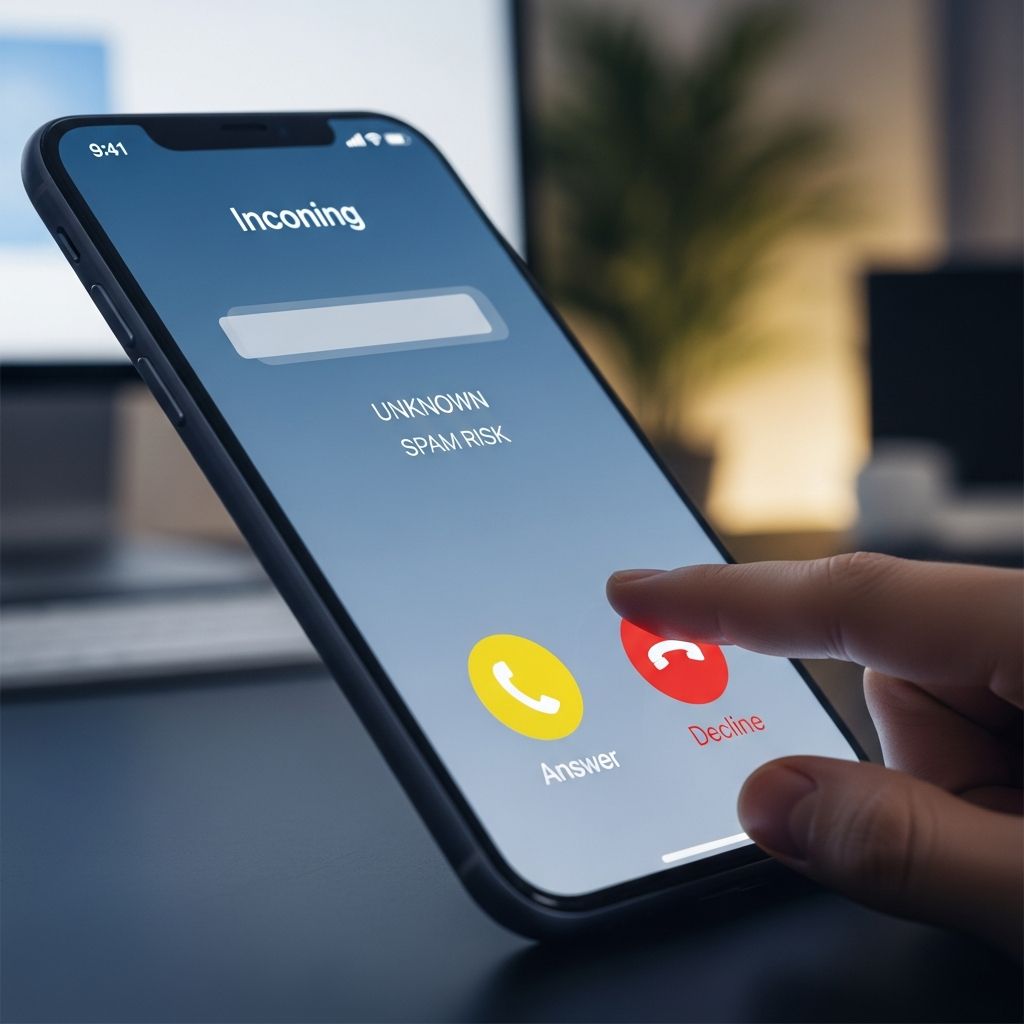
Phone scams are one of the most common ways criminals try to steal money and personal information. Scammers use robocalls, fake caller ID, urgent threats, and deceptive promises to pressure people into acting fast and thinking later. This guide explains how these schemes work, what warning signs to watch for, and how to use tools and reporting systems to stay safer from fraudulent calls.
Why Phone Scams Are So Common
For criminals, the phone is cheap, fast, and anonymous. With modern technology, a single scammer can place thousands of automated calls per hour, often using spoofed numbers to look local or to imitate a real business or government agency.
- Automated dialing systems make it easy to target large numbers of people.
- Caller ID spoofing lets scammers display fake names and numbers.
- Stolen data from breaches helps them sound convincing when they call.
- They focus on emotion and urgency, not logic, to rush you into decisions.
Because phone scams constantly change, learning the basic patterns and warning signs is more important than memorizing specific scripts.
Typical Phone Scam Tactics
Most phone scams follow a predictable structure, even if the stories differ. Understanding these patterns helps you spot trouble early.
| Stage | What Scammers Do | What You May Hear |
|---|---|---|
| Hook | Grab attention with fear or excitement | “You owe back taxes” or “You’ve won a big prize” |
| Trust-building | Pretend to be from a known organization or a loved one | “This is your bank” or “Grandma, it’s me” |
| Pressure | Create urgency and discourage you from hanging up or verifying | “You must act now or face arrest” |
| Payment / Data Harvest | Push you to pay or share personal details | “Read me the code on the back of the gift card” |
Common Types of Phone Scams
Scams evolve quickly, but many fall into a few recognizable categories.
- Government impersonation calls
The caller pretends to be from the tax agency, Social Security, immigration, or law enforcement. They may threaten arrest, deportation, or large fines unless you pay immediately or give personal data.
- Bank and credit card scams
Scammers claim there is suspicious activity on your account and ask you to “verify” your card number, PIN, or online banking credentials. Legitimate financial institutions typically do not ask for full credentials over an unsolicited call.
- Prize, lottery, or sweepstakes scams
You are told you won money, a vacation, or another major prize—but you must pay taxes, fees, or customs charges in advance. Real prizes do not require upfront payment to receive them.
- Tech support hoaxes
Callers claim to be from a major tech company and say your computer or phone is infected. They try to convince you to give remote access, install software, or pay for fake repairs.
- Imposter or “grandparent” scams
Someone pretends to be a relative or friend in urgent trouble, often asking for money right away and insisting you not tell other family members. Increasingly, scammers may also use AI-generated voice clips to sound like someone you know.
- Debt relief and investment schemes
The caller offers to erase debts, lower interest rates, or sell you a “guaranteed” investment. These often target people in financial distress and may be illegal or purely fraudulent.
Red Flags That Strongly Suggest a Phone Scam
Instead of focusing on specific stories, watch for behaviors that scammers almost always use. If you notice several of these warning signs in one call, treat it as high risk.
- Unsolicited contact: You did not expect the call, text, or voicemail, especially about money, prizes, legal issues, or account problems.
- Pressure to act immediately: The caller claims you must decide or pay right now to avoid arrest, a lawsuit, losing your account, or missing out on a special deal.
- Demands for unusual payment methods: You are asked to pay with gift cards, cryptocurrency, wire transfers, or a payment app in a way that cannot be easily reversed.
- Requests for sensitive personal data: The caller wants your Social Security number, full bank or card number, passwords, or one-time security codes.
- Refusal to let you call back using official contact details: They push you to stay on the line and not verify using numbers found on a statement or official website.
- Threatening or overly emotional language: They use fear (arrest, deportation, lawsuits) or sympathy (a loved one in an accident) to short-circuit your judgment.
- Too-good-to-be-true offers: Guaranteed returns, free money, or prizes you never entered to win.
Smart Ways to Handle Suspicious Calls
You do not need to figure out whether every call is definitely a scam. You only need safe habits that protect you even when you are unsure.
Safe Call-Handling Habits
- Let unknown numbers go to voicemail: If it matters, the caller can leave a message. This gives you time to evaluate calmly.
- Hang up on robocalls: If you answer and hear a recorded message, hang up. Do not press numbers to speak to a person or to be “removed from the list,” as that can lead to more calls.
- Never share sensitive information on an unsolicited call: This includes Social Security numbers, full account numbers, PINs, passwords, and verification codes.
- Verify independently: If you are concerned the call might be real, hang up and dial the organization using a number from its official website, your statement, or the back of your card.
- Be cautious with text messages too: Do not click links in messages from unknown or suspicious numbers, even if they claim to be from a delivery company or bank.
Using Call Blocking and Labeling Tools
Technology cannot stop every scammer, but it can significantly reduce the number of unwanted calls you receive. Many carriers and apps now offer blocking and labeling services to help you screen calls.
Call Blocking and Labeling Options
- Carrier-based tools
Most mobile and internet phone providers now include free or low-cost services that automatically block or label likely spam and scam calls. Check your provider’s website or customer portal for details.
- Phone settings
Many smartphones allow you to silence or block calls from unknown numbers, as well as block specific numbers that have called you before.
- Third-party apps
Reputable call-blocking apps use large databases of reported spam numbers to warn you before you pick up. Look for well-reviewed apps from trusted developers and review the privacy policies carefully.
- Manual blocking
After receiving a suspicious call, you can usually add the number to a block list on your phone or through your carrier’s interface. While scammers often change numbers, blocking still helps reduce repeat calls from the same source.
Protecting Your Identity and Accounts
Even if you never fall for a scam, practicing strong account security makes it harder for criminals to misuse any information they already have.
- Use strong, unique passwords for banking, email, and other sensitive accounts. Avoid reusing the same password on multiple sites.
- Enable multifactor authentication (MFA) whenever available so that a password alone is not enough to access your accounts.
- Set up PINs or passphrases for phone and bank customer service to prevent imposters from changing your account details by calling in.
- Review statements and credit reports regularly to spot unauthorized charges or accounts early.
- Limit how widely you share your phone number online to reduce the volume of marketing and scam calls you receive.
What To Do If You Answer a Scam Call
If you realize mid-call that something is wrong, you can still limit the damage.
- Hang up immediately. You do not owe the caller an explanation, and arguing with a scammer rarely helps.
- Do not call back the same number. Use official contact details if you want to check whether there really is an issue with an account.
- Block the number on your phone and, if your carrier allows it, in your account settings.
- Write down details you remember: the number shown on caller ID, any names used, and what they asked you to do. This can help when reporting.
If You Already Shared Information or Sent Money
Act quickly if you suspect you gave information or made a payment to a scammer.
- Contact your bank or card issuer immediately to report unauthorized transactions and ask about stopping or reversing payments where possible.
- Change passwords on any affected accounts and enable multifactor authentication if you have not already.
- Watch for identity theft by monitoring account activity, checking credit reports, and responding promptly to notices about new accounts or debt collection you do not recognize.
How and Where to Report Phone Scams
Reporting scams helps enforcement agencies see patterns, shut down operations, and warn others. It also gives you a record of what happened.
- Report to consumer protection authorities: In many countries, national consumer or competition agencies collect reports about fraud and unwanted calls.
- Notify communications regulators: Telecommunications regulators often run complaint tools for robocalls, spam texts, and illegal telemarketing.
- Inform your bank or service provider: If a scam involves a financial institution, utility, or online platform, use its official fraud reporting channels.
- Tell your employer’s IT or security team if the call targeted your work email, internal systems, or business processes.
When you report, include as much information as you safely can: dates and times, phone numbers, what the caller claimed, and any payment instructions you were given.
Helping Family and Friends Stay Safe
Scammers often target people who may be more trusting, isolated, or unfamiliar with digital tools, such as older adults or new users of online banking. Open conversations can make a big difference.
- Explain common scam stories in simple, non-technical language.
- Practice responses, such as “I don’t share information on incoming calls” and “I will call back using the number on my card.”
- Set up a family “safe word” or phrase that must be used before sending money to someone claiming to be a relative in trouble.
- Encourage questions: Make it easy for loved ones to contact you before responding to unexpected calls about money or emergencies.
Frequently Asked Questions (FAQs)
Q: Is every robocall a scam?
Not every recorded call is fraudulent; some may be from schools, pharmacies, or emergency services. However, unsolicited sales or financial robocalls are often illegal or deceptive. The safest approach is to hang up on unwanted recorded calls and contact the organization directly if you think it might be legitimate.
Q: Can I trust caller ID information?
Caller ID can be useful, but it is not proof of identity. Scammers routinely spoof numbers to appear local or to imitate banks, government agencies, or known businesses. Treat caller ID as a hint, not as verification.
Q: Does joining a “do not call” list stop scam calls?
Legitimate telemarketers may be required to respect national do-not-call registries, which can reduce lawful sales calls. However, scammers who already operate illegally usually ignore these lists, so you may still receive fraudulent calls. Call blocking and safe call-handling habits are still essential.
Q: What if the caller already knows some of my personal details?
Scammers often use information from data breaches, social media, or public records to sound convincing. Just because they know your address or partial account number does not mean the call is real. Always verify using official contact details before taking any action.
Q: Is it safer to text back instead of speaking on the phone?
Texting is not automatically safer. Many scams also arrive by SMS, often with links to fake websites or malware. Do not respond to or click links in suspicious texts. If you are unsure, contact the organization using a verified number or website.
References
- Phone Scams — Federal Trade Commission. 2024-03-27. https://consumer.ftc.gov/articles/phone-scams
- How to Spot and Avoid Phone Scams — National Cybersecurity Alliance. 2023-10-05. https://www.staysafeonline.org/articles/how-to-spot-and-avoid-phone-scams
- Avoiding Scams and Scammers — Federal Deposit Insurance Corporation (FDIC). 2021-10-01. https://www.fdic.gov/consumer-resource-center/2021-10/avoiding-scams-and-scammers
- The Anatomy of a Phone Scam — Pindrop. 2022-09-15. https://www.pindrop.com/article/how-phone-scams-work/
- Phone Scam Warning Signs and How to Protect Yourself — Oklahoma Attorneys Mutual Insurance Company. 2020-01-10. https://www.oamic.com/resources/phone-scam-warning-signs-and-how-to-protect-yourself
- Avoid Scam Calls — Outsource Accelerator. 2025-01-02. https://www.outsourceaccelerator.com/articles/avoid-scam-calls/
Similar Articles








Read full bio of Sneha Tete


