
When Your Photo Goes Online Without Consent
Understand your rights, privacy protections, and practical legal options when someone posts your photo online without asking first.
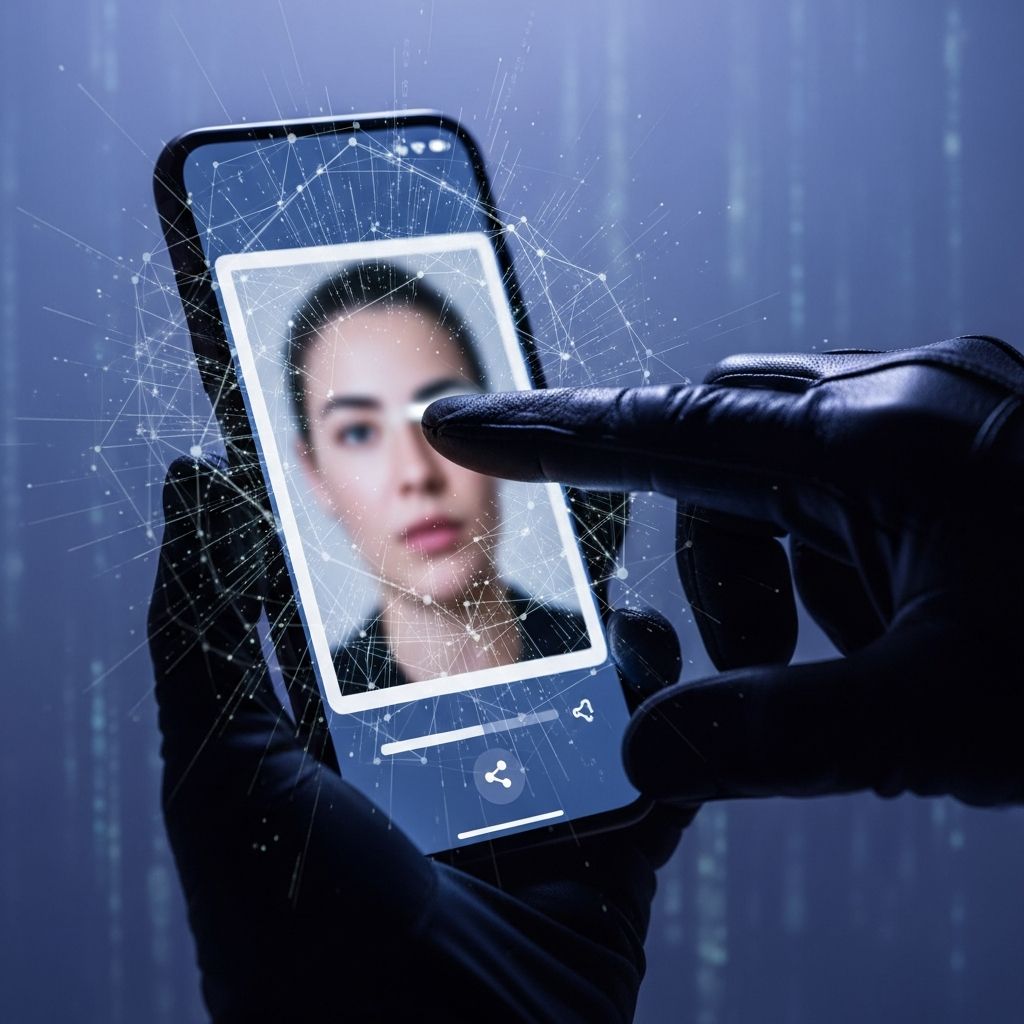
Having your photo appear online without your consent can feel like a serious invasion of privacy. Depending on how and where the image is used, the law may give you powerful tools to get the content removed, stop further sharing, and in some cases seek financial compensation for the harm you suffered.
This guide explains in plain language the main legal concepts involved when your image is used without permission, how to evaluate your situation, and practical steps you can take right away. It is for general information only and not a substitute for legal advice about your specific facts.
Key Legal Concepts Involved in Unauthorized Online Photos
Several different areas of law can apply when someone posts or uses your image online without asking. Understanding these concepts helps you and any lawyer you consult decide what claims you may have.
1. Copyright in the Photograph
Copyright law generally protects the photo itself, not the person who appears in the photo. In most situations, the photographer automatically owns the copyright to the image from the moment the picture is taken, even if it is never registered.
- Copyright owner: Usually the person who took the photo, unless rights were transferred by contract or employment.
- Exclusive rights: The copyright owner controls copying, distribution, and display of the photograph.
- Infringement: Re-using a copyrighted photo online (for example, copying from social media and placing it on a website) without permission can amount to copyright infringement.
Copyright issues typically arise when someone else’s photograph of you is reused without permission, not when you are simply the subject in a picture. However, if you took the photo (for example a selfie), you are both the subject and the copyright owner and may be able to pursue an infringement claim if the image is copied or reposted without your consent.
2. Privacy and “Invasion of Privacy” Claims
U.S. states recognize various privacy-related claims, often grouped under the heading of invasion of privacy. These can apply where a photo reveals private information, places you in a false light, or is used in a way that would be highly offensive to a reasonable person.
Common types of privacy-related claims include:
- Publication of private facts: Sharing an image that reveals intimate, medical, or otherwise private details that were not of legitimate public concern.
- Intrusion into seclusion: Secretly taking photos of you where you reasonably expect privacy (such as your home or a private dressing area) and then posting them.
- False light: Presenting your image along with text or context that creates a misleading and damaging impression about you.
Taking a photo of someone in a truly public place is usually not an invasion of privacy by itself. However, combining that photo with false or offensive commentary, or publishing images taken in a private location without consent, may cross the line into unlawful conduct.
3. Right of Publicity and Commercial Exploitation
The right of publicity is a state law concept that protects a person’s name, image, voice, or likeness from being used commercially without permission. Many states recognize this right by statute or under court-made law.
Typical right of publicity problems include:
- A company using your photo in an advertisement or on its website to promote its products or services without consent.
- A business suggesting you endorse its brand by featuring your image next to marketing slogans.
- Creating fake social media accounts or profiles using your photo and name to sell or promote something.
To bring a right of publicity claim, you usually must be recognizable in the photo and the use must be tied to commercial promotion, not purely personal posting.
4. Nonconsensual Intimate Images and “Revenge Porn”
When the photo is sexual or highly intimate in nature, special legal protections may apply. Every U.S. state has criminal laws addressing the nonconsensual sharing of intimate images, often known as “revenge porn” statutes.
At the federal level, Congress has created civil and criminal tools for victims of certain nonconsensual intimate image sharing:
- Federal civil claim: Under 15 U.S.C. § 6851, victims can sue in federal court when intimate images are shared without consent in certain circumstances.
- Federal criminal penalties: Recent federal legislation, such as the Take It Down Act, creates criminal penalties and requires covered platforms to offer removal mechanisms for nonconsensual intimate images and some AI-generated deepfakes.
These laws can allow courts to order removal of images, award monetary damages, and protect victims’ confidentiality in legal proceedings.
Public vs. Private Settings: Does Location Matter?
Whether a photo was taken in a public or private place matters for some, but not all, legal theories.
| Issue | Public Place (street, park, event) | Private Place (home, restroom, changing room) |
|---|---|---|
| Expectation of privacy | Lower. You generally have less expectation of privacy in public spaces. | Higher. Secret or nonconsensual images are more likely to violate privacy rights. |
| Invasion of privacy claim | Harder to prove unless the context is highly offensive or misleading. | More likely viable if images were taken without consent and reveal private activities or intimate areas. |
| Right of publicity | Can apply if your identifiable image is used commercially, regardless of where the photo was taken. | Also applies; commercial use is the key, not location. |
| Copyright ownership | Location does not decide ownership; the photographer generally owns the copyright. | Same rule; location is mostly relevant to privacy, not copyright. |
Evaluating How Your Photo Is Being Used
To understand what legal options you may have, start by analyzing exactly how your image is being used online. Consider these questions:
- Is the image intimate, sexual, or extremely personal? If yes, nonconsensual intimate image laws and federal protections may apply.
- Is the use commercial? Look for signs that your image is helping to sell a product, promote a service, or enhance a brand. That points toward right of publicity or unfair competition claims.
- Is the photo misleading or defamatory? If the photo is paired with false statements or implications that damage your reputation, you may have defamation or “false light” claims.
- Who took the original photo? If you took it, or if it was taken by someone who gave you rights, you may have copyright-based leverage in addition to privacy claims.
- Where was the photo taken? Images taken in private spaces or through hidden cameras are more likely to support privacy-based legal action.
Immediate Practical Steps You Can Take
Regardless of which legal theory fits your situation, there are practical steps almost everyone can consider once they discover an unwanted image online.
1. Gather Evidence Before Anything Changes
Content can disappear quickly once a person or platform realizes there may be legal risk. Preserve proof that the image was posted and how it appeared:
- Take screenshots showing the image, surrounding text, date, URL, username, and any comments or hashtags.
- Use tools or your browser to save HTML or an offline copy of the page if possible.
- Note whether the post has been shared, liked, or reposted and capture evidence of that activity.
This documentation can be critical evidence for a lawyer, law enforcement, or a court later.
2. Use Platform Reporting and Takedown Tools
Most major social media platforms and hosting services offer ways to report content that violates their terms of use, community standards, or intellectual property rules. Many also have special procedures for nonconsensual intimate imagery.
- Locate the platform’s report abuse or privacy violation form.
- If the image is sexual or highly intimate, look for a specific nonconsensual image or “revenge porn” reporting option.
- If you own the copyright, consider using a DMCA takedown notice or the platform’s copyright reporting tools, which often require you to affirm you are the rights holder.
Federal law now also requires certain platforms to implement streamlined request-and-removal processes for nonconsensual intimate images and related harmful content, including some deepfakes.
3. Consider Direct Contact With the Poster
In some situations, a calm, direct request to remove the image can be effective, especially if the person did not realize the impact or legal risks. Keep your message:
- Clear about what specific image and post you are referring to.
- Firm but professional, avoiding threats you are not prepared to carry out.
- Documented, so keep copies of messages or emails in case you need them later.
If the image is highly sensitive or the poster is hostile, it may be safer to work through a lawyer or law enforcement rather than contacting the person yourself.
4. Involving Law Enforcement
Contacting the police may be appropriate when:
- The images are intimate or sexual and were shared without consent.
- You are being threatened, stalked, or extorted in connection with the photos.
- The photos involve minors in any way.
Many jurisdictions have specialized units or trained officers who deal with cyber harassment and nonconsensual intimate imagery. Federal law also recognizes civil and criminal remedies for certain kinds of nonconsensual intimate image sharing.
Possible Legal Remedies and Outcomes
If informal efforts and platform reporting do not solve the problem, you may need to explore formal legal options. A lawyer experienced in privacy, media, or intellectual property law can help evaluate the best strategy in your jurisdiction.
1. Cease and Desist Letters
Lawyers often start by sending a cease and desist letter to the person or business using your photo, and sometimes to the website or platform hosting the content.
- Demands immediate removal of the image.
- Explains which laws may have been violated (for example, privacy rights, right of publicity, copyright).
- Warns that you may pursue legal action if the content stays up or is reposted.
These letters often resolve the situation without a lawsuit, particularly for businesses that do not want the risk of litigation or negative publicity.
2. Civil Lawsuits for Damages or Injunctions
When the harm is serious or the image is widely distributed, a civil lawsuit may be appropriate. Depending on the facts and your state’s laws, claims might include:
- Invasion of privacy and related tort claims.
- Right of publicity violations for commercial use of your image.
- Copyright infringement if you or your assignee own the copyright.
- Defamation or false light if the image and context damage your reputation.
Courts can sometimes order both money damages and injunctive relief (orders to remove the content or stop further use). For nonconsensual intimate imagery, federal law now allows courts to award up to $150,000 in certain circumstances, as well as attorney’s fees and other relief.
3. Platform-Level and Regulatory Developments
Law and policy in this area continue to evolve. Recent federal measures require covered online platforms to create removal systems for certain harmful content involving nonconsensual intimate images and deepfakes. Additionally:
- Some states have biometric privacy laws that limit use of facial recognition and similar technologies on photos without consent.
- New statutes and court decisions continue to refine the boundaries of privacy, free speech, and platform responsibility.
Protecting Yourself Going Forward
While no steps can provide perfect protection, you can reduce the risk of future problems and strengthen your legal position if issues arise.
- Review privacy settings on social media so your posts are not unnecessarily public.
- Watermark or label your own photos with your name or copyright notice when appropriate, which can help show ownership.
- Avoid sharing highly intimate images digitally where possible, or use secure channels with strong password protection and two-factor authentication.
- Monitor for impersonation accounts or unauthorized use of your images, and report them promptly.
Frequently Asked Questions (FAQs)
Does the photographer always own the photo, even if it’s me in the picture?
In most cases, yes. Copyright law gives ownership to the person who took the photo, not the person who appears in it, unless there is a contract or special employment rule that says otherwise. However, if you are the photographer (for example, you took a selfie), you own the copyright.
Can a business use my social media photo in an ad without asking?
Generally no. Using your image to promote a product, service, or brand without your consent can violate your right of publicity and, in some cases, your privacy or copyright rights. Even if your photo is publicly visible, businesses usually still need permission to use it commercially.
What if someone posts a normal, non-intimate photo of me in a public place?
If the photo was taken in a public setting and used only for non-commercial, personal purposes, it may be harder to bring a legal claim. However, you may have options if the post is threatening, harassing, misleading, or used to promote commercial activity without your permission.
Can I force a website to delete every copy of my photo?
Courts can sometimes order specific websites or individuals to remove images and stop reposting them. However, once a photo has been widely shared, completely eliminating every copy from the internet can be difficult. Acting quickly to request removal from major platforms often limits long-term harm.
Do I need a lawyer to get a photo taken down?
Not always. You can often use platform reporting tools or send a direct request yourself. But if the photo is intimate, commercial, or highly damaging, or if the poster refuses to cooperate, consulting with a lawyer who handles privacy, media, or intellectual property cases is wise.
References
- Unauthorized Use or Release of Photos — Nolo. 2025-06-01. https://www.nolo.com/legal-encyclopedia/question-unauthorized-use-of-photo-28285.html
- Unauthorized Photos & Photo Lawsuits — The Lyon Firm. 2024-03-15. https://thelyonfirm.com/data-privacy-cyber-security-lawyer/unauthorized-photos/
- Sharing of Intimate Images Without Consent: Know Your Rights — U.S. Department of Justice. 2023-10-20. https://www.justice.gov/atj/sharing-intimate-images-without-consent-know-your-rights
- Someone Is Using My Photo, Name, or Likeness Without Permission — Landry Firm, PLLC. 2023-07-10. https://landrypllc.com/someone-is-using-my-photo-name-or-likeness-without-permission-what-can-i-do/
- Using Online Images Without Violating Copyright — Dunner Law. 2022-09-01. https://dunnerlaw.com/using-online-images-without-violating-copyright/
- Can a Person Take Legal Action if Someone Posts Unauthorized Photos or Videos on Social Media? — Newman & Perillo. 2021-05-05. https://nyplaw.com/can-a-person-take-legal-action-if-someone-posts-unauthorized-photos-or-videos-on-social-media/
- How to Protect Photos You Post Online — Copyrightlaws.com. 2020-11-12. https://www.copyrightlaws.com/how-to-protect-photos-you-post-online/
Similar Articles








Read full bio of medha deb


