
Louisiana Small Claims Courts: 4 Steps To File A Claim Fast
Master the essentials of Louisiana small claims courts: limits, procedures, filing tips, and enforcement strategies for quick dispute resolution.
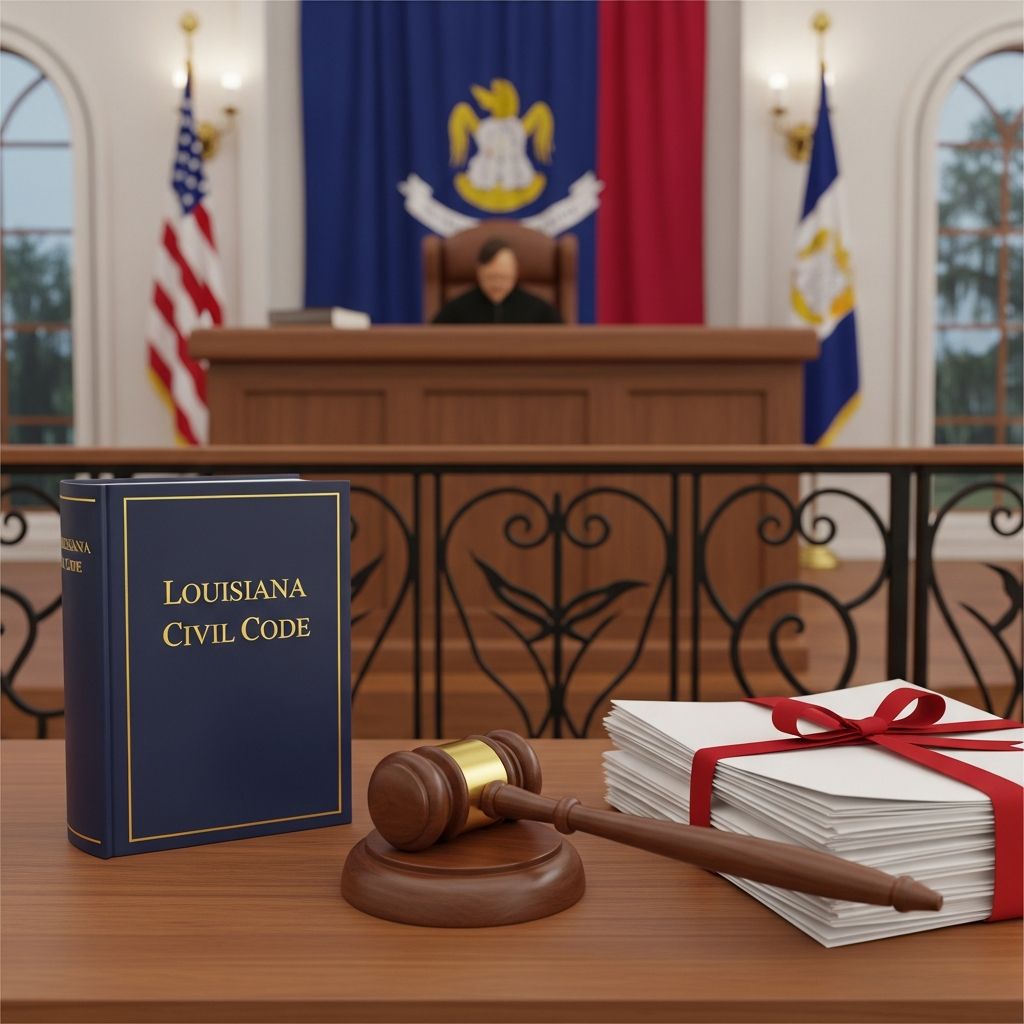
Resolving everyday disputes doesn’t always require lengthy court battles or expensive attorneys. In Louisiana, small claims divisions within City Courts and Justice of the Peace Courts offer a streamlined avenue for handling civil matters involving modest monetary amounts. These divisions prioritize accessibility, informality, and efficiency, allowing individuals to seek remedies without navigating complex legal formalities.
Understanding Jurisdiction and Monetary Limits
The cornerstone of Louisiana’s small claims system is its defined scope. Under state law, these divisions handle civil cases where the disputed amount does not surpass $5,000, excluding interest, court costs, attorney fees, or penalties. This threshold applies across most City Courts and Justice of the Peace Courts, making it suitable for common grievances like unpaid debts or minor property damage.
Key restrictions shape what cases qualify:
- No more than ten plaintiffs can join in a single action.
- Class actions, summary proceedings, and executory processes are explicitly barred.
- Jurisdictions like the City Court of East St. Tammany mirror the standard $5,000 limit.
Claims exceeding $5,000 can still proceed if the plaintiff waives the excess amount, but for larger sums, higher courts are necessary. This setup ensures small claims remain focused on ‘small’ disputes.
Types of Disputes Handled in Small Claims
Small claims courts address a variety of civil issues rooted in contracts, property, and consumer interactions. Typical cases include:
- Breach of contract, such as unpaid services or loans.
- Property damage from accidents or negligence.
- Consumer disputes over faulty repairs, warranties, or undelivered merchandise.
- Evictions for non-payment of rent (in applicable courts).
- Recovery of personal property (excluding real estate titles).
Personal injury claims for actual damages are permissible, provided they fall within one year of the incident and the $5,000 cap. However, punitive damages are unavailable—only compensatory awards are granted.
Prohibited matters include family law (divorce, child custody), title to immovable property, suits against government entities or officials in official capacities, and emancipation of minors.
Finding the Correct Court Venue
Selecting the proper venue is critical to avoid dismissal. Generally, file where the defendant resides, maintains a business, or where the incident occurred. Rural areas rely on Justice of the Peace Courts, while urban centers use City Courts. Parish Courts may handle some cases locally—always verify with the clerk.
To locate a Justice of the Peace, consult the parish courthouse clerk or the Louisiana Secretary of State’s website under ‘Justice of the Peace’ listings. Court websites often detail specific venue rules.
Who Can Participate: Plaintiffs and Defendants
Eligibility is broad. Any individual aged 18 or older can file pro se (without a lawyer). Minors require a parent or guardian. Corporations, partnerships, sole proprietors, and associations may sue or be sued. Multiple defendants are allowed if they contributed to the harm.
Defendants receive notice and can counterclaim if they believe the plaintiff is at fault, provided it fits within small claims limits. Attorneys are permitted but not required, preserving the informal nature.
Step-by-Step Guide to Filing a Claim
Initiating a small claims action involves preparing and submitting key documents:
- Gather Evidence: Compile contracts, receipts, photos, correspondence, and witness details.
- Complete Forms: Use the Petition, Statement of Claim, and Soldier’s and Sailor’s Relief Act Affidavit (for military status verification). Some courts accept verbal claims, but written filings are standard.
- Pay Fees: Expect modest costs, varying by court (typically $50–$150).
- File and Serve: Submit to the clerk; the constable or sheriff serves the defendant.
Service must be proper—certified mail or personal delivery. Defendants have 10 days post-service to answer or file a reconventional demand (counterclaim).
| Court Location | Fee for Claims Under $5,000 |
|---|---|
| Shreveport City Court | $100–$150 |
| Baton Rouge JOP | $50–$100 |
| Slidell City Court | $75 |
Note: Fees are approximate; confirm with local clerks.
Pre-Trial Procedures and Rules
Small claims emphasize speed: no formal discovery (interrogatories, depositions). Motions are referred to trial merits. If no answer, request a default judgment by presenting evidence. Otherwise, request a hearing; trials occur within 45 days.
Prepare thoroughly: organize evidence chronologically, practice your narrative. Relaxed evidence rules admit hearsay if relevant, but credibility matters.
The Trial Experience: What to Expect
Hearings before a judge—no juries. Present your case first: explain facts, show evidence, call witnesses. Defendant responds similarly. Judges evaluate arguments and issue rulings, often immediately.
Prove key elements: harm caused by defendant and quantifiable damages. Be concise, factual, and professional.
Judgment, Appeals, and Enforcement
A favorable judgment enables collection via liens, wage garnishment, bank levies, or seizures. In City Courts, plaintiffs waive appeal rights; defendants may transfer to regular court within 10 days to preserve appeals.
Strict deadlines apply—miss them, and options close. Enforcement requires post-judgment motions.
Strategic Tips for Success
- Document everything meticulously.
- Arrive early, dressed appropriately.
- Stay calm; focus on facts over emotions.
- Consider mediation if available locally.
- For collections, know debtor’s assets pre-filing.
Frequently Asked Questions
Can I represent myself in Louisiana small claims?
Yes, most litigants proceed without attorneys due to relaxed procedures.
What is the time limit to file a small claims case?
Varies by claim type (e.g., 1 year for personal injury); check statutes of limitations.
Do I need a lawyer for small claims in Louisiana?
No, but lawyers may participate if desired.
How long does a small claims case take?
From filing to trial: often 30–60 days.
Can I collect on a small claims judgment?
Yes, through garnishment, liens, and seizures.
Local Variations Across Parishes
While statewide laws govern, courts like Shreveport City Court enforce Local Rule 21, prohibiting class actions. Baton Rouge JOP Courts exclude family matters. Always review court-specific rules.
In Pineville City Court, contact the Secretary of State for business defendants. Slidell promotes informality for disputes under $5,000.
Alternatives to Small Claims Litigation
Before filing, explore negotiation, demand letters, or small claims mediation programs. Consumer protection agencies handle some issues without court.
This system empowers Louisianans to enforce rights efficiently, recovering what’s owed without undue burden.
References
- RS 13:5202 – Louisiana Laws — Louisiana State Legislature. 2023. https://www.legis.la.gov/legis/Law.aspx?d=77961
- General Information about Small Claims Court in Louisiana — Louisiana State University Law Center Library Guides. 2023-10-01. https://lasc.libguides.com/c.php?g=463399&p=3167530
- Louisiana Small Claims Court Procedure — Nolo. 2023. https://www.nolo.com/legal-encyclopedia/louisiana-small-claims-court-31722.html
- Small Claims Division — City of Shreveport, LA Official Website. 2024-01-15. https://www.shreveportla.gov/1044/Small-Claims
- Small Claims — Baton Rouge, LA Official Website (BRLA.gov). 2024. https://www.brla.gov/2118/Small-Claims
Similar Articles








Read full bio of Sneha Tete


