
Litigating Negative Online Feedback: 4 Key Steps For Businesses
Navigating the legal landscape of bad reviews: When businesses can fight back against defamation and protect their reputation effectively.
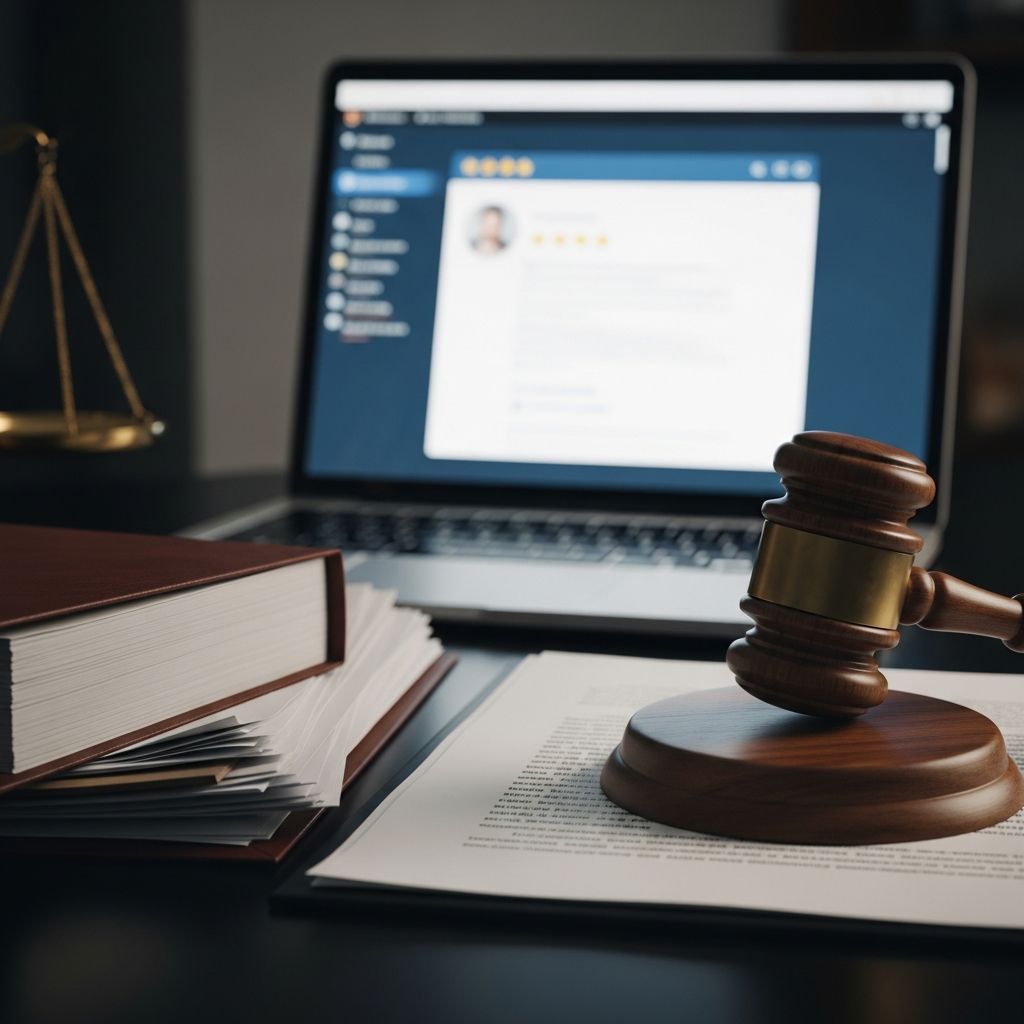
Online reviews shape consumer decisions in profound ways, with studies showing that most potential customers check ratings before engaging with a business. While honest criticism drives improvement, false or malicious statements can inflict severe damage on revenue and brand trust. Businesses often grapple with whether to pursue legal remedies against damaging feedback. This article delves into the criteria for actionable claims, procedural pathways, potential recoveries, safeguards for reviewers, and alternative approaches to safeguard online presence.
Understanding Defamatory Content in Digital Spaces
Defamation occurs when a false statement harms someone’s reputation, manifesting as libel in written form like online posts. For a review to qualify as defamatory, it must assert verifiable facts that are untrue, rather than subjective opinions. Courts distinguish between ‘The service was terrible’—protected as opinion—and ‘The company stole my deposit’—potentially actionable if provably false.
Publication requires the statement reaches third parties, easily met on public platforms like Yelp or Google. Harm must be demonstrable, such as lost sales tracked via analytics or declined inquiries post-review. Fault levels vary: private entities prove negligence, while public figures need ‘actual malice’—knowledge of falsity or reckless disregard.
Core Requirements for a Viable Claim
To build a case, businesses must establish several pillars:
- False Assertion of Fact: Opinions like ‘disappointing experience’ are shielded; claims like ‘health code violations occurred’ demand evidence of inaccuracy.
- Public Dissemination: Visibility to others beyond the business-reviewer dynamic.
- Tangible Injury: Quantifiable losses, e.g., revenue dips correlated temporally with the review.
- Culpable Mindset: Negligence for unverified posts or malice for intentional lies.
Anonymous reviews complicate matters, but subpoenas can unmask posters via platform data. In one notable case, a flooring firm recovered damages after proving a Yelp review fabricated service failures, costing them substantial projects.
Navigating the Litigation Process
Initiating a suit demands strategic preparation. First, document everything: screenshots, traffic analytics, and falsity proofs like receipts or records. Consult counsel to draft a cease-and-desist letter, often prompting review removal without court.
Filing involves selecting jurisdiction—where harm occurred or defendant resides—and serving papers. Defendants may invoke anti-SLAPP laws, designed to quash suits chilling speech, potentially awarding fees to prevailing reviewers. Section 230 immunizes platforms from liability, shifting focus to individuals.
| Step | Description | Potential Challenges |
|---|---|---|
| Evidence Collection | Gather screenshots, financials, proof of falsity | Proving causation from review to loss |
| Pre-Litigation Demand | Send cease-and-desist | Reviewer ignores or countersues |
| Filing Complaint | Outline elements in court | Anti-SLAPP motions |
| Discovery | Subpoena identity, depose | Anonymity barriers |
| Trial/Settlement | Argue case or negotiate | High costs, uncertain outcomes |
Potential Awards and Financial Realities
Successful plaintiffs may secure compensatory damages for proven losses, reputational harm awards, and punitive sums to deter repeats. A Florida appellate court upheld $350,000 including punitives for a defamatory review. However, litigation expenses often exceed recoveries; the aforementioned flooring case saw defendants pay $65,000 in fees despite a $15,000 settlement.
Non-monetary wins include mandated retractions or bans on future posts. Settlements frequently yield quiet resolutions: review deletion and confidentiality.
Protections Shielding Honest Critics
The Consumer Review Fairness Act (CRFA) voids contract clauses penalizing reviews, barring waivers of review rights or IP grabs. It permits removal of truly defamatory, harassing, or off-topic content. First Amendment robustly guards opinions, complicating fact-opinion delineations.
Anti-SLAPP statutes in over 30 states expedite dismissal of weak claims, reimbursing defender costs. Businesses imposing review bans risk CRFA violations, fostering transparent markets.
Strategic Alternatives to Court Battles
Lawsuits risk Streisand effects—amplifying negativity via publicity. Proactive measures prove wiser:
- Swift, Empathetic Replies: Acknowledge issues publicly, offer private resolutions, showcasing responsiveness.
- Review Volume Boost: Encourage satisfied clients to post, diluting outliers mathematically.
- Platform Reports: Flag violations per terms, e.g., fakes or spam.
- Reputation Software: Monitor and analyze sentiment across sites.
- Service Excellence: Address root causes to minimize future complaints.
These foster long-term trust over adversarial stances.
Industry-Specific Considerations
Restaurants face health code accusations demanding inspector verifications. Contractors counter project fabrications with photos/logs. E-commerce sellers track order data against ‘non-delivery’ claims. Public figures like influencers endure higher malice bars. Tailor evidence to sector norms for credibility.
Future Trends in Review Litigation
AI-generated fakes and deepfake reviews loom, challenging authenticity proofs. Platforms enhance verification, like Google Business flags. Legislative pushes may refine defamation for digital eras, balancing speech and commerce. Businesses should audit policies for CRFA compliance amid evolving norms.
Frequently Asked Questions
Can any negative review lead to a lawsuit?
No, only false statements of fact causing harm qualify; opinions are protected.
What is the Consumer Review Fairness Act?
A 2016 federal law prohibiting contracts that suppress honest reviews, ensuring consumer voice.
How do I prove a review hurt my business?
Use analytics showing sales drops, lost leads, or competitor comparisons post-publication.
Are anonymous reviewers safe?
Not entirely; courts can compel identity disclosure via subpoenas.
Should I always sue over bad reviews?
Rarely first resort; responses and positives often mitigate better than litigation.
What defenses do reviewers have?
Truth, opinion status, anti-SLAPP, and Section 230 for platforms.
This guide equips businesses to evaluate options judiciously, prioritizing sustainable reputation health over reactive suits. Consult legal experts for case-specific advice.
References
- Can You Sue for a Bad Review: A Guide for Business Owners — Jobber. 2023-05-15. https://www.getjobber.com/academy/can-you-sue-for-bad-review/
- Can I Sue for Bad Reviews Against My Business? — Hanley Law. 2024-02-20. https://hanley-law.com/blog/can-i-sue-for-bad-reviews-against-my-business/
- Can You Sue Someone for a Bad Review Against Your Business? — Minclaw. 2024-08-10. https://www.minclaw.com/can-business-sue-for-bad-review/
- Can You Get Sued for Leaving a Bad Review? — Freedom Forum. 2023-11-05. https://www.freedomforum.org/can-you-get-sued-bad-review/
- Can My Business Sue Over Negative or Fake Online Reviews? — KJK. 2025-10-10. https://kjk.com/2025/10/10/can-my-business-sue-over-negative-or-fake-online-reviews/
- Negative Online Review Leads to $350,000 Recovery in Defamation — Yolofsky Law. 2024-03-12. https://yolofskylaw.com/defamatory-online-reviews-lead-to-legal-consequences/
- Managing Negative Customer Reviews — Klemchuk. 2024-07-18. https://www.klemchuk.com/ideate/managing-negative-customer-reviews
Similar Articles








Read full bio of Sneha Tete


