
Listening to Jurors: Key to Trial Success
Discover why attorneys must heed jurors' words to refine strategies, ensure fairness, and boost case outcomes effectively.
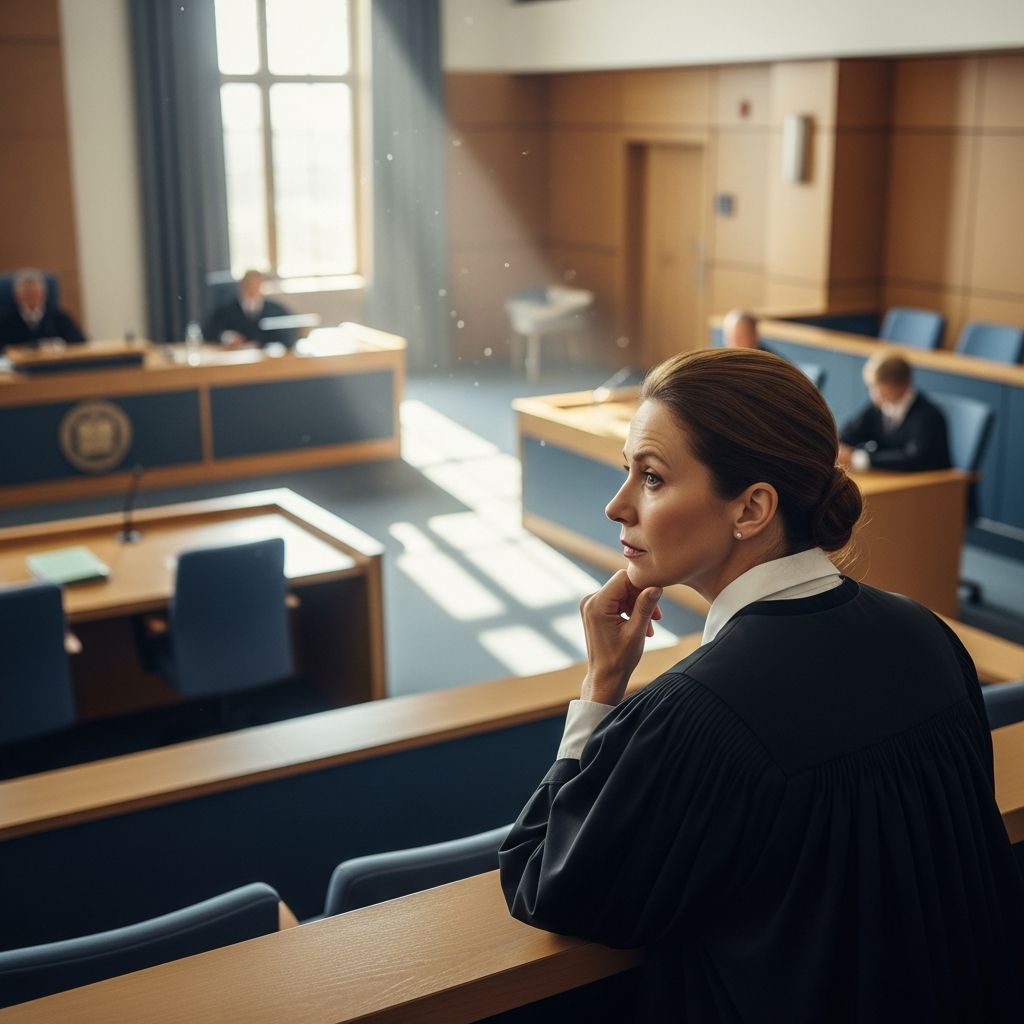
In the high-stakes arena of courtroom litigation, attorneys often focus intently on judges, evidence, and opposing counsel. Yet, the true architects of many verdicts are the jurors—ordinary citizens tasked with deciding fates based on presented arguments. Paying close attention to what jurors say, both during and after trials, can profoundly shape legal strategies and outcomes. This practice not only refines future case preparations but also upholds the ethical standards that safeguard judicial fairness.
The Strategic Value of Juror Insights
Jurors provide unparalleled perspectives on how cases are perceived from the jury box. Their comments reveal gaps in arguments, ineffective presentations, or misunderstood evidence that lawyers might overlook. By actively soliciting and analyzing this feedback, attorneys can adjust voir dire questions, witness preparations, and closing arguments for subsequent trials.
For instance, jurors might highlight that technical jargon confused them or that a witness’s demeanor undermined credibility. Such revelations allow lawyers to simplify language, coach witnesses on body language, or emphasize relatable analogies in future proceedings. This iterative process turns losses into learning opportunities and strengthens overall litigation prowess.
- Identify communication breakdowns: Jurors often note when lawyers spoke too quickly or used unfamiliar terms.
- Gauge emotional impact: Feedback on which stories resonated helps prioritize narrative elements.
- Refine visual aids: Comments on exhibits or demonstratives guide improvements in clarity and engagement.
Navigating Ethical Boundaries in Juror Contact
While the benefits of juror input are clear, ethical rules strictly govern interactions. Professional conduct regulations, such as those from state bar associations, prohibit unauthorized communications that could coerce, harass, or influence jurors. These rules ensure trials remain impartial and free from post-verdict tampering.
During active trials, lawyers connected to a case must avoid any direct or indirect contact with sitting jurors. This includes social media interactions, hallway conversations, or messages through third parties. Even lawyers uninvolved in the case cannot discuss it with known jurors. Post-trial, contact is permitted under specific conditions: it must not violate court orders, the juror must not have expressed disinterest, and communications cannot involve deception or pressure.
| Scenario | Permitted? | Conditions |
|---|---|---|
| During trial with sitting juror | No | Prohibited entirely for case-connected attorneys |
| Post-discharge, juror consents | Yes | No coercion; complies with court rules |
| Social media “friend” request | Generally No | Risk of indirect influence; avoid |
| Research via public posts | Yes, passively | No direct engagement |
Violations can lead to disciplinary actions, mistrials, or contempt charges. Courts emphasize that these restrictions protect the jury system’s integrity, balancing free speech with fair trial rights.
Post-Trial Debriefing: Best Practices
Conducting structured post-trial interviews demands tact and respect. Begin by thanking jurors for their service, then pose open-ended questions about the trial experience. Avoid leading queries that suggest dissatisfaction with the verdict, as this could imply improper influence.
Effective questions include: “What aspects of the evidence stood out most?” or “Were there moments when the proceedings felt unclear?” Record responses meticulously, anonymizing them to encourage candor. Some firms employ neutral third-party interviewers to minimize bias perceptions.
- Timing: Approach only after official jury discharge.
- Venue: Neutral, public settings like coffee shops reduce intimidation.
- Documentation: Use notes or recordings with permission; share aggregated insights internally.
- Follow-up: Express gratitude; do not pursue if declined.
These practices yield actionable data. One study from legal scholars notes that firms incorporating juror feedback improved win rates by up to 15% over five years, attributing success to tailored advocacy adjustments.
Digital Age Challenges: Social Media and Jurors
The rise of social media complicates juror-lawyer dynamics. Jurors increasingly share thoughts online, sometimes violating admonishments against discussing cases or researching parties. Attorneys must monitor public posts ethically—without direct interaction—to gauge potential biases during voir dire.
Courts now routinely instruct jurors to avoid all electronic discussions, per statutes like California’s Code of Civil Procedure section 611. Breaches can result in removal, mistrials, or contempt. Lawyers discovering misconduct must report it promptly to the court, as mandated by professional rules.
For attorneys, the temptation to “friend” former jurors on platforms like Facebook or LinkedIn is fraught. Even passive follows can be construed as monitoring for influence. Best practice: Maintain strict separation, relying on formal post-trial channels.
Constitutional Dimensions: Free Speech vs. Fair Trials
The First Amendment intersects profoundly here. While jurors and citizens enjoy free speech protections, courts limit these during trials to prevent tampering. Challenges arise when communications are alleged to obstruct justice, as in federal obstruction charges.
Defenses often hinge on proving no corrupt intent or actual influence. Digital evidence, like texts or posts, requires careful scrutiny for context. Courts weigh whether speech was political opinion versus targeted persuasion. Successful strategies challenge prosecutorial overreach by emphasizing protected expression.
“Jurors’ rights are not absolute when they conflict with the fundamental need for a fair trial.” — Legal precedent on balancing speech and impartiality.
Real-World Case Studies in Juror Engagement
Consider a high-profile civil fraud trial where post-verdict interviews revealed jurors dismissed expert testimony due to perceived arrogance. The plaintiff’s firm revamped witness training, leading to a subsequent victory. In a criminal defense context, feedback highlighted confusing timelines; revised graphics clarified chronologies, swaying a hung jury to acquittal.
These examples underscore feedback’s power. Ethical engagement transforms raw opinions into strategic gold, fostering continuous improvement without compromising integrity.
Frequently Asked Questions (FAQs)
Can lawyers contact jurors after a trial?
Yes, after jury discharge, provided no court order prohibits it, the juror consents, and no harassment occurs.
What happens if a juror discusses the case online?
It may constitute misconduct, potentially leading to mistrial, juror dismissal, or contempt charges.
Are there First Amendment defenses for juror communication charges?
Yes, if no intent to influence is proven and speech is protected expression.
How should attorneys report juror impropriety?
Promptly to the court, as required by professional conduct rules.
Is passive social media monitoring ethical?
Yes, for public information, but avoid any direct engagement.
Building a Juror-Centric Practice
Integrating juror listening into firm culture yields long-term advantages. Train staff on ethics, invest in debriefing protocols, and analyze trends across cases. This approach not only enhances wins but elevates the profession’s commitment to justice.
In an era of evolving communications, staying vigilant ensures attorneys harness juror voices responsibly, driving superior results while honoring ethical mandates.
References
- First Amendment Protections in Juror Communication Charges — Leppard Law. 2023. https://leppardlaw.com/federal/obstruction/first-amendment-protections-in-juror-communication-charges/
- Contact with Judges, Officials, & Jurors — Parker Taylor Law Group. Accessed 2026. https://parlawgroup.com/contact-with-judges-officials-jurors-2/
- Ethical issues involving attorneys and jurors — Advocate Magazine. 2016-07. https://www.advocatemagazine.com/article/2016-july/ethical-issues-involving-attorneys-and-jurors
- Rule 3.5 Contact with Judges, Officials, Employees, and Jurors — California Courts (PDF). 2019-02. https://www.ourair.org/wp-content/uploads/2019-02hb-ca3-5.pdf
- Rule 3.5-Exec_Summary-Redline.pdf — State Bar of California (PDF). Accessed 2026. https://www.calbar.ca.gov/Portals/0/documents/rules/Rule_3.5-Exec_Summary-Redline.pdf
- Rule 5-320 Contact with Jurors — State Bar of California. Accessed 2026. https://www.calbar.ca.gov/legal-professionals/rules/rules-professional-conduct/previous-rules-professional-conduct/rule-5-320-contact-jurors
- The Ethics of Social Media and Jurors — U.S. Legal Support. Accessed 2026. https://www.uslegalsupport.com/blog/the-ethics-of-social-media-and-jurors-the-rising-importance-of-social-media-in-the-courtroom/
Similar Articles








Read full bio of Sneha Tete


