
The Architecture of Surveillance: Legislative Rules & Debates
Unpacking the crucial role of legislative procedure in balancing intelligence operations and civil liberties during high-stakes debates.
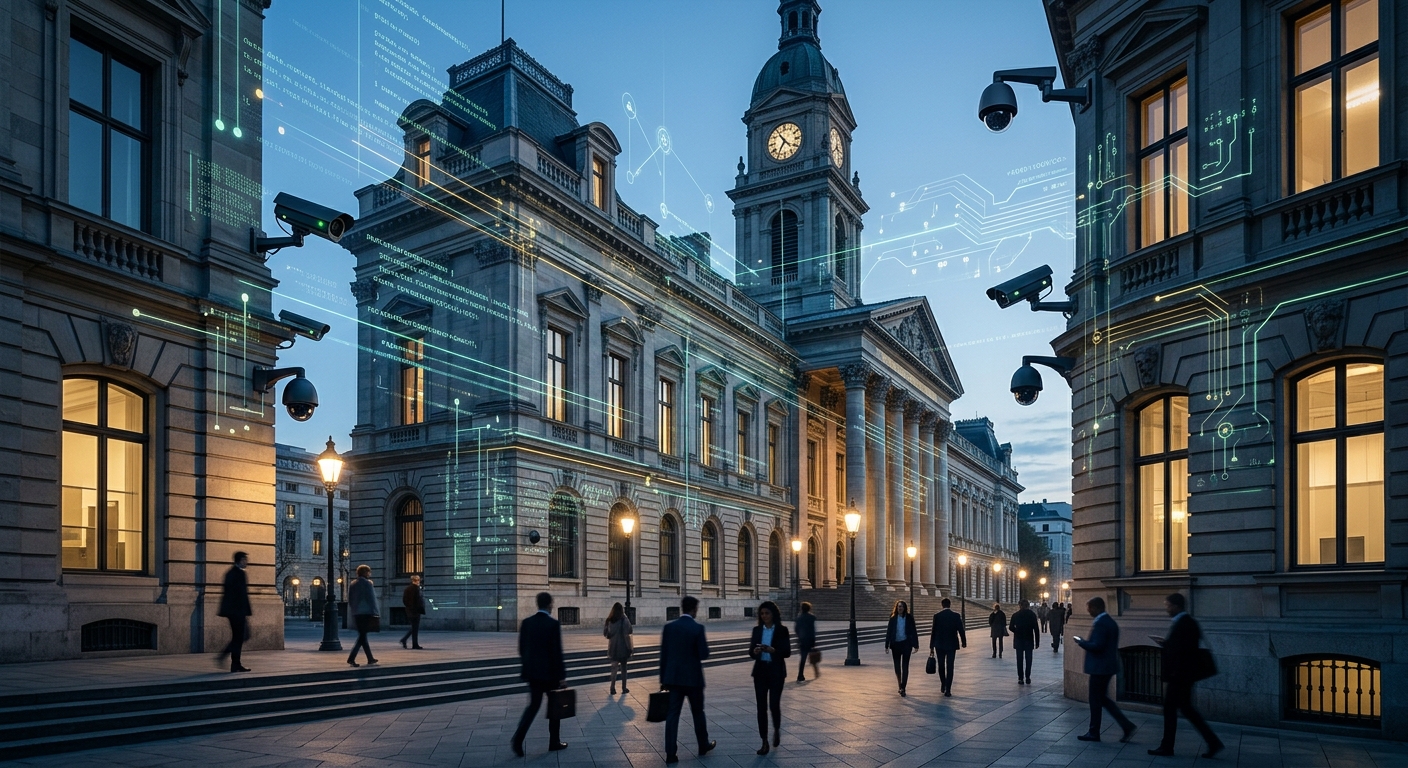
The formulation of national security policy represents one of the most profound responsibilities of any democratic government. When lawmakers convene to debate the contours of intelligence gathering, surveillance, and counterterrorism measures, they are fundamentally negotiating the boundaries between state power and individual civil liberties. However, the substantive debates surrounding these consequential issues are often inextricably linked to the procedural scaffolding that supports them. The journey of a national security bill from its initial drafting to its final passage is rarely a straightforward path; it is a meticulously choreographed process governed by complex legislative rules. Understanding how these rules operate—particularly the transition from committee discussions to full floor debates—is essential for comprehending how modern surveillance laws are crafted, amended, and ultimately codified into law.
In the United States House of Representatives, the legislative process is tightly controlled to manage the flow of legislation and prioritize the majority party’s agenda. When addressing matters of national security, such as the reauthorization of the Foreign Intelligence Surveillance Act (FISA) or the USA PATRIOT Act, the stakes are exceptionally high. Procedural mechanisms are deployed not merely for administrative efficiency, but as strategic tools that can either amplify or stifle voices advocating for constitutional safeguards. To truly grasp the dynamics of national security legislation, one must look beyond the passionate speeches on the chamber floor and examine the procedural gatekeepers that set the terms of engagement.
The Gatekeepers: Understanding the Role of the Rules Committee
Before a controversial piece of national security legislation can be debated by the full chamber, it must typically pass through a crucial chokepoint: the Rules Committee. Often referred to as the “Speaker’s Committee” or the “traffic cop” of the House, this body is responsible for determining the specific parameters under which a bill will be considered. According to the Congressional Research Service, most significant legislation is considered under a “special rule” reported by this committee, which tailors the debate and amending parameters to fit the strategic goals of the legislative leadership .
When a surveillance bill is reported out of the Intelligence or Judiciary committees, the Rules Committee drafts a resolution that dictates the length of the general debate and, critically, specifies which amendments will be permitted to be offered on the floor. This is where the battle over civil liberties is frequently won or lost.
- Open Rules: Under an open rule, any lawmaker may propose germane amendments to the bill. While this maximizes democratic participation, it is rarely utilized for sensitive national security legislation due to leadership’s fear of unpredictable votes or the insertion of “poison pill” amendments that could derail the bill’s passage.
- Closed Rules: A closed rule strictly prohibits any amendments from being offered on the floor. This approach is often justified by proponents as necessary to preserve the delicate compromises struck in committee, particularly when dealing with classified intelligence programs. However, civil liberties advocates fiercely criticize closed rules, arguing that they disenfranchise lawmakers and prevent the introduction of vital privacy safeguards.
- Structured Rules: The most common approach for high-stakes legislation is a structured rule, where the committee selectively allows only a handful of specific amendments. This allows leadership to permit votes on politically popular or bipartisan privacy protections while blocking amendments that might fundamentally weaken the intelligence community’s operational authorities.
The decisions made during these rules discussions are paramount. If an amendment designed to require a warrant for certain types of data collection is denied a floor vote by the Rules Committee, the merits of that privacy protection will never be formally debated or voted upon by the full legislative body. Consequently, advocacy groups and constitutional scholars focus immense energy on the rules process, recognizing that the procedural framework often dictates the substantive outcome.
The Tension Between Secrecy and Public Debate
One of the unique challenges of legislating national security is the inherent conflict between the operational necessity of secrecy and the democratic mandate for transparency. Intelligence agencies rely on classified sources and methods to protect the homeland, and publicly debating the intricacies of these capabilities can theoretically tip off adversaries. Conversely, a core tenet of a free society is that the public and their elected representatives must fully understand the laws they are bound by, especially when those laws authorize the interception of private communications.
This tension frequently spills over into the legislative floor debate. Members of Congress who serve on the Intelligence Committees receive classified briefings and have access to highly sensitive information regarding how surveillance tools are actually deployed in practice. When these members advocate for the reauthorization of intelligence programs, they often allude to classified successes that they cannot publicly detail. This creates an asymmetric debate dynamic. Lawmakers arguing for robust civil liberties protections must base their arguments on declassified summaries, leaked documents, or theoretical constitutional concerns, while proponents of the security state can invoke the specter of classified threats.
Following the revelations of sweeping bulk data collection programs in 2013, the demand for greater transparency in national security debates surged. Official reviews, such as those conducted by the Obama administration, emphasized that the mere technical capability to collect personal information does not inherently justify doing so without robust, public oversight . The push for transparency has forced modern floor debates to become more substantive, with lawmakers increasingly demanding declassified metrics and oversight reports before casting their votes on surveillance reauthorizations.
Stages of National Security Legislation
To appreciate the significance of the transition from committee rules to floor debate, it is helpful to visualize the typical lifecycle of a national security bill. The following table outlines the distinct phases a piece of intelligence legislation must navigate, highlighting the interplay between procedure and substance.
| Legislative Phase | Primary Actors | Key Actions & Procedural Significance |
|---|---|---|
| 1. Drafting & Introduction | Agency Officials, Executive Branch, Key Lawmakers | The intelligence community often requests specific legal authorities. Bills are drafted, frequently balancing executive requests with constitutional constraints. |
| 2. Committee Markup | Intelligence and Judiciary Committees | Committees with jurisdiction debate the bill in both open and closed (classified) sessions. Substantive compromises are negotiated here before the bill is reported out. |
| 3. Rules Committee Review | House Rules Committee Members | The committee holds a hearing to determine the “special rule.” They decide the duration of the floor debate and select which amendments will be permitted for a vote . |
| 4. Floor Debate | Full Legislative Body | Lawmakers debate the merits of the bill and the allowed amendments. This is the primary forum for public accountability and the expression of constitutional concerns. |
| 5. Final Passage | Full Legislative Body | A roll-call vote is taken. Successful passage often requires navigating points of order and final procedural hurdles. |
Historical Context: Surveillance Legislation in the Spotlight
The historical backdrop of national security legislation vividly illustrates why procedural rules are so hotly contested. In the immediate aftermath of the September 11, 2001 terrorist attacks, the legislative environment was characterized by an urgent prioritization of security. The original USA PATRIOT Act was drafted, debated, and passed with unprecedented speed. The Department of Justice at the time argued strongly that the act was a necessary tool to prevent further tragedies and that the debate between civil liberties and national security was a natural occurrence during wartime . Because of the perceived emergency, standard procedural norms were expedited, and floor debate was significantly truncated. Many lawmakers later admitted they had not fully read the sprawling legislation before casting their votes.
However, as the immediate crisis subsided, the procedural environment shifted. Subsequent reauthorizations of the Patriot Act and amendments to FISA faced much steeper procedural climbs. Civil liberties advocates, drawing upon historical precedents where constitutional rights were compromised during times of national stress, began organizing massive campaigns to influence the rules process . They realized that waiting for the floor debate was too late; they needed to pressure the Rules Committee to allow votes on amendments that would dismantle the most intrusive surveillance authorities.
When the USA FREEDOM Act was debated in the mid-2010s—legislation designed to curtail the bulk collection of telecommunications metadata—the floor debate was robust and historically significant. The Rules Committee permitted several critical amendments to be debated, resulting in a rare, transparent congressional reckoning regarding the Fourth Amendment rights of American citizens in the digital age. This era demonstrated that when procedural rules allow for a genuine contest of ideas, the legislative branch can effectively recalibrate the balance between liberty and security.
Advocacy and the Floor: The Push for Civil Liberties
Advocacy organizations spanning the political spectrum play an indispensable role in shaping the legislative process surrounding national security. Because surveillance programs can affect all citizens regardless of political affiliation, coalitions often form between progressive civil rights groups and conservative libertarian organizations. These coalitions intensely monitor the progression of bills through the committee structure.
When a rules discussion is scheduled to be followed by a floor debate, these advocates launch rapid-response campaigns. They brief lawmakers on the technical implications of complex intelligence statutes and draft proposed amendments to protect privacy. Their primary goal during the rules phase is to secure a “structured rule” that includes their priority amendments. If the Rules Committee attempts to impose a closed rule, advocacy groups will often urge lawmakers to vote against the rule itself—a procedural maneuver that, if successful, halts the legislation in its tracks and forces leadership back to the negotiating table.
Once a bill reaches the floor, the debate serves multiple purposes. Beyond attempting to persuade undecided colleagues, floor speeches are utilized to establish legislative intent. When judges later interpret ambiguous surveillance statutes, they often look to the Congressional Record to understand what lawmakers intended when they passed the bill. Therefore, even if a privacy amendment is destined to fail, securing floor time to debate the amendment allows civil liberties advocates to force the government to publicly clarify the scope and limits of its surveillance powers.
Frequently Asked Questions (FAQs)
What is a “special rule” in the legislative process?
A special rule is a resolution reported by the House Rules Committee that sets the terms for debating and amending a specific piece of legislation on the House floor. It dictates how long the debate will last and precisely which amendments, if any, can be offered by lawmakers .
Why is the Rules Committee so powerful when dealing with national security?
National security bills are often highly sensitive and controversial. The Rules Committee, acting on behalf of the majority leadership, can protect these bills from being significantly altered on the floor by prohibiting amendments that might restrict intelligence-gathering capabilities or fracture bipartisan compromises.
What is the difference between an open rule and a closed rule?
An open rule allows any lawmaker to propose germane amendments to a bill during floor consideration. A closed rule strictly prohibits any amendments from being offered, restricting the floor action to a debate and a final up-or-down vote on the bill as presented.
How do classified intelligence programs affect public floor debates?
Classified programs complicate public debates because lawmakers cannot disclose sensitive operational details on the floor. This forces members to speak in generalities or rely on declassified summaries, often making it difficult to publicly debate the precise impact a law will have on civil liberties and privacy.
Can the public influence the procedural rules of a debate?
Yes, through advocacy. Civil liberties organizations and constituents often lobby members of the Rules Committee directly, urging them to allow votes on specific privacy amendments before the final rules resolution is locked in.
Conclusion
The interplay between legislative procedural rules and substantive floor debates is the unseen engine that drives the creation of national security law. While the dramatic rhetoric of the chamber floor captures the public’s attention, the true parameters of our civil liberties are frequently determined in the quiet, highly controlled rooms of the Rules Committee. Ensuring that the United States maintains a robust defense posture while simultaneously upholding the constitutional rights of its citizens requires more than just good intentions; it requires a legislative process that values transparency, rigorous debate, and procedural fairness. As surveillance technologies continue to evolve at an unprecedented pace, the ongoing vigilance of both lawmakers and the public will be essential in demanding that the rules of debate remain open enough to safeguard the liberties that define a free society.
References
- Introduction to the Legislative Process in the US Congress — Congressional Research Service. 2025-03-10. https://crsreports.congress.gov
- Liberty and Security in a Changing World — Obama White House Archives. 2013-12-12. https://obamawhitehouse.archives.gov/
- The Legislative Process on the House Floor: An Introduction — Congressional Research Service. 2018-12-13. https://crsreports.congress.gov
- The USA PATRIOT Act: Preserving Life and Liberty — Department of Justice. 2001-10-26. https://www.justice.gov/
- Security vs. Civil Liberties — Library of Congress Information Bulletin. 2004-08-15. https://www.loc.gov/loc/lcib/0408/security.html
Similar Articles








Read full bio of Sneha Tete


