
Invasion of Privacy: Damages, Lawsuits, and Legal Recovery
Learn how invasion of privacy claims work, what damages you can seek, and how courts calculate compensation for emotional and reputational harm.
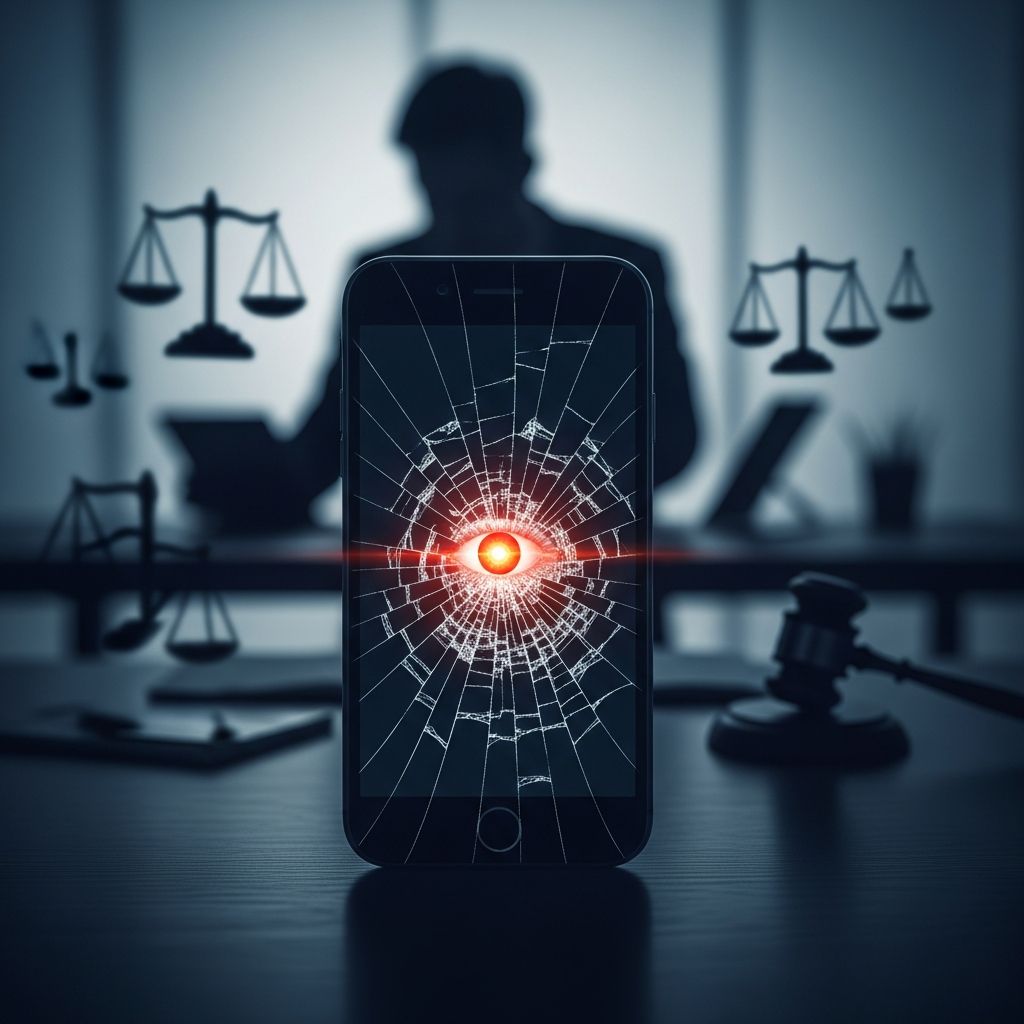
Invasion of privacy claims occupy a unique place in civil law: they often involve deeply personal harm, but there may be no broken bones, visible injuries, or lost wages. Instead, the legal system must place a value on embarrassment, emotional distress, reputational harm, and loss of control over personal information. This article explains how those claims work and what kinds of damages may be available if your privacy has been violated.
Understanding Invasion of Privacy as a Civil Claim
In most U.S. jurisdictions, invasion of privacy is treated as a set of related torts—civil wrongs for which an injured person can sue for money damages. Although terminology varies somewhat by state, courts generally recognize four primary types of privacy invasion:
- Intrusion upon seclusion – intentional interference with someone’s private space or affairs in a way that would offend a reasonable person.
- Public disclosure of private facts – widely communicating highly personal information that is not of legitimate public concern.
- False light – publishing information that creates a misleading and offensive impression about a person, even if it is not technically defamatory.
- Appropriation of name or likeness – using someone’s identity, photo, or persona, usually for commercial gain, without consent.
Each type of claim has its own legal elements, but all share one core idea: the law protects a person’s reasonable expectation of privacy and their right not to be exploited or misrepresented for another’s advantage.
Common Types of Privacy Invasion and Legal Elements
Although the precise formulas differ by state, courts often draw on the Restatement (Second) of Torts and similar authorities to define these claims. The table below provides a simplified overview.
| Type of claim | Core conduct | Key harm |
|---|---|---|
| Intrusion upon seclusion | Intentional, highly offensive prying into someone’s private space or affairs (e.g., secret recording, hidden cameras, unauthorized access to private correspondence). | Emotional distress, humiliation, and loss of a sense of safety or solitude. |
| Public disclosure of private facts | Publicizing truthful but intimate information not of legitimate public concern, in a way that would offend a reasonable person. | Embarrassment, reputational harm, and long-term loss of privacy. |
| False light | Publishing material that creates a misleading impression, casting the person in an objectionable or offensive light before the public. | Emotional anguish and damage to one’s standing in the community. |
| Appropriation of name or likeness | Using another’s identity, image, or persona—often for advertising or commercial benefit—without consent. | Loss of control over identity and potential economic loss or unjust enrichment to the defendant. |
What You Must Prove to Win a Privacy Lawsuit
The injured person (plaintiff) bears the burden of proving each element of the particular privacy tort. While wording differs by jurisdiction, judges and juries often look for these broad components:
- Intentional conduct – The defendant’s actions were deliberate; accidental or purely negligent behavior often is not enough for certain privacy torts.
- Reasonable expectation of privacy – The plaintiff was in a context where an ordinary person would expect privacy (for instance, at home, in a dressing room, or in confidential communications).
- Highly offensive nature of the intrusion or publicity – The conduct would be considered outrageous or deeply disturbing to a reasonable person, not just mildly annoying.
- Causation – The invasion of privacy was a substantial factor in causing emotional distress, reputational harm, or financial loss.
- Damages – The plaintiff suffered compensable harm that the court can remedy with money or other relief.
In cases of appropriation of name or likeness, some states focus less on how offensive the conduct was and more on the unauthorized taking of a personal right that may have commercial value.
Types of Damages Available in Invasion of Privacy Cases
Once liability is established, the key question becomes: what compensation is appropriate? Courts generally recognize several categories of damages in invasion of privacy lawsuits.
1. Compensatory Damages
Compensatory damages are designed to make the injured person “whole” by addressing both financial and non-financial impacts of the invasion.
- Emotional distress and mental anguish – These are often the largest component. Courts may consider:
- anxiety, fear, or loss of sleep;
- depression or humiliation after private information is exposed;
- ongoing stress from online or community reaction.
Some courts accept the plaintiff’s own testimony about mental suffering, potentially supported by medical or psychological evidence, as proof of damages.
- Reputational harm – Particularly in false light or disclosure cases, juries may award damages for loss of standing in the community, strained relationships, and professional setbacks.
- Economic losses – While many privacy cases center on non-economic harm, plaintiffs may also seek compensation for:
- lost employment or business opportunities;
- lost endorsement or licensing deals when a person’s image is misused;
- medical or counseling expenses.
2. Damages for Loss of Control and Dignitary Harm
Privacy torts frequently protect interests that are hard to measure in dollars—such as autonomy, human dignity, and control over personal information. Courts may award damages for:
- Loss of control over personal data or image – For example, if someone’s likeness is used in advertising without consent, the individual has lost the ability to decide when and how to associate with that product or message.
- Violation of seclusion – In intrusion cases, simply learning that one was secretly recorded or monitored can be compensable even if the recording is never published.
This category is especially significant when the invasion feels deeply personal but does not lead to clear financial loss.
3. Punitive (Exemplary) Damages
In some jurisdictions, courts allow punitive damages when the defendant’s conduct was malicious, reckless, or particularly egregious. The goal is not just to compensate the plaintiff, but also to:
- punish wrongful behavior; and
- deter both the defendant and others from similar invasions of privacy in the future.
Whether punitive damages are available—and at what level—is controlled by state law and constitutional limits on excessive awards. Courts may consider the degree of intentionality, the vulnerability of the victim, and whether the defendant profited from the misconduct.
4. Statutory and Liquidated Damages
For some kinds of privacy violations, legislatures have enacted statutes that provide specific minimum or fixed amounts of damages, often in addition to or instead of common-law remedies. Examples include:
- Unauthorized interception of communications – Federal and state wiretap laws may allow for statutory damages or per-violation payments when private conversations are recorded without consent.
- Unlawful recording or voyeurism – Certain state penal codes create both criminal penalties and civil remedies for secret photographing or filming of individuals in private spaces.
Statutory damages can be especially helpful where emotional harm is real but difficult to quantify.
How Courts Evaluate and Quantify Privacy Harms
Unlike car accident cases, there is rarely a medical bill or repair invoice that directly reflects the value of an invasion of privacy claim. Judges and juries instead weigh a range of qualitative factors, such as:
- Scope and duration of the intrusion or publicity – Was this a one-time incident, or part of a sustained pattern of surveillance or publication?
- Extent of dissemination – Did the information or images reach a small circle, a local community, or a global online audience?
- Nature of the information – Was the material intensely personal (health, sexuality, finances) or somewhat less sensitive?
- Victim’s vulnerability – Courts may consider whether the plaintiff was a minor, a patient, or someone in a relationship of trust with the defendant (such as an employee or client).
- Defendant’s intent and motive – Profit-driven exploitation, revenge, or harassment can justify higher awards than careless conduct.
- Lasting impact – Ongoing psychological injury, damage to career prospects, and continual circulation of material online often increase damages.
Because these factors are highly fact-specific, two cases involving similar conduct can result in very different awards depending on jurisdiction, jurors, and presentation of evidence.
Possible Non-Monetary Remedies
In addition to monetary damages, courts sometimes grant other forms of relief aimed at limiting the ongoing effects of a privacy violation.
- Injunctions – Orders prohibiting further publication, distribution, or use of images, recordings, or personal information. Courts balance privacy interests against free speech protections, especially where newsworthiness is alleged.
- Orders to destroy or return materials – In intrusion or unauthorized recording cases, courts may require the defendant to deliver up and destroy recordings, photographs, or documents obtained unlawfully.
- Declaratory relief – A formal statement that certain conduct violated the plaintiff’s rights, which can help restore reputation and clarify future obligations.
Defenses and Limitations in Privacy Lawsuits
Even where the underlying conduct is upsetting, not every invasion of privacy leads to liability. Defendants may raise a variety of defenses, including:
- Consent – Express written or verbal permission, or implied consent based on the plaintiff’s conduct, can defeat a privacy claim in many situations.
- Newsworthiness and public concern – Media defendants often argue that publication of private facts served a legitimate public interest, which may be protected by the First Amendment.
- Truth or substantial accuracy – In false light cases, accurate reporting may provide a defense, though the analysis is somewhat different from traditional defamation law.
- No reasonable expectation of privacy – Conduct occurring in public places or openly accessible online may not support a privacy claim, even if embarrassing.
- Statutes of limitation – Privacy claims must be brought within specific time periods after the invasion or discovery of the harm; these deadlines vary by state.
Steps to Take If You Believe Your Privacy Has Been Violated
People often feel powerless after an invasion of privacy, especially when images or information have spread quickly online. Although every situation is different, the following practical steps may help protect your interests:
- Document the incident – Save screenshots, URLs, emails, or messages showing the invasion and any resulting reactions. Keep a log of dates, times, and witnesses.
- Preserve evidence – Do not alter or delete relevant communications, even if they are upsetting; they may be crucial to proving your claim.
- Limit further exposure – Where possible, use reporting tools on social media platforms or contact website administrators to request removal of non-consensual content.
- Seek emotional support – Consider counseling or mental health services; documented treatment can also support claims for emotional distress.
- Consult a qualified attorney – Because invasion of privacy law varies significantly by state and may intersect with criminal statutes, defamation, and intellectual property rights, legal advice tailored to your jurisdiction is critical.
Frequently Asked Questions (FAQs)
Is invasion of privacy a crime, a civil wrong, or both?
In many states, certain invasive behaviors—such as secret recording in private spaces, voyeurism, or illegal interception of communications—are criminal offenses, while broader privacy invasions are addressed through civil tort claims for money damages. A single incident may give rise to both criminal charges (brought by the government) and a civil lawsuit (brought by the victim).
Do I need to prove financial loss to recover damages?
Not necessarily. Many invasion of privacy claims focus on emotional and dignitary harms rather than economic losses. Courts routinely award damages for mental anguish, embarrassment, and loss of seclusion even where the plaintiff did not lose income, especially in intrusion and disclosure cases.
How is invasion of privacy different from defamation?
Defamation focuses on false statements that harm reputation. Privacy torts, by contrast, often involve true but private information, or accurate material presented in a misleading way (false light), or nonconsensual use of a person’s image. Some cases may involve both defamation and invasion of privacy claims, but they protect distinct interests.
Can public figures bring invasion of privacy claims?
Yes, but public officials and celebrities typically face higher hurdles. They may have a reduced expectation of privacy regarding matters that are legitimately newsworthy, and some privacy torts (particularly false light and disclosure) are constrained by constitutional protections for speech on matters of public concern.
What if the invasion happened online or through social media?
Online invasions of privacy—such as publishing intimate images without consent or doxxing private information—can potentially support traditional common-law privacy claims, depending on the facts and the state’s statutes. Courts focus on the same underlying questions: Was there a reasonable expectation of privacy? Was the conduct highly offensive? How widely was the material disseminated? The digital setting mainly amplifies the scope and permanence of the harm.
References
- Invasion of Privacy — Jimerson Birr. 2024-01-10. https://www.jimersonfirm.com/services/business-litigation/invasion-of-privacy/
- What Constitutes a Violation – Privacy — USLegal. 2023-05-01. https://privacy.uslegal.com/what-constitutes-a-violation/
- California Penal Code Section 647(j) PC: Invasion of Privacy — Los Angeles Criminal Lawyer. 2022-08-15. https://www.losangelescriminallawyer.pro/california-penal-code-section-647-j-pc-invasion-of-privacy.html
- Elements of Liability: Invasion of Privacy — Colorado Judicial Branch / Civil Jury Instructions, Ch. 28. 2019-07-01. https://www.coloradojudicial.gov/media/13332
- The Legal Right to Privacy — Stimmel, Stimmel & Smith. 2021-11-05. https://www.stimmel-law.com/en/articles/legal-right-privacy
- The Torts of Invasion of Privacy — LawShelf Educational Media. 2020-03-12. https://www.lawshelf.com/shortvideoscontentview/the-torts-of-invasion-of-privacy
- Invasion of Privacy Law, in Brief — Student Press Law Center. 2011-06-01. https://splc.org/2011/06/invasion-of-privacy-law/
Similar Articles








Read full bio of Sneha Tete


