
Government Help for Utility Bills: What’s Real and What’s Not
Learn how real government programs can help with energy, water, and phone bills—and how to avoid scams.
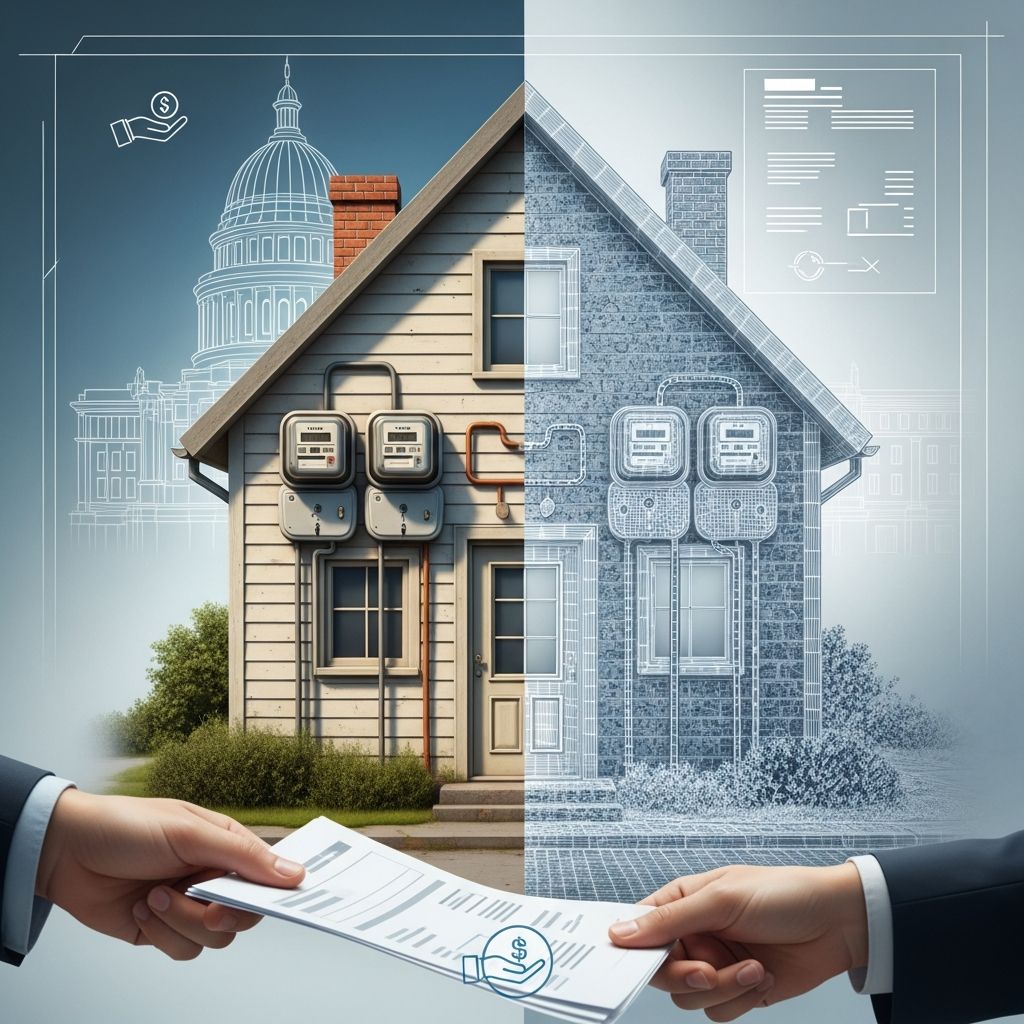
Understanding Real Help for Utility Bills
Many people see ads or messages claiming that a government program will pay all of their bills, including rent, utilities, and even credit cards. These promises are almost always false. However, there are real, limited programs that can help low-income households with certain types of bills, especially energy, water, and phone/internet service. The key is knowing what’s real, what’s not, and how to access the help that actually exists.
Common Scams That Promise to Pay Your Bills
Before diving into legitimate programs, it’s important to recognize the most common scams that prey on people struggling with bills.
- “Government Pays All Your Bills” Offers – Messages or websites claim that a secret government program will cover rent, utilities, credit cards, and more. These often ask for personal information, Social Security numbers, or an upfront “processing fee.”
- “Free Government Grants” for Bills – Ads promise large, no-strings-attached grants to pay off debts. In reality, the federal government does not give out cash grants to individuals for everyday bills.
- Impersonation of Real Programs – Scammers may pretend to be from LIHEAP, Lifeline, or a local utility assistance office. They might call, text, or email, asking for sensitive information or payment to “activate” benefits.
- Phony Application Websites – Fake sites mimic official government or nonprofit portals. They collect personal data or charge fees for services that are actually free through legitimate channels.
Real government and nonprofit assistance is never advertised with phrases like “guaranteed,” “no eligibility,” or “pay a small fee to get started.” If an offer sounds too good to be true, it almost certainly is.
Legitimate Programs That Can Help with Utility Bills
While there is no program that pays all of your bills, several real programs can help with specific types of utility costs.
Help with Energy Bills (Heating and Cooling)
The main federal program for energy assistance is the Low Income Home Energy Assistance Program (LIHEAP). This program helps eligible low-income households with:
- Heating bills (winter)
- Cooling bills (summer, in some areas)
- Weatherization and minor home repairs to reduce energy use
- Emergency assistance if utilities are about to be shut off
LIHEAP is administered by states and local agencies, so eligibility rules and benefit amounts vary. It typically provides a one-time payment per year toward energy bills, not ongoing monthly support.
Help with Phone and Internet Service
The federal Lifeline program helps low-income consumers get discounted phone or internet service. Benefits include:
- A monthly discount on phone or internet service (often around $9.25 per month)
- Eligibility for additional discounts in Tribal areas
- Ability to use the discount with participating providers
Lifeline is not a program that pays your entire bill; it reduces the monthly cost. Some states also have their own low-income phone programs that may offer additional discounts.
Help with Water and Sewer Bills
There is no single national program for water bills, but many communities offer assistance through:
- Local utility assistance programs (often run by county or city human services)
- Nonprofit organizations and community action agencies
- Emergency funds for customers facing disconnection
These programs may help with past-due balances, set up payment plans, or provide one-time grants to avoid shutoffs.
Help with Rent and Housing Costs
While not a utility program, rental assistance can free up money to pay utilities. Key options include:
- Section 8 Housing Choice Vouchers (rent subsidies)
- Public housing
- Emergency rental assistance programs (often available during crises)
These programs are highly competitive and have long waiting lists, but they can significantly reduce housing costs, making it easier to afford utilities.
How to Access Real Utility Assistance
Getting help from legitimate programs requires knowing where to look and what to expect.
Start with Your Local Human Services or Community Action Agency
Most LIHEAP and local utility assistance programs are run by state or county human services departments or community action agencies. These offices can:
- Determine your eligibility for LIHEAP and other programs
- Help you apply for Lifeline and other discounts
- Refer you to local nonprofits that assist with water, rent, and other bills
They typically require proof of income, household size, and current bills to process an application.
Check with Your Utility Providers
Electric, gas, water, and phone companies often have their own assistance programs, including:
- Low-income discount plans
- Emergency assistance funds (e.g., “Share the Warmth” for gas bills)
- Payment arrangements to avoid disconnection
- Winter or cold-weather rules that limit shutoffs during extreme cold
Contact customer service directly to ask about available programs and how to apply.
Use 211 and Other Referral Services
Dialing 211 (or visiting 211.org) connects you to a local United Way or community information service that can:
- Identify utility, rental, and food assistance programs in your area
- Provide contact information for local agencies
- Help you understand eligibility and application steps
These services are free and can be a valuable starting point when you’re not sure where to turn.
What Real Programs Do and Don’t Do
Understanding the limits of real assistance programs can help you avoid scams and set realistic expectations.
What Legitimate Programs Can Do
| Program Type | What It Can Do |
|---|---|
| LIHEAP | Pay part of a heating or cooling bill; help with weatherization; prevent shutoffs in emergencies |
| Lifeline | Reduce monthly phone or internet costs; provide a discount on service |
| Local Utility Assistance | Help with past-due electric, gas, water, or sewer bills; set up payment plans |
| Rental Assistance | Subsidize rent; reduce housing costs so more money is available for utilities |
What Legitimate Programs Do Not Do
- Pay all of your bills (rent, utilities, credit cards, etc.) in full and indefinitely
- Give out large cash grants with no strings attached
- Require an upfront fee to “process” or “activate” benefits
- Call, text, or email you out of the blue to offer “secret” programs
- Ask for sensitive information (like bank account numbers or passwords) through unsolicited messages
Red Flags of a Utility Bill Scam
Use these warning signs to spot fake offers that promise to pay your bills.
- “Guaranteed” or “no eligibility” promises – Real programs have income and other requirements.
- Requests for payment or fees – Legitimate programs do not charge to apply or receive benefits.
- Urgent deadlines or threats – Scammers pressure you to act immediately to “claim” benefits.
- Unsolicited contact – Government agencies and real nonprofits rarely contact you first to offer large benefits.
- Requests for sensitive information – Never give your Social Security number, bank details, or passwords to unknown callers or websites.
- Too-good-to-be-true offers – If it sounds unrealistic (e.g., “the government will pay all your bills”), it’s almost certainly a scam.
Steps to Take If You’re Struggling with Bills
If you’re having trouble paying utilities, rent, or other bills, here’s a practical plan to follow.
- Stop engaging with suspicious offers – Ignore ads, texts, and calls that promise to pay all your bills in exchange for fees or personal information.
- Contact your utility providers – Ask about low-income plans, emergency assistance, and payment arrangements to avoid disconnection.
- Reach out to local human services – Apply for LIHEAP, Lifeline, and any local utility or rental assistance programs.
- Call 211 or visit 211.org – Get referrals to local nonprofits and community resources that can help.
- Look for additional support – Food banks, job training programs, and counseling services can also reduce financial pressure.
Frequently Asked Questions
Q: Is there a government program that pays all of my bills?
A: No. There is no legitimate government program that pays all of a person’s bills, including rent, utilities, credit cards, and other debts. Programs like LIHEAP and Lifeline help with specific costs (energy, phone/internet) for eligible low-income households, but they do not cover all expenses.
Q: Can I get a government grant to pay off my bills?
A: The federal government does not give out cash grants to individuals to pay off everyday bills like rent, utilities, or credit cards. Offers of “free government grants” for bills are almost always scams.
Q: How do I know if a utility assistance offer is real?
A: Real offers come from official government websites (ending in .gov), local human services offices, or well-known nonprofits. They never require upfront fees, and they have clear eligibility rules based on income and household size.
Q: What should I do if I think I’ve been scammed?
A: If you gave personal or financial information to a scammer, contact your bank and credit card companies immediately. Report the scam to the Federal Trade Commission at reportfraud.ftc.gov and to your state attorney general’s office.
Q: Where can I find help with my electric, gas, or water bill?
A: Start by contacting your utility provider to ask about low-income plans and emergency assistance. Then, reach out to your local human services or community action agency to apply for LIHEAP and other local programs. You can also call 211 for referrals to local resources.
References
- Low Income Home Energy Assistance Program (LIHEAP) — U.S. Department of Health and Human Services. Accessed 2025. https://www.acf.hhs.gov/ocs/programs/liheap
- Lifeline Program — Federal Communications Commission. Accessed 2025. https://www.fcc.gov/consumers/guides/lifeline-support-affordable-communications
- Help with Utility Bills — USA.gov. Accessed 2025. https://www.usa.gov/help-with-utility-bills
- Utility Assistance Programs — Kansas Corporation Commission. Accessed 2025. https://www.kcc.ks.gov/consumer-information/utility-assistance-programs
- Financial Assistance Resources — KC Water. Accessed 2025. https://www.kcwater.us/customer-support/financial-assistance-resources/
Similar Articles








Read full bio of Sneha Tete


