
Fake Social Media Profiles: Legal Risks and Remedies
Uncover the legal pitfalls of creating fake social media profiles, from criminal charges to civil liabilities and effective countermeasures.
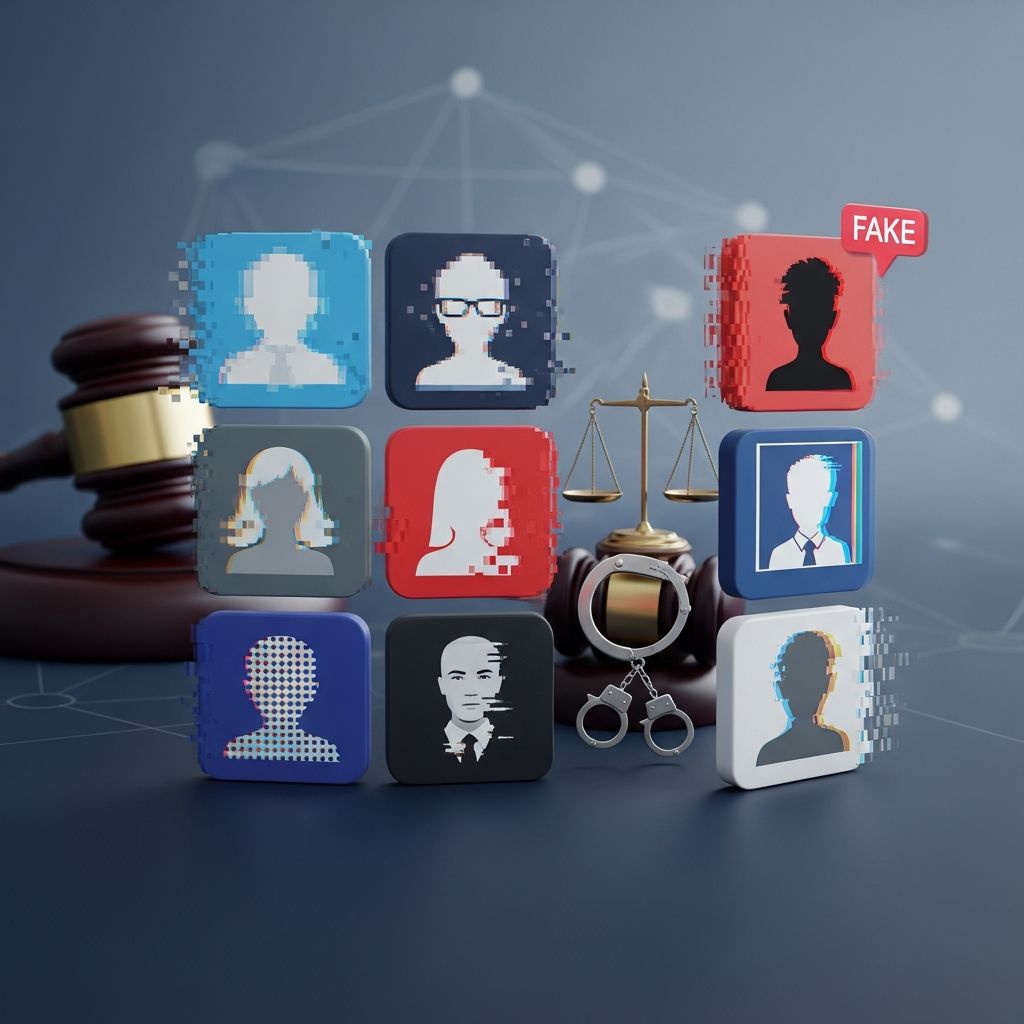
Fake social media profiles raise significant legal questions, balancing free speech with protections against harm like defamation, harassment, and fraud. While not all fabricated accounts are illegal, many lead to serious consequences depending on intent and impact.
The Growing Problem of Digital Impersonation
In today’s interconnected world, social media platforms host billions of users, making them prime targets for impersonation. Creating a profile mimicking someone’s identity without permission can erode trust, damage reputations, and enable scams. Victims often discover imposters interacting with their networks, spreading misinformation, or soliciting funds under false pretenses.
Statistics highlight the scale: platforms like Facebook and Instagram routinely suspend millions of fake accounts annually. However, enforcement gaps persist, leaving individuals vulnerable. Common motives include revenge, financial gain, or harassment, amplifying real-world harms such as job loss or emotional distress.
When Does Creating a Fake Profile Cross into Illegality?
Not every parody or anonymous account violates the law. Courts distinguish between harmless satire—clearly labeled as such—and deceptive impersonation causing harm. Legality hinges on jurisdiction, intent, and outcomes like fraud or defamation.
- Fraudulent Use: Posing as someone to scam money or goods triggers criminal charges under federal wire fraud statutes.
- Harassment: Repeated targeted abuse via fake profiles can constitute cyberstalking, punishable by fines and imprisonment.
- Defamation: Spreading false statements harming reputation opens doors to civil lawsuits.
State-specific laws add layers. For instance, California Penal Code Section 528.5 criminalizes online impersonation with intent to harm, threatening up to one year in jail and $1,000 fines. Texas similarly penalizes knowing impersonation causing harm.
Police and Fake Profiles: A Law Enforcement Tool
Paradoxically, authorities frequently employ fake profiles for investigations without warrants. In United States v. Gatson, a U.S. District Court upheld evidence from an undercover Instagram account ‘friended’ by a burglary suspect. The defendant posted stolen goods photos visible to ‘friends,’ including officers, ruling this as consensual sharing outside Fourth Amendment protections.
Such tactics bypass privacy settings if users accept connections. Courts view accepted friend requests as voluntary disclosure, not searches requiring warrants. From 2010-2012, over 1,000 cases incorporated social media evidence, often via subpoenas to platforms without user notification. Platforms like Facebook now require subpoenas or warrants but notify users when possible, per Electronic Frontier Foundation reports.
Civil Liabilities: Beyond Criminal Penalties
Fake profiles invite civil actions even if not criminal. Defamation suits thrive online, where posts persist indefinitely. Courts pierce anonymity via subpoenas to platforms, IP tracing, or VPN logs.
Consequences include:
| Potential Penalty | Description |
|---|---|
| Monetary Damages | Compensation for reputational harm, lost wages, emotional distress |
| Legal Fees | Payment of plaintiff’s attorney costs if defendant loses |
| Retraction Orders | Public apologies or post deletions mandated by court |
| Injunctions | Bans on further impersonation or similar conduct |
Intent evidenced by fake account use strengthens malice claims, escalating awards. Insurance and employment disputes also leverage social media evidence.
Steps to Combat Impersonation as a Victim
Swift action minimizes damage. Follow this structured approach:
- Document Everything: Screenshot profiles, posts, interactions, and harms like lost opportunities.
- Search Extensively: Use platform tools and reverse image searches to find all duplicates.
- Secure Accounts: Enable two-factor authentication, review privacy settings, and monitor linked emails.
- Report to Platforms: Use in-app reporting for impersonation; Facebook and Instagram prioritize verified claims.
- Issue DMCA Notices: For stolen images or content, demand takedowns under copyright law.
- Contact Law Enforcement: Escalate to police, FBI, or FTC for crimes like extortion.
- Consult Attorneys: Specialists in online reputation can pursue removals and lawsuits.
Preserving evidence is crucial, as platforms may delete accounts post-report.
Platform Policies and Their Enforcement
Social media giants prohibit fake profiles in terms of service. Facebook’s policy bans ‘inauthentic behavior,’ allowing suspensions without appeal. Yet, enforcement varies; high-profile victims fare better.
Legal recourse supplements platform actions. Victims can subpoena user data or sue for breach if platforms fail to act reasonably.
Defamation and Fake Accounts: A Perfect Storm
Anonymous posts don’t shield from liability. Defamation requires false statements of fact harming reputation, published to third parties. Fake profiles amplify reach, but discovery methods abound: subpoenas compel platform logs, geolocation data, and device info.
Cases like U.S. v. Meregildo affirm access via ‘friends,’ even cooperators. Criminal defamation arises for threats or false crime accusations.
International Perspectives and Evolving Laws
U.S. laws lead, but global variations exist. EU’s GDPR enhances privacy, mandating swift impersonation removals. Emerging federal bills target deepfakes and bots.
Courts balance First Amendment rights; pure parody survives if non-deceptive.
Preventive Measures for Users and Businesses
Proactive steps reduce risks:
- Watermark personal photos.
- Limit friend approvals to known contacts.
- Monitor mentions via alerts.
- Educate on recognizing scams.
- For brands, trademark profiles promptly.
Businesses face amplified threats; employee monitoring policies must comply with privacy laws.
Frequently Asked Questions (FAQs)
Is it illegal to make a parody account of a celebrity?
No, if clearly satirical and not misleading. Labels like ‘parody’ protect under free speech.
Can police create fake profiles without a warrant?
Yes, for public or ‘friended’ content, as ruled in cases like U.S. v. Gatson.
What if impersonation leads to financial loss?
Pursue fraud charges and civil suits for damages.
How long do I have to report a fake profile?
Act immediately; statutes of limitations for defamation vary by state, often 1-3 years.
Will a VPN hide my identity in a lawsuit?
No, courts subpoena providers for logs.
Broader Implications for Online Society
Fake profiles erode platform trust, fueling misinformation and polarization. As AI advances, deepfake profiles loom, demanding legislative evolution. Users must prioritize verification; platforms invest in AI detection.
Ultimately, while technology enables deception, robust laws and vigilant enforcement provide remedies. Awareness empowers safer digital navigation.
References
- Fake Social Media Account by Police Allowed Without Warrant — The National Trial Lawyers. 2014-12-15. https://thenationaltriallawyers.org/article/social-media/
- How to Deal With Social Media Impersonation — Minc Law. Accessed 2026. https://www.minclaw.com/social-media-impersonation/
- Why Posting from a Fake Account Won’t Protect You — Scaringi Law. 2025-04. https://www.scaringilaw.com/blog/2025/april/why-posting-from-a-fake-account-wont-protect-you/
Similar Articles








Read full bio of Sneha Tete


