
Handling Unauthorized Surveillance at Your Residence
Discover practical steps and legal protections when someone is secretly monitoring your home without permission.
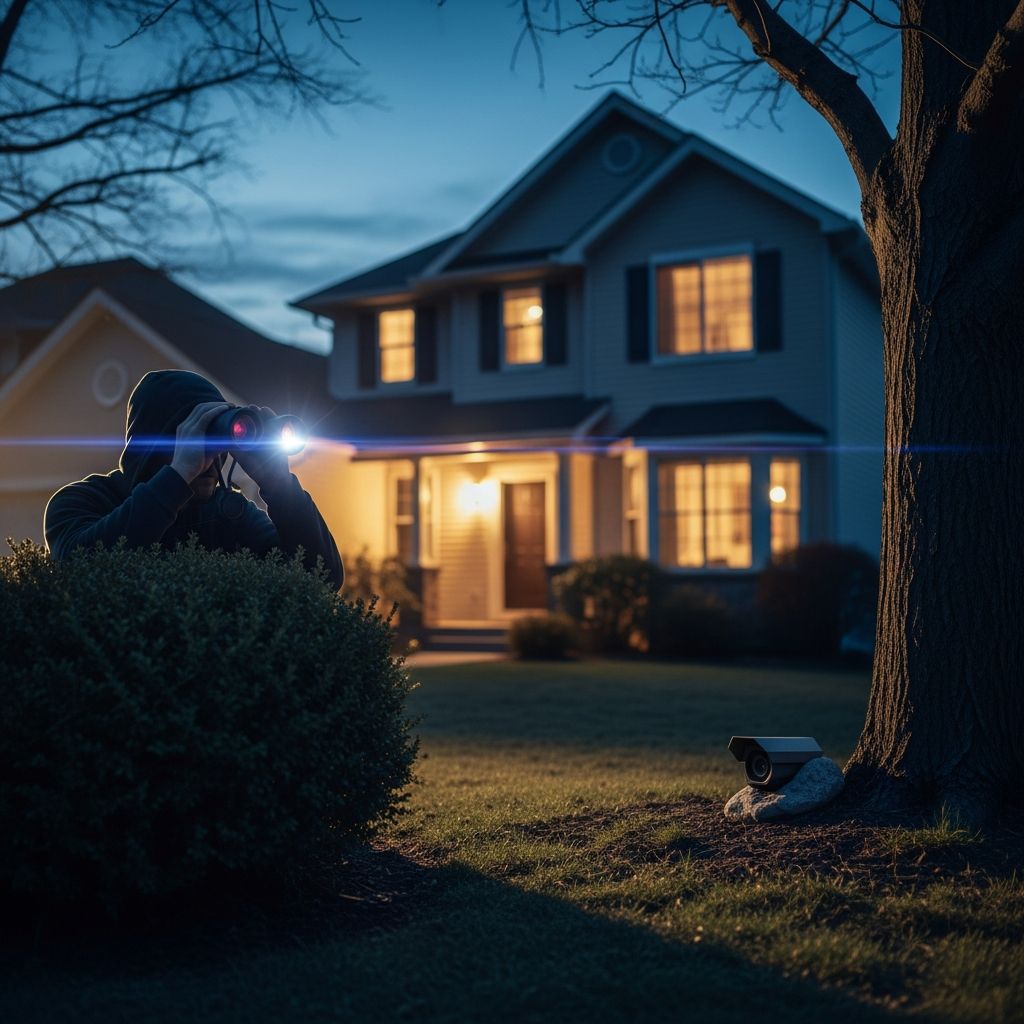
Unauthorized surveillance, often referred to as having a ‘watcher’ on your property, poses serious threats to personal privacy and security. Homeowners may discover hidden cameras, persistent observers, or other monitoring devices installed without consent, prompting immediate action to reclaim control. This comprehensive guide outlines detection methods, legal frameworks, preventive measures, and resolution strategies grounded in established property and privacy principles.
Recognizing Signs of Unwanted Monitoring
Spotting surveillance begins with vigilance. Unusual activities around your home, such as unfamiliar vehicles parked repeatedly or strangers lingering near boundaries, signal potential watchers. Indoors, look for small lenses in smoke detectors, clocks, or outlets—common disguises for spy cams. Outdoor indicators include new wiring along eaves, unfamiliar devices on utility poles, or drone activity patterns.
- Behavioral cues: Neighbors reporting suspicious individuals or your pets reacting anxiously to specific areas.
- Physical evidence: Tiny holes in walls, unexpected Wi-Fi networks named oddly (e.g., ‘Foscam’ or ‘IPCam’), or blinking LEDs in low-light conditions.
- Digital hints: Unexplained data usage spikes on your router or alerts from smart home systems about unknown access.
Conduct a systematic sweep: use a flashlight at night to spot reflections from lenses and a radio frequency (RF) detector for wireless signals. Apps like Fing can scan for rogue devices on your network. Professional sweeps by licensed private investigators cost $500–$2,000 but provide thorough assurance.
Privacy Rights and Legal Foundations
Your home is your castle, protected by constitutional and statutory privacy rights. The Fourth Amendment guards against unreasonable searches, extending to private property via state laws. Most jurisdictions criminalize video surveillance in areas with a ‘reasonable expectation of privacy,’ like bedrooms and bathrooms.
| State/Example | Key Statute | Prohibited Acts |
|---|---|---|
| California | Cal. Penal Code § 647(j) | Unauthorized recording in private areas; voyeurism penalties up to 1 year jail. |
| Texas | Texas Penal Code § 21.15 | Invasive visual recording; felony if in dwellings. |
| New York | N.Y. Penal Law § 250.45 | Unlawful surveillance; misdemeanor with civil remedies. |
| Federal (Wiretap Act) | 18 U.S.C. § 2511 | Audio interception without consent in private settings. |
Property owners hold rights against trespass for surveillance setups. Civil claims like invasion of privacy (intrusion upon seclusion) allow damages for emotional distress. Always distinguish consensual monitoring (e.g., your own security cams) from illicit ones.
Immediate Response Protocols
Upon suspicion, prioritize safety: avoid confronting suspects directly to prevent escalation. Document everything meticulously—photos, videos, timestamps, license plates. Notify local law enforcement via non-emergency lines, providing evidence for a police report. This creates an official record essential for later claims.
- Secure your perimeter: Install motion lights, trim sightlines with fences or plants, and upgrade locks.
- Engage professionals: Hire a licensed PI or tech expert for device detection; tamper-evident seals on utilities deter reinstallation.
- Digital fortification: Change all Wi-Fi passwords, enable WPA3 encryption, and monitor network traffic.
Preserve evidence chain-of-custody: Label items with dates and do not disturb scenes until authorities arrive.
Navigating Disputes with Neighbors or Contractors
Common scenarios involve nosy neighbors with overreaching cameras or ex-partners installing trackers post-breakup. Communicate first: Send a certified letter demanding cessation, citing specific laws. If ignored, escalate to small claims for injunctions or damages (filing fees ~$50–$300).
For shared properties like HOAs, review covenants; many restrict surveillance angles. Drones add complexity—FAA rules limit low-altitude flights over private land without consent, with state anti-stalking laws applying.
Technological Tools for Detection and Deterrence
Leverage tech to fight back. RF detectors ($20–$200) identify wireless cams; lens finders use infrared to reveal glass elements. Thermal cameras spot heat from operating devices. For ongoing deterrence:
- Smart floodlights with AI motion detection that record intruders.
- Jam-resistant alarms linked to apps for real-time alerts.
- Privacy film on windows blocking visible and IR spectrum spying.
Counter-drone systems, legal in some states for homeowners, disrupt unauthorized UAVs. Always verify local ordinances to avoid violations.
Legal Recourse and Remedies
When documentation mounts, pursue remedies:
- Criminal charges: Trespass, stalking, or privacy invasion; prosecutors handle, potentially leading to arrests.
- Civil suits: Sue for actual damages (e.g., inspection costs), punitive awards, and attorney fees under privacy torts.
- Injunctions: Court orders to remove devices and cease monitoring.
Statute of limitations varies (1–3 years); consult attorneys via state bar referrals. Low-income aid from legal aid societies available. Success rates high with solid evidence—e.g., a 2023 California case awarded $45,000 for neighbor’s hidden cam.
Preventive Strategies for Long-Term Peace
Proactive measures minimize risks:
- Annual property audits for vulnerabilities.
- Visible signage: ‘This Property Monitored by Video Surveillance.’
- Neighborhood watches sharing alerts on apps like Nextdoor.
- Smart contracts for house sitters explicitly banning unauthorized guests/devices (see sample agreements for clauses on cameras requiring consent).
For rentals or sales, written ‘house sitting’ pacts clarify non-tenant status, avoiding eviction hassles. Insist on declarations of existing surveillance.
Frequently Asked Questions
Is it legal for neighbors to point cameras at my backyard?
Generally no, if capturing private areas without consent. Angle adjustments or privacy fences resolve most issues; persistent cases warrant legal notices.
What if the watcher is a former tenant?
They may retain access keys or grudges; change locks immediately and pursue unlawful surveillance charges if devices found.
Can I remove a camera on my property myself?
Yes, but photograph first and report to police to preserve evidence; tampering risks counter-claims.
Do house sitting agreements cover surveillance?
Comprehensive ones require disclosure of cameras and sitter consent, plus no-sublet clauses to prevent unauthorized watchers.
How much does a surveillance sweep cost?
$300–$1,500 depending on home size; worthwhile for peace of mind and insurance claims.
Empowering Homeowners Against Intruders
Reclaiming privacy demands swift, informed action. By blending awareness, technology, and law, homeowners deter watchers effectively. Stay vigilant—your sanctuary deserves protection.
References
- House Sitting Agreement Template — MindMyHouse. Accessed 2026. https://www.mindmyhouse.com/assets/downloads/house_sitting_agreement.pdf
- House Sitting Guide — HouseCarers. Accessed 2026. https://www.housecarers.com/housesitting-guide.cfm
- California Penal Code § 647(j) – Disorderly Conduct: Invasion of Privacy — California Legislative Information (.gov). 2024-01-01. https://leginfo.legislature.ca.gov/faces/codes_displaySection.xhtml?lawCode=PEN§ionNum=647
- Texas Penal Code Chapter 21 – Sexual Offenses — Texas Statutes (.gov). 2025-09-01. https://statutes.capitol.texas.gov/Docs/PE/htm/PE.21.htm
- 18 U.S.C. § 2511 – Interception and disclosure of wire, oral, or electronic communications prohibited — U.S. Code (.gov). 2023-12-01. https://www.law.cornell.edu/uscode/text/18/2511
Similar Articles








Read full bio of Sneha Tete


