
Avoiding Government Impostor Scams Online and by Phone
Learn how to spot, avoid, and report scammers who pretend to be government officials demanding money or personal information.
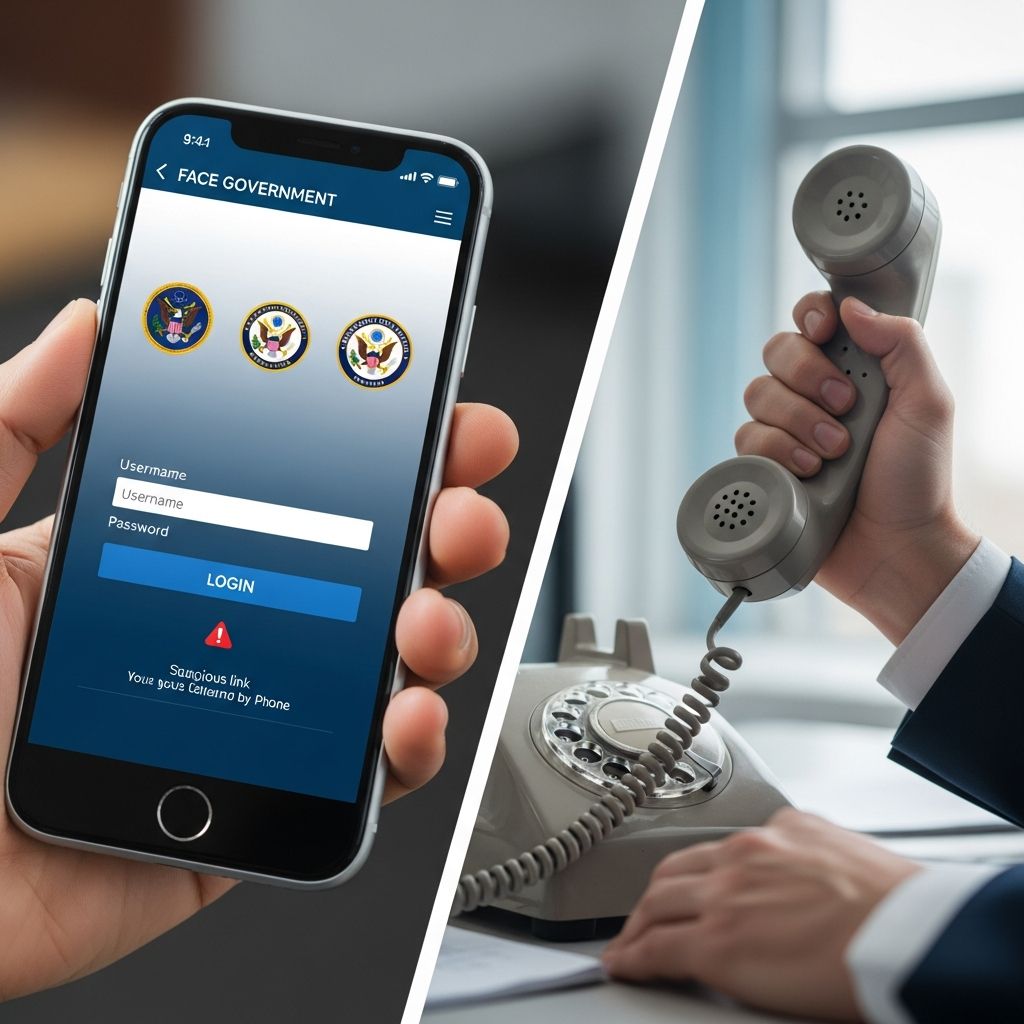
Scammers often pretend to be from trusted government agencies to pressure people into paying fake fees, revealing personal information, or handing over control of their accounts. These government impostor scams are common, sophisticated, and can cost victims money, privacy, and peace of mind.
This guide explains how these scams work, warning signs you should never ignore, safe steps to take if you are contacted, and how to report what happened so agencies can investigate and warn others.
1. What Is a Government Impostor Scam?
A government impostor scam happens when a scammer contacts you while pretending to be from a legitimate government body, such as a federal, state, or local agency. Their goal is to trick you into:
- Paying a supposed fine, fee, or tax that you do not owe
- Providing sensitive personal or financial information
- Clicking on malicious links or opening harmful attachments
- Allowing remote access to your devices or accounts
Many scams misuse the names of well-known agencies because people tend to respond quickly when they think a government office is involved.
2. How Scammers Usually Contact You
Government impostor scams can arrive through almost any communication channel. Knowing common tactics helps you react calmly instead of being rushed into a mistake.
2.1 Common Contact Methods
- Phone calls or robocalls with spoofed caller ID that appears to show a government office or a Washington, DC area code
- Text messages claiming urgent problems with your benefits, taxes, or identity records
- Emails that copy logos and language from real agencies and include fake case numbers or reference codes
- Social media messages from accounts that appear to belong to government programs or officials
- Letters or notices that look official but direct you to call a scam phone number or visit a phishing website
Scammers often combine methods: for example, they may send a letter first and then call to “follow up,” using details from the letter to sound more persuasive.
2.2 Typical Stories Scammers Use
Although the details change, impostors usually rely on a few main themes:
- Threats and emergencies – claims that you face arrest, legal action, loss of benefits, or immigration problems unless you act immediately
- Refunds and prizes – promises of tax refunds, grants, or benefits that supposedly require a “processing fee” or your bank details
- Verification requests – instructions to “confirm” your Social Security number, bank account, or online banking credentials for security purposes
- Account compromise – warnings that your identity has been stolen and that you must move money to a “safe” account controlled by the scammer
These stories are designed to get a quick emotional reaction so you respond before you have time to think critically.
3. Red Flags: Signs It Is Not Really the Government
Real government agencies follow strict procedures and do not rely on threats or fear. When you see any of the warning signs below, treat the contact as suspicious.
3.1 Demands for Immediate Payment
- Pressure to pay right away to avoid arrest, deportation, or legal charges
- Refusal to let you hang up or call back through an official number
- Warnings not to speak with anyone else, including your bank or family
Federal agencies do not demand instant payment over the phone or threaten to send the police if you do not pay on the spot.
3.2 Unusual or Unsafe Payment Methods
Scammers prefer methods that are fast, hard to trace, and difficult to reverse. Common examples include:
- Gift cards for major retailers or online stores
- Cryptocurrency transfers, including Bitcoin or similar assets
- Wire transfers or person-to-person payment apps
- Prepaid debit cards or cash reload cards
Legitimate government offices do not require payment in gift cards or cryptocurrency. Requests for these methods are a strong sign of fraud.
3.3 Requests for Sensitive Information
- Full Social Security number, date of birth, and bank account numbers
- Online banking or government benefits account usernames and passwords
- Two-factor authentication codes sent to your phone or email
Real agencies already have your identifying information if they legitimately work with you, and they will not ask for passwords or security codes.
3.4 Suspicious Contact Details or Links
- Email addresses from free mail services or domains that are similar to, but not exactly, an official .gov domain
- Phone numbers that differ from published contact numbers on official websites
- Links that do not clearly lead to a secure government website (for example, no “.gov” at the end of the domain)
The safest way to check contact details is to use information directly from a government agency’s official website, not from the call, email, or letter you received.
4. How Real Government Agencies Communicate
Understanding what legitimate government communication looks like makes it easier to spot scams.
| Real Government Contact | Impostor Scam Contact |
|---|---|
| May mail letters first and provide verified ways to respond | Often starts with a surprise call, text, or email demanding quick action |
| Does not threaten arrest over the phone for nonpayment | Uses aggressive threats of arrest, deportation, or lawsuits |
| Uses secure payment portals or established channels | Requires payment by gift card, wire transfer, or cryptocurrency |
| Directs you to official .gov websites for details | Sends links to unfamiliar or look-alike websites |
| Allows you time to review and respond | Insists you act immediately and keep the contact secret |
Agencies such as the Federal Trade Commission explain that they do not call to threaten people or demand money, and they encourage consumers to report suspicious contacts so patterns can be identified and stopped.
5. What to Do If You Receive a Suspicious Call, Message, or Email
If you suspect you are dealing with a government impostor, the most important step is to slow down and refuse to follow any instructions until you independently verify what is happening.
5.1 Immediate Safety Steps
- Hang up the phone or stop responding to the message.
- Do not click links, open attachments, or download files.
- Do not provide any personal or financial information.
- Do not send money, buy gift cards, or move funds to new accounts.
5.2 Verify Using Trusted Sources
To confirm whether a contact is legitimate:
- Find the agency’s official website (ending in .gov) and look up contact phone numbers or secure online portals.
- Call using phone numbers from the official site, not the number given by the caller or in the message.
- If the contact mentions an existing account (for example, taxes or benefits), log in directly through the agency’s official site or app instead of using provided links.
Consumer protection agencies emphasize that you should trust independently sourced contact information, not what appears in a potentially fraudulent communication.
5.3 Protecting Your Accounts and Devices
If you clicked a link, downloaded an attachment, or shared information before you recognized the scam, take these steps as quickly as possible:
- Change passwords for any accounts that might be affected, especially email and financial accounts.
- Turn on multi-factor authentication if it is not already enabled.
- Contact your bank or card issuer to alert them and ask about fraud protections and monitoring.
- Run a reputable security scan on your devices and update your operating system and security software.
6. Reporting Government Impostor Scams
Reporting scams helps law enforcement agencies spot trends, disrupt fraudulent operations, and warn other potential victims. Even if you did not lose money, your report still adds valuable information.
6.1 How to Report to Federal Agencies
- Federal Trade Commission (FTC) – The FTC accepts reports of fraud, including government impostor scams, through its online complaint tools. These reports help the agency bring cases and publish educational materials for the public.
- Agency named in the scam – If the impostor claimed to represent a specific department (for example, a tax or benefits program), you can also notify that agency through contact information on its official website.
6.2 Local and Other Reporting Options
- State and local consumer protection offices – Many states have consumer protection divisions or attorneys general who accept fraud reports and may take enforcement actions.
- Local law enforcement – Your police department may not be able to recover lost funds, but your report can assist broader investigations and provide documentation for financial institutions.
When you report, include as many details as you can: dates, times, phone numbers, email addresses, websites, messages, and any payments sent. Documentation makes it easier to trace scam operations.
7. Preventive Habits to Reduce Your Risk
You cannot stop scammers from contacting you, but you can make it much harder for them to succeed. A few consistent habits offer strong protection over time.
7.1 Strengthen Your Digital Security
- Use strong, unique passwords for email, banking, and government accounts.
- Enable multi-factor authentication whenever it is available.
- Keep your devices and software updated to reduce the risk of malware.
- Review privacy and security settings on social media to limit how much personal data is public.
7.2 Review Financial and Benefits Information Regularly
- Check bank and card statements for unfamiliar transactions.
- Monitor your benefits accounts directly through official portals.
- Consider reviewing your credit reports periodically to look for signs of identity theft.
Consumer protection regulators advise reviewing accounts on a regular schedule so you can respond quickly if something looks wrong.
7.3 Talk with Family and Friends
Scammers often target people who may be more isolated or trusting, including older adults. Open conversations can help relatives and friends feel comfortable asking questions if they receive suspicious contacts.
- Share examples of scams and explain why they are fake.
- Encourage loved ones to hang up and call you if someone pressures them to pay immediately.
- Remind them that it is always acceptable to double-check before sending money or information.
8. Quick Reference Checklist
Use this checklist the next time someone contacts you claiming to be from the government.
- Were you expecting this contact?
- Is there pressure to act right away?
- Are they asking for gift cards, cryptocurrency, or wire transfers?
- Do they want passwords, security codes, or full account numbers?
- Does the phone number, email, or website match official .gov information you found yourself?
If the answer raises doubts on any of these points, stop and verify independently. When in doubt, hang up, do not click, and contact the agency using information from its official website.
Frequently Asked Questions (FAQs)
Q1: Can a real government agency ever call me?
Yes, some agencies may call about specific issues, but they do not demand immediate payment by gift card, wire transfer, or cryptocurrency, and they will not threaten arrest over the phone if you refuse to pay.
Q2: What should I do if I already paid a scammer?
Contact your bank, card issuer, or payment platform immediately to report the transaction as fraud and ask whether it can be reversed. Then report the scam to consumer protection agencies so they have information that may help others.
Q3: Is a caller ID showing a government number proof that the call is real?
No. Caller ID can be spoofed, meaning scammers can make it look like a government office is calling even when it is not. Always verify using contact information from an official website.
Q4: How can I confirm whether I truly owe money to a government agency?
Do not rely on phone numbers or links provided in the call or message. Instead, go directly to the agency’s official website, log in to your online account if you have one, or call a published contact number to ask about your status.
Q5: I keep getting robocalls about supposed government programs. How can I reduce them?
You can use call-blocking tools offered by phone providers or third-party services, avoid answering unknown numbers when possible, and report unwanted calls to consumer protection agencies so they can track abusive robocall operations.
References
- Bureau of Consumer Protection — Federal Trade Commission. 2024-10-01. https://www.ftc.gov/about-ftc/bureaus-offices/bureau-consumer-protection
- Consumer Protection — Federal Trade Commission. 2025-05-15. https://www.ftc.gov/consumer-protection
- Rules — Federal Trade Commission. 2025-03-20. https://www.ftc.gov/legal-library/browse/rules
- Consumer Protection Laws and Regulations: USA 2025 — ICLG / Global Legal Group. 2025-04-09. https://iclg.com/practice-areas/consumer-protection-laws-and-regulations/usa
- 2025 Consumer Protection Federal Priorities — National Consumer Law Center. 2025-01-10. https://www.nclc.org/resources/2025-consumer-protection-federal-priorities/
Similar Articles








Read full bio of medha deb


