
Amusement Park Injuries: Risks and Legal Options
Discover common causes of amusement park injuries, safety statistics, and your legal rights after an accident at theme parks or fairs.
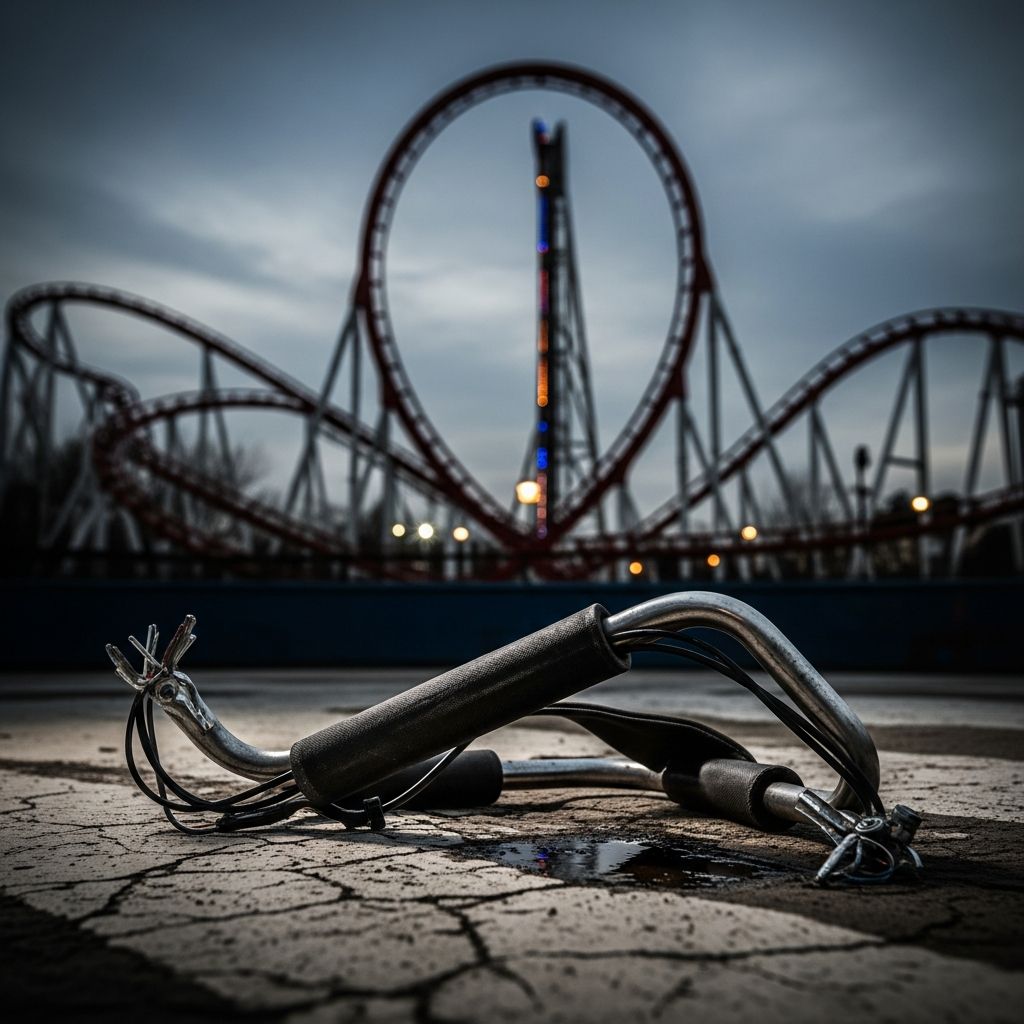
Amusement parks promise excitement with thrilling rides, water attractions, and family fun, but they also harbor significant risks. Each year, thousands sustain injuries ranging from minor bruises to life-altering trauma due to preventable hazards. Understanding these dangers empowers visitors to stay safer and equips injury victims with knowledge to seek justice.
Shocking Statistics on Ride-Related Harm
Amusement park accidents, though statistically rare, impact many lives. The odds of serious injury on a fixed-site ride stand at about 1 in 15.5 million rides, yet the human cost remains high when incidents occur. In 2016 alone, roughly 30,000 injuries were reported across the U.S., highlighting the scale of the issue.
- Children account for approximately 50% of ride-related injuries, often from falls or impacts.
- From 1987 to 2000, the U.S. Consumer Product Safety Commission (CPSC) documented 51 deaths, mostly on roller coasters and spinning rides.
- Water slides led incidents with 1,647 injuries between 2011 and 2016, surpassing other attractions.
- Annual serious injuries exceed 1,000, with over 100 classified as severe.
These figures underscore that while parks invest in safety, gaps persist, particularly at mobile fairs where assembly errors amplify risks.
Primary Mechanical Failures Behind Tragedies
Mechanical breakdowns top the list of culprits, often stemming from neglected maintenance. Exposed wires, faulty brakes, or unsecured parts can eject riders or cause collisions. Roller coasters, with their high speeds, contribute to 10.2% of injuries, while whirling rides and water features pose fatality risks.
| Ride Type | Injury Rate/Stats | Common Mechanical Issue |
|---|---|---|
| Roller Coasters | 10.2% of injuries | Brake failures, loose rails |
| Water Slides | 1,647 injuries (2011-2016) | Structural cracks, pump malfunctions |
| Spinning Rides | High fatality association | Lap bar defects, motor overloads |
| Ferris Wheels | Notable deaths | Cable snaps, cabin locks |
Design flaws exacerbate these problems, such as inadequate restraints that fail under G-forces. Parks must adhere to standards from bodies like the International Association of Amusement Parks and Attractions (IAAPA), but shortcuts lead to disasters.
Human Factors: Operator Mistakes and Training Gaps
Operator errors rival mechanical issues, accounting for a primary share of accidents. Rushed checks might overlook unlatched harnesses or override safety interlocks, launching rides prematurely. Inadequate training, language barriers among seasonal staff, or high-pressure environments from crowds compound risks.
- Failing to secure restraints properly.
- Abrupt stops or starts causing whiplash.
- Ignoring height/weight restrictions or health warnings.
- Poor emergency response during malfunctions.
At overcrowded parks, operators juggle multiple duties, missing critical pre-ride inspections. This human element turns routine operations risky, especially on high-throughput attractions.
Ground-Level Dangers Beyond the Rides
Injuries aren’t confined to attractions; walkways, queues, and facilities claim many victims. Slippery surfaces from spills, water rides, or cleaning agents cause 32% of child accidents via falls.
Other ground hazards include:
- Cracked pavement, uneven boards, or poorly lit paths leading to trips, especially at night.
- Missing or weak handrails on stairs and platforms, turning stumbles into plunges.
- Crowded exits fostering crushes or stampedes post-shows.
- Chemical exposures from lubricants or cleaners causing respiratory issues.
Security lapses, like untrained guards escalating conflicts or unmonitored dark areas, invite assaults or thefts amid chaos.
Rider Responsibilities and Contributory Fault
Not all incidents blame the park; guest actions contribute significantly. Rider misconduct, such as standing mid-ride, rocking cars, or bypassing rules, leads to ejections or collisions.
- Ignoring posted restrictions (e.g., height minimums).
- Consuming alcohol before rides, impairing judgment.
- Not reporting medical conditions like heart issues.
Laws like New York’s CPLR Section 1411 allow recovery despite shared fault, reducing awards proportionally. Investigations dissect multi-factor chains, from rider behavior to park oversight.
Navigating Legal Recourse After an Injury
If harmed, act swiftly. Document everything: photos of the scene, injuries, witness contacts, and ride logs. Seek medical care immediately, as delayed symptoms like concussions emerge later.
- Report the incident to park staff for an official record.
- Preserve evidence like clothing or tickets.
- Contact a personal injury attorney experienced in premises liability.
- File claims against negligent parties, potentially including manufacturers for defects.
Parks owe a duty of care under negligence laws, breaching it via poor maintenance or supervision. Compensation covers medical bills, lost wages, pain, and long-term care. Statutes of limitations vary by state, often 1-3 years, so delay harms cases.
Prevention Strategies for Safer Visits
Visitors can mitigate risks:
- Obey all signs and attendant instructions.
- Choose age-appropriate rides; supervise children closely.
- Wear secure clothing and footwear; avoid loose items.
- Report hazards immediately to staff.
- Visit reputable fixed-site parks over mobile setups when possible.
Parks should prioritize rigorous inspections, staff training, and crowd management. Regulatory oversight from CPSC and state agencies enforces standards, but vigilance remains key.
Frequently Asked Questions (FAQs)
What rides are most dangerous?
Roller coasters, water slides, and spinning rides top fatality and injury lists due to speed and forces involved.
Can I sue if I contributed to the accident?
Yes, under comparative negligence rules in many states, you may recover reduced damages based on fault percentage.
How often do amusement park deaths occur?
From 1987-2000, about 4.5 deaths yearly; modern figures remain low but impactful.
Are mobile fair rides riskier?
Yes, frequent setup/teardown heightens mechanical failure chances compared to permanent parks.
What should I do right after an injury?
Get medical help, document evidence, report to management, and consult a lawyer promptly.
References
- Hazards & Causes of Amusement Park Injuries in New Jersey — NJ Legal Help. Accessed 2026. https://njlegalhelp.com/services/amusement-park-injuries/hazards-causes-amusement-park-injuries/
- Common Causes of Amusement Park Accidents — Horn Wright, LLP. Accessed 2026. https://www.hornwright.com/personal-injury/amusement-park-accidents/common-causes-of-amusement-park-accidents/
- The 5 Most Shocking Amusement Park Injury Statistics — Goldberg & Loren. Accessed 2026. https://goldbergloren.com/top-5-amusement-park-injury-statistics/
- When Are Amusement Parks Responsible for Injuries? — DiCindio Law, LLC. Accessed 2026. https://www.dmlawusa.com/blog/when-are-amusement-parks-responsible-for-injuries/
- Amusement Park Accidents and Injuries Statistics — BMW Law Group. Accessed 2026. https://bmwlawgroup.com/amusement-park-injury-statistics/
- Annual Safety Reports — IAAPA. Accessed 2026. https://iaapa.org/safety-security/ride-safety-report
- Amusement Ride Related Injuries and Deaths in the United States — U.S. Consumer Product Safety Commission (CPSC). 2001. https://www.cpsc.gov/s3fs-public/pdfs/amus2001.pdf
Similar Articles








Read full bio of Sneha Tete


