
The Crisis in Youth Civil Rights and Systemic Reform
Exposing systemic failures in child welfare, justice, and healthcare.
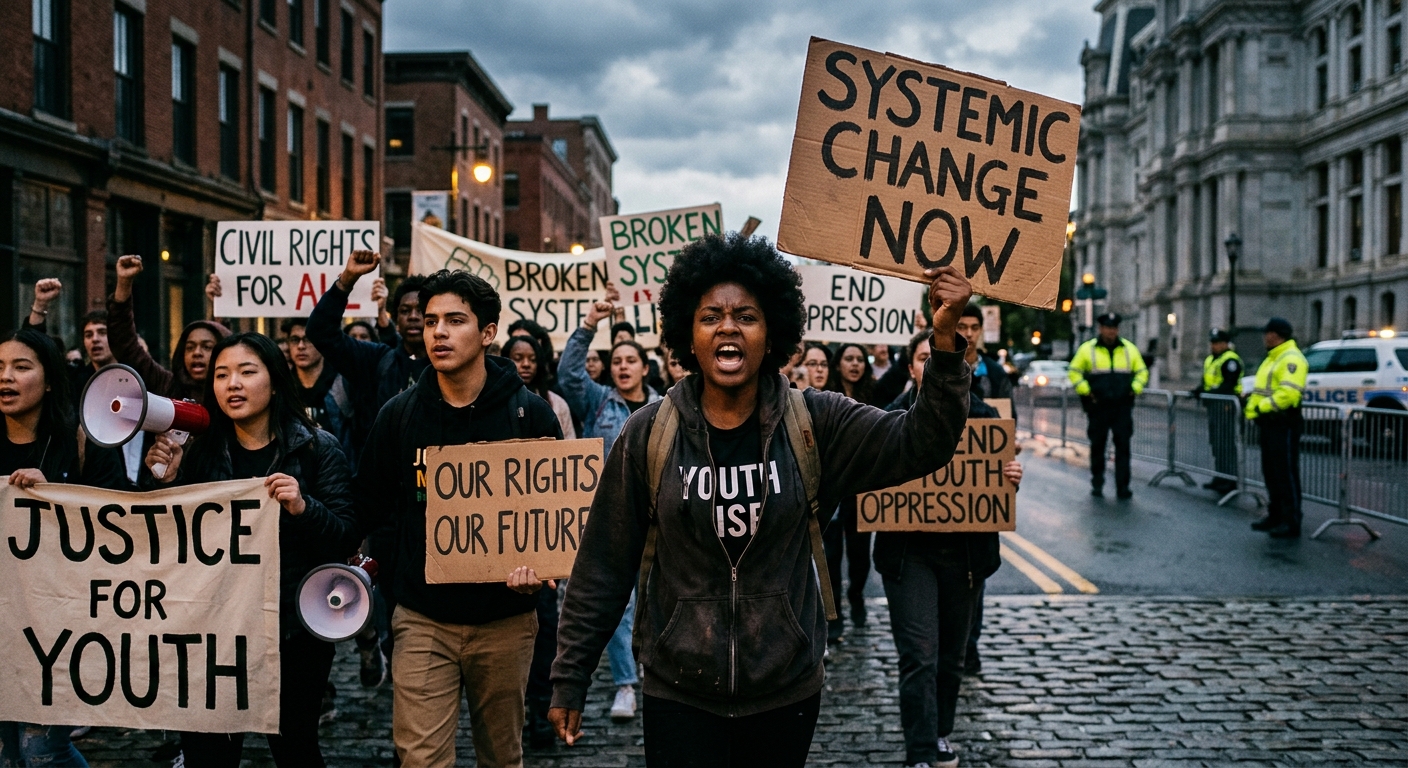
The Illusion of Institutional Protection: A Crisis in Youth Civil Rights
The foundational premise of any advanced society rests on its moral and legal obligation to protect its most vulnerable population: its children. Across the United States, an expansive network of institutions—encompassing child welfare, juvenile justice, and behavioral healthcare—was established with the explicit mandate to safeguard youth. However, a critical examination of these state and federal systems reveals a deeply unsettling reality. Instead of serving as sanctuaries for rehabilitation and care, these bureaucratic structures frequently function as environments of compounded trauma, civil rights violations, and systemic neglect.
From family separation policies that unnecessarily sever familial bonds to the over-incarceration of adolescents, millions of children find their fundamental human rights compromised by the very mechanisms designed to defend them. This pervasive indifference to the civil rights of youth is not merely an administrative failure; it is a profound human rights crisis. When the state intervenes in the life of a minor, the outcomes should definitively serve the child’s best interests. Yet, data and historical patterns show a cycle of systemic harm that disproportionately impacts marginalized communities. Addressing this crisis requires an unyielding look at the legal and institutional failures currently dictating the lives of America’s youth.
Fractured Foundations: The Unseen Toll of Foster Care
The contemporary foster care apparatus often operates under the assumption that removing a child from a struggling household is the safest recourse. While emergency intervention is undeniably necessary in instances of severe, verifiable abuse, the default mechanism of forced family separation has created an overburdened, chronically unstable system. When children are removed from their biological families, they are simultaneously severed from their communities, educational support networks, and cultural identities.
The trauma of displacement is frequently exacerbated by the instability of the foster system itself. Many youths are bounced between multiple temporary placements, group homes, or institutional facilities, effectively denying them the permanency they desperately need for healthy psychological development. This lack of stable attachment figures has devastating long-term consequences on adolescent development.
According to research evaluating the physical and mental health of youths in out-of-home care, children placed in the foster system demonstrate significantly poorer health outcomes compared to the general population . These disparities are largely driven by a combination of early-life adversity and the ongoing trauma induced by systemic instability. Rather than healing the wounds of neglect, the institutionalization of children often introduces new layers of psychological distress, leaving many to age out of the system without the life skills, resources, or support networks required to thrive in adulthood. The result is a direct, measurable pipeline from foster care to chronic homelessness, substance dependency, and adult institutionalization.
The Tragedy of Custody Relinquishment and Mental Healthcare Disparities
The intersection of pediatric mental healthcare and child welfare represents one of the most glaring human rights failures in the modern era. Across the nation, parents of children with severe psychiatric, behavioral, or developmental needs routinely face an impossible dilemma due to glaring gaps in comprehensive healthcare coverage. When community-based treatments fail or prove financially inaccessible, the intensive residential therapies required to keep a child safe are often denied by private insurers and public health programs alike.
In a heartbreaking legal loophole known as “custody relinquishment,” parents are forced to surrender legal custody of their children to the state simply to access lifesaving behavioral health services . This legally mandated family separation occurs absent any abuse or neglect. It is a profound violation of family integrity, punishing loving caregivers for structural healthcare deficiencies and unnecessarily injecting children into the child welfare system.
Once in state custody, youth facing mental health crises are frequently met with over-medicalization rather than trauma-informed care. A disturbing trend within institutional settings is the reliance on heavy regimens of psychotropic medications. Rather than providing comprehensive cognitive or behavioral therapies designed to address the root causes of trauma, state facilities often utilize pharmaceutical interventions primarily as a method of behavioral control. Sedating vulnerable children to enforce compliance is a stark departure from the ethical delivery of medical care. This widespread mismanagement of pediatric mental health not only stifles emotional development but also exposes children to severe, long-term physiological side effects, underscoring a desperate need for a system that prioritizes authentic healing over administrative convenience.
Punitive Paradigms: Rethinking the Juvenile Justice Apparatus
The approach to youth infractions within the United States continues to lean heavily on punitive measures rather than restorative justice. The juvenile justice system, which processes hundreds of thousands of delinquency cases annually, is deeply intertwined with the educational system, creating the infamous “school-to-prison pipeline” . Minor behavioral infractions—such as truancy, insubordination, or schoolyard altercations—that were historically addressed through counseling or school-based mediation are now routinely criminalized, plunging children into a sprawling legal maze.
When minors are pushed out of educational environments and into the justice system, they are frequently subjected to conditions that mirror adult penitentiaries. Detention centers often lack adequate educational programming, robust psychological support, and rehabilitative services. Instead, youth are exposed to harsh disciplinary tactics, including isolation and solitary confinement, which have been proven to cause irreparable psychological harm to developing adolescent brains.
The long-term economic and social consequences of juvenile incarceration are staggering. The World Health Organization notes that child maltreatment and systemic trauma lead to severe downstream economic impacts, including prolonged mental health treatment and diminished societal contribution . Incarcerating a child significantly increases the likelihood of adult criminal justice involvement, proving that the current punitive paradigm is an ineffective deterrent. Transforming this system requires a complete overhaul of how society views adolescent behavior, moving away from a framework of punishment toward one of rehabilitation, community-based mentorship, and proactive trauma intervention.
Intersectionality in Systemic Failure: How Marginalized Youth Suffer Most
The failures of the child welfare, juvenile justice, and healthcare systems do not distribute their burdens equally. A rigorous examination of the demographic data reveals stark disparities, emphasizing how systemic racism, poverty, and prejudice intersect to disenfranchise specific youth populations across the country.
Black, Indigenous, and Hispanic children are disproportionately represented at nearly every intervention point within these state systems. They are more likely to be investigated for child abuse, more frequently removed from their homes, and consistently receive harsher sentences in juvenile courts compared to their white peers committing identical offenses. Similarly, LGBTQ+ youth face extraordinary vulnerabilities, particularly within the foster care system, where they often encounter discriminatory treatment and a higher risk of physical and emotional abuse within state-funded group homes.
To understand the full scope of these disparities, it is necessary to consider the multifaceted barriers facing marginalized children:
- Racial Profiling in Education: Higher rates of suspensions and expulsions for minority students, aggressively accelerating their early justice system involvement.
- Economic Inequality: Systemic poverty is frequently conflated with neglect by welfare agencies, leading to unwarranted family separations based on a lack of financial resources rather than malicious intent or abuse.
- LGBTQ+ Alienation: A severe lack of affirming foster placements forces many queer youths out of care and onto the streets, contributing heavily to the high percentage of LGBTQ+ adolescents experiencing chronic homelessness.
- Language and Immigration Barriers: Unaccompanied immigrant minors placed in federal custody often have to navigate complex legal proceedings and detention centers without adequate representation, familial support, or linguistic assistance.
Reimagining Our Approach: Pathways to Meaningful Reform
Dismantling the systemic indifference toward children’s civil rights requires aggressive, multi-pronged advocacy and legislative action. Society must shift its primary focus—and its financial investments—away from institutionalization and toward proactive family preservation. This transition means strengthening community-based resources, such as subsidized housing, accessible mental health clinics, and comprehensive family counseling, ensuring that parents have the tools and stability they need to raise their children safely at home.
Legislative reform is equally paramount. Lawmakers must act to eradicate the practice of custody relinquishment by mandating comprehensive insurance coverage for pediatric behavioral health across all states. Furthermore, strict regulatory oversight must be established to monitor the administration of psychotropic medications to youth in state custody, ensuring that chemical restraints are never utilized as a substitute for compassionate, individualized care.
In the realm of juvenile justice, jurisdictions must prioritize diversion programs over detention. Investing in restorative justice models, robust after-school programming, and trauma-informed educational environments can drastically reduce the number of youths unnecessarily entangled in the legal system. Legal accountability through civil rights litigation remains a crucial mechanism for forcing institutional compliance. By holding state agencies legally liable for constitutional violations, advocates can compel the systemic overhauls necessary to protect the dignity, safety, and humanity of all children.
Frequently Asked Questions About Children’s Rights in the U.S.
What is the school-to-prison pipeline?
The school-to-prison pipeline refers to national policies and practices that push students, particularly those from marginalized backgrounds, out of classrooms and directly into the juvenile and criminal justice systems. This phenomenon is often driven by zero-tolerance disciplinary policies and the heavy presence of law enforcement officers in educational settings.
How does the foster care system impact a child’s mental health?
Frequent relocations, separation from biological families, and potential exposure to further abuse in the foster system can lead to severe psychological trauma. Children in state care face much higher rates of anxiety, depression, and behavioral disorders compared to their peers who remain in stable, permanent homes.
What does “custody relinquishment” mean?
Custody relinquishment is an administrative and legal process where parents are forced to give up legal custody of their child to the state in order to access intensive mental, behavioral, or developmental healthcare services that they cannot afford out-of-pocket or secure through their private health insurance.
Why are minority children overrepresented in the child welfare system?
Systemic bias, cultural misunderstandings, and the dangerous conflation of poverty with neglect drive this overrepresentation. Marginalized families are more frequently reported to child protective services and face higher rates of family separation compared to wealthier, white families under similar circumstances.
What role does civil rights litigation play in youth justice?
Litigation serves as a powerful, necessary tool to hold government agencies accountable. Class-action lawsuits and civil rights claims can mandate court-ordered reforms, improved facility conditions, and the cessation of abusive practices within foster care and juvenile detention centers.
Conclusion
The overarching indifference toward the civil and human rights of America’s youth represents a critical failure of societal priorities. From the destabilizing impact of an overburdened foster care apparatus to the punitive nature of the juvenile justice system, millions of children are routinely subjected to institutional harm instead of healing. Meaningful, lasting change will only materialize when policymakers, legal advocates, and local communities unite to demand absolute accountability from the agencies tasked with youth protection. By championing family preservation, equitable healthcare access, and trauma-informed rehabilitation, society can finally forge a future where the rights, dignity, and boundless potential of every child are fiercely protected.
References
- Mental and Physical Health of Children in Foster Care — Kristin Turney, Christopher Wildeman (Pediatrics / PubMed). 2016-11-15. https://pubmed.ncbi.nlm.nih.gov/27753629/
- Prevalence and Characteristics of Children Entering Foster Care to Receive Behavioral Health or Disability Services — Office of the Assistant Secretary for Planning and Evaluation (ASPE), U.S. Department of Health and Human Services. 2025-01-13. https://aspe.hhs.gov/reports/prevalence-characteristics-children-entering-foster-care
- Juvenile Court Statistics, 2021 — Office of Juvenile Justice and Delinquency Prevention (OJJDP), U.S. Department of Justice. 2024-02-01. https://nij.ojp.gov/library/publications/juvenile-court-statistics-2021
- Child maltreatment — World Health Organization (WHO). 2026-05-08. https://www.who.int/news-room/fact-sheets/detail/child-maltreatment
Similar Articles








Read full bio of Sneha Tete


