
Workplace Discrimination Laws: Employee Rights Explained
Understand U.S. federal protections against employment discrimination, harassment, and retaliation for a fair workplace.
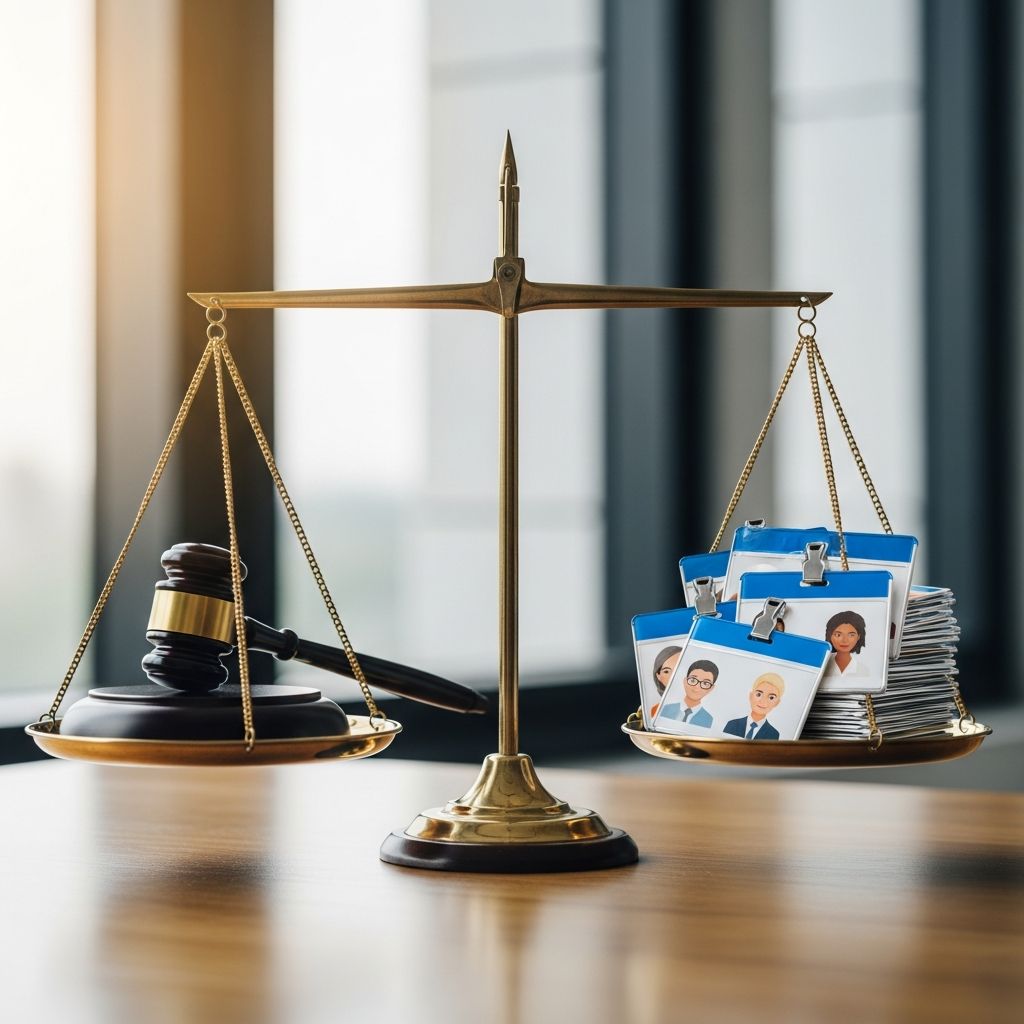
Federal laws in the United States establish strong safeguards against unfair treatment in employment settings. These statutes prohibit employers from discriminating against workers or applicants based on protected characteristics such as race, color, religion, sex, national origin, age, disability, or genetic information.
Core Federal Anti-Discrimination Statutes
The foundation of workplace protections stems from several landmark laws enforced primarily by the Equal Employment Opportunity Commission (EEOC). Title VII of the Civil Rights Act of 1964 is central, banning discrimination in all employment aspects—including hiring, firing, pay, promotions, and benefits—due to race, color, religion, sex (encompassing pregnancy, sexual orientation, and gender identity), or national origin.
Employers with 15 or more employees, along with unions and employment agencies, must comply. The law also forbids harassment creating a hostile work environment and retaliation against those reporting discrimination.
Equal Pay Protections
The Equal Pay Act of 1963 mandates equal compensation for men and women performing substantially equal work under similar conditions, regardless of sex. This applies to most employers without a minimum employee threshold.
Age-Based Safeguards
Individuals aged 40 and older receive protection under the Age Discrimination in Employment Act (ADEA) of 1967. This covers hiring, promotions, terminations, and benefits decisions influenced by age.
Disability Rights in Employment
The Americans with Disabilities Act (ADA) and Rehabilitation Act prohibit discrimination against qualified individuals with disabilities. Employers must provide reasonable accommodations unless they impose undue hardship.
Genetic and Pregnancy Protections
The Genetic Information Nondiscrimination Act (GINA) bars employers from using genetic information for employment decisions or requesting such data, except in limited cases. The Pregnancy Discrimination Act amends Title VII to protect against pregnancy-related bias.
Understanding Discrimination Types
Discrimination manifests as disparate treatment (intentional bias) or disparate impact (neutral policies disproportionately affecting protected groups). Both violate federal law.
- Disparate Treatment: Direct favoritism or hostility based on protected traits, like denying a promotion due to race.
- Disparate Impact: Policies like height requirements excluding certain nationalities without business necessity.
Harassment involves unwelcome conduct—verbal, physical, or visual—severe or pervasive enough to alter work conditions. Sexual harassment includes quid pro quo (favor for sexual compliance) and hostile environments.
Retaliation: A Common Violation
Retaliation occurs when employers punish employees for opposing discrimination, filing complaints, or aiding investigations. Protected activities include complaining to supervisors, resisting unlawful orders, or testifying.
Examples of retaliation:
- Termination or demotion
- Salary cuts or benefit denials
- Threats, intimidation, or isolation
- Denying training or promotions
Even if the original complaint lacks merit, protection applies if made in good faith.
Who Is Covered by These Laws?
Not all workplaces fall under every statute. Coverage varies:
| Law | Minimum Employees | Key Protections |
|---|---|---|
| Title VII | 15 | Race, color, religion, sex, national origin |
| ADA | 15 | Disability |
| ADEA | 20 | Age (40+) |
| Equal Pay Act | None | Sex-based wage disparity |
| GINA | 15 | Genetic information |
Federal employees and contractors have additional avenues via agency EEO offices or the Office of Federal Contract Compliance Programs.
State and Local Enhancements
Many states and cities extend protections beyond federal minimums, covering smaller employers, sexual orientation, marital status, or veteran status. State laws may offer broader remedies or longer filing deadlines. In conflicts, the law favoring employees typically prevails.
For instance, some jurisdictions protect against discrimination based on political affiliation or off-duty conduct.
Filing a Discrimination Complaint
Timely action is crucial. Most EEOC charges must be filed within 180 days (or 300 days if a state agency enforces a similar law).
- Contact EEOC via phone (1-800-669-4000), online public portal, or local office.
- Submit intake questionnaire detailing the incident.
- EEOC investigates; may mediate or issue a right-to-sue letter.
- File lawsuit in federal or state court within 90 days of the letter.
Federal workers report to their agency’s EEO office within 45 days.
Employer Responsibilities and Defenses
Employers must prevent discrimination through policies, training, and prompt investigations. Bona fide occupational qualifications (BFOQs) allow limited exceptions, like gender for certain roles, if essential.
Reasonable accommodations for religion or disability are required, balanced against business needs.
Remedies for Victims
Successful claims yield back pay, front pay, compensatory damages (emotional distress), punitive damages (intentional acts), and attorney fees. Injunctive relief mandates policy changes.
Prohibited Practices for Federal Personnel
Beyond EEOC laws, federal rules ban nepotism, political coercion, whistleblower retaliation, and veterans’ preference violations.
Frequently Asked Questions
Can my employer discriminate based on my citizenship status?
No, the Immigration and Nationality Act prohibits bias against U.S. citizens, nationals, asylees, refugees, and recent permanent residents, plus unfair document demands.
What if my employer has fewer than 15 employees?
Federal laws like Title VII may not apply, but state laws often cover smaller firms. The Equal Pay Act has no size limit.
Is pregnancy considered a protected characteristic?
Yes, under the Pregnancy Discrimination Act, employers cannot treat pregnancy differently from other conditions.
How do I prove harassment occurred?
Evidence includes witness statements, emails, patterns of behavior, and impacts on work performance. Severity and pervasiveness matter.
Does protection apply to independent contractors?
Generally no; these laws cover employees. Misclassification cases may reclassify workers for protection.
Maintaining a Compliant Workplace
Proactive steps include diversity training, clear reporting channels, regular audits, and inclusive hiring. Documentation defends against claims.
Emerging issues like AI in hiring raise disparate impact concerns, prompting EEOC guidance on unbiased algorithms.
Workers facing bias should document incidents, report internally first, then escalate externally. Legal counsel aids complex cases.
References
- Anti-discrimination laws & legislation in the United States (USA) — L&E Global. 2024. https://leglobal.law/countries/usa/employment-law/employment-law-overview-usa/04-anti-discrimination-laws/
- Protections Against Discrimination and Other Prohibited Practices — Federal Trade Commission (FTC). 2023-10-01. https://www.ftc.gov/policy-notices/no-fear-act/protections-against-discrimination
- Discrimination, harassment, and retaliation — USAGov. 2025. https://www.usa.gov/job-discrimination-harassment
- Employment Laws: Disability & Discrimination — U.S. Department of Labor (DOL), Office of Disability Employment Policy. 2024. https://www.dol.gov/agencies/odep/publications/fact-sheets/employment-laws-disability-and-discrimination
- Know Your Rights: Workplace Discrimination is Illegal — EEOC. 2024. https://www.eeoc.gov/know-your-rights-workplace-discrimination-illegal
- Summary Discrimination and Harassment in the Workplace — National Conference of State Legislatures (NCSL). 2025-01-10. https://www.ncsl.org/labor-and-employment/discrimination-and-harassment-in-the-workplace
- Equal Employment Opportunity — U.S. Department of Labor (DOL). 2024. https://www.dol.gov/general/topic/discrimination
Similar Articles








Read full bio of medha deb




