
Policy Reforms to End Migrant Child Labor
Migrant youth face labor exploitation. Urgent policy reforms are needed now.
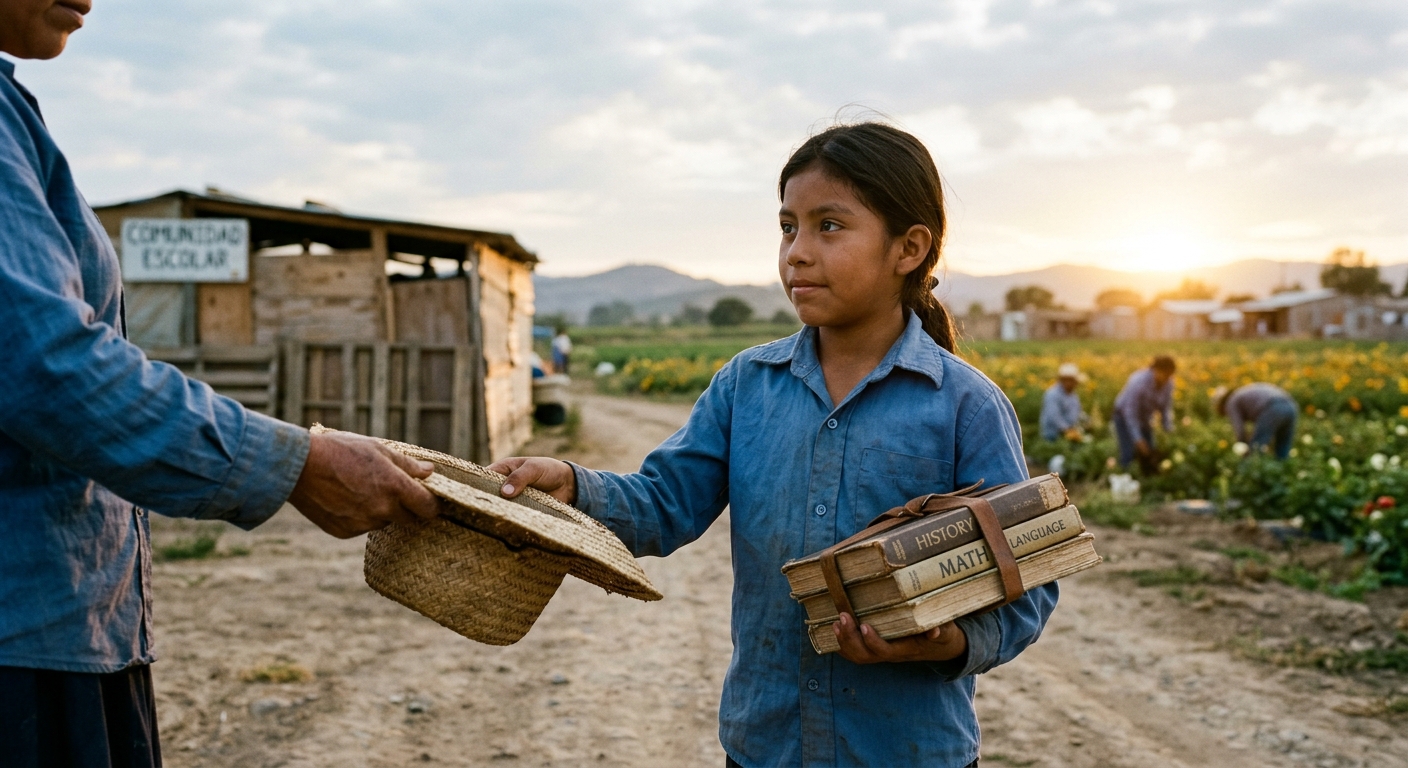
The resurgence of child labor within the United States is a sobering reality that has thrust the vulnerability of unaccompanied migrant youth into the national spotlight. Despite robust federal statutes dating back to the Fair Labor Standards Act of 1938, recent investigations have revealed a shadow economy where underage immigrants endure grueling, hazardous work to survive. Children as young as twelve have been discovered working overnight shifts in slaughterhouses, operating heavy machinery in automotive supply chains, and performing dangerous agricultural labor. The widespread exploitation of these minors is not merely a failure of labor law enforcement; it is a direct consequence of a deeply flawed, highly restrictive immigration system that leaves them isolated and economically desperate. To eradicate this crisis, policymakers must look beyond traditional corporate penalties and fundamentally overhaul the immigration frameworks that govern how unaccompanied minors are treated upon arrival, processed, and integrated into our communities. The United States must prioritize humanitarian safeguards, expand legal access, and create a system that proactively shields children from the predatory grip of exploitative employers and subcontracting staffing agencies.
The Scope of the Child Labor Crisis in the Modern Era
The scale of underage labor violations has expanded dramatically in recent years. According to the United States Department of Labor (DOL), there has been a stark increase in the number of minors found working in violation of federal law. In fiscal year 2024 alone, the DOL Wage and Hour Division concluded hundreds of investigations that uncovered child labor violations, affecting over 4,000 minors nationwide. Moreover, the civil monetary penalties assessed for these violations reached $15.1 million—an alarming 89 percent increase from the previous fiscal year.
This data underscores a persistent, growing trend rather than an isolated anomaly. The crisis disproportionately impacts unaccompanied migrant children who flee extreme poverty, violence, and instability in their home countries. Upon arriving in the United States, they are frequently placed into circumstances where the pressure to pay off smuggling debts, support themselves, or send remittances back to their families becomes overwhelming. Consequently, these minors are easily funneled into high-turnover, low-wage industries that rely on subcontracted staffing agencies to obscure direct liability. Investigative reports from major news organizations have repeatedly highlighted how recognizable global brands have benefited from supply chains propped up by the illegal labor of migrant children.
Systemic Failures in Sponsorship and Protection
The trauma of migration is often compounded upon arrival when the supposed safety of the U.S. system proves hollow. When unaccompanied minors are apprehended at the U.S. border, the Department of Health and Human Services (HHS) and its Office of Refugee Resettlement (ORR) are tasked with their care until they can be placed with a sponsor—typically a relative. Between late 2020 and 2024, the HHS processed and cared for over 468,000 unaccompanied migrant children. However, the system is fundamentally overwhelmed by the sheer volume of arrivals, leading to catastrophic gaps in vetting protocols and post-release monitoring.
While the primary goal is to humanely remove children from restrictive federal holding facilities as quickly as possible, this intense pressure to expedite processing often prioritizes speed over rigorous safety checks. As a result, minors are sometimes released to unvetted or unrelated sponsors. Once released, the federal safety net effectively vanishes. The stark lack of robust, mandatory post-release services means that a significant percentage of these children slip through the cracks, disappearing from the radar of social workers and public school districts. Without continuous monitoring, these youth are highly susceptible to severe labor trafficking and exploitation by adult sponsors who may view them strictly as an income source. The absence of comprehensive social support services essentially forces these minors into the clandestine workforce as a means of basic survival, transforming them into prime targets for predatory employers looking for cheap labor.
The Intersection of Immigration Status and Economic Exploitation
The root cause of this child labor epidemic cannot be divorced from the restrictive nature of current U.S. immigration policy. The system places artificial economic burdens on both the children and the adults who sponsor them. One of the most critical drivers of migrant child labor is the protracted timeline for obtaining legal work authorization. Many adult sponsors themselves lack legal status or face years-long wait times for work permits due to massive backlogs in the immigration courts.
When the adults in a household are barred from participating in the formal economy, they are often relegated to the lowest-paying, most precarious jobs. This economic instability severely limits their ability to support the children placed in their care. In this environment of financial desperation, children are compelled to step into the breach. Because they lack legal status, they are forced to use falsified documents to secure employment through third-party staffing agencies. These agencies routinely turn a blind eye to the obvious youth of the applicants, funneling them into hazardous occupations in meatpacking, auto manufacturing, and construction. The fear of deportation further traps these young workers; they are terrified to report safety violations, wage theft, or workplace injuries, knowing that drawing attention to themselves could result in removal proceedings or retaliation against their sponsors.
Why Traditional Labor Enforcement is Insufficient
Historically, the federal government’s primary response to child labor violations has centered on punishing direct employers through after-the-fact fines. While the Department of Labor has recently ramped up its enforcement efforts—levying tens of millions in civil monetary penalties—these fines are frequently treated by multibillion-dollar corporations as merely the administrative cost of doing business rather than a serious deterrent.
The convoluted, multi-layered nature of modern manufacturing and agricultural supply chains allows major parent corporations to shield themselves from direct accountability. By utilizing matrices of independent contractors, subsidiaries, and temporary staffing agencies, top-tier brands maintain a legally protective layer of plausible deniability. They consistently claim complete ignorance of the underage workforce operating heavy machinery within their own localized facilities.
Furthermore, punitive measures directed solely at the physical workplace completely fail to address the underlying vulnerability of the marginalized workers themselves. If a poultry processing plant is fined by federal regulators and the underage undocumented workers are subsequently fired, those children do not suddenly enroll in middle school and enjoy a safe, carefree childhood. Instead, driven by the same unrelenting financial pressures and debts, they simply migrate to another clandestine job, often in an even more dangerous, entirely unregulated sector of the underground economy. True corporate accountability requires a comprehensive dual approach: piercing the corporate veil to hold top-tier brands legally responsible for abuses occurring anywhere in their supply chain, while simultaneously enacting humane immigration reforms to eliminate the desperate poverty that fuels the supply of underage labor.
Essential Immigration Policy Reforms
To sustainably eradicate the exploitation of unaccompanied migrant children, the United States must implement a comprehensive suite of immigration policy reforms. These changes must shift the paradigm from a punitive enforcement model to one centered on humanitarian protection and systemic support.
- Expediting Work Authorization for Adult Sponsors: The most direct way to remove children from the workforce is to ensure that the adults caring for them can work legally and earn a living wage. Congress and the administration must streamline the process for obtaining Employment Authorization Documents (EADs). By reducing the waiting periods and expanding eligibility for EADs for asylum seekers and sponsors, families will achieve the economic stability required to support minors, allowing children to focus on their education and integration rather than survival.
- Guaranteeing Legal Representation for Minors: Navigating the labyrinthine U.S. immigration court system is an impossible task for a child. Currently, unaccompanied minors are not guaranteed government-funded legal counsel, leaving many to face trained immigration prosecutors alone. Implementing universal legal representation for all children in immigration proceedings is critical. Attorneys not only help children articulate their claims for asylum or Special Immigrant Juvenile Status, but they also serve as a vital line of defense against exploitation, connecting youth to local resources and identifying signs of trafficking.
- Strengthening Post-Release Support and Monitoring: The Office of Refugee Resettlement must be adequately funded to mandate and provide comprehensive post-release services for every unaccompanied minor. This includes routine home visits, integration into local school districts, and access to mental health services and healthcare. Transitioning from a minimal-contact approach to a robust case management system will ensure that children remain in safe environments and are not coerced into illicit employment.
- Decoupling Labor Enforcement from Immigration Enforcement: To effectively root out exploitative employers, young workers must be able to report abuses without the paralyzing fear of deportation. The implementation of strict firewalls between labor enforcement agencies and immigration enforcement agencies is paramount. Expanding the use of deferred action and providing temporary visas for victims of labor exploitation will empower vulnerable workers to blow the whistle on predatory corporations, ultimately dismantling the systemic abuse.
Child Labor Enforcement Trends
The Department of Labor has recorded significant increases in both the number of minors exploited and the penalties levied against non-compliant corporations across recent fiscal years.
| Enforcement Metric | Fiscal Year 2023 | Fiscal Year 2024 | Observed Trend |
|---|---|---|---|
| Civil Monetary Penalties Assessed | $8.03 Million | $15.16 Million | + 89% Increase |
| Cases With Child Labor Violations | 955 | 736 | Strategic Targeting |
| Minors Found Employed in Violation | 5,792 | 4,030 | Focus on Hazardous Jobs |
Frequently Asked Questions
Why are migrant children working in hazardous jobs in the U.S.?
Migrant children are often driven into hazardous labor by severe economic desperation. Lacking legal status and robust social safety nets, they must work to pay off smuggling debts, support themselves, or assist their adult sponsors who are frequently barred from obtaining legal work authorization due to massive immigration court backlogs.
How do corporations evade child labor laws?
Many large corporations rely on complex supply chains and third-party staffing agencies to fulfill their localized labor needs. This fragmented hiring process allows parent companies to claim ignorance and evade direct liability when underage workers are discovered in their facilities using falsified documents provided by independent subcontractors.
What role does the Office of Refugee Resettlement (ORR) play?
The ORR is the federal agency responsible for the initial care and placement of unaccompanied migrant children apprehended at the border. The agency is tasked with vetting sponsors and safely releasing children, but systemic underfunding and political pressure to process cases quickly have led to critical gaps in vital post-release monitoring.
How would expediting adult work permits help migrant children?
Allowing adult sponsors to legally work and earn fair wages would immediately alleviate the intense financial pressures placed on immigrant households. When adults can adequately provide for their families without fear of deportation, the sheer economic necessity that forces minors into the workforce is drastically reduced, allowing children to remain safely in school.
Conclusion: A Call for Systemic Change
The proliferation of migrant child labor across American supply chains is a severe indictment of a fractured immigration system that criminalizes vulnerability rather than addressing it. Fining staffing agencies and corporations, while a necessary component of labor enforcement, addresses only the downstream symptoms of a much deeper legislative failure. Until the United States commits to holistic immigration reform—expediting work permits for adults, mandating legal counsel for unaccompanied minors, and aggressively funding robust post-release oversight—the shadow economy will continue to consume the childhoods of the most marginalized populations. Protecting these young lives demands a steadfast, uncompromising commitment to fundamental human rights, ensuring that the promise of a safer, better life in the United States does not tragically culminate on the brutal floor of a meatpacking plant or an automotive factory. We must demand comprehensive immigration policy changes today to safeguard the generation of tomorrow.
References
- US Department of Labor Report to Congress: Enforcement of the Child Labor Provisions of the Fair Labor Standards Act — U.S. Department of Labor. 2024-11-01. https://www.dol.gov/agencies/whd/data
- Office of Refugee Resettlement: Unaccompanied Children Facts and Data — Administration for Children & Families, U.S. Department of Health and Human Services. 2024-05-20. https://www.acf.hhs.gov/orr/about/ucs/facts-and-data
- Child Workers Found Throughout Hyundai-Kia Supply Chain in Alabama — Reuters. 2022-12-16. https://www.reuters.com/investigates/special-report/usa-immigration-hyundai/
- Child labor violations rise in US – as Republicans still roll back protections — The Guardian. 2024-03-23. https://www.theguardian.com/law/2024/mar/23/us-child-labor-laws-republicans
Similar Articles








Read full bio of Sneha Tete




