
Can You Be Fired For Striking: What You Need To Know
Understanding your legal rights and protections when participating in workplace strikes.
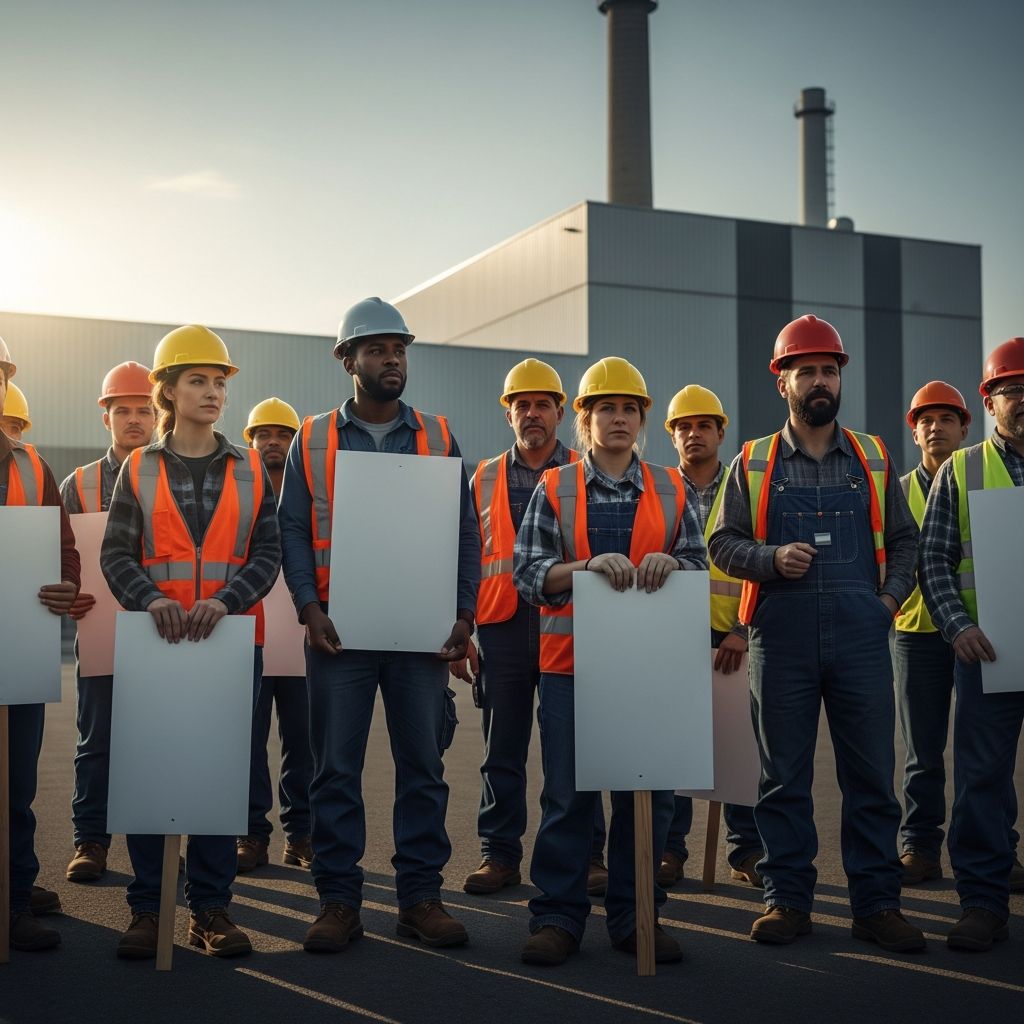
Understanding Your Rights When Participating in Workplace Strikes
Striking represents one of the most powerful tools available to workers seeking to improve their employment conditions, negotiate better wages, or protest unfair labor practices. However, many employees remain uncertain about whether they can legally be terminated for exercising this right. The answer is nuanced and depends on several critical factors, including the nature of the strike, the conduct of participants, and the specific circumstances surrounding the labor action.
Federal law provides substantial protections to striking workers through the National Labor Relations Act (NLRA). Understanding these protections—and equally important, understanding when those protections do not apply—is essential for any worker considering strike participation. This comprehensive guide explores the landscape of strike-related employment law, examining what makes a strike protected, the circumstances under which workers can lawfully be terminated, and the remedies available to those who face illegal retaliation.
The Foundation of Strike Protection Under Federal Law
The National Labor Relations Act establishes the fundamental right of employees to engage in collective action for mutual aid and protection. This legislation does not require workers to be members of a union to receive protection, nor does it limit these rights to workers in unionized workplaces. Rather, the NLRA extends strike protections broadly across the private sector employment landscape, providing safeguards that apply equally to organized and non-union workers.
A protected strike is typically defined as a work stoppage undertaken to advance legitimate worker interests, such as securing higher wages, improving working conditions, reducing hours, or protesting employer violations of labor law. When a strike meets the legal requirements for protection, employers are explicitly prohibited from terminating participating workers simply for engaging in this concerted activity. This prohibition represents a cornerstone of American labor rights, reflecting a societal determination that workers should not face retaliation for lawfully asserting their collective interests.
However, protection is not automatic or unconditional. The NLRA recognizes that certain strike activities fall outside the scope of legal protection, and understanding these limitations is crucial for workers contemplating strike participation.
Distinguishing Between Protected and Unprotected Strike Activities
Not all strikes receive legal protection, and the distinction between protected and unprotected strike activity hinges on multiple factors, including the purpose, timing, and conduct of the strike.
Characteristics of Protected Strikes
Protected strikes generally share several common features. The strike must be motivated by legitimate labor objectives—seeking to improve working conditions, negotiate better terms of employment, or protest unfair labor practices. The timing of the strike can also matter; strikes initiated following proper notice periods and conducted in accordance with any applicable contractual provisions are more likely to receive protection. Additionally, strikers must engage in peaceful conduct and avoid violent or destructive behavior.
Conduct That Eliminates Strike Protection
Certain behaviors during strike activities automatically place workers outside the protection of federal labor law. These include:
- Violent or destructive conduct: Engaging in physical violence against management, other workers, or property damage eliminates legal protection. Even threats of violence can result in termination being deemed lawful.
- Blocking ingress and egress: Physically preventing other workers or customers from entering or leaving the workplace during a strike constitutes unlawful conduct that removes strike protection.
- Threatening behavior: Making threats against management representatives or others can constitute serious misconduct that justifies disciplinary action.
- Violating contractual obligations: If employment contracts contain valid no-strike clauses prohibiting labor actions under specified circumstances, strikes violating these provisions lose legal protection.
Economic Strikes Versus Unfair Labor Practice Strikes
Federal labor law distinguishes between two primary categories of strikes, each carrying different implications for worker reinstatement rights.
Economic Strikes
Economic strikes address workplace compensation, benefits, hours, or conditions. When workers strike over wages or other economic terms, employers retain the ability to hire permanent replacement workers. Once an employer has hired permanent replacements, striking workers do not have an absolute right to reinstatement to their former positions. Instead, they are placed on a preferential hiring list and must wait for positions to become available through normal turnover or business expansion. This distinction creates a significant vulnerability for economic strikers, as replacement workers may occupy the positions indefinitely if the business experiences no growth or retirements.
Unfair Labor Practice Strikes
Strikes protesting employer violations of the NLRA—such as illegal interference with union organizing, discriminatory discipline, or refusal to bargain—occupy a stronger legal position. When a strike is motivated in whole or in part by unfair labor practices, strikers enjoy enhanced reinstatement rights. Specifically, workers striking over unfair labor practices cannot be permanently displaced by replacement workers. Upon conclusion of the strike, these workers must be immediately reinstated to their former positions, even if employers hired permanent replacements in their absence. This heightened protection reflects legal recognition that workers should not suffer ongoing consequences when striking to remedy illegal employer conduct.
Serious Misconduct and the Loss of Reinstatement Rights
Even workers participating in lawful, protected strikes may lose their right to reinstatement if they engage in serious misconduct during the strike action. The distinction between ordinary strike conduct and serious misconduct is critical to understanding the limits of legal protection.
Serious misconduct includes violent acts, threats of violence, and physical obstruction of workplace access. For example, a striker who physically attacks a management representative could be permanently denied reinstatement, even if the underlying strike was motivated by legitimate unfair labor practice concerns. Similarly, a worker who physically blocks another person from entering or leaving the workplace during a strike may forfeit reinstatement rights through this conduct.
This principle ensures that while workers retain broad strike protections, these rights remain bounded by basic standards of lawful conduct. Employers can distinguish between workers who engaged in misconduct and those whose participation was peaceful and lawful, potentially reinstating some strikers while denying reinstatement to others based on individual conduct during the labor action.
Specific Circumstances Where Strikes Lack Legal Protection
Beyond general conduct considerations, certain categories of strikes fall entirely outside legal protection:
Contract Violations and No-Strike Clauses
Many collective bargaining agreements contain no-strike clauses that prohibit workers from initiating strikes under certain conditions or during specific periods. When employees strike in violation of such contractual provisions, they lose the protection of federal law and can be lawfully terminated. Similarly, if workers have signed individual employment agreements containing no-strike provisions, strikes initiated in violation of these terms may not be protected.
Strikes Attempting to Force Illegal Actions
Federal law does not protect strikes designed to coerce employers into taking illegal or inherently unfair actions. For example, a strike demanding that an employer discharge all non-union employees or engage in discrimination would not receive legal protection.
Intermittent or Hit-and-Run Strikes
While single strikes receive protection, workers who engage in patterns of repeated short-term walkouts may lose protection entirely. Federal labor law recognizes the concept of intermittent strikes, often called “hit-and-run” strikes, which involve multiple work stoppages within short timeframes. When workers participate in more than two or three walkouts within a brief period, this pattern may be deemed an intermittent strike, removing legal protection from all participants. This limitation reflects the law’s recognition that employers require some degree of operational stability and cannot function effectively when facing constant, unpredictable work stoppages.
Reinstatement Rights and Remedies for Wrongful Termination
When employers unlawfully terminate workers for protected strike participation, federal law provides meaningful remedies designed to restore workers to their previous employment status and compensate for losses suffered.
Immediate Reinstatement Obligations
Upon conclusion of a protected strike, workers must be reinstated immediately, subject to the qualifications discussed above regarding replacement workers in economic strikes. Employers cannot condition reinstatement on worker acceptance of modified terms, reduced compensation, or diminished benefits as punishment for strike participation.
Back Pay and Lost Compensation
Wrongfully terminated strikers may recover back pay for wages lost during the period of unlawful termination, extending from the date of discharge until reinstatement or settlement. This remedy aims to place workers in the financial position they would have occupied absent the illegal retaliation.
National Labor Relations Board Enforcement
The National Labor Relations Board (NLRB) investigates complaints of illegal strike-related terminations and has authority to order reinstatement and back pay when violations are substantiated. The Board’s involvement provides a federal administrative remedy that does not require workers to pursue costly litigation in civil courts.
Special Considerations for Different Employment Contexts
While strike protections apply broadly, certain industries face additional regulatory requirements that modify the general framework.
Healthcare Institution Requirements
Federal law imposes special notice requirements on labor organizations planning strikes at healthcare institutions. At minimum, labor organizations must provide at least ten days’ written notice to healthcare employers before initiating strikes or picket activities at medical facilities. This requirement allows healthcare employers time to arrange for emergency personnel and ensure continuity of critical patient care services.
Individual and Non-Union Strike Protection
The NLRA protects strike rights for individual employees and non-union workers just as it protects union members. A single employee who initiates a work stoppage in support of a demand that would benefit other employees—such as improved safety conditions or increased wages—may enjoy protection as long as the strike addresses a legitimate shared concern. An individual worker’s unconditional offer to return to work following a short-term walkout can prevent employers from permanently replacing that employee.
Employer Defenses and Their Limitations
While workers enjoy substantial strike protections, employers do retain certain legitimate defenses to termination claims. Understanding these defenses helps workers assess their actual legal position when considering strike participation.
Employers may lawfully terminate striking workers who violate company policies unrelated to strike participation, provided these policies are applied consistently to all workers. For example, if an employer maintains a stay-at-home order during strikes to protect employee safety, workers who violate this order despite warnings may face lawful termination for policy violation rather than strike participation itself. However, such policies must be genuinely enforced and clearly documented to serve as legitimate defenses to retaliation claims.
Additionally, employers can lawfully hire permanent replacement workers during economic strikes, and termination of striking workers to make way for replacements constitutes legal conduct (though these workers retain preferential hiring rights). This distinction between economic strikes and unfair labor practice strikes reflects the law’s judgment that workers striking over employer illegality deserve stronger protections than those striking over economic disagreements.
Practical Guidance for Workers Considering Strike Participation
Workers contemplating strike participation should evaluate several critical factors before taking action:
- Verify whether the strike addresses legitimate labor concerns that would generate protection under the NLRA
- Confirm that employment agreements do not contain no-strike clauses that would eliminate protection
- Commit to peaceful, non-threatening conduct during all strike activities
- Avoid physically blocking workplace access or engaging in violence or property damage
- Understand whether strike participation may result in permanent replacement and accept those consequences
- Document all strike-related communications and employer responses in case legal claims become necessary
- Seek legal counsel if facing discipline or termination following strike participation
Frequently Asked Questions About Strike Protections
Q: Can non-union workers be fired for striking?
No. The NLRA extends strike protections equally to union members and non-union employees. Individual workers can engage in protected strikes addressing shared workplace concerns without union involvement.
Q: Can employers permanently replace workers during a protected strike?
The answer depends on strike type. During economic strikes, employers can hire permanent replacements, though struck workers retain preferential hiring rights. During unfair labor practice strikes, permanent replacement is prohibited and strikers must be immediately reinstated.
Q: What conduct during a strike removes legal protection?
Violence, threats of violence, property damage, and physically blocking workplace access eliminate strike protection. Workers engaging in such conduct may be lawfully terminated regardless of strike legitimacy.
Q: Can an employer require workers to sign no-strike agreements?
Yes. Employment contracts can validly include no-strike clauses that prohibit strikes under specified conditions. Strikes violating such provisions lose legal protection.
Q: What remedy is available if I’m wrongfully terminated for strike participation?
Wrongfully terminated strikers can file complaints with the National Labor Relations Board and recover back pay and reinstatement orders. The NLRB investigation and administrative remedies typically avoid costly litigation.
Q: Can an employer punish me for threatening to strike?
No. Federal law prohibits employer threats or interference with workers’ rights to strike, including termination based on threats or expressions of intent to strike.
Q: What is an intermittent strike and why is it unprotected?
An intermittent strike involves repeated short-term walkouts within brief periods. More than two or three such walkouts may constitute an intermittent strike, which receives no legal protection because it prevents employer operational stability.
Q: Do healthcare strikes have special requirements?
Yes. Labor organizations must provide at least ten days’ written notice before striking at healthcare institutions to allow arrangements for emergency care continuity.
References
- Labor Strikes & Workers’ Legal Rights | Employment Law Center — Justia. 2025. https://www.justia.com/employment/unions/strikes/
- Right to strike and picket – The Law — National Labor Relations Board. 2025. https://www.nlrb.gov/about-nlrb/rights-we-protect/the-law/employees/right-to-strike-and-picket
- Is it legal to fire striking workers? — The Armstrong Law Firm. 2020. https://www.thearmstronglawfirm.com/blog/2020/04/is-it-legal-to-fire-striking-workers/
- No, You Can’t Fire Employees for Threatening to Strike! — Labor & Employment Report. 2024-08-20. https://www.laboremploymentreport.com/2024/08/20/no-you-cant-fire-employees-for-threatening-to-strike/
- Can a Single Employee Go On Strike Against a Non-Union Company? — Pullman & Comley, LLC. 2025. https://www.pullcom.com/working-together/can-a-single-employee-go-on-strike-against-a-non-union-company
Similar Articles








Read full bio of medha deb


