
Responding to Police Misconduct: A Witness’s Action Guide
Learn how to safely document and report police brutality when you witness it.
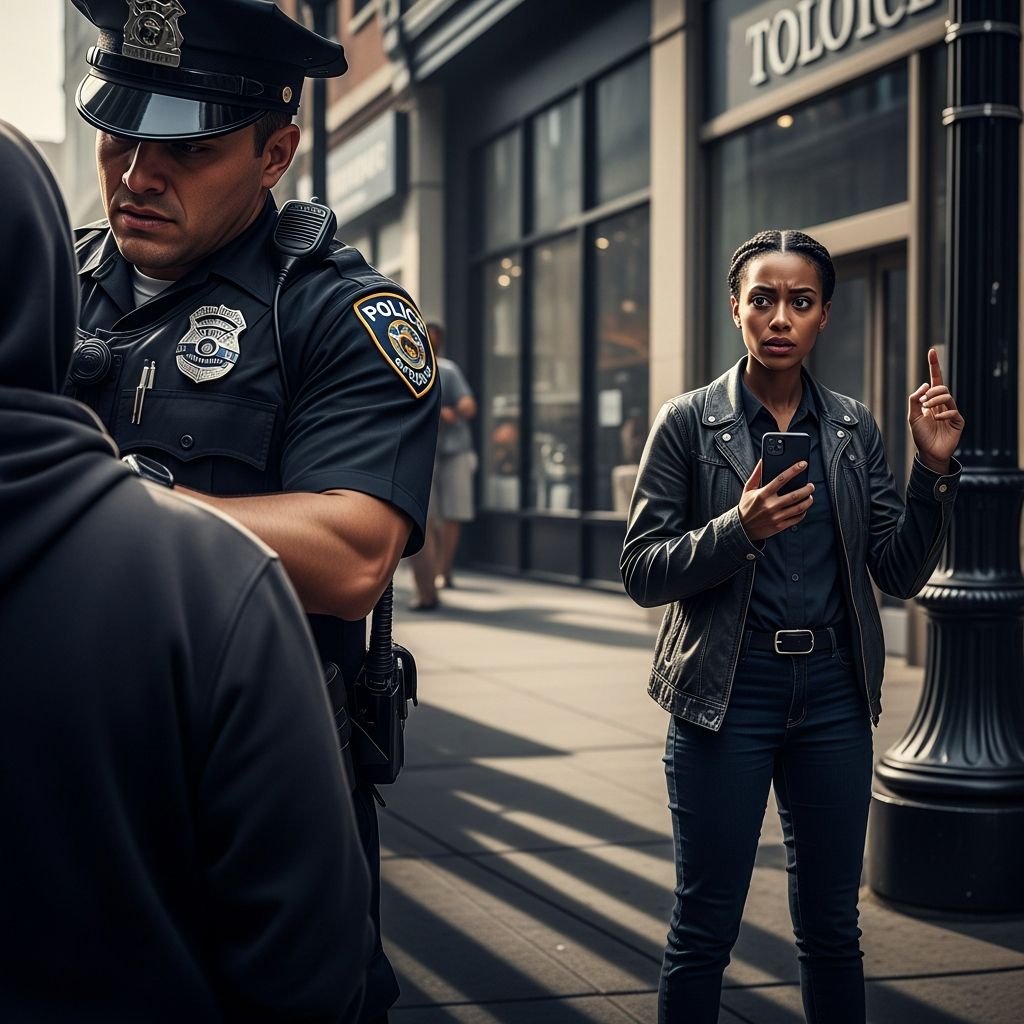
Understanding Your Role as a Witness to Police Misconduct
When you observe law enforcement officers using what appears to be excessive force or engaging in other forms of misconduct, you occupy a critical position in the accountability process. Witnesses serve as the eyes and ears of the justice system, providing objective accounts that can corroborate or contradict official narratives. Your presence and actions during these moments can significantly impact the outcome of investigations and civil claims. Understanding your responsibilities, rights, and the proper procedures for responding can help ensure that your observations are preserved in a way that carries legal weight.
The Legal Foundation for Police Accountability
Police brutality violations typically implicate constitutional protections established through federal and state law. The Fourth Amendment protects citizens against unreasonable searches and seizures, including the use of excessive force. Additionally, Section 1983 of the Civil Rights Act provides a mechanism through which individuals can seek damages for civil rights violations committed by government officials, including law enforcement officers. In cases involving threats, intimidation, or coercion, state-specific protections may also apply, such as California’s Bane Act, which prohibits interference with constitutional rights.
Understanding these legal frameworks helps witnesses comprehend the broader significance of their observations. When you document misconduct, you are gathering evidence that supports claims under these federal and state protections.
Immediate Safety Considerations for Witnesses
Before taking any action, your personal safety must be the priority. If you are at a location where police are using force, evaluate whether your presence could escalate the situation or put you at risk. The goal is to gather information and provide assistance, not to become another victim of misconduct or to interfere with law enforcement operations.
Position yourself at a safe distance where you can observe without being directly involved. Maintain a calm demeanor and avoid aggressive language or physical actions that might be misinterpreted. If an officer directs you to leave, comply with that order while documenting their statements and badge numbers if possible. You can address the legality of such an order through legal channels later.
If you are in danger or witness a situation that poses immediate threats to anyone, contacting emergency services should take precedence over documentation. Life and safety always come first.
Real-Time Documentation Techniques
Modern technology provides witnesses with unprecedented tools for documenting incidents. However, proper documentation requires strategy and attention to detail.
Video and Photographic Evidence
If you safely can, record video of the incident using your smartphone or other devices. Body-worn camera footage and dash-camera recordings from officers themselves often capture critical moments and can be requested under public records laws. However, your independent video may be even more valuable because it provides an unfiltered perspective. When recording:
- Maintain a steady shot that captures the officers involved and the person being subjected to force
- Record audio as well, as verbal exchanges can corroborate physical observations
- Note the exact time and date (most devices timestamp automatically, but verbal confirmation helps)
- Continue recording until the incident concludes and officers leave the scene
- Immediately back up the video to cloud storage or send it to a trusted contact to prevent loss
Photography is equally important for documenting injuries, property damage, environmental conditions, and the positioning of individuals at the scene. Take multiple photos from different angles and distances. These images become critical evidence, particularly when medical professionals later need to assess injury patterns.
Audio Recording Considerations
In most jurisdictions, you have the right to record police officers engaged in public duties in public spaces. However, audio recording laws vary by state regarding two-party consent. Research your local laws beforehand or consult with a civil rights organization in your area. Even if audio recording presents legal complexities, the video evidence you gather is typically sufficient for establishing what occurred.
Gathering Witness Information
Your observations are valuable, but corroborating accounts from other witnesses strengthen any complaint or legal claim exponentially. Witnesses can validate your story and counter any false narratives presented by law enforcement. During or immediately after an incident:
- Identify other people present at the scene who witnessed the incident
- Collect their names, phone numbers, and email addresses
- Ask them what they observed and encourage them to document their own accounts
- Exchange contact information so investigators can follow up later
Even partial witnesses—those who saw only part of the incident—provide valuable corroboration. Some observers may notice details you missed, such as specific statements made by officers or actions taken by other individuals at the scene.
Creating a Detailed Written Account
Within hours of witnessing misconduct, write down everything you remember while details remain fresh. Document the exact time, date, location, officer names or badge numbers, patrol car numbers, and contact information for any witnesses present during the incident. Your written account should include:
- The chronological sequence of events as they unfolded
- Specific statements made by officers and the person subjected to force
- The type and apparent severity of force used (strikes, tasers, pepper spray, physical restraint, etc.)
- Environmental factors (weather, lighting, crowd size, road conditions)
- Officer descriptions if names or badge numbers weren’t visible (height, build, hair color, distinguishing marks)
- Your emotional state and any physical sensations (fear, shock, injuries you sustained)
- Any attempts by officers to prevent reporting or intimidate witnesses
Store this account in multiple locations—email it to yourself, save it to cloud storage, and keep a printed copy. This redundancy ensures the information survives even if your original device is lost or damaged.
The Importance of Medical Documentation
If you witnessed injuries inflicted on another person, encourage them to seek immediate medical attention. Medical professionals create contemporaneous records that establish the nature and severity of injuries, creating a direct link between observed force and documented harm. Medical records can become critical evidence later, and doctors can provide expert testimony explaining how injuries likely occurred.
Even apparently minor injuries should receive medical evaluation. Swelling and bruising sometimes develop hours after an incident, and X-rays may reveal fractures not visible to the naked eye. These medical findings provide objective evidence that corroborates witness accounts of excessive force.
Filing Formal Complaints and Reports
After documenting the incident, you have several options for reporting misconduct. Each serves different purposes in the accountability process.
Internal Affairs Complaints
Most police departments maintain Internal Affairs divisions that investigate complaints of officer misconduct. Filing a formal complaint with the police department’s internal affairs division creates an official record of the misconduct. While this step does not guarantee immediate results, it establishes documentation that may support future investigations or legal actions.
When filing an internal affairs complaint, provide all documented information: dates, times, locations, officer descriptions or badge numbers, witness contact information, and copies of any photos or videos. Request a complaint number for your records and ask about the timeline for investigation completion.
Civilian Review Boards
Many municipalities have established civilian oversight bodies independent of the police department. These boards review complaints, conduct investigations, and sometimes hold disciplinary authority. Filing complaints with civilian review boards can provide more independent evaluation of misconduct allegations.
Federal Reporting
Submit formal reports to federal authorities to create an official record of the misconduct. The Department of Justice Civil Rights Division investigates law enforcement misconduct, particularly patterns of abuse or violations of specific constitutional rights. Federal involvement becomes especially important if local investigations appear compromised or ineffective.
Preserving Evidence for Legal Action
Evidence preservation is critical if the victim intends to pursue civil claims. Preserve all evidence of police misconduct, including medical records, witness statements, and any available video recordings of the incident. Take specific steps to ensure evidence survives:
- Do not share original video or photo files on social media, as compression can reduce their evidentiary value
- Create a master copy in a secure location with timestamp integrity intact
- Document the chain of custody for all evidence (who handled it, when, and for what purpose)
- Keep a detailed index of all evidence collected, including descriptions and locations
- Communicate with other witnesses to ensure they also preserve their documentation
Supporting the Victim’s Recovery and Legal Process
Beyond documentation and reporting, witnesses can provide ongoing support. If you know the person who experienced misconduct, your continued involvement matters. Offer to provide formal witness statements or affidavits that attorneys can use to build civil claims. Your testimony may be required in depositions or court proceedings.
Encourage the victim to seek legal representation promptly. A police brutality lawyer knows how to gather hard-to-access evidence, like body camera footage and internal files, and understands the complex web of state and federal laws that apply. Attorneys can also advise witnesses about their role in the legal process and protect their rights throughout proceedings.
Understanding the Legal Burden of Proof
It’s important to understand that in civil lawsuits, you need to show that it’s more likely than not that brutality occurred, a lower standard than in criminal cases, but still demanding proof. As a witness, your documented observations directly address this burden. Your video evidence, written account, and testimony establish what actually happened, counteracting any official narrative that contradicts the facts you witnessed.
Protecting Yourself from Retaliation
Unfortunately, some officers may view witness involvement negatively. Know that the law prohibits attempting to prevent a victim or witnesses from reporting the misconduct. Retaliation against witnesses—such as arrests on fabricated charges, threats, or intimidation—constitutes additional misconduct that can support separate legal claims.
Document any attempts at retaliation and report them immediately to authorities and your attorney. Keep your contact information confidential and inform only necessary parties about your involvement in the case.
Special Considerations for Witnessing Protest-Related Misconduct
Police misconduct at protests sometimes follows different patterns than isolated incidents. Officers may use batons, tasers, or chemical agents on peaceful protesters, which could be deemed excessive force. Additionally, unlawful arrests occur when people are arrested without probable cause, such as simply for being present during a protest or recording police activity.
If witnessing misconduct at protests, the documentation principles remain the same, but consider the heightened security environment. Protect your own safety first, as protest situations can escalate quickly. Work with protest organizers or civil rights groups present at the scene to coordinate documentation efforts.
The Role of Legal Representation
A police brutality lawyer can help you seek to hold the police accountable. If you are serving as a witness, an attorney can advise you on how to best present your evidence and protect your legal interests. Attorneys can also negotiate with law enforcement agencies on behalf of victims, potentially securing settlements that compensate for medical bills, lost wages, pain and suffering, and emotional distress.
Frequently Asked Questions About Witnessing Police Misconduct
Q: What should I do if an officer tells me I cannot record them?
A: In most jurisdictions, you have the right to record law enforcement officers engaged in public duties in public spaces. If ordered to stop recording, comply with the order to avoid arrest, but you may later challenge the legality of that order in court. The recording you made before the order is still valid evidence.
Q: Can I be arrested for being a witness to police brutality?
A: No. Witnessing misconduct and reporting it cannot legally justify your arrest. If arrested after reporting or documenting misconduct, this constitutes potential retaliation, which is itself illegal and can support additional civil claims.
Q: What if I’m afraid to come forward as a witness?
A: Your safety concerns are legitimate. Discuss confidentiality options with civil rights attorneys or organizations. Many jurisdictions provide witness protection procedures, and attorneys can often present testimony through affidavits rather than requiring in-person appearances.
Q: How long do I have to report witnessing police misconduct?
A: Report misconduct as soon as possible while details remain clear. Evidence preservation becomes easier with prompt reporting. Statutes of limitations vary by jurisdiction, but generally, civil claims must be filed within a specific timeframe after the incident.
Q: Can my video evidence be used in court?
A: Yes, provided you can establish the video’s authenticity and chain of custody. Properly documented video evidence is admissible in both criminal and civil proceedings. Avoid editing or altering the original file, as modifications can undermine its evidentiary value.
Q: What happens after I file a complaint with internal affairs?
A: The department conducts an investigation, which may take weeks or months. You may be interviewed as part of that investigation. Request updates on the investigation’s status and ask about the outcome, though some jurisdictions limit public disclosure of internal affairs findings.
References
- What Evidence Is Needed to Prove Police Brutality? — Taylor & Ring. https://www.taylorring.com/blog/what-evidence-is-needed-to-prove-police-brutality/
- What Amendment Does Police Brutality Violate? — Lawyers FTP. https://www.lawyersftp.com/what-amendment-does-police-brutality-violate/
- Police Brutality During Protests – Your Rights and Legal Options — Brian Zeiger Law. https://brianzeiger.com/blog/police-brutality-during-protests-know-your-rights/
- Police Officer Abuse of Power: Understanding Your Rights and Legal Protections — Ronvil. https://www.ronvil.com/police-officer-abuse-of-power-understanding-your-rights-and-legal-protections/
- Law Enforcement Misconduct — U.S. Department of Justice Civil Rights Division. https://www.justice.gov/crt/law-enforcement-misconduct
Similar Articles








Read full bio of Sneha Tete


