
Wisconsin End-of-Life Disposition: Legal Framework
Navigate Wisconsin's regulations for burial, cremation, and final disposition planning.
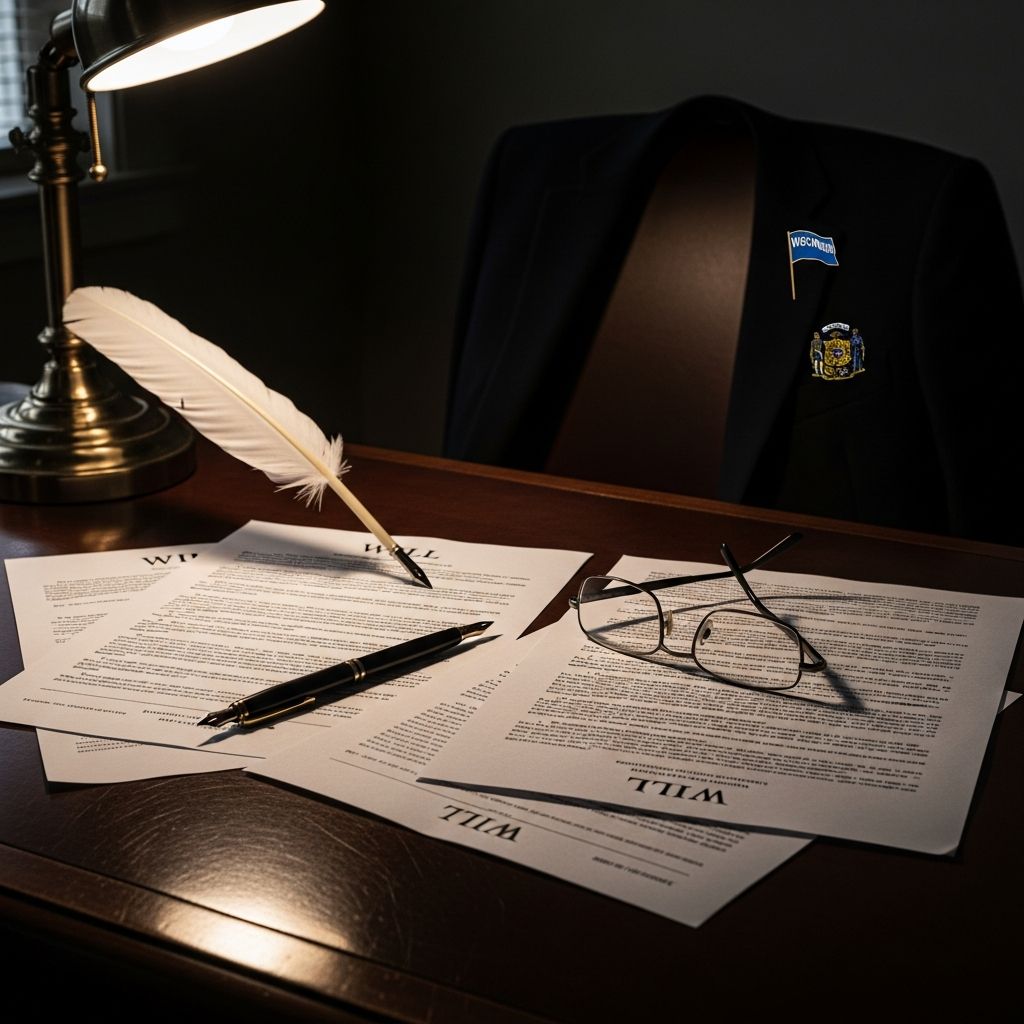
Understanding Wisconsin’s Comprehensive Framework for Death Care and Disposition
When a person passes away in Wisconsin, their loved ones face numerous decisions within a complex legal landscape. Unlike some states that mandate involvement of licensed professionals, Wisconsin provides families with considerable autonomy in managing end-of-life arrangements. The state’s legislation balances family rights with public health safeguards, creating a system that recognizes the importance of personal choice while maintaining necessary regulatory oversight. Understanding these regulations is essential for anyone planning ahead or handling immediate funeral decisions.
Family Authority in Funeral Decision-Making
Wisconsin law establishes a clear hierarchy determining who holds decision-making power regarding a deceased person’s final arrangements. The authority flows in a specific order, beginning with designated representatives, followed by spouses, then adult children, and progressing through other family members in established succession. This structure prevents disputes and provides clarity when multiple family members have different preferences.
Individuals can exercise significant control over their own funeral preferences by formally designating a representative while living. To establish this arrangement, you must prepare a written document that clearly outlines your wishes and identifies the person you authorize to carry out your instructions. The document requires your dated signature witnessed by two unrelated adults who are at least eighteen years old, or alternatively, notarization by a public notary. Your chosen representative must be named with their last-known address and must sign the authorization before exercising any authority under it.
Without such advance planning, family members may find themselves in conflict over appropriate arrangements. Wisconsin allows families to resolve such disputes through court intervention, but proactive designation of a funeral representative significantly reduces this risk and ensures your personal preferences are honored.
The Right to Home Care and Family Preparation
A fundamental aspect of Wisconsin funeral law is the family’s right to maintain a deceased loved one at home following death. No law requires immediate removal by funeral professionals or placement in a facility. This provision reflects recognition of diverse cultural, religious, and personal practices surrounding death care.
Wisconsin statute specifically permits immediate family members to prepare a deceased relative’s body for burial or other final disposition without professional involvement. This traditional practice, known as home funeral care, allows families to participate directly in caring for their deceased. However, important limitations exist regarding who can perform specific tasks. While family members may wash, dress, and prepare the body in most circumstances, embalming remains restricted exclusively to licensed funeral directors. Additionally, if there is any risk of transmitting disease or other complications, family preparation may be prohibited by regulation.
This approach acknowledges that many families wish to maintain close contact with deceased loved ones during initial grieving and may prefer handling personal care tasks themselves, particularly when cultural or religious traditions emphasize family involvement in death rituals.
Essential Documentation and Death Certificates
Proper documentation is crucial for any final disposition process. When someone dies, a death certificate must be completed and filed with local vital records authorities. The medical professional who pronounced death—typically the attending physician, coroner, or medical examiner—must provide essential information including the specific date, time, and cause of death within six days of pronouncement.
If you are managing arrangements without a funeral director’s assistance, you bear responsibility for completing the personal information sections of the death certificate and filing it with your local registrar of vital records. This administrative requirement ensures accurate vital statistics records and provides the official documentation necessary for handling the deceased’s estate, insurance claims, and other legal matters.
In addition to the death certificate, a separate document called the “report for final disposition” serves as authorization for burial or cremation. This form must be obtained from your local registrar or a funeral director before moving the body for preparation or final disposition purposes. This requirement applies even if someone dies at home and family members wish to transport the body elsewhere for preparation or disposition.
Moving and Transporting Remains
Wisconsin law carefully regulates who may transport human remains and under what circumstances. Licensed funeral directors acting in their professional capacity represent one authorized category. Alternatively, members of the immediate family who personally prepare for and conduct the final disposition themselves may move the remains. Certain officials and specialists authorized under other statutes may also transport remains in specific contexts.
When remains must be transported, the appropriate authorization documents must accompany the body. For bodies being moved within Wisconsin for purposes other than cremation, the report for final disposition serves as the essential authorization. However, specific circumstances trigger additional requirements. If a body is being transported out of Wisconsin, it must be accompanied by a copy of the completed report for final disposition. Furthermore, if the death involved an investigation by a coroner or medical examiner, written permission from that official is required before the body can be moved or embalmed.
For bodies being transported that will ultimately be cremated, the situation becomes more stringent, as additional permits and authorizations from the appropriate coroner or medical examiner must be obtained before any movement occurs.
Cremation Requirements and Waiting Periods
Cremation represents an increasingly common choice for final disposition in Wisconsin. However, the state imposes specific requirements and restrictions on this process. No one may cremate human remains without first obtaining a cremation permit from the coroner or medical examiner in the county where death occurred. If the death involved an official investigation, the permit must come from the coroner or medical examiner in the county where the incident causing death took place.
A mandatory waiting period of 48 hours must elapse between the time of death or discovery of death and the actual cremation process. This requirement serves public health and investigative purposes. However, the waiting period may be waived if the department of health determines that the deceased person died from a contagious or infectious disease requiring immediate cremation to prevent disease transmission.
Wisconsin law contains additional restrictions on cremation in specific circumstances. Remains of persons who died as a result of homicide cannot be cremated if they remain unclaimed. This provision supports criminal investigations and ensures that authorities can preserve evidence if needed. These protections reflect the balance Wisconsin maintains between respecting family disposition choices and protecting legitimate governmental interests.
Transporting and Donating Bodies for Medical Education
Some families choose to donate deceased loved ones’ bodies to schools and institutions for medical research, education, and anatomical training. When such donations occur, special transportation and notification requirements apply. Bodies being donated for research or training purposes cannot be moved out of the county in which death occurred until the appropriate coroner or medical examiner has been notified. This notification requirement allows authorities to issue necessary permits and conduct any required examinations.
Once proper authorization is granted, donated bodies must arrive at the receiving institution within 24 hours of death, unless the receiving school has made different arrangements. If family members or the institution wish to conduct a funeral service or other last rites before the body’s transfer, the school must apply specific embalming techniques to preserve the body, and transport must occur as promptly as possible following the completion of these rites.
Professional Licensing and Regulated Practices
Wisconsin maintains a licensing system for funeral directors and funeral establishments to ensure public protection and professional standards. Anyone engaging in the business of funeral directing—whether as a primary occupation or in part—must obtain appropriate licensure through the state. The licensing examination covers multiple domains including funeral service practices, burial and disposition procedures, anatomy, bacteriology, autopsy techniques, chemistry, and practical embalming methodology.
Funeral directors must comply with comprehensive standards of practice and rules of conduct established by the Department of Safety and Professional Services. These regulations cover everything from record-keeping requirements to ethical advertising practices and client communication protocols. Only licensed funeral directors may engage in embalming, a specialized technique requiring specific training and expertise.
Cemetery and Burial Site Protection
Wisconsin extends legal protections to all burial sites throughout the state, regardless of age, visibility, or prior maintenance. Whether marked with monuments or identifiable only through historical records and family knowledge, burial sites are safeguarded by state law. This protection acknowledges the cultural and historical significance of cemeteries and prevents unauthorized disturbance or destruction of burial grounds.
Private Land Burial Considerations
While Wisconsin does not establish specific state-level laws prohibiting burial on private property, local zoning ordinances may restrict such practices in particular municipalities and counties. Before planning a burial on family land, individuals must verify local regulations to ensure compliance. Additionally, following guidelines regarding property access, water system protection, and burial depth ensures that private disposition respects both environmental and public health considerations.
Key Requirements Summary
- Death Certificate Filing: Must be completed and filed with local vital records authority, with physician or coroner providing cause of death information
- Final Disposition Report: Required before moving remains for burial or other disposition purposes
- Cremation Permit: Mandatory from appropriate county coroner or medical examiner
- Cremation Waiting Period: 48-hour minimum between death and cremation unless disease emergency applies
- Transport Authorization: Specific forms and permissions required when moving remains out of county or state
- Family Preparation: Permitted for body care except embalming, which requires licensed funeral director
- Representative Designation: Written, signed document with witnesses or notary required for advance funeral planning
Financial Planning for Funeral Arrangements
Wisconsin recognizes funeral insurance policies as a legitimate financial planning tool. These policies typically establish coverage periods based on the insured person’s age at policy issuance. Policies issued to individuals under 60 years old generally provide 20-year coverage, while those issued between ages 60 and 80 offer 10-year coverage. Understanding these policy parameters helps families plan adequate financial resources for anticipated expenses.
Frequently Asked Questions About Wisconsin Funeral and Cremation Law
Q: Can I arrange a funeral without hiring a funeral director in Wisconsin?
A: Yes. Wisconsin law permits family members who personally prepare for and conduct final disposition to handle all arrangements without professional involvement, except for embalming, which only licensed funeral directors can perform.
Q: How do I designate someone to handle my funeral arrangements?
A: Prepare a written document stating your wishes and naming your representative. Have it dated and signed before two unrelated adult witnesses or a notary public. Your representative must sign the document before acting under it, and include their name and last-known address.
Q: What documentation do I need to move my deceased relative’s body?
A: You need a report for final disposition from your local registrar or funeral director. If the death occurred in a hospital, nursing facility, or hospice center, you also need a notice of removal form from that facility or from your registrar.
Q: How long must I wait before cremation can occur?
A: Wisconsin requires a 48-hour waiting period between death and cremation. This waiting period can only be waived if the department of health determines death resulted from a contagious or infectious disease.
Q: What happens if family members disagree about funeral arrangements?
A: Wisconsin law establishes a succession of decision-making authority. If disagreement occurs, families can file a court action to resolve the dispute. This underscores the importance of designating a representative in advance.
Q: Can I bury someone on my private property in Wisconsin?
A: While Wisconsin has no specific state law prohibiting private property burial, local zoning ordinances may restrict or prohibit this practice. You must check with your municipality and county before planning such a burial.
Q: Who can embalm a deceased person in Wisconsin?
A: Only licensed funeral directors are permitted to embalm human remains. Family members may perform other preparation tasks but cannot engage in embalming regardless of their relationship to the deceased.
Q: What information must a death certificate contain?
A: The attending physician, coroner, or medical examiner must provide the date, time, and cause of death. Family members must complete personal information sections and file the completed certificate with the local registrar of vital records.
References
- Wisconsin Statute § 69.18 — Death Records — Wisconsin Legislature. 2024. https://docs.legis.wisconsin.gov/statutes/statutes/69/18
- Wisconsin Statute § 154.30 — Control of Final Disposition of Certain Human Remains — Wisconsin Legislature. 2024. https://docs.legis.wisconsin.gov/statutes/statutes/154/30
- Wisconsin Statute § 979.10 — Cremation Permits and Requirements — Wisconsin Legislature. 2024. https://docs.legis.wisconsin.gov/statutes/statutes/979/10
- Wisconsin Administrative Code HS § 135.05 — Body Preparation and Transport — Wisconsin Department of Health Services. 2024. https://dsps.wi.gov/Pages/RulesStatutes/FD.aspx
- Wisconsin Statute § 445 — Funeral Directors and Funeral Establishments — Wisconsin Legislature. 2024. https://docs.legis.wisconsin.gov/statutes/statutes/445
Similar Articles








Read full bio of medha deb


