
Wisconsin Alcohol Liability Laws Explained
Understanding Wisconsin's strict rules on dram shop and social host liability for alcohol-related incidents and injuries.
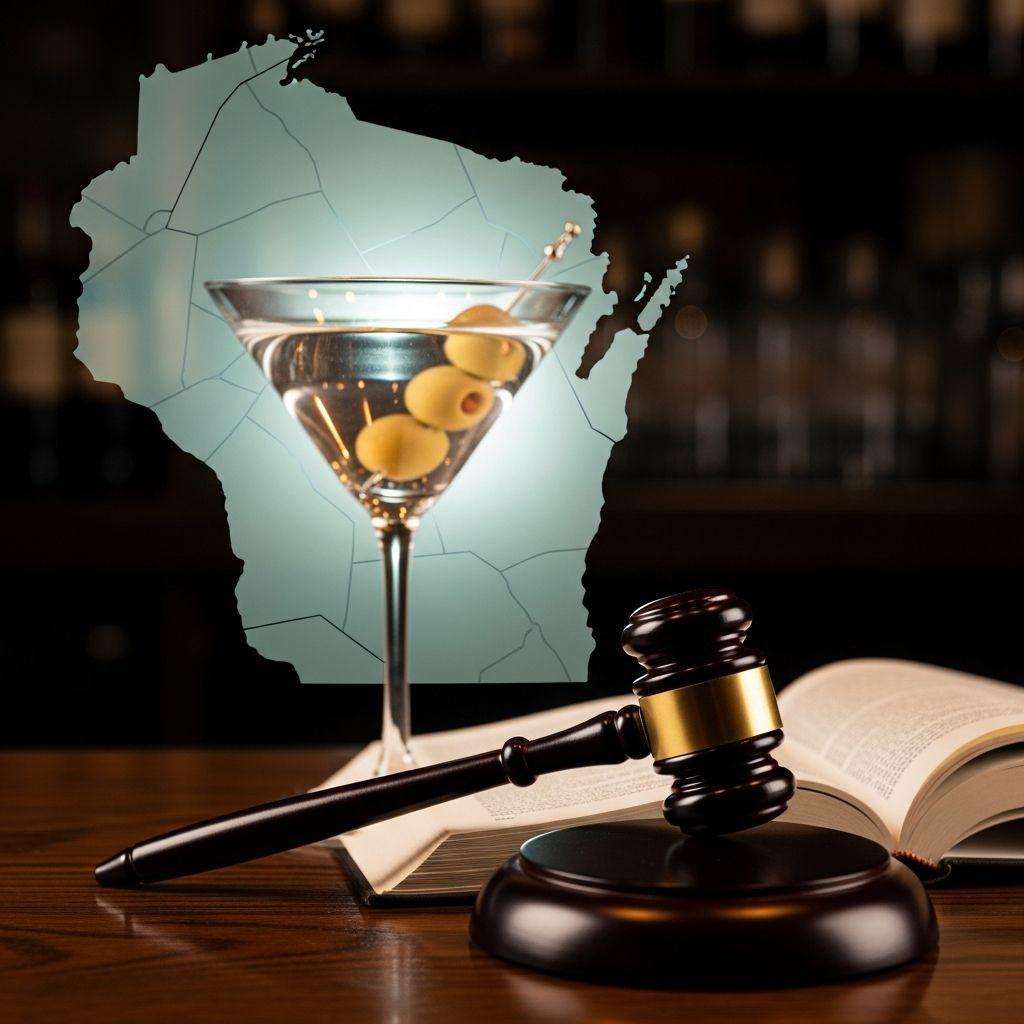
Wisconsin maintains a protective stance for alcohol providers, limiting their liability for harms caused by intoxicated individuals through specific statutory exceptions outlined in Wis. Stat. § 125.035.
Historical Roots and Modern Meaning of Alcohol Liability Concepts
The phrase ‘dram shop’ traces back to 18th-century England, where alcohol was measured in small units called drams, typically sold in modest taverns or shops. In contemporary U.S. law, it encompasses any commercial entity—bars, restaurants, liquor stores—that sells or serves alcoholic beverages. These laws aim to balance public safety with business operations by imposing civil responsibility only under narrow conditions.
Wisconsin’s approach stands out for its restraint. Unlike states with expansive rules holding vendors accountable for serving obviously drunk adults, Wisconsin grants broad immunity to retailers and social hosts. This framework prioritizes individual accountability while carving out protections against egregious negligence.
Core Principles of Wisconsin’s Alcohol Provider Immunity
Under Wis. Stat. § 125.035(2), no person selling, dispensing, or giving away alcohol faces liability for resulting injuries or damages, regardless of the recipient’s condition. This immunity shields:
- Commercial retailers like bars and grocery stores.
- Private social hosts hosting parties.
- Any provider not falling into statutory exceptions.
This rule reflects a policy choice: alcohol consumption risks lie primarily with the consumer, not the server. Courts uphold this rigorously, dismissing claims absent clear violation of exceptions.
Key Exceptions Triggering Liability
Immunity dissolves in precise scenarios defined in Wis. Stat. § 125.035(3) and (4). Providers become liable if they:
- Serve or sell to minors knowingly: Giving alcohol to anyone under 21, when the provider knows or should reasonably know their age, opens the door to lawsuits if the minor causes harm.
- Force consumption: Physically compelling someone to drink against their will qualifies as liability grounds.
- Misrepresent alcohol content: Claiming a beverage lacks alcohol when it does creates responsibility for ensuing damages.
| Exception | Description | Example Scenario | Potential Outcome |
|---|---|---|---|
| Underage Service | Knowingly providing alcohol to person under 21 | Bartender cards poorly, serves minor who crashes car | Vendor liable for victim’s injuries |
| Forced Drinking | Physically making someone consume alcohol | Host pins down guest to pour shots | Host pays damages for resulting accident |
| False Alcohol Claim | Saying drink is non-alcoholic when it’s not | Server lies about cocktail, patron drives impaired | Server’s employer covers medical bills |
These exceptions target blatant irresponsibility, particularly protecting against underage access, a high-priority public safety concern. Note: Wisconsin does not extend liability for serving visibly intoxicated adults, diverging from many peers.
How Courts Assess Alcohol Liability Claims
To prevail, plaintiffs must prove the provider’s action directly caused the injury via the intoxicated person’s conduct. Essential evidence includes:
- Witness accounts of service to minors or forced intake.
- Surveillance footage showing awareness of age or misrepresentation.
- Blood alcohol tests linking consumption to the accident.
- Police reports documenting the incident.
Burden lies with the victim; vague claims fail. For minors, proving ‘knowing’ service often hinges on fake IDs rejected or obvious youth. Successful cases yield shared fault with the intoxicated party.
Potential Compensation in Successful Claims
Victims may recover economic and non-economic damages, such as:
- Medical expenses and lost wages.
- Pain, suffering, and emotional distress.
- Property damage from crashes.
- Wrongful death benefits for families.
Damages cap absent, but comparative negligence reduces awards if victim contributed. Payouts vary by case severity; severe crashes command higher sums.
Time Limits for Filing Lawsuits
Wisconsin imposes a three-year statute of limitations for personal injury claims under Wis. Stat. § 893.54, applicable to alcohol liability suits. Wrongful death follows suit. Missing this deadline bars recovery—file promptly post-accident.
Navigating Claims: Practical Steps for Victims
If suspecting vendor liability:
- Seek immediate medical care and report to police.
- Gather evidence: photos, witness contacts, receipts.
- Consult a personal injury attorney experienced in Wisconsin alcohol laws.
- Avoid insurer statements without counsel.
Lawyers assess exception applicability, negotiate settlements, or litigate. Many work contingency, advancing costs.
Common Misconceptions Clarified
- Myth: Bars always liable for drunk patrons.
Fact: Only specific exceptions apply; adult overserving immune. - Myth: Social hosts fully protected.
Fact: Liable if serving minors knowingly or forcing drinks. - Myth: Unlimited time to sue.
Fact: Strict three-year limit.
Frequently Asked Questions
Can I sue a bar if they served a drunk adult driver?
No, Wisconsin law immunizes vendors from liability for serving intoxicated adults.
What if a minor was served at a house party?
Yes, the host can be liable under Wis. Stat. § 125.035 if they knew the minor’s age.
Does serving fake non-alcoholic drinks create liability?
Yes, misrepresenting alcohol content triggers responsibility for harms.
How much time do I have to file after an accident?
Three years for personal injury claims.
Who pays if both driver and bar are at fault?
Damages apportioned by comparative fault percentages.
Business Compliance and Risk Mitigation
Alcohol sellers should train staff on ID checks, refuse overserved patrons (for ethics, not liability), and secure liquor liability insurance despite limited exposure. Documenting refusals protects in marginal cases.
Social hosts: Avoid serving unverified guests alcohol; monitor ages closely at events.
Broader Public Safety Context
Wisconsin’s narrow laws complement criminal penalties for DUI and underage possession, emphasizing prevention via enforcement over civil windfalls. Victims still pursue primary claims against drivers.
References
- What is Dram Shop Liability in Wisconsin? — Pemberton Personal Injury Lawyers. 2023. https://pembertonpi.com/blogs/what-is-dram-shop-liability-in-wisconsin/
- What Is the Dram Shop Law in Wisconsin? — Kryder Law. 2023. https://www.kryderlaw.com/blog/what-is-the-dram-shop-law-in-wisconsin/
- Dram Shop and Social Host Liability in Wisconsin — Nolo. 2023-10-01. https://www.nolo.com/legal-encyclopedia/dram-shop-laws-social-host-liability-alcohol-related-accidents-wisconsin.html
- What Is the Dram Shop Law in Wisconsin? — Gruber Law Offices. 2023. https://www.gruber-law.com/faqs/what-is-the-dram-shop-law-in-wisconsin/
- Does Wisconsin Have Dram Shop Laws? — Slam Dunk Lawyer. 2023. https://www.slamdunklawyer.com/blog/does-wisconsin-have-dram-shop-laws
- Dram Shop Laws in Your State — Insureon. 2024-01-15. https://www.insureon.com/small-business-insurance/liquor-liability/dram-shop-laws
- 125.035 – Wisconsin Legislature — Wisconsin State Legislature. 2023. https://docs.legis.wisconsin.gov/document/statutes/125.035
Similar Articles








Read full bio of medha deb


